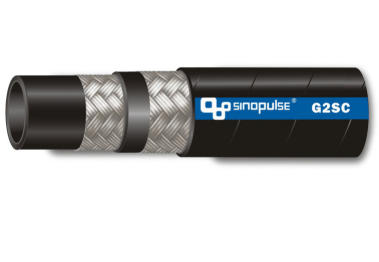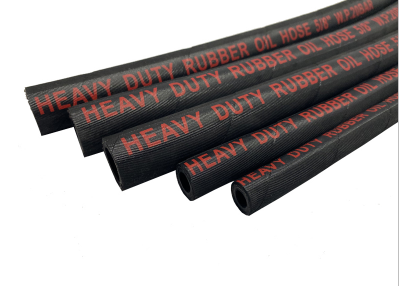


خرطوم الزيت
خرطوم الزيت هو أنبوب مرن متخصص مصمم لنقل أنواع مختلفة من الزيوت، بما في ذلك زيوت التشحيم، والسوائل الهيدروليكية، وزيوت الوقود، في الأنظمة الصناعية والسيارات والزراعية.
صُممت خراطيم الزيت بأنابيب داخلية مقاومة للزيت، ودعامات متينة، وأغطية خارجية متينة، لتتحمل الضغوط العالية والظروف القاسية مع الحفاظ على مرونتها وطول عمرها. تُستخدم هذه الخراطيم على نطاق واسع في تطبيقات مثل الأنظمة الهيدروليكية، وتزييت المحركات، وتوصيل الوقود، ونقل الزيت في الآلات والمعدات. على سبيل المثال، في الأنظمة الهيدروليكية، تضمن خراطيم الزيت تدفقًا ثابتًا للسائل الهيدروليكي بين المكونات، مما يُسهّل التشغيل السلس. في محركات السيارات، تحمل هذه الخراطيم زيت المحرك للتزييت والتبريد. تتضمن التطبيقات الصناعية نقل كميات كبيرة من الزيت من خزانات التخزين إلى المعدات أو خطوط الأنابيب. كما تُعد خراطيم الزيت أساسية في الزراعة لتشغيل الجرارات وغيرها من الآلات التي تعتمد على الزيت. إن تركيبها الموثوق وتوافقها مع أنواع مختلفة من الزيوت يجعلها لا غنى عنها للحفاظ على عمليات فعالة وآمنة في العديد من الصناعات.
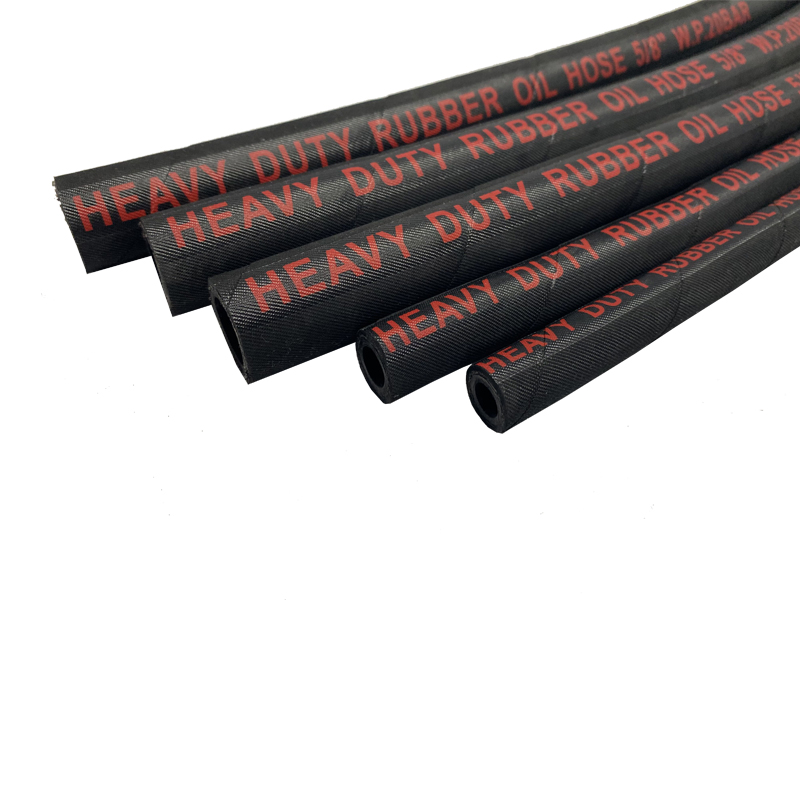
ما هي المواد الرئيسية المستخدمة في خراطيم الزيت، وكيف تؤثر على الأداء؟
تُصنع خراطيم النفط، الضرورية لمختلف العمليات المتعلقة بالنفط، عادةً من مواد مثل مطاط النتريل (NBR)، والمطاط الصناعي، واللدائن الحرارية، وبولي فينيل كلوريد (PVC)، حيث يُختار كل منها لخصائصه الخاصة التي تُمكّنه من نقل النفط بكفاءة في أنواع مختلفة من خراطيم النفط. على سبيل المثال، غالبًا ما تتطلب خراطيم تبريد الزيت موادًا قادرة على تبديد الحرارة أثناء نقل النفط. يُعرف مطاط النتريل بمقاومة ممتازة للزيت، ويُستخدم على نطاق واسع لمقاومته الممتازة للزيت والوقود والشحوم، مما يجعله مثاليًا لتطبيقات السيارات والتطبيقات الصناعية.
يوفر المطاط الصناعي مرونةً ومتانةً مُحسّنتين، خاصةً في البيئات عالية الضغط، مع مقاومته للشيخوخة والتشقق. هذا يجعله خيارًا مثاليًا لخراطيم ضغط الزيت التي تحتاج إلى الحفاظ على سلامتها تحت الضغط. تتميز المواد البلاستيكية الحرارية بخفة وزنها ومقاومتها للتآكل والعوامل البيئية، مما يجعلها مناسبةً للتطبيقات المحمولة أو الخارجية.
يُستخدم البولي فينيل كلوريد (PVC) بشكل شائع في خراطيم الزيت متعددة الأغراض نظرًا لسعره المناسب وتعدد استخداماته، ولكنه قد لا يُقدم نفس الأداء في درجات الحرارة أو الضغوط القصوى. في الحالات التي تتطلب استخدام خرطوم الزيت في بيئة أقل تطلبًا، يُعد البولي فينيل كلوريد (PVC) خيارًا اقتصاديًا. تُعزز التعزيزات، مثل الضفائر النسيجية أو الأسلاك الفولاذية أو الطبقات الحلزونية، من قوة خرطوم الزيت وقدرته على تحمل الضغط، وهو أمر أساسي لخراطيم ضغط الزيت تحديدًا. يؤثر اختيار المادة على مرونة الخرطوم ونطاق درجة حرارته وتوافقه مع أنواع الزيوت المختلفة، مما يضمن الأداء الأمثل وطول العمر في تطبيقات محددة لجميع أنواع الزيوت. خراطيم صناعية.
كيف تحافظ على خرطوم الزيت لضمان الموثوقية والسلامة على المدى الطويل؟
تتضمن صيانة خرطوم الزيت عمليات فحص دورية، والتعامل السليم، والالتزام بإرشادات التشغيل لمنع الأعطال وإطالة عمره الافتراضي. افحص الخرطوم دوريًا بحثًا عن أي علامات تآكل، مثل التشققات أو التسربات أو البثور أو التآكل، وخاصة حول التركيبات والانحناءات، لأن هذه المناطق معرضة للإجهاد. استبدل أي خراطيم تالفة فورًا لتجنب أعطال النظام أو مخاطر السلامة. نظف الخرطوم بانتظام لإزالة بقايا الزيت والأوساخ والملوثات التي قد تؤدي إلى تدهور المادة بمرور الوقت. التخزين السليم ضروري؛ احفظ الخرطوم في مكان بارد وجاف وجيد التهوية بعيدًا عن أشعة الشمس المباشرة والرطوبة والمواد الكيميائية القاسية التي قد تُضعف المادة. تجنب تجاوز حدود الضغط ودرجة الحرارة ونصف قطر الانحناء المحددة للخرطوم أثناء الاستخدام لمنع التحميل الزائد والتآكل المبكر. تأكد من تثبيت التركيبات بإحكام، وافحصها دوريًا بحثًا عن أي تسريبات أو توصيلات مفكوكة. باتباع ممارسات الصيانة هذه، يمكنك ضمان أداء موثوق، وتعزيز السلامة، وإطالة عمر خرطوم الزيت.
Analysis of Core Materials and Oil-Resistant Mechanisms in Oil Hoses
SINOPULSE designs high-performance oil hoses with a deep understanding of material science and fluid dynamics. The selection and engineering of core materials play a pivotal role in ensuring hoses can withstand continuous exposure to various oils without degradation. Here’s an in-depth look at the key components and their oil-resistant mechanisms that make SINOPULSE hoses the preferred choice for oil suction, transfer, and delivery applications.
Nitrile Butadiene Rubber (NBR): The Backbone of Oil Resistance
At the heart of SINOPULSE oil-resistant hoses lies Nitrile Butadiene Rubber (NBR), a synthetic elastomer renowned for its exceptional oil compatibility. NBR’s molecular structure, characterized by acrylonitrile monomers, creates a cross-linked network that repels hydrocarbon-based oils. This unique composition minimizes oil absorption, ensuring the hose maintains its physical properties—such as flexibility, strength, and sealing integrity—even after prolonged immersion. For example, in diesel fuel or hydraulic oil applications, NBR-lined hoses exhibit a swelling rate of ≤5%, far surpassing the performance of standard rubber materials.
Reinforcement Layers: Enhancing Structural Integrity
To complement the oil-resistant inner tube, SINOPULSE integrates robust reinforcement layers. High-tensile steel wire braids or synthetic fiber meshes are woven around the NBR core, providing mechanical strength and pressure resistance. These layers distribute internal pressure evenly, enabling oil transfer hoses to handle working pressures up to 40 bar (580 PSI) and burst pressures exceeding 120 bar (1740 PSI). In heavy-duty scenarios like oil tank truck loading or industrial hydraulic systems, the reinforcement prevents tube collapse and leakage, ensuring safe and efficient oil delivery.
Outer Cover: Protection Against External Threats
The outer cover of SINOPULSE oil hoses is engineered to withstand harsh environments while safeguarding the inner components. Made from abrasion-resistant synthetic rubber or thermoplastic compounds, it resists cuts, punctures, and UV degradation—common hazards in outdoor oil transfer operations. Additionally, anti-static outer layers are available for applications involving flammable oils, dissipating electrical charges to prevent ignition risks.
Advanced Formulations for Specialized Oils
For applications requiring compatibility with synthetic lubricants, biofuels, or high-viscosity oils, SINOPULSE offers oil hoses with advanced material formulations. Fluoroelastomer (FKM) liners, for instance, provide superior resistance to aggressive chemicals and high temperatures, making them ideal for aerospace or automotive manufacturing. These specialized hoses undergo rigorous testing to ensure compliance with industry standards, such as ISO 18752 for fuel hose performance.
In industries where reliable oil transfer is non-negotiable, SINOPULSE’s commitment to material innovation and engineering excellence ensures that our oil hoses deliver long-lasting performance, safety, and efficiency.
Fault Warning and Emergency Handling of Oil Hoses
As a trusted oil hose manufacturer, SINOPULSE prioritizes safety and reliability in every oil hose we produce. However, even the most durable oil resistant hoses may encounter issues over time. Understanding how to detect early signs of failure and execute proper emergency protocols is crucial for preventing costly downtime and potential hazards in oil suction, transfer, and delivery operations.
Early Warning Signs of Hose Failure
SINOPULSE recommends regular visual inspections to identify impending issues. Bulges or Swelling indicate internal pressure damage or material degradation, often caused by excessive stress or incompatible oil types. Cracks or cuts in the outer cover expose the inner layers to environmental threats, increasing the risk of leakage. Discoloration or Hardening of the hose material signals chemical breakdown, particularly if the hose has been exposed to incompatible fluids. Additionally, unusual vibrations or whistling noises during operation may suggest blockages or pressure imbalances within the oil hose.
Emergency Response Protocols
In the event of a suspected hose failure, immediate action is essential. First, isolate the system: shut off the oil supply valves and depressurize the line to prevent further leakage. If the hose is used for flammable oils, evacuate the area and prohibit any ignition sources. For minor leaks, applying a specialized hose repair tape designed for oil-resistant materials can provide temporary containment, but this is only a stopgap measure. For significant damage, replace the hose with a SINOPULSE oil transfer hose of the same specification, ensuring proper fitting and alignment to avoid future issues.
Preventive Maintenance for Longevity
To minimize the risk of emergencies, follow SINOPULSE’s maintenance guidelines. Avoid exceeding the hose’s rated working pressure and temperature range, as overloading accelerates wear. When installing oil suction hoses, ensure the bend radius meets specifications to prevent kinking. Regularly clean and lubricate connectors to maintain a tight seal, and store hoses in a cool, dry environment away from direct sunlight to slow down material aging.
With SINOPULSE’s comprehensive approach to oil hose safety, operators can confidently manage potential risks and ensure continuous, secure oil transfer in any industrial setting.