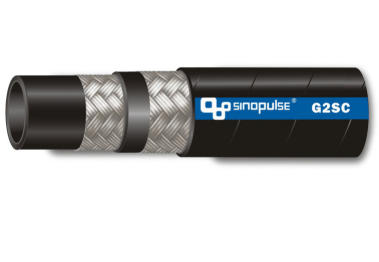


خرطوم مضفر من الفولاذ المقاوم للصدأ PTFE
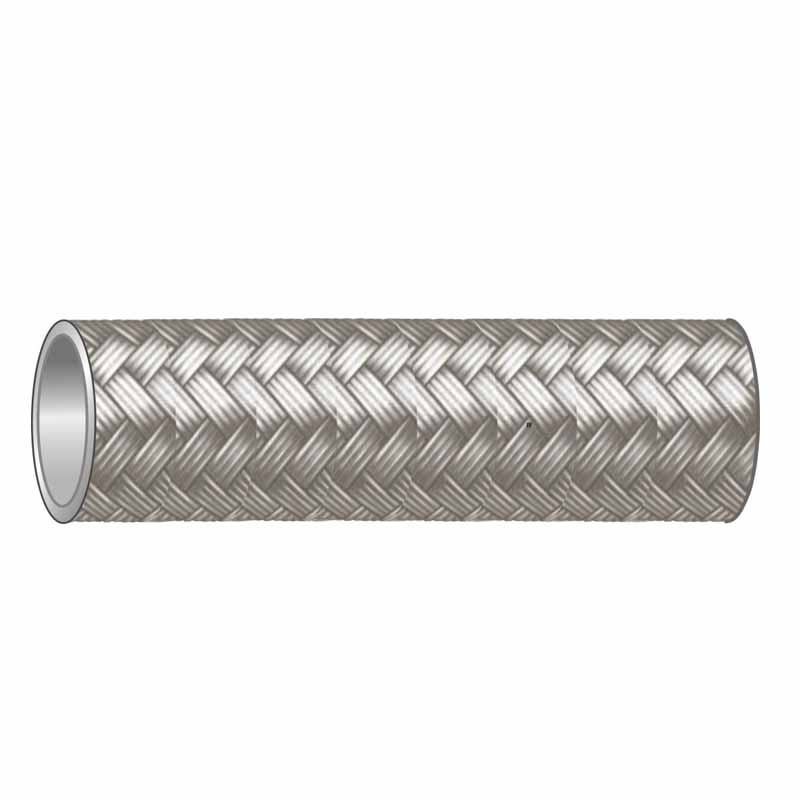
خرطوم مضفر من الفولاذ المقاوم للصدأ PTFE هو خرطوم مرن عالي الأداء مصنوع من قلب داخلي من البولي تترافلوروإيثيلين (PTFE) ومعزز بطبقة خارجية من مضفر الفولاذ المقاوم للصدأ.
يتميز PTFE بمقاومته الكيميائية الممتازة وخصائصه منخفضة الاحتكاك، مما يضمن توافقه مع مجموعة واسعة من السوائل، بما في ذلك المواد الكيميائية العدوانية والغازات والمواد عالية النقاء. يوفر جدائل الفولاذ المقاوم للصدأ قوة ميكانيكية فائقة، مما يجعل الخرطوم قادرًا على تحمل الضغوط ودرجات الحرارة العالية والتآكل الخارجي. يقلل الأنبوب الداخلي الأملس أو الملتوي من PTFE من فقدان الضغط ويقاوم تراكم الرواسب، مما يضمن تدفقًا مثاليًا للسوائل ونظافتها. تُستخدم هذه الخراطيم غالبًا في التطبيقات التي تتطلب المتانة ومقاومة درجات الحرارة العالية والموثوقية، مثل صناعات السيارات والأدوية والفضاء والمعالجة الكيميائية. إن الجمع بين الخمول الكيميائي وتحمل الضغط العالي ودرجات الحرارة العالية ومقاومة الشيخوخة أو التدهور يجعل خراطيم PTFE المضفرة المصنوعة من الفولاذ المقاوم للصدأ مثالية للتطبيقات الصعبة.
ما هي مزايا استخدام خرطوم مضفر من الفولاذ المقاوم للصدأ PTFE؟
تتميز خراطيم PTFE المضفرة المصنوعة من الفولاذ المقاوم للصدأ بالعديد من المزايا التي تجعلها الخيار الأمثل للتطبيقات عالية الأداء. يوفر قلب PTFE مقاومة كيميائية لا مثيل لها، مما يجعله متوافقًا مع المواد العدوانية والتآكلية التي قد تُسبب تدهور المواد الأخرى. يضمن هذا الخمول الكيميائي السلامة والموثوقية في صناعات مثل المعالجة الكيميائية والأدوية. يضيف تعزيز ضفيرة الفولاذ المقاوم للصدأ قوة ميكانيكية استثنائية، مما يُمكّن الخرطوم من تحمل الضغوط العالية ومقاومة الأضرار الخارجية مثل التآكل والصدمات. تقلل خصائص PTFE غير اللاصقة الاحتكاك وتمنع تراكم الرواسب، مما يُعزز تدفق السوائل ويضمن النظافة، وهو أمر بالغ الأهمية في تطبيقات الأغذية والطب وغرف العمليات النظيفة. كما يعمل الخرطوم بكفاءة في درجات الحرارة القصوى، التي تتراوح بين -60 درجة مئوية و260 درجة مئوية، مما يجعله مناسبًا للبيئات التي يكون فيها الاستقرار الحراري أمرًا بالغ الأهمية. بالإضافة إلى ذلك، يتميز PTFE بمتانته وعمره الافتراضي الطويل، مما يقلل من تكاليف الصيانة ووقت التوقف عن العمل. هذه الميزات، إلى جانب المرونة والمتانة، تجعل خراطيم PTFE المضفرة المصنوعة من الفولاذ المقاوم للصدأ خيارًا متعدد الاستخدامات وفعالًا للعمليات الشاقة.
كيف يمكنك الحفاظ على خرطوم مضفر من الفولاذ المقاوم للصدأ PTFE وإطالة عمره؟
تتطلب صيانة أنواع مختلفة من الخراطيم المضفرة المرتبطة بـ PTFE فحصًا منتظمًا ومعالجة مناسبة والالتزام الصارم بمعايير التشغيل لضمان الأداء على المدى الطويل.
تُعدّ الفحوصات البصرية الدورية أمرًا بالغ الأهمية لجميع هذه الخراطيم. ينبغي أن تُركّز هذه الفحوصات على اكتشاف علامات التآكل، مثل تآكل جديلة الفولاذ المقاوم للصدأ، أو التسريبات، أو تلف قلب PTFE. سواءً كان خرطوم PTFE مضفرًا في نظام بسيط أو خرطوم PTFE مضفرًا من الفولاذ المقاوم للصدأ في نظام عالي الأداء، فإن أي تلف يُلاحظ يستدعي استبداله فورًا. قد يؤدي الاستمرار في استخدام خرطوم تالف، بغض النظر عن نوعه، إلى تعطل النظام.
أثناء التركيب، من الضروري التعامل مع جميع خراطيم PTFE المضفرة بعناية. تجنب الانحناءات الحادة أو التواء الخرطوم، لأن الضغط الزائد قد يُضعف تسليح الفولاذ المقاوم للصدأ أو يُتلف قلب PTFE. استخدم التركيبات والدعامات المناسبة لمنع الضغط الزائد على الخرطوم وتقليل الاهتزاز أثناء التشغيل.
تأكد من تشغيل كل نوع من الخراطيم ضمن حدود الضغط ودرجة الحرارة المُقننة. قد يُؤثر تجاوز هذه المواصفات سلبًا على سلامة الخرطوم، بغض النظر عن نوع الضفيرة أو المادة المُستخدمة.
من المهم أيضًا تنظيف الخرطوم دوريًا، خاصةً في التطبيقات التي قد تتراكم فيها الرواسب أو الحطام. يساعد ذلك في الحفاظ على تدفق مثالي للسوائل ونظافتها. أنواع خراطيم الهيدروليك.
عند تخزين هذه الخراطيم، يُحفظ في بيئة نظيفة وجافة ومُتحكم في درجة حرارتها. هذا يمنع تآكل جديلة الفولاذ المقاوم للصدأ وتلف مادة PTFE، سواءً كان خرطومًا مضفرًا من الفولاذ PTFE أو خرطومًا مضفرًا آخر من الفولاذ المقاوم للصدأ.
Analysis of the Mechanical Protection Functions of the Stainless Steel Braided PTFE Hoses
As a leading hydraulic hose manufacturer, SINOPULSE designs PTFE braided hoses with stainless steel layers to deliver unparalleled mechanical protection. The integration of stainless steel braiding into stainless steel braided PTFE hoses serves multiple critical functions, ensuring durability and reliability in demanding industrial environments.
Abrasion Resistance: The stainless steel braid acts as a robust outer shield, protecting the inner PTFE layer from external friction. In high-movement applications—such as robotic arms in manufacturing or hydraulic systems in construction machinery—this layer resists cuts, scrapes, and wear caused by contact with metal surfaces or rough terrain. For instance, SINOPULSE’s PTFE hydraulic hoses with stainless steel reinforcement maintain integrity even after prolonged exposure to abrasive particles, extending service life by up to 30%.
Pressure and Structural Support: The braided stainless steel provides exceptional tensile strength, enhancing the hose’s pressure resistance. It distributes internal fluid pressure evenly across the hose’s surface, preventing bulges or bursts under high loads. In high-pressure systems (up to 3000 PSI), the stainless steel layer ensures the hose maintains its shape, crucial for applications in oil & gas extraction, hydraulic presses, and aerospace equipment.
Flexibility without Compromise: Despite its rigidity, the stainless steel braid allows PTFE corrugated hoses to bend flexibly without kinking. The interwoven structure adapts to complex routing requirements, making it suitable for tight spaces in automotive engines or aircraft hydraulic lines. This balance between flexibility and protection minimizes installation constraints while safeguarding the hose’s performance.
Corrosion and Chemical Resistance: Stainless steel’s inherent anti-corrosion properties—especially in 304-grade alloys—combine with PTFE’s chemical inertness, creating a double defense against harsh environments. SINOPULSE’s stainless steel PTFE hoses withstand exposure to saltwater, acidic fluids, and industrial chemicals, ensuring long-term reliability in marine, pharmaceutical, and chemical processing applications.
In summary, SINOPULSE’s stainless steel braided layers transform PTFE hoses into durable, high-performance solutions. Contact us to explore how our engineered hoses can enhance the safety and efficiency of your hydraulic systems.
PTFE Braided Hose Solutions for Extreme Conditions
As a trusted hydraulic hose manufacturer, SINOPULSE specializes in engineering PTFE braided hoses that excel in the most demanding environments. Our stainless steel braided PTFE hoses combine the chemical inertness of PTFE with the mechanical strength of stainless steel, offering unparalleled performance in extreme temperatures, pressures, and corrosive conditions.
High-Temperature and Cryogenic Resilience: In applications reaching up to 260°C—such as aerospace engines or industrial ovens—SINOPULSE PTFE hydraulic hoses maintain structural integrity without softening or degrading. Conversely, in cryogenic settings as low as -60°C, our hoses retain flexibility, preventing cracks and ensuring continuous operation in liquefied gas transfer systems. The PTFE inner layer resists thermal expansion, while the stainless steel braid provides reinforcement against mechanical stress.
Ultra-High Pressure and Abrasion Resistance: For high-pressure applications exceeding 3000 PSI—common in oil drilling, hydraulic presses, and deep-sea exploration—our stainless steel PTFE hoses distribute pressure evenly, preventing bursts. The braided stainless steel layer acts as a shield against abrasion, protecting the hose from rocky terrain in mining or constant vibration in heavy machinery, extending service life by up to 50%.
Corrosive and Hazardous Environments: In chemical processing plants, marine installations, and pharmaceutical facilities, exposure to acids, alkalis, and saltwater is inevitable. SINOPULSE’s PTFE hoses, whether smooth or PTFE corrugated hose variants, resist degradation from even the most aggressive chemicals. The non-porous PTFE surface prevents contamination, while the stainless steel braid adds corrosion resistance, ensuring compliance with strict industry standards.
From the frigid arctic to scorching industrial furnaces, SINOPULSE’s PTFE hose solutions redefine reliability in extreme conditions. Contact us to discover how our engineered products can optimize your operations and reduce maintenance costs.