

오일 호스
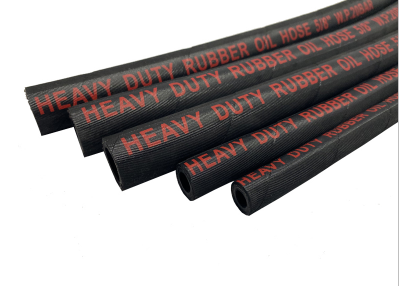
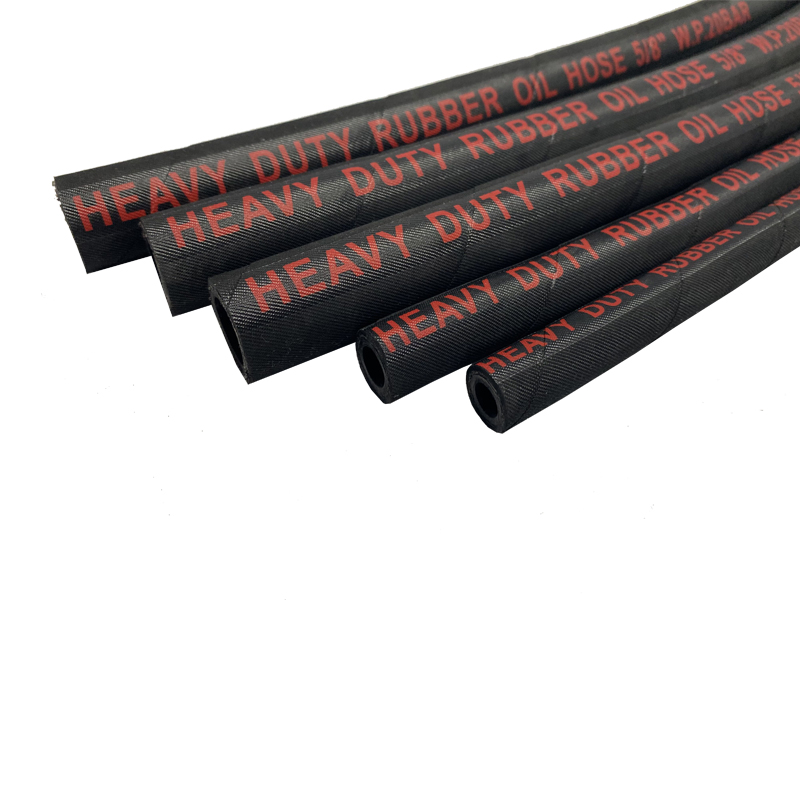
오일 호스는 산업, 자동차, 농업 시스템에서 윤활유, 유압유, 연료유 등 다양한 유형의 오일을 이송하도록 설계된 특수한 유연한 튜브입니다.
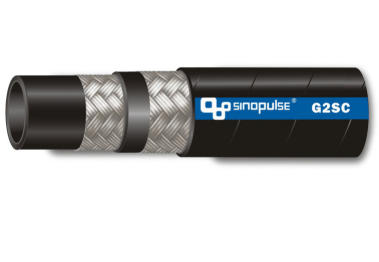
내유성 내부 튜브, 견고한 보강재, 그리고 내구성 있는 외부 커버로 제작된 오일 호스는 유연성과 수명을 유지하면서 고압 및 혹독한 환경을 견딜 수 있도록 설계되었습니다. 이 호스는 유압 시스템, 엔진 윤활, 연료 공급, 기계 및 장비의 오일 이송과 같은 분야에서 널리 사용됩니다. 예를 들어, 유압 시스템에서 오일 호스는 구성 요소 간의 유압 유체의 안정적인 흐름을 보장하여 원활한 작동을 보장합니다. 자동차 엔진에서는 윤활 및 냉각을 위해 엔진 오일을 운반합니다. 산업 분야에서는 저장 탱크에서 장비 또는 파이프라인으로 대량의 오일을 이송합니다. 또한, 농업 분야에서는 트랙터 및 기타 오일 의존형 기계에 동력을 공급하는 데 필수적입니다. 신뢰할 수 있는 구조와 다양한 오일 종류와의 호환성 덕분에 여러 산업 분야에서 효율적이고 안전한 운영을 유지하는 데 필수적입니다.
오일 호스에 사용되는 주요 재료는 무엇이며, 성능에 어떤 영향을 미칩니까?
다양한 석유 관련 작업에 필수적인 오일 호스는 일반적으로 니트릴 고무(NBR), 합성 고무, 열가소성 수지, PVC와 같은 소재로 제작되며, 각 소재는 다양한 유형의 오일 호스에서 오일 이송을 효과적으로 처리할 수 있도록 고유한 특성을 고려하여 선택됩니다. 예를 들어, 오일 쿨러 호스는 오일 이송 시 열 발산을 견딜 수 있는 소재가 필요한 경우가 많습니다. 뛰어난 내유성 호스로 알려진 니트릴 고무는 오일, 연료, 그리스에 대한 뛰어난 내성으로 널리 사용되어 자동차 및 산업용 분야에 이상적입니다.
합성 고무는 특히 고압 환경에서 향상된 유연성과 내구성을 제공하며, 노화와 균열에도 강합니다. 따라서 압력 하에서 무결성을 유지해야 하는 유압 호스에 매우 적합합니다. 열가소성 소재는 가벼운 구조와 내마모성 및 환경적 요인에 대한 저항성을 제공하여 휴대용 또는 실외용으로 적합합니다.
PVC는 경제성과 다용성 덕분에 범용 오일 호스에 널리 사용되지만, 극한의 온도나 압력에서는 성능이 떨어질 수 있습니다. 오일 호스를 덜 까다로운 환경에서 사용해야 하는 경우 PVC는 비용 효율적인 옵션이 될 수 있습니다. 섬유 브레이드, 강철 와이어 또는 나선형 층과 같은 보강재는 오일 호스의 강도와 내압성을 향상시키며, 이는 특히 유압 호스에 필수적입니다. 소재 선택은 호스의 유연성, 온도 범위 및 다양한 오일 종류와의 호환성에 영향을 미쳐 모든 용도에서 최적의 성능과 수명을 보장합니다. 산업용 호스.
장기적인 신뢰성과 안전성을 보장하려면 오일 호스를 어떻게 유지관리해야 할까요?
오일 호스를 유지 관리하려면 정기적인 검사, 적절한 취급, 그리고 고장을 방지하고 수명을 연장하기 위한 작동 지침을 준수해야 합니다. 호스에 균열, 누출, 기포, 마모와 같은 마모 징후가 있는지 정기적으로 검사하십시오. 특히 피팅과 굽힘 부위는 응력을 받기 쉽기 때문에 특히 주의해야 합니다. 손상된 호스는 시스템 고장이나 안전 위험을 방지하기 위해 즉시 교체하십시오. 호스를 정기적으로 청소하여 시간이 지남에 따라 호스의 재질을 손상시킬 수 있는 오일 잔여물, 먼지, 오염 물질을 제거하십시오. 적절한 보관은 필수적입니다. 호스는 직사광선, 습기, 그리고 재질을 약화시킬 수 있는 독한 화학 물질을 피해 서늘하고 건조하며 통풍이 잘 되는 곳에 보관하십시오. 과부하 및 조기 마모를 방지하기 위해 사용 중 호스의 지정된 압력, 온도 및 굽힘 반경 한계를 초과하지 마십시오. 피팅이 단단히 부착되었는지 확인하고 누출이나 느슨한 연결이 있는지 주기적으로 점검하십시오. 이러한 유지 관리 방법을 따르면 안정적인 성능을 보장하고 안전을 강화하며 오일 호스의 수명을 연장할 수 있습니다.
Analysis of Core Materials and Oil-Resistant Mechanisms in Oil Hoses
SINOPULSE designs high-performance oil hoses with a deep understanding of material science and fluid dynamics. The selection and engineering of core materials play a pivotal role in ensuring hoses can withstand continuous exposure to various oils without degradation. Here’s an in-depth look at the key components and their oil-resistant mechanisms that make SINOPULSE hoses the preferred choice for oil suction, transfer, and delivery applications.
Nitrile Butadiene Rubber (NBR): The Backbone of Oil Resistance
At the heart of SINOPULSE oil-resistant hoses lies Nitrile Butadiene Rubber (NBR), a synthetic elastomer renowned for its exceptional oil compatibility. NBR’s molecular structure, characterized by acrylonitrile monomers, creates a cross-linked network that repels hydrocarbon-based oils. This unique composition minimizes oil absorption, ensuring the hose maintains its physical properties—such as flexibility, strength, and sealing integrity—even after prolonged immersion. For example, in diesel fuel or hydraulic oil applications, NBR-lined hoses exhibit a swelling rate of ≤5%, far surpassing the performance of standard rubber materials.
Reinforcement Layers: Enhancing Structural Integrity
To complement the oil-resistant inner tube, SINOPULSE integrates robust reinforcement layers. High-tensile steel wire braids or synthetic fiber meshes are woven around the NBR core, providing mechanical strength and pressure resistance. These layers distribute internal pressure evenly, enabling oil transfer hoses to handle working pressures up to 40 bar (580 PSI) and burst pressures exceeding 120 bar (1740 PSI). In heavy-duty scenarios like oil tank truck loading or industrial hydraulic systems, the reinforcement prevents tube collapse and leakage, ensuring safe and efficient oil delivery.
Outer Cover: Protection Against External Threats
The outer cover of SINOPULSE oil hoses is engineered to withstand harsh environments while safeguarding the inner components. Made from abrasion-resistant synthetic rubber or thermoplastic compounds, it resists cuts, punctures, and UV degradation—common hazards in outdoor oil transfer operations. Additionally, anti-static outer layers are available for applications involving flammable oils, dissipating electrical charges to prevent ignition risks.
Advanced Formulations for Specialized Oils
For applications requiring compatibility with synthetic lubricants, biofuels, or high-viscosity oils, SINOPULSE offers oil hoses with advanced material formulations. Fluoroelastomer (FKM) liners, for instance, provide superior resistance to aggressive chemicals and high temperatures, making them ideal for aerospace or automotive manufacturing. These specialized hoses undergo rigorous testing to ensure compliance with industry standards, such as ISO 18752 for fuel hose performance.
In industries where reliable oil transfer is non-negotiable, SINOPULSE’s commitment to material innovation and engineering excellence ensures that our oil hoses deliver long-lasting performance, safety, and efficiency.
Fault Warning and Emergency Handling of Oil Hoses
As a trusted oil hose manufacturer, SINOPULSE prioritizes safety and reliability in every oil hose we produce. However, even the most durable oil resistant hoses may encounter issues over time. Understanding how to detect early signs of failure and execute proper emergency protocols is crucial for preventing costly downtime and potential hazards in oil suction, transfer, and delivery operations.
Early Warning Signs of Hose Failure
SINOPULSE recommends regular visual inspections to identify impending issues. Bulges or Swelling indicate internal pressure damage or material degradation, often caused by excessive stress or incompatible oil types. Cracks or cuts in the outer cover expose the inner layers to environmental threats, increasing the risk of leakage. Discoloration or Hardening of the hose material signals chemical breakdown, particularly if the hose has been exposed to incompatible fluids. Additionally, unusual vibrations or whistling noises during operation may suggest blockages or pressure imbalances within the oil hose.
Emergency Response Protocols
In the event of a suspected hose failure, immediate action is essential. First, isolate the system: shut off the oil supply valves and depressurize the line to prevent further leakage. If the hose is used for flammable oils, evacuate the area and prohibit any ignition sources. For minor leaks, applying a specialized hose repair tape designed for oil-resistant materials can provide temporary containment, but this is only a stopgap measure. For significant damage, replace the hose with a SINOPULSE oil transfer hose of the same specification, ensuring proper fitting and alignment to avoid future issues.
Preventive Maintenance for Longevity
To minimize the risk of emergencies, follow SINOPULSE’s maintenance guidelines. Avoid exceeding the hose’s rated working pressure and temperature range, as overloading accelerates wear. When installing oil suction hoses, ensure the bend radius meets specifications to prevent kinking. Regularly clean and lubricate connectors to maintain a tight seal, and store hoses in a cool, dry environment away from direct sunlight to slow down material aging.
With SINOPULSE’s comprehensive approach to oil hose safety, operators can confidently manage potential risks and ensure continuous, secure oil transfer in any industrial setting.