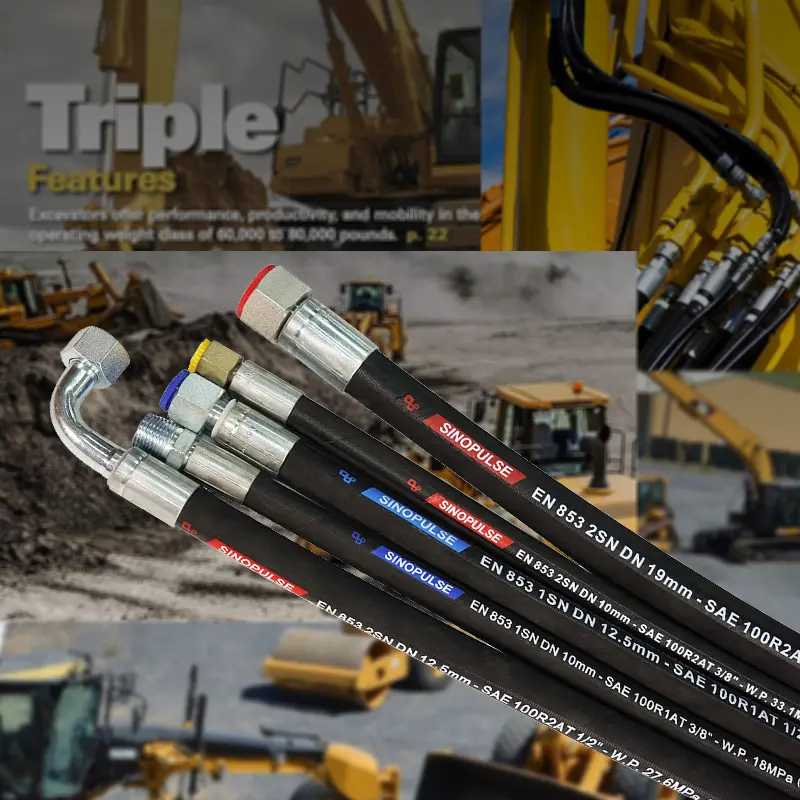
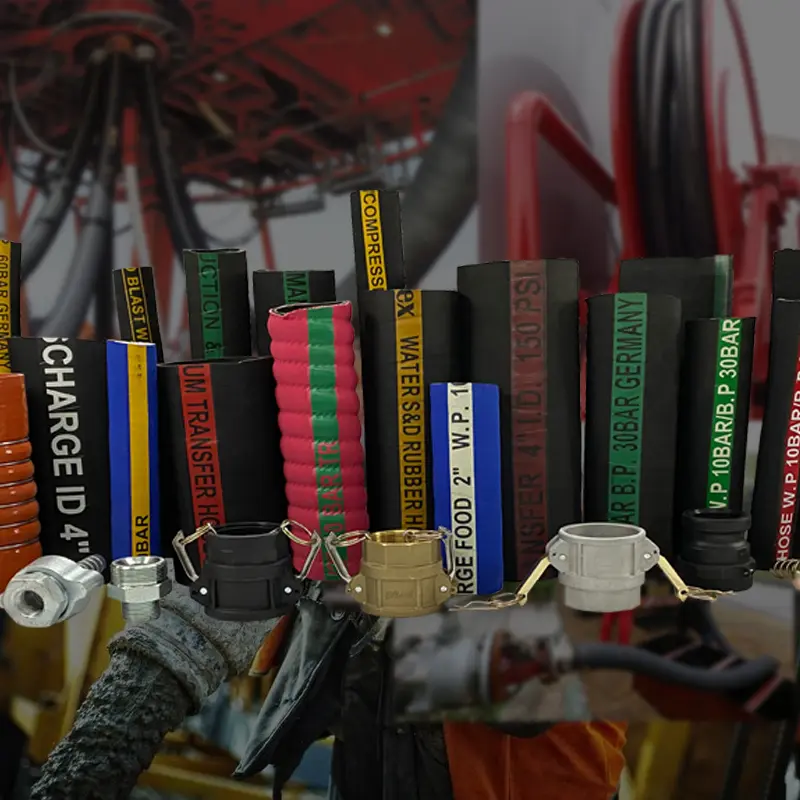
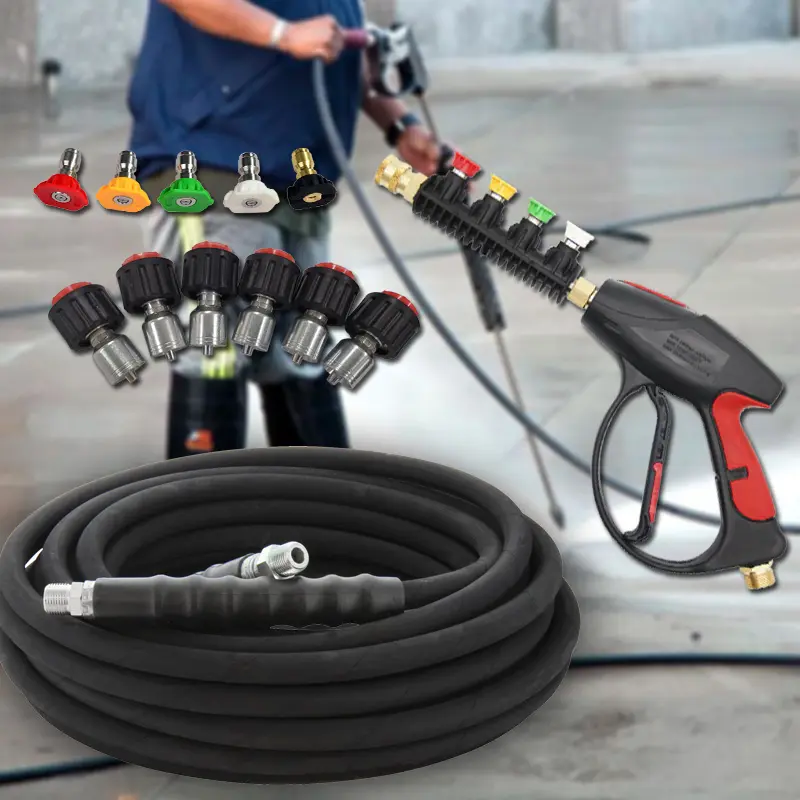
As a leading supplier of industrial fluid transfer solutions, HEBEI SINOPULSE TECH GROUP CO., LTD. offers a comprehensive range of hydraulic hose products, including premium hydraulic hose for sale and high-performance high pressure hydraulic hose compliant with global standards. Understanding the differences between SAE (Society of Automotive Engineers) and EN (European Norm) standards is critical for selecting the right hydraulic hose for regional compatibility, application requirements, and performance reliability. This article breaks down the core specifications of each standard, highlights key distinctions, and provides practical insights to guide informed purchasing decisions.
- HEBEI SINOPULSE TECH GROUP CO., LTD. adheres to SAE standards, which are widely recognized globally for defining hydraulic hose specifications tailored to automotive, agricultural, and industrial applications.
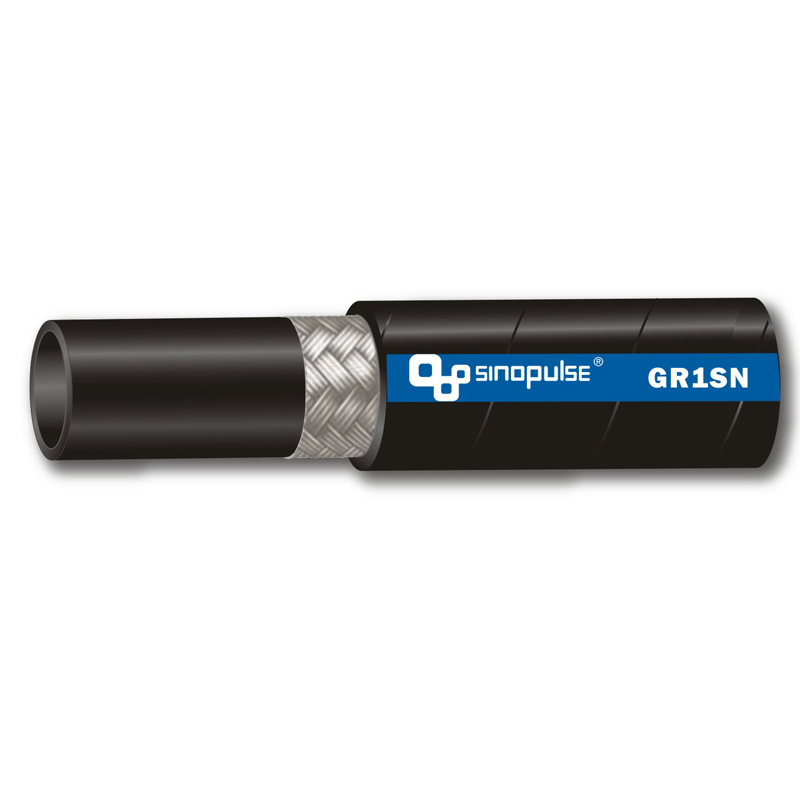
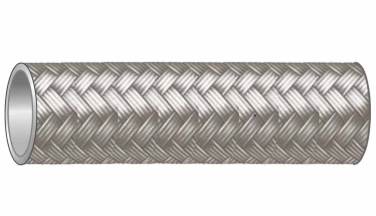
- SAE standards classify hydraulic hose based on construction type (wire-braided, spiral-wound), pressure ratings, inner diameter (ID) tolerances, and material compatibility. For example, SAE 100R1 and SAE 100R2 are common wire-braided high pressure hydraulic hose types, with variations in reinforcement layers and pressure capacity to suit light to heavy-duty use.
- SAE standards prioritize interchangeability and performance in dynamic systems, making them ideal for mobile machinery like excavators, trucks, and farm equipment. Our hydraulic hose for sale compliant with SAE standards, undergoes rigorous testing to ensure consistent flow, pressure resistance, and durability, meeting the demands of high-cycle industrial operations.
- EN standards (adopted as DIN EN in Germany and BS EN in the UK) are mandatory for hydraulic hose used in European markets, setting strict requirements for safety, performance, and environmental compatibility. HEBEI SINOPULSE TECH GROUP CO., LTD.’s high pressure hydraulic hose compliant with EN standards—such as EN 853 (wire-braided) and EN 856 (spiral-wound)—features precise dimensional tolerances, material testing, and pressure rating certifications.
- Unlike some SAE variants, EN standards emphasize fatigue resistance and leak prevention, with additional testing for pulse pressure cycles and temperature extremes. For instance, EN 853 2SN and EN 853 4SP hydraulic hose types are designed with multiple steel wire braids to withstand high pressure in stationary industrial systems like manufacturing machinery and hydraulic power units. Our EN-compliant hydraulic hose for sale meets EU safety directives, ensuring seamless integration into European-manufactured equipment.
- Key differences in construction and reinforcement set SAE and EN hydraulic hose types apart, directly impacting their application suitability. HEBEI SINOPULSE TECH GROUP CO.,LTD. explains that SAE high pressure hydraulic hose often features a more flexible design, with thinner outer covers and optimized braid patterns for use in mobile machinery requiring tight bending radii.
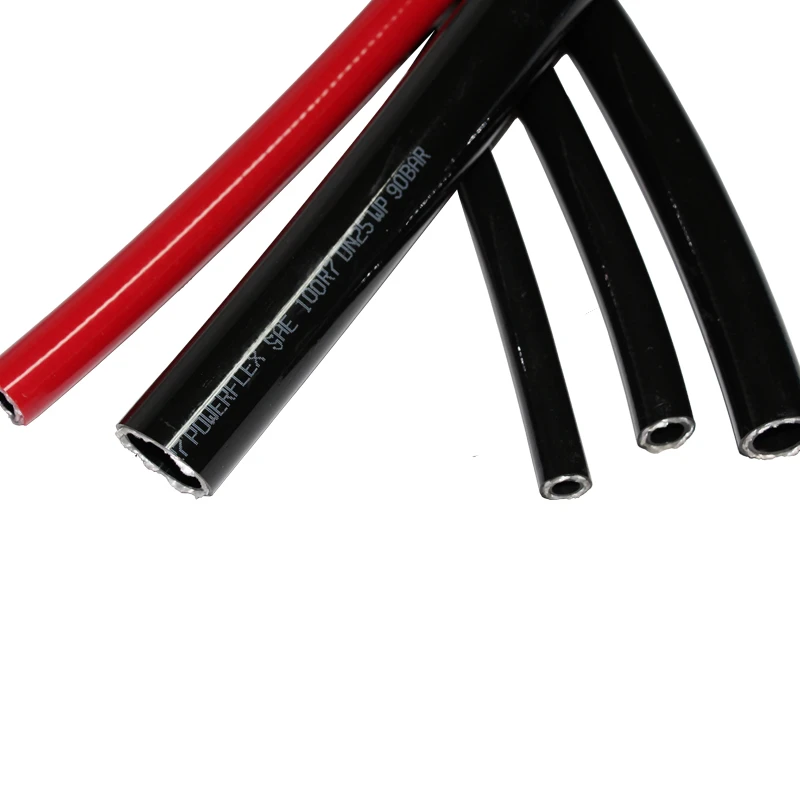
- For example, SAE 100R17 is a thermoplastic hydraulic hose with lightweight reinforcement, ideal for compact automotive systems. In contrast, EN hydraulic hose types prioritize structural rigidity and fatigue resistance, with thicker reinforcement layers and robust outer covers to withstand stationary industrial environments. EN 856 4SH high pressure hydraulic hose, for instance, uses four spiral steel wire layers for extreme pressure resistance in heavy industrial setups. These construction differences reflect the standards’ core focuses: SAE on mobility and versatility, and EN on long-term stationary performance.
What Core Specifications Differ Between SAE And EN Hydraulic Hose Standards?
SAE standards prioritize flexibility and interchangeability for mobile machinery, with pressure ratings based on ID and dynamic testing. EN standards emphasize fatigue resistance and EU safety compliance, using nominal pressure ratings and rigorous pulse testing. HEBEI SINOPULSE TECH GROUP CO.,LTD. notes that EN hydraulic hose often has thicker reinforcement, while SAE variants offer tighter bending radii—reflecting their target applications (stationary vs. mobile).
Yes, HEBEI SINOPULSE TECH GROUP CO., LTD. offers dual-compliant high pressure hydraulic hose that meets both SAE and EN standards. These hoses undergo testing to satisfy the dimensional, pressure, and material requirements of both standards, making them ideal for global customers with equipment from multiple regions. Dual compliance ensures versatility without compromising performance or safety.
EN standard hydraulic hose for sale is mandatory for European systems due to its compliance with EU safety directives and focus on stationary performance. HEBEI SINOPULSE TECH GROUP CO.,LTD. explains that EN standards require strict fatigue and leak testing, ensuring reliability in continuous industrial operations like manufacturing. Their robust construction also withstands the demands of European-manufactured stationary machinery.
SAE hydraulic hose uses maximum working pressure (MWP) tied to ID, with burst pressure 4x MWP. EN standards use nominal pressure (PN) and require more stringent pulse testing. HEBEI SINOPULSE TECH GROUP CO.,LTD. clarifies that while MWP and PN may align numerically for similar hoses, EN’s additional testing ensures greater durability in high-pressure, long-cycle applications.
Customers with mobile machinery (trucks, excavators, farm equipment) should choose SAE hydraulic hose. HEBEI SINOPULSE TECH GROUP CO.,LTD. advises that SAE standards prioritize flexibility, tight bending radii, and dynamic performance—critical for mobile systems. EN hose, designed for stationary use, may lack the flexibility needed for machinery with moving hydraulic components.
OUR LATEST NEWS
Strict quality control strict production team to ensure stable products quality. Scientific personnel management, efficient production arrangements to ensure our timely delivery.
02-242026
Comprehensive Guide to Safe and Effective Brake Hose Replacement Procedures
Maintaining your vehicle’s braking system is crucial for safety, and a key component of this system is the brake hose. Over time, brake hoses can deteriorate due to age, exposure to the elements, and constant pressure. This guide provides a comprehensive overview of brake hose replacement, covering everything from identifying when replacement is necessary to the process itself. Ignoring worn brake hoses can lead to brake failure, so understanding the signs and knowing how to address them is vital. Hydraulic Hose Plus offers a wide selection of high-quality brake hoses to ensure your vehicle’s safety. Brake hoses are responsible for carrying brake fluid under high pressure to the brake calipers at each wheel. As they age, the rubber can become brittle, crack, or swell. This compromises their structural integrity and can lead to leaks, reduced braking efficiency, or even complete brake failure. Regular inspection and timely replacement of brake hoses are essential safety measures. Signs of deterioration include visible cracks, blisters, bulges, or leaks, as well as a spongy brake pedal feel. Delaying brake hose replacement can significantly increase stopping distances and put you and others at risk.
02-112026
Comprehensive Guide to Silicone Auto Hoses for Enhanced Vehicle Performance
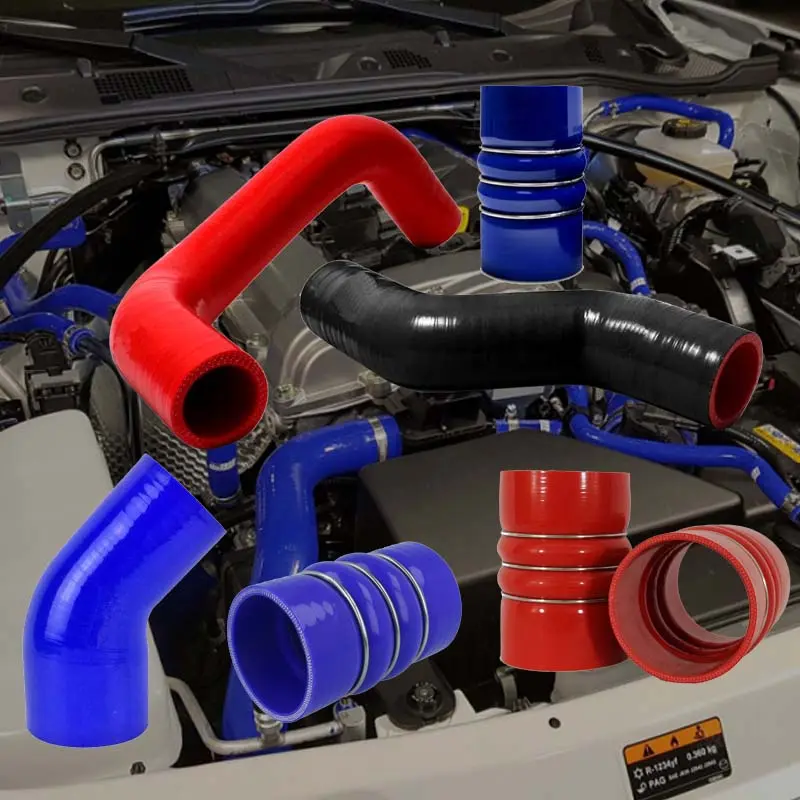
In the world of automotive performance and reliability, the often-overlooked component of the engine cooling and intake systems – the auto hose – plays a critical role. Traditional rubber hoses are prone to degradation from heat, oil, and pressure. This is where silicone auto hoses come into play, offering a superior alternative. This article delves into the benefits, applications, and considerations for choosing silicone hoses, providing a detailed overview for automotive enthusiasts, mechanics, and anyone looking to enhance their vehicle's performance. Ensuring your cooling and intake systems are equipped with quality hoses is crucial for preventing costly engine damage and maintaining optimal vehicle operation. Compared to traditional rubber hoses, silicone auto hoses offer a multitude of benefits. They exhibit exceptional resistance to high temperatures, often withstanding temperatures up to 500°F (260°C) without degradation. This is particularly important in modern engines that generate significant heat. Silicone also doesn’t swell or crack when exposed to oil, coolant, or other automotive fluids. This durability translates to a longer lifespan, reducing the frequency of replacements and saving you money in the long run.