As a trusted supplier of industrial fluid transfer solutions, HEBEI SINOPULSE TECH GROUP CO., LTD. provides premium hydraulic hose products, including high-performance high-pressure hydraulic hose and versatile hydraulic hose for sale tailored to diverse industrial needs. Proper assembly is critical to ensuring hydraulic hose reliability, safety, and optimal performance. This comprehensive guide outlines the step-by-step assembly process—from selecting the right specifications to final pressure testing—with expert insights to help customers achieve secure, leak-free connections.
- HEBEI SINOPULSE TECH GROUP CO., LTD. emphasizes that successful hydraulic hose assembly begins with selecting the correct type and specifications aligned with application requirements.
- Key considerations include inner diameter (ID) to match flow rate needs, pressure rating (critical for high pressure hydraulic hose) to withstand system operating pressure, and compliance with global standards (SAE, EN, ISO) for compatibility.
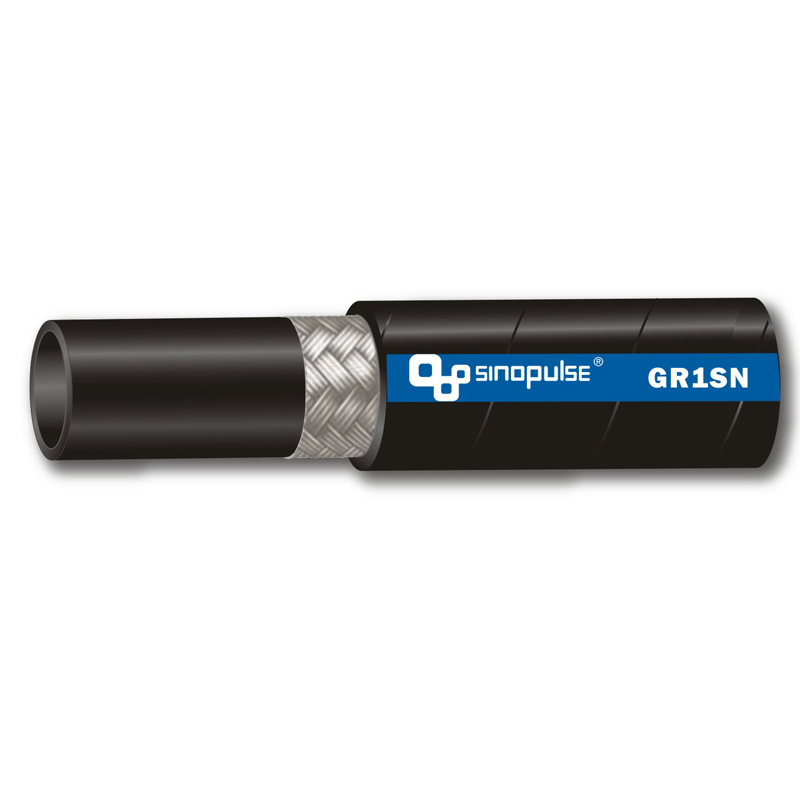
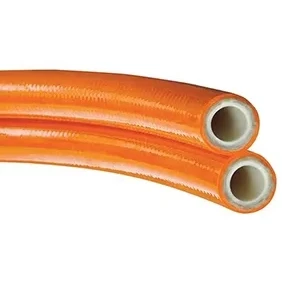
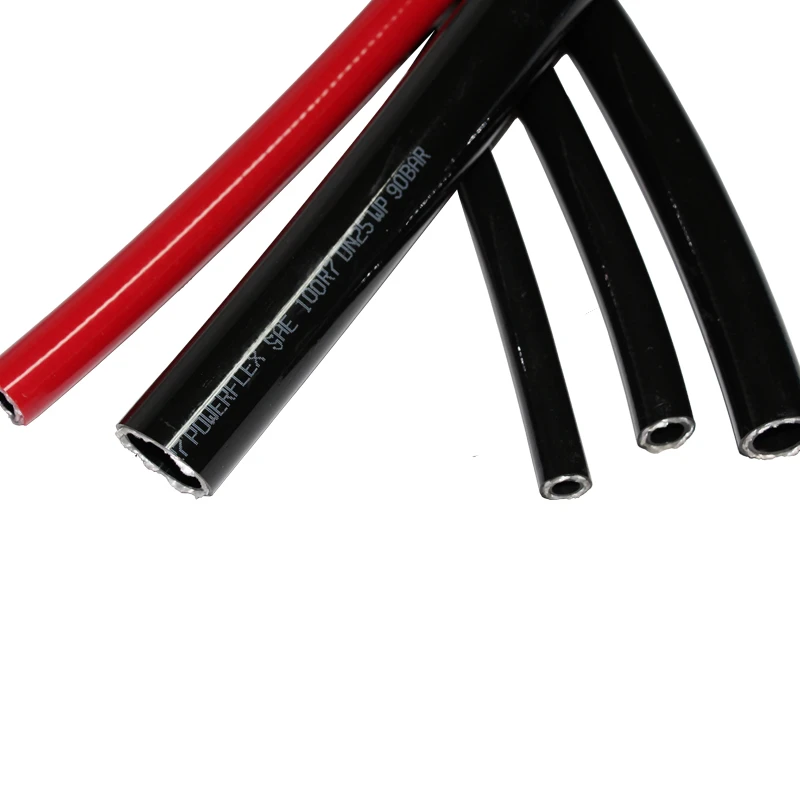
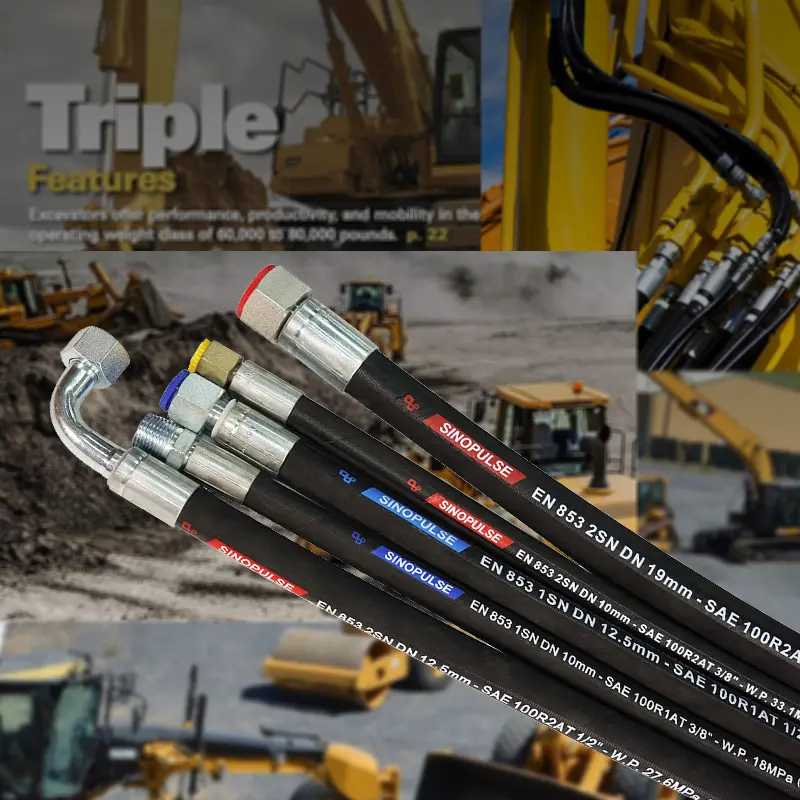
- Our hydraulic hose for sale covers a full range of options: wire-braided and spiral-wound high pressure hydraulic hose for heavy-duty industrial use, and flexible thermoplastic variants for compact systems.
- Customers must assess fluid type, temperature range, and environmental conditions to choose a hydraulic hose with compatible materials (e.g., rubber, PTFE, thermoplastic). By matching specifications to application demands, customers eliminate the risk of premature failure due to undersized ID, insufficient pressure capacity, or material incompatibility.
- Selecting compatible hydraulic fittings and ferrules (sleeves) is essential for creating leak-free connections in hydraulic hose assembly. HEBEI SINOPULSE TECH GROUP CO.,LTD. advises customers to pair hydraulic hose with fittings and ferrules designed for its construction, size, and pressure rating.
- For example, high pressure hydraulic hose requires heavy-duty fittings with robust ferrules that crimp securely to reinforcement layers, while standard hydraulic hose may use lighter fittings for low-pressure applications.
- Our hydraulic hose for sale is accompanied by compatibility charts, guiding customers to select fittings with matching thread types (JIC, NPT, metric) and ferrules that fit the hose’s outer diameter (OD) and inner structure. Using mismatched components can lead to connection failure, especially in high-pressure systems, so strict adherence to compatibility guidelines is non-negotiable for safe and reliable assembly.
- Precise measurement and cutting are critical steps to ensure the hydraulic hose fits seamlessly into the system during assembly. HEBEI SINOPULSE TECH GROUP CO., LTD. recommends using calibrated measuring tools to determine the required hose length, accounting for bending radii (to avoid kinking) and connection points.
- Cutting should be performed with sharp, specialized tools to create a clean, perpendicular edge—frayed or angled cuts can compromise fitting seating and cause leaks. For our high pressure hydraulic hose, which features dense reinforcement layers, we advise using dedicated cutters to prevent damage to internal structures.
- After cutting, the hose end should be cleaned to remove debris, ensuring a smooth surface for fitting installation. Proper measurement and cutting prevent issues like excessive tension or insufficient length, which can strain connections and reduce the hydraulic hose’s service life.
-
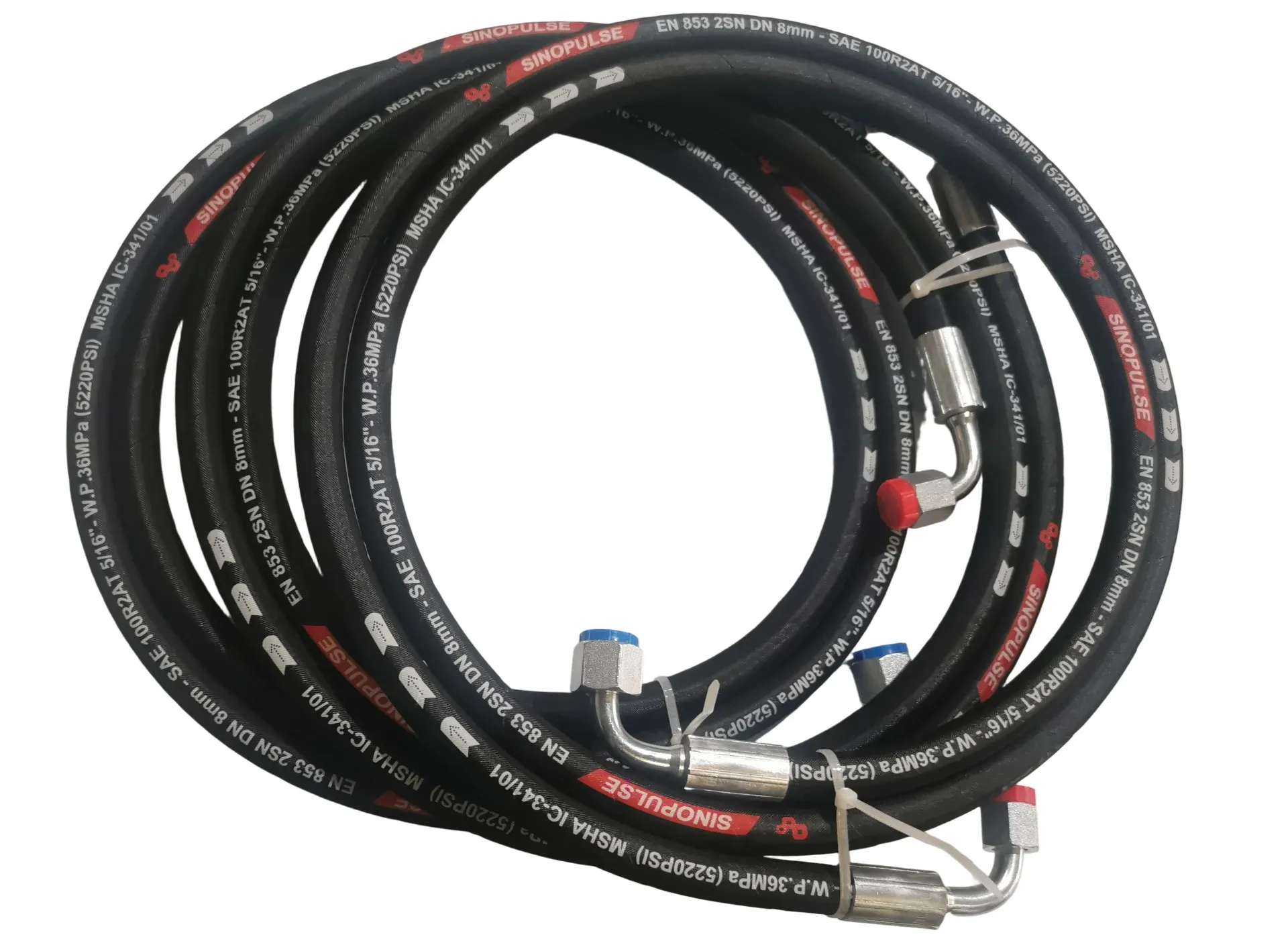
Select hydraulic hose specifications by assessing flow rate (to determine ID), system pressure (to match pressure rating), fluid type (for material compatibility), and environmental conditions. HEBEI SINOPULSE TECH GROUP CO., LTD. provides detailed specifications for hydraulic hose for sale, including standard compliance (SAE, EN) and compatibility guides. Consult our technical team to align specifications with your application, ensuring the hose can withstand operating demands and integrate seamlessly into your system.
Fitting and ferrule compatibility depends on the hydraulic hose’s construction (reinforcement type, OD), pressure rating, and thread requirements. HEBEI SINOPULSE TECH GROUP CO., LTD. offers compatibility charts for high-pressure hydraulic hose and standard variants, matching fittings to hose material and size. Key factors include thread type (JIC, NPT, metric), ferrule design (for skived/non-skived ends), and pressure capacity—using compatible components ensures secure, leak-free connections.
Skiving is required for high-pressure hydraulic hose with wire-braided or spiral-wound reinforcement to expose the reinforcement layer for secure fitting attachment. HEBEI SINOPULSE TECH GROUP CO., LTD. advises using specialized skiving tools to remove the outer cover and a thin layer of inner tube, avoiding damage to reinforcement. Follow the hose’s preparation instructions to ensure precise skiving depth—improper skiving can weaken the hose or cause fitting failure.
High pressure hydraulic hose assemblies undergo pressure testing at 1.5x the maximum working pressure, held for a specified duration to check for leaks or structural weakness. HEBEI SINOPULSE TECH GROUP CO., LTD. uses calibrated testing equipment to ensure accuracy, documenting results in test certificates. For standard hydraulic hose, testing confirms integrity at operating pressure—all assemblies must pass without leaks or pressure drop to meet our quality standards.
We provide comprehensive assembly support, including detailed guides for
hydraulic hose for sale, compatibility charts, and technical consultation. Our team offers advice on measurement, cutting, skiving/non-skiving, and crimping techniques. We also supply calibrated
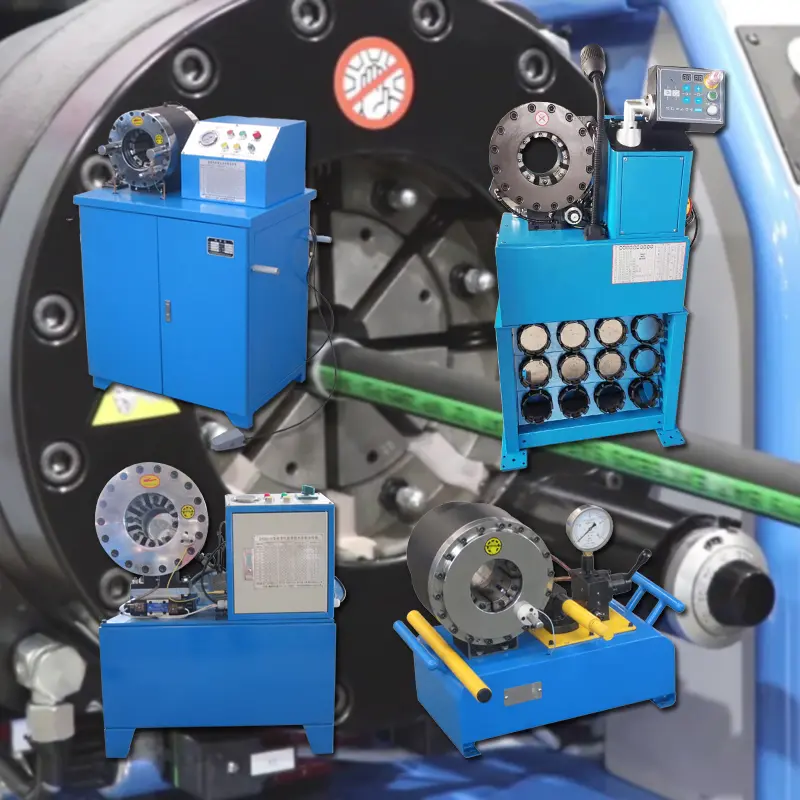
crimping tools and replacement parts, ensuring customers have the resources to achieve reliable, industry-compliant
hydraulic hose assemblies tailored to their specific needs.
OUR LATEST NEWS
Strict quality control strict production team to ensure stable products quality. Scientific personnel management, efficient production arrangements to ensure our timely delivery.
02-242026
Comprehensive Guide to Safe and Effective Brake Hose Replacement Procedures
Maintaining your vehicle’s braking system is crucial for safety, and a key component of this system is the brake hose. Over time, brake hoses can deteriorate due to age, exposure to the elements, and constant pressure. This guide provides a comprehensive overview of brake hose replacement, covering everything from identifying when replacement is necessary to the process itself. Ignoring worn brake hoses can lead to brake failure, so understanding the signs and knowing how to address them is vital. Hydraulic Hose Plus offers a wide selection of high-quality brake hoses to ensure your vehicle’s safety. Brake hoses are responsible for carrying brake fluid under high pressure to the brake calipers at each wheel. As they age, the rubber can become brittle, crack, or swell. This compromises their structural integrity and can lead to leaks, reduced braking efficiency, or even complete brake failure. Regular inspection and timely replacement of brake hoses are essential safety measures. Signs of deterioration include visible cracks, blisters, bulges, or leaks, as well as a spongy brake pedal feel. Delaying brake hose replacement can significantly increase stopping distances and put you and others at risk.
02-112026
Comprehensive Guide to Silicone Auto Hoses for Enhanced Vehicle Performance
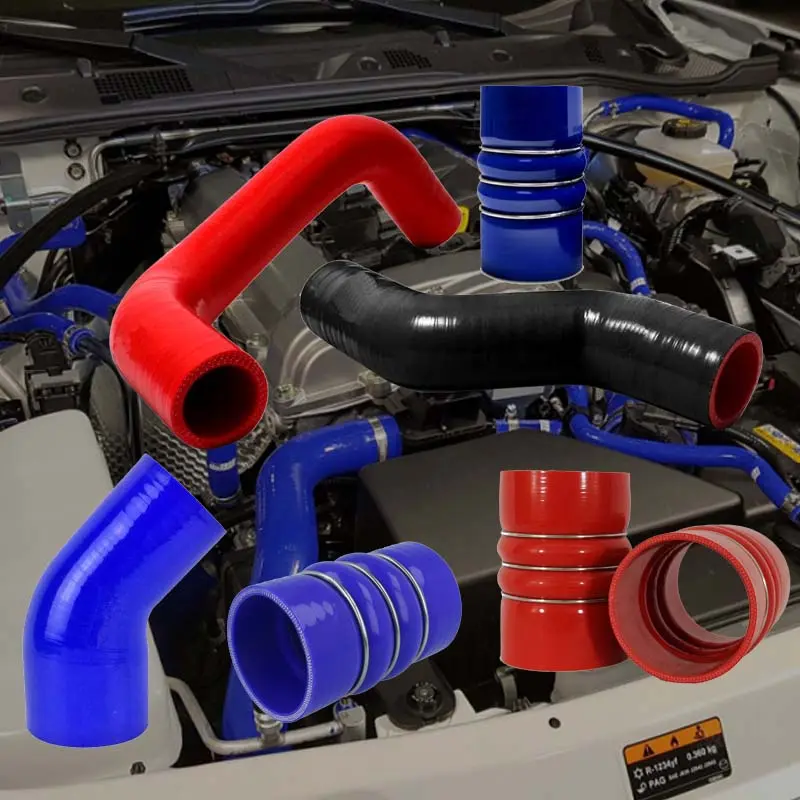
In the world of automotive performance and reliability, the often-overlooked component of the engine cooling and intake systems – the auto hose – plays a critical role. Traditional rubber hoses are prone to degradation from heat, oil, and pressure. This is where silicone auto hoses come into play, offering a superior alternative. This article delves into the benefits, applications, and considerations for choosing silicone hoses, providing a detailed overview for automotive enthusiasts, mechanics, and anyone looking to enhance their vehicle's performance. Ensuring your cooling and intake systems are equipped with quality hoses is crucial for preventing costly engine damage and maintaining optimal vehicle operation. Compared to traditional rubber hoses, silicone auto hoses offer a multitude of benefits. They exhibit exceptional resistance to high temperatures, often withstanding temperatures up to 500°F (260°C) without degradation. This is particularly important in modern engines that generate significant heat. Silicone also doesn’t swell or crack when exposed to oil, coolant, or other automotive fluids. This durability translates to a longer lifespan, reducing the frequency of replacements and saving you money in the long run.