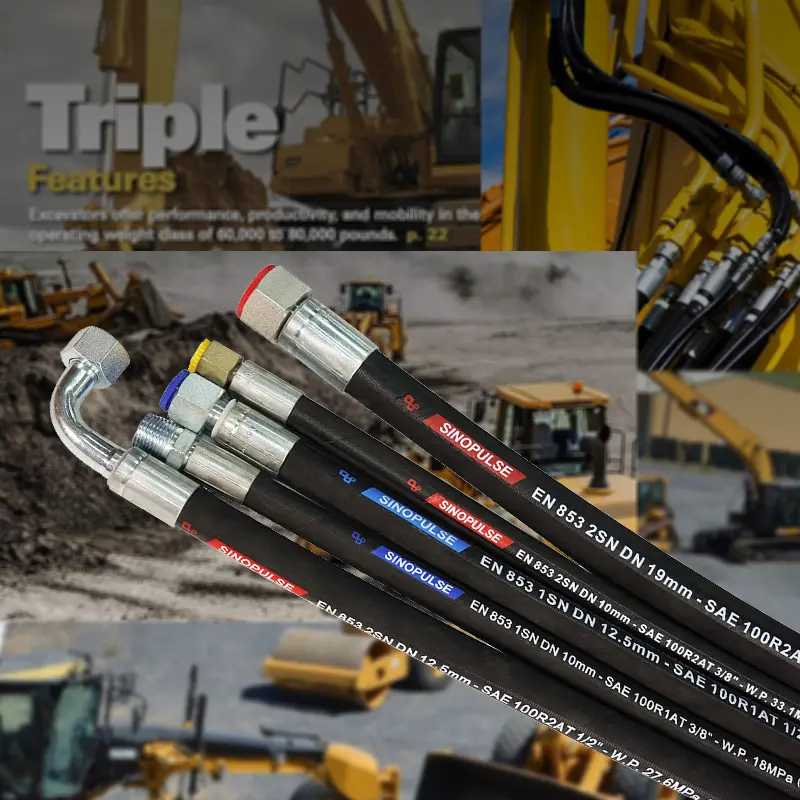
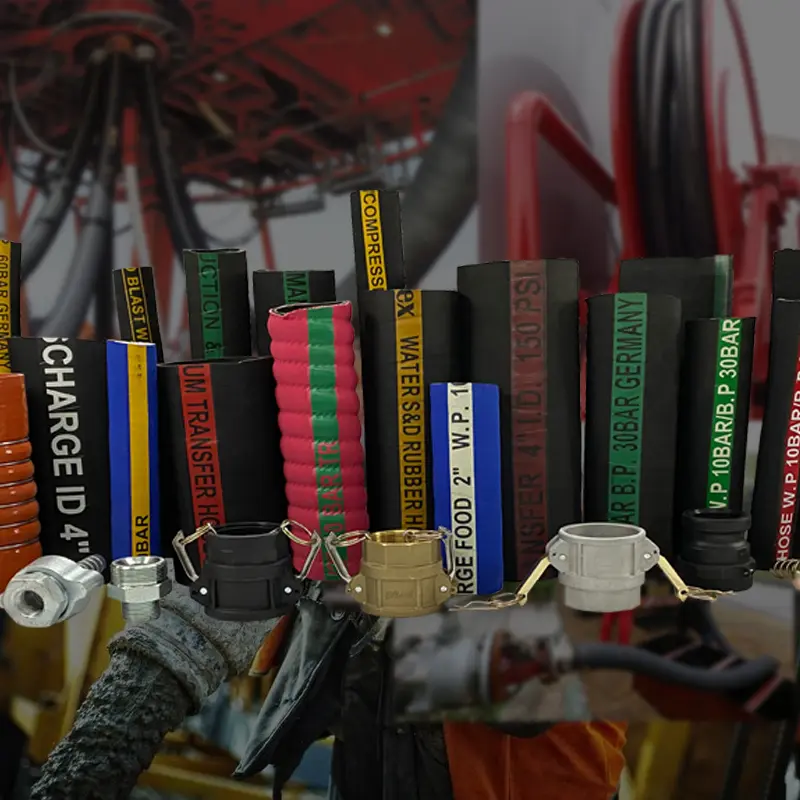
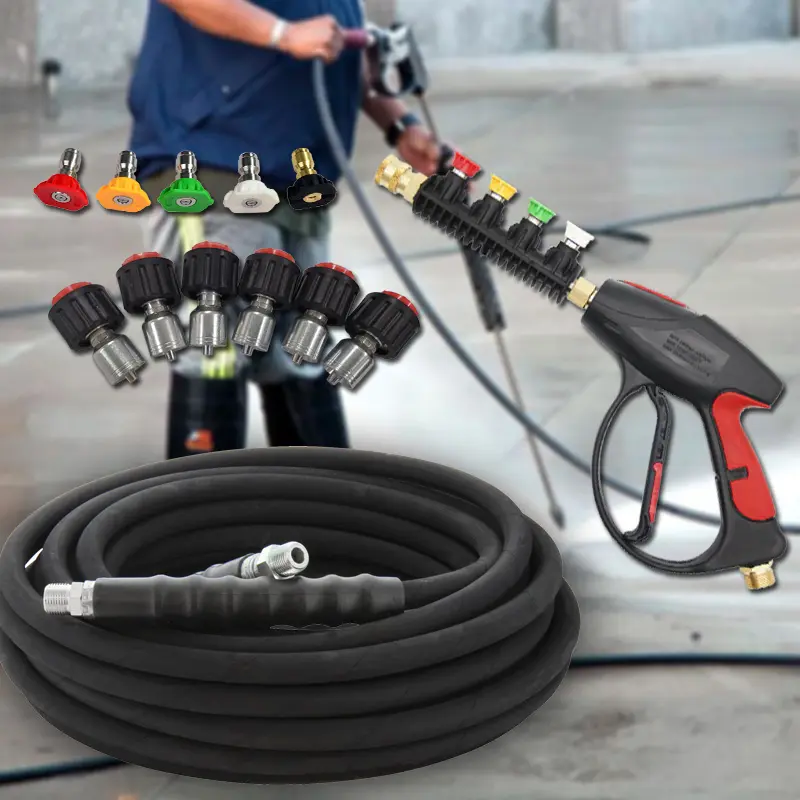
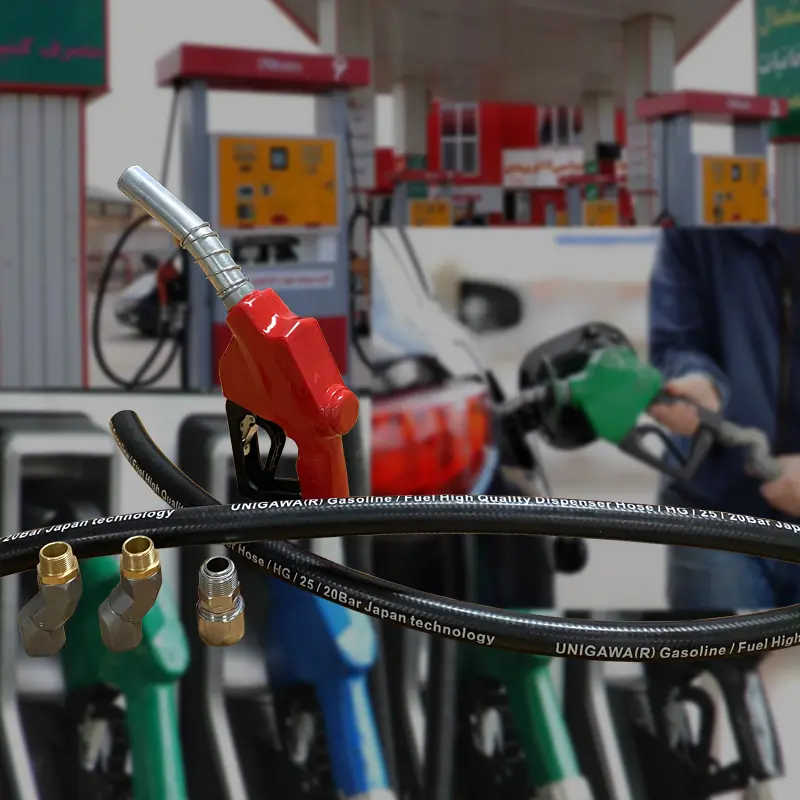
As a professional supplier of industrial fluid transfer solutions, HEBEI SINOPULSE TECH GROUP CO.,LTD. is dedicated to helping customers minimize operational downtime by preventing hydraulic hose leaks. Our high-quality hydraulic hose pipe and expert guidance on selection, installation, and maintenance empower industries to ensure reliable performance of hydraulic systems. Leaks in hydraulic hose can lead to safety hazards, fluid waste, and costly repairs—so addressing risk factors across every stage of the hose lifecycle is critical. This article outlines actionable strategies to prevent leaks through informed choices, proper installation, and proactive maintenance.
- HEBEI SINOPULSE TECH GROUP CO.,LTD. emphasizes that leak prevention begins with selecting the correct hydraulic hose and ensuring compatibility with system requirements. Key factors include matching the hose’s pressure rating to the system’s operating pressure (critical for high-pressure applications), selecting material compatible with the fluid (oil, chemicals, water), and choosing the appropriate inner diameter (ID) to avoid flow restriction.
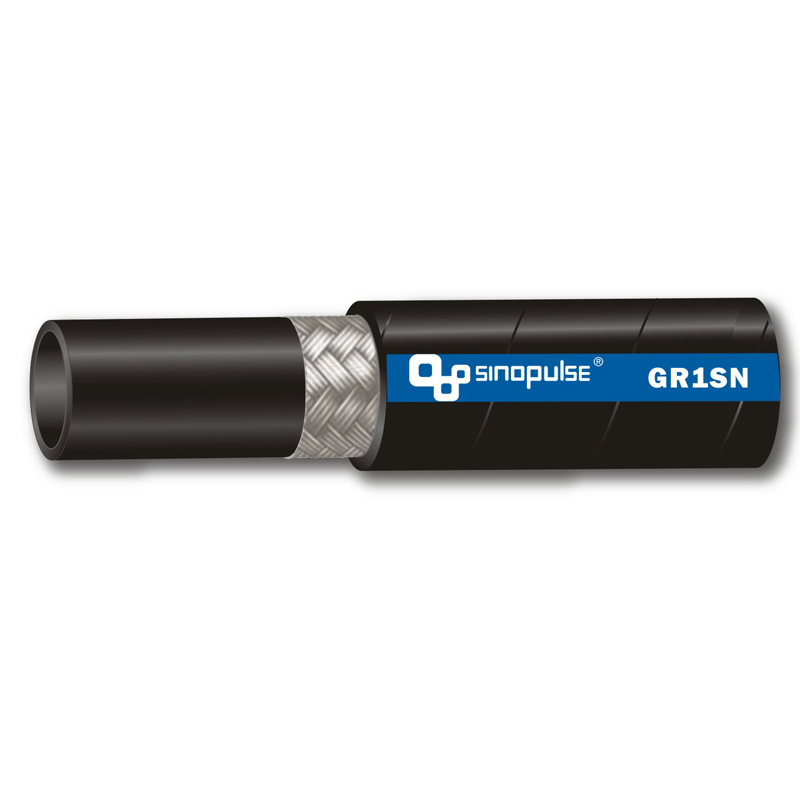
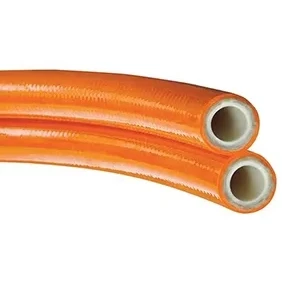
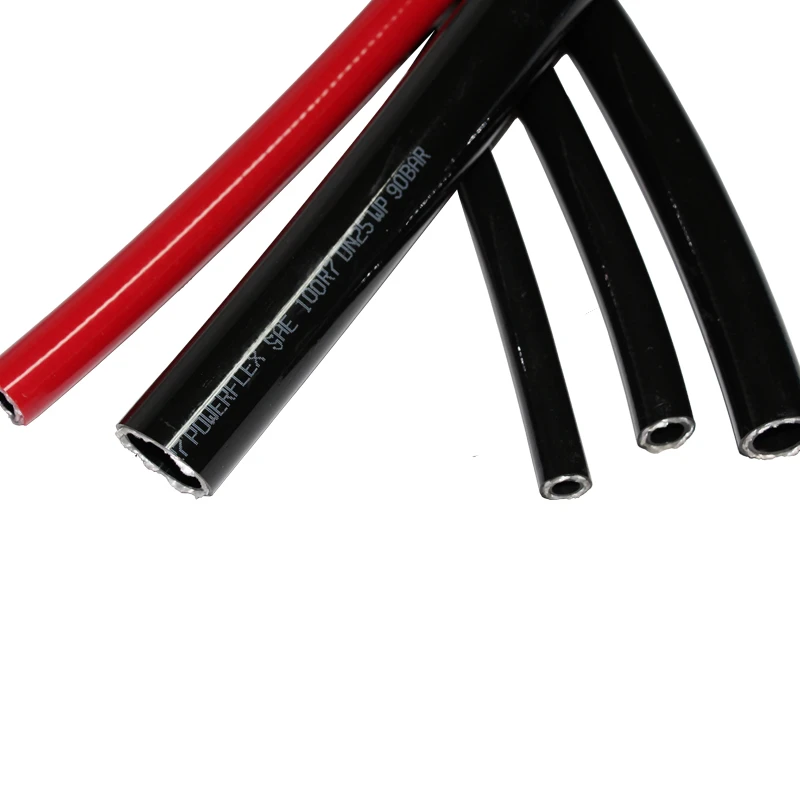
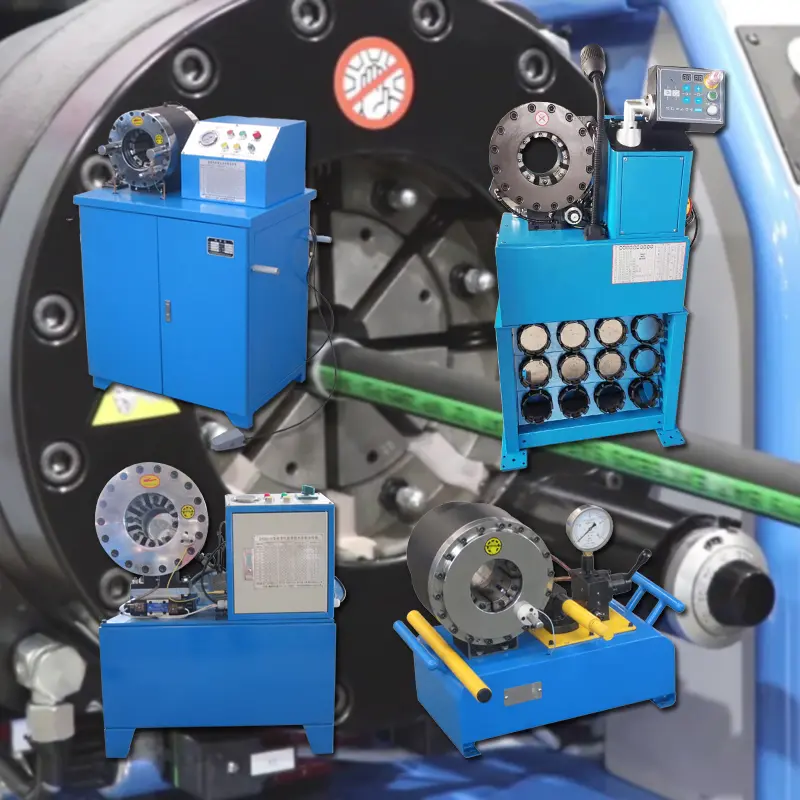
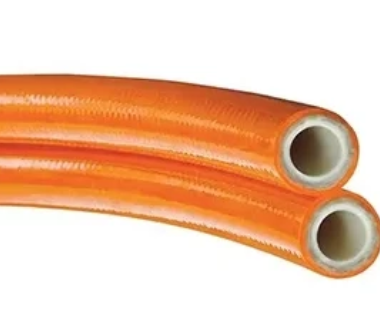
- Our hydraulic hose pipe lineup includes wire-braided, spiral-wound, and thermoplastic variants, each engineered for specific pressure ranges and environments. Additionally, ensuring compatibility with fittings and ferrules is essential—mismatched components create weak points that lead to leaks. We provide detailed specifications and compatibility charts for all hydraulic hose products, helping customers avoid common selection mistakes that compromise seal integrity and lead to premature leaks.
- Proper installation is a critical barrier against hydraulic hose leaks, as incorrect techniques create stress points and compromised connections. HEBEI SINOPULSE TECH GROUP CO.,LTD. recommends following industry best practices: ensuring the hydraulic hose pipe is routed with adequate bending radius (avoiding kinks that damage internal structures), securing the hose with clamps to prevent abrasion against machinery, and aligning fittings properly to avoid torque during assembly.
- Over-tightening fittings can deform seals, while under-tightening leaves gaps—both common leak causes. Our technical team provides installation guidelines tailored to each hydraulic hose type, emphasizing the use of calibrated tools for crimping and torque. For high-pressure systems, we advise checking alignment and routing to prevent hose fatigue from vibration, which can degrade connections over time. Proper installation ensures the hydraulic hose pipe operates within its design limits, minimizing leak risks.
- Proactive maintenance and regular inspection are key to identifying potential leaks before they occur, extending the lifespan of hydraulic hose assemblies. HEBEI SINOPULSE TECH GROUP CO.,LTD. recommends establishing a routine inspection schedule to check for signs of wear: cracks or bulges in the outer cover, corrosion on fittings, fluid seepage around connections, and hose stiffness or brittleness.
- Our hydraulic hose products are designed with durable outer covers that resist abrasion and environmental damage, but regular checks help catch issues early. Additionally, fluid analysis can identify contamination that accelerates hose degradation, while replacing hoses at recommended intervals (even if no visible damage is present) prevents unexpected failures. We also provide guidance on proper storage of spare hydraulic hose pipe—protecting from sunlight, extreme temperatures, and chemicals—to maintain material integrity until installation.
Selecting hydraulic hose material compatible with the fluid prevents chemical degradation of the inner tube and seals, a common leak cause. HEBEI SINOPULSE TECH GROUP CO.,LTD. offers chemical-resistant options (e.g., PTFE-lined hoses) that withstand corrosive fluids, avoiding cracks or porosity in the tube. Matching material to fluid type ensures the hose maintains structural integrity, preventing leaks caused by material breakdown over time.
Common installation mistakes include improper bending (kinking the hose), over-tightening or under-tightening fittings, misalignment of connections, and insufficient support against vibration. HEBEI SINOPULSE TECH GROUP CO.,LTD. notes these errors create stress points, deform seals, or damage reinforcement layers—all leading to leaks. Following our installation guidelines, using calibrated tools, and ensuring proper routing minimizes these risks for hydraulic hose pipe assemblies.
Hydraulic hose should be inspected regularly—monthly for high-use systems, quarterly for standard applications. HEBEI SINOPULSE TECH GROUP CO.,LTD. advises checking for outer cover damage (cracks, bulges), fluid seepage around fittings, corrosion, and hose stiffness. Early detection of these signs allows for proactive replacement, preventing leaks and avoiding costly downtime in industrial operations.
Yes, environmental protections like abrasion sleeves, heat shields, and chemical-resistant covers significantly reduce leak risks. HEBEI SINOPULSE TECH GROUP CO.,LTD. explains these measures protect hydraulic hose from punctures, temperature damage, and chemical degradation—common environmental causes of leaks. For harsh environments, pairing protective accessories with specialized hoses (e.g., heat-resistant variants) creates a robust defense against leaks.
Professional hydraulic hose repair uses genuine components, calibrated tools, and proper installation techniques to address the root cause of leaks. HEBEI SINOPULSE TECH GROUP CO.,LTD. notes temporary fixes (tape, sealants) mask issues and fail under pressure, leading to recurring leaks. Our repair guidelines ensure replacements meet system specifications, restoring integrity and preventing safety hazards associated with unreliable fixes.
OUR LATEST NEWS
Strict quality control strict production team to ensure stable products quality. Scientific personnel management, efficient production arrangements to ensure our timely delivery.
02-242026
Comprehensive Guide to Safe and Effective Brake Hose Replacement Procedures
Maintaining your vehicle’s braking system is crucial for safety, and a key component of this system is the brake hose. Over time, brake hoses can deteriorate due to age, exposure to the elements, and constant pressure. This guide provides a comprehensive overview of brake hose replacement, covering everything from identifying when replacement is necessary to the process itself. Ignoring worn brake hoses can lead to brake failure, so understanding the signs and knowing how to address them is vital. Hydraulic Hose Plus offers a wide selection of high-quality brake hoses to ensure your vehicle’s safety. Brake hoses are responsible for carrying brake fluid under high pressure to the brake calipers at each wheel. As they age, the rubber can become brittle, crack, or swell. This compromises their structural integrity and can lead to leaks, reduced braking efficiency, or even complete brake failure. Regular inspection and timely replacement of brake hoses are essential safety measures. Signs of deterioration include visible cracks, blisters, bulges, or leaks, as well as a spongy brake pedal feel. Delaying brake hose replacement can significantly increase stopping distances and put you and others at risk.
02-112026
Comprehensive Guide to Silicone Auto Hoses for Enhanced Vehicle Performance
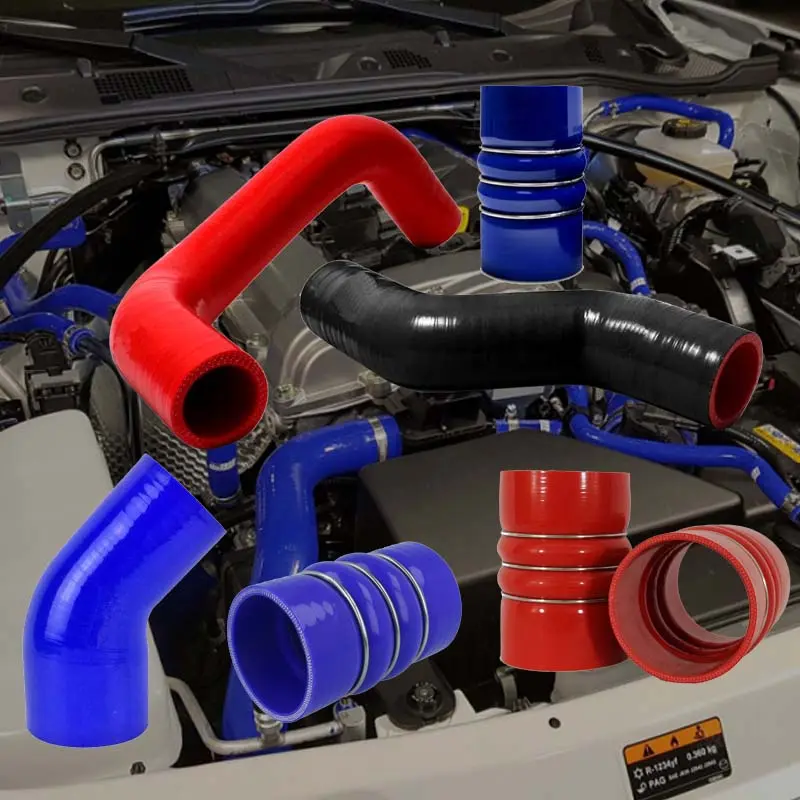
In the world of automotive performance and reliability, the often-overlooked component of the engine cooling and intake systems – the auto hose – plays a critical role. Traditional rubber hoses are prone to degradation from heat, oil, and pressure. This is where silicone auto hoses come into play, offering a superior alternative. This article delves into the benefits, applications, and considerations for choosing silicone hoses, providing a detailed overview for automotive enthusiasts, mechanics, and anyone looking to enhance their vehicle's performance. Ensuring your cooling and intake systems are equipped with quality hoses is crucial for preventing costly engine damage and maintaining optimal vehicle operation. Compared to traditional rubber hoses, silicone auto hoses offer a multitude of benefits. They exhibit exceptional resistance to high temperatures, often withstanding temperatures up to 500°F (260°C) without degradation. This is particularly important in modern engines that generate significant heat. Silicone also doesn’t swell or crack when exposed to oil, coolant, or other automotive fluids. This durability translates to a longer lifespan, reducing the frequency of replacements and saving you money in the long run.