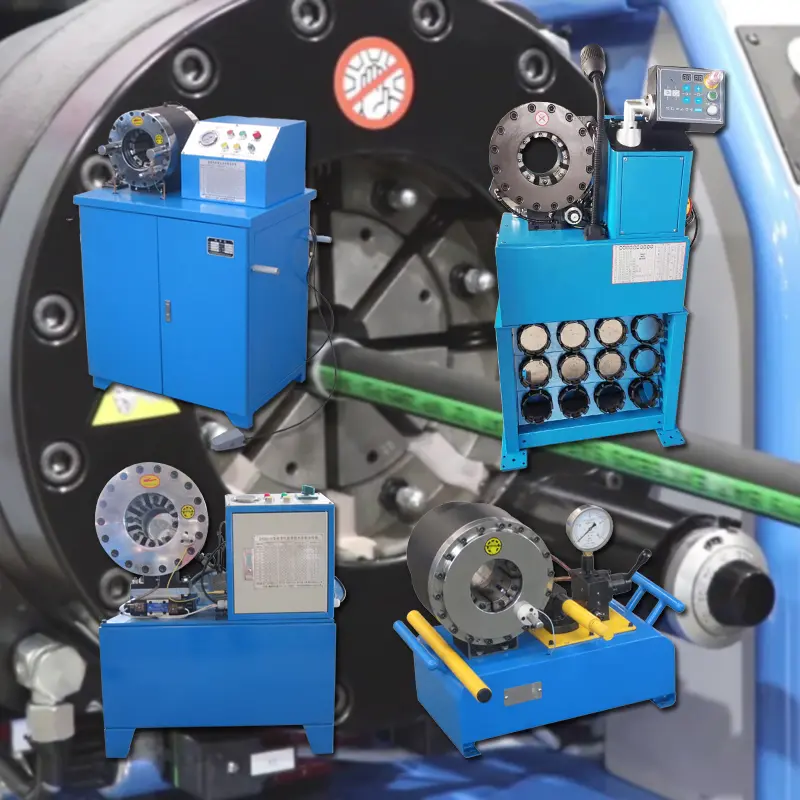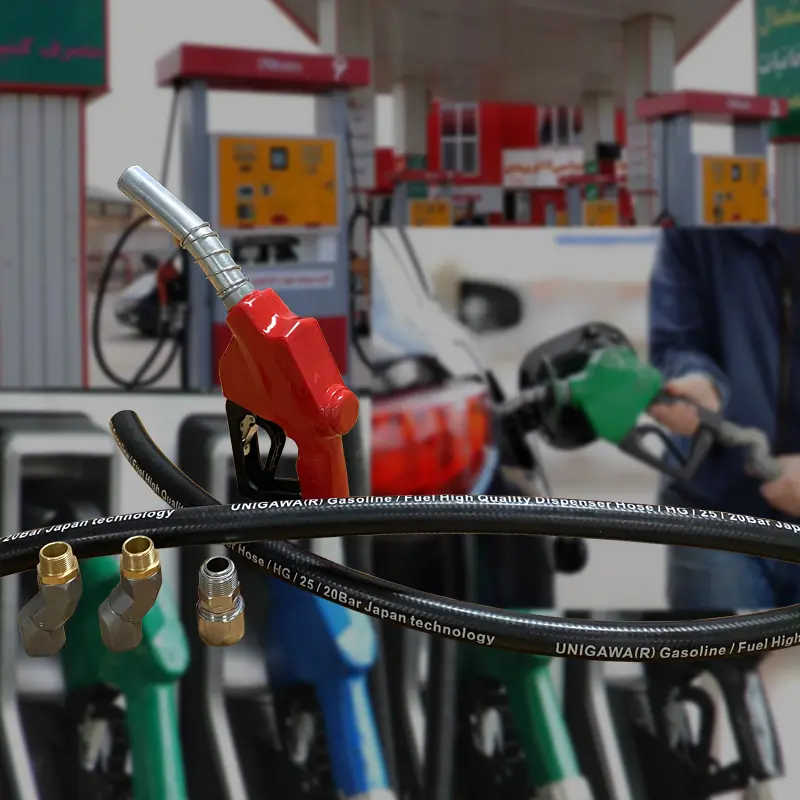


Hydraulic hoses are critical components in virtually every hydraulic system, from industrial machinery and forklifts to construction equipment and mobile hydraulics. Ensuring the quality of these hoses is not just about compliance—it is essential for safety, efficiency, and long-term performance. A poorly manufactured or improperly selected hose can lead to leaks, system failure, and even serious accidents. This guide will explain why hydraulic hose quality matters, how standards and certifications form the foundation of reliability, and how suppliers ensure consistent high-quality hydraulic hoses.
Why Hydraulic Hose Quality Matters
Hydraulic hoses perform the essential role of transmitting power and fluids within a hydraulic system. hydraulic pressure hose carries fluid under high pressure from pumps to actuators, while hydraulic return hose sends the hydraulic fluid, after it has performed work in the hydraulic actuator (such as a hydraulic cylinder), back to the oil tank, enabling continuous circulation of the hydraulic fluid. Both are critical to ensuring smooth, efficient operation.
Poor-quality hoses can fail due to weak reinforcement layers, inferior rubber compounds, or incompatible fittings. Such failures may lead to sudden bursts, leaks, or contamination of hydraulic fluids. For forklifts and other mobile machinery, failure of a forklift hydraulic hose can compromise safety, causing uncontrolled movements or equipment downtime.
High-quality hoses reduce the frequency of maintenance, enhance operational efficiency, and prevent unexpected downtime. Industrial applications often use high pressure hose capable of handling high pressures in steel or heavy-duty hydraulic systems. Using hoses that meet exact pressure and temperature ratings ensures operational integrity and safety.
Hydraulic hose failures are not just inconvenient—they are costly. A single burst can lead to hydraulic fluid spills, equipment damage, lost production hours, and potential injuries. Selecting high-quality hoses and maintaining them properly is therefore an investment in both safety and productivity.
From Standards to Certification: The Foundation of Quality
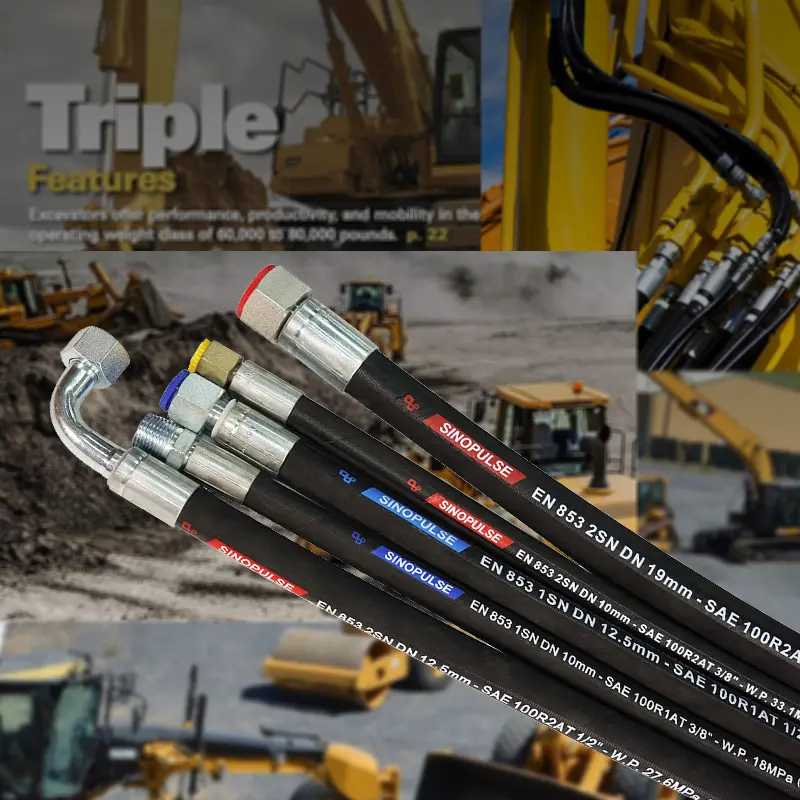
Ensuring hydraulic hose quality begins with adherence to established standards and certifications. International standards such as ISO 18752, SAE J517, and EN 853 define requirements for hose construction, pressure ratings, materials, and testing methods. Compliance with these standards ensures hoses are capable of performing safely under specified operating conditions.
Certification involves rigorous testing, including burst pressure, impulse cycles, abrasion resistance, and temperature tolerance. Certified hoses are more reliable, safer, and more likely to withstand harsh environments such as extreme heat, chemical exposure, and heavy mechanical stress.
Hydraulic hose fittings play a crucial role in connecting hoses to pumps, valves, cylinders, and other system components. Choosing the correct fitting type—threaded, crimped, or quick-connect—is critical for safe and efficient operation.
-
Threaded fittings provide secure connections but require precise tightening to prevent leaks.
-
Crimped fittings are permanently attached and ideal for high-pressure applications, ensuring reliable connections.
-
Quick-connect fittings allow fast assembly and disassembly, suitable for mobile equipment and temporary setups.
Spiral hydraulic hoses, designed for durability and flexibility, require compatible fittings that complement their structural characteristics. Industrial high-pressure hoses often pair with crimped fittings for maximum reliability. Selecting fittings that match hose size, thread type, and system requirements ensures leak-free operation and protects overall system integrity.
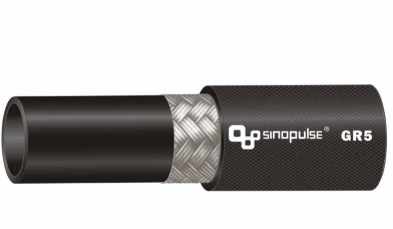
How We Ensure Hydraulic Hose Quality
Sinopulse, as a professional manufacturer of hydraulic hoses, guarantees quality through various aspects, including raw materials, production processes, and quality control systems.
Raw Material Control: We select high-quality raw materials, including rubber and steel wire/fiber reinforcement layers. Our steel wires are sourced from N.V. Bekaert S.A, XINGDA, and DAYE, the most famous domestic brands. Each batch of rubber raw materials undergoes comprehensive testing for hardness, tensile strength, and other properties. The reinforcement layer is also tested for tensile strength, and the pull-out force between the two materials is also tested. Only after all tests are passed can the materials enter production.
Advanced Production Equipment: We use advanced German braiding and winding machines, which are computer-controlled and highly precise, strictly controlling the braiding angle to make the reinforced hydraulic hoses more durable.
Strict Quality Control: In addition to using high-quality materials, Sinopulse implements rigorous testing procedures throughout the hose manufacturing process. Every stage of hose production is closely monitored to ensure that the hoses meet the required quality standards. Personnel sign off and record production information at every step, allowing us to trace the production date, operator, and machine used for every hose produced in our factory.
Post-Production Product Testing: The finished products undergo multiple tests, including visual inspection to ensure no protrusions and correct dimensions, pressure testing (working pressure, burst pressure, etc.), bending performance, and aging resistance testing. For special-purpose hoses, such as low-temperature hydraulic hoses, low-temperature testing is also performed. Samples are retained and sealed before shipment for quality traceability and re-inspection.
By combining premium materials, precise manufacturing, rigorous testing, and proper fittings, we ensure that every forklift hydraulic hose and industrial high-pressure hose performs reliably under demanding conditions.
Real-World Applications and Maintenance
High-quality hoses are essential in a wide range of hydraulic applications:
-
Forklifts and Material Handling: Hydraulic hoses transmit pressure to lift cylinders, steering systems, and attachments. A burst hose can halt operations and cause safety risks. Forklift hydraulic hose designed for high-pressure applications ensures reliable operation and extended service life.
-
Industrial Machinery: High-pressure systems in presses, injection molding machines, and CNC equipment rely on hydraulic pressure hose to maintain precise movements. Proper selection and fittings prevent leaks and ensure safety.
-
Construction and Mining Equipment: Heavy-duty machinery such as excavators and loaders requires durable hoses capable of handling extreme pressures, debris, and harsh environments. 5 8 high pressure hose is often used in these applications for its strength and reliability.
-
Agricultural and Mobile Equipment: Quick-connect fittings allow rapid hose replacement for mobile systems, reducing downtime and increasing operational efficiency.
Regular maintenance and inspection are critical. Signs of wear include cracks, bulges, leaks, and hardened or soft spots. Timely replacement as part of hydraulic hose service prevents failures, improves system reliability, and ensures worker safety.
Hydraulic Hose Service FAQs
What is the difference between hydraulic pressure hose and hydraulic return hose?
hydraulic pressure hose carries pressurized fluid from pumps to actuators, while hydraulic return hose carries fluid back to the reservoir at lower pressures. Each has different construction and material requirements for safety and performance.
How often should hydraulic hoses be inspected?
Hydraulic hoses should be inspected regularly for cracks, leaks, bulges, and wear. Immediate replacement is necessary when damage is detected to maintain safe hydraulic hose service.
Can forklift hydraulic hoses be replaced with standard industrial hoses?
Not recommended. forklift hydraulic hose is designed for mobile equipment, high pressure, and specific flexibility. Using a standard industrial hose may compromise safety and system performance.
Why are fittings important for hydraulic hoses?
Fittings connect hoses to pumps, valves, or cylinders. Proper fittings, including threaded, crimped, or quick-connect types, are critical for leak-free, safe operation and system integrity.
What is a 5 8 high pressure hose used for?
A 5 8 high pressure hose is typically used in industrial and heavy machinery applications to handle high pressures while maintaining flexibility and durability.
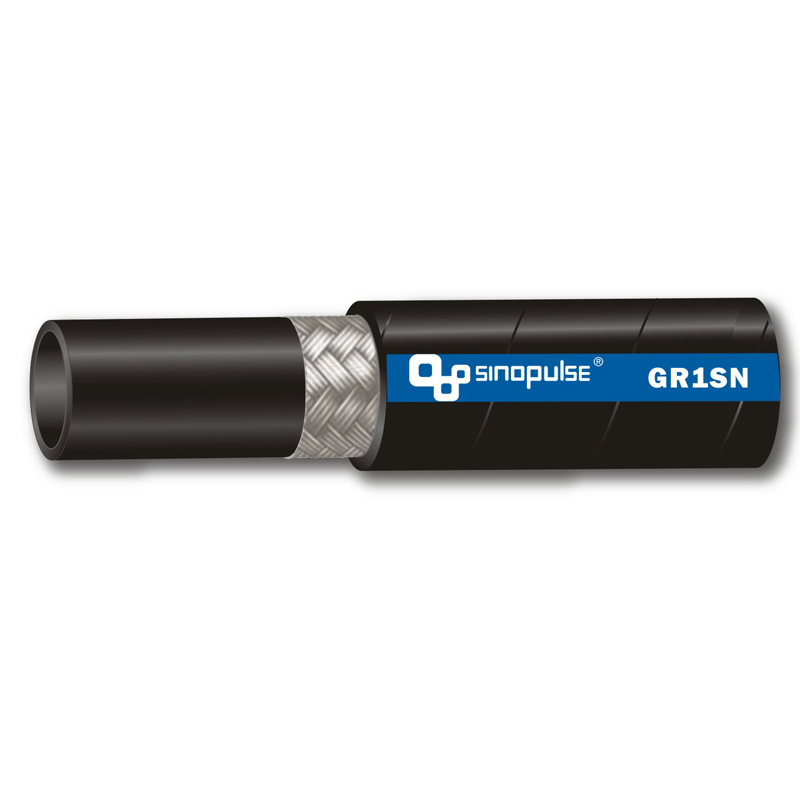
Product Application