

Choosing the right hose is critical for ensuring equipment efficiency, safety, and durability. Whether you need a hydraulic hose or an industrial hose, different applications, working pressures, and transported media require specific hose types. A wrong choice can lead to leaks, system failure, or even safety hazards. This guide will cover why hose selection matters, the STAMPED principle for choosing the right hose, tips for selecting hydraulic and industrial hoses, and a detailed comparison to help you decide which type suits your system best.
Why Choosing the Right Hose Matters
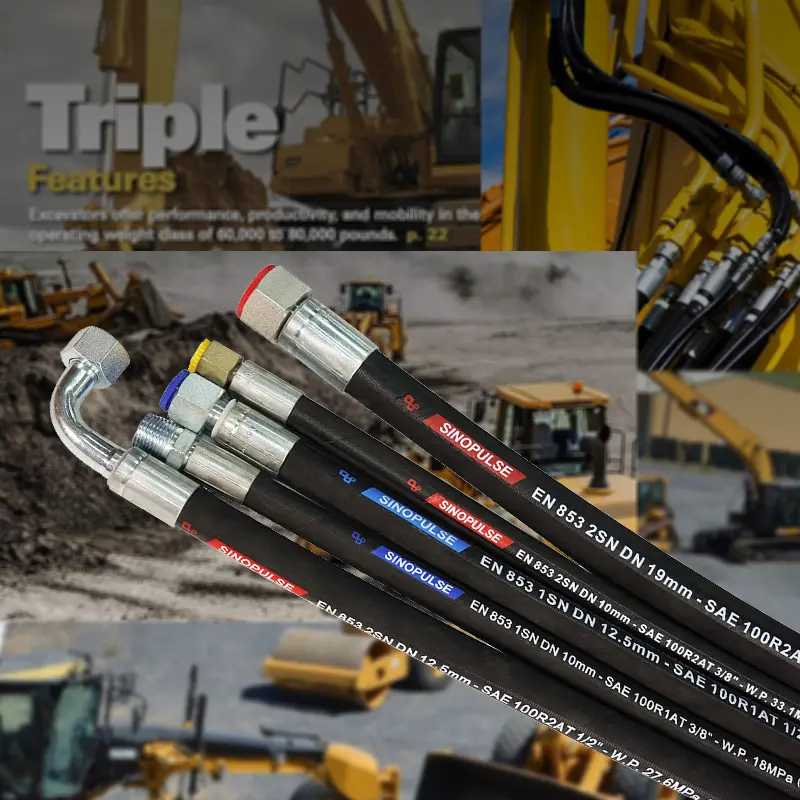
Hoses are essential components in machinery and industrial systems. They connect components, transmit power, or carry fluids and gases. A hydraulic hose is a pipe used to transport hydraulic oil or other liquids in hydraulic systems. It can withstand high pressure and high temperature, ensuring proper flow and pressure transmission. Hydraulic hoses are widely used in construction machinery, mining equipment, shipbuilding, and industrial automation systems.
Using the wrong hose can lead to leaks, bursts, or poor performance, potentially causing equipment damage or accidents. Even minor mismatches in diameter, material, or pressure rating can reduce system efficiency and safety. Therefore, understanding hose construction, properties, and application scenarios is essential for engineers, maintenance teams, and procurement specialists.
Core Selection Principles: STAMPED
When selecting a hose, the STAMPED principle helps guide decisions: Size, Temperature, Application, Medium, Pressure, Ends, Delivery.
-
Size: Proper hose diameter ensures optimal flow and prevents pressure drops or turbulence.
-
Temperature: Hoses must withstand both media and ambient temperature. Rubber hoses for hydraulic systems often operate between -40°C to 100°C, while industrial hoses may require higher or lower ranges depending on media.
-
Application: Decide if your system needs power transmission or material transport. Hydraulic hoses are suitable for high-pressure fluid power; industrial hoses focus on media handling.
-
Medium: The transported medium affects material selection. Oil, water, chemicals, or abrasives require different levels of chemical resistance, hardness, or abrasion protection.
-
Pressure: Hydraulic hoses must tolerate operating and peak pressures, sometimes exceeding 400 bar in heavy machinery. Industrial hoses must handle system pressures safely without bursting.
-
Ends: The type of hydraulic hose connector also influences the selection; choosing the appropriate hose connector is fundamental to a proper connection.
-
Delivery: Choosing a reliable hydraulic hose manufacturer can guarantee on-time delivery and ensure the normal operation of your equipment.
Following STAMPED ensures the hose is safe, efficient, and durable. It also reduces downtime, maintenance costs, and risk of accidents.
Hydraulic Hose Selection Tips
Hydraulic hoses are designed primarily to transmit power, so reliability and safety are critical. hydraulic hoses made to order can be tailored for specific operating pressures, media, and environmental conditions, ensuring optimal performance.
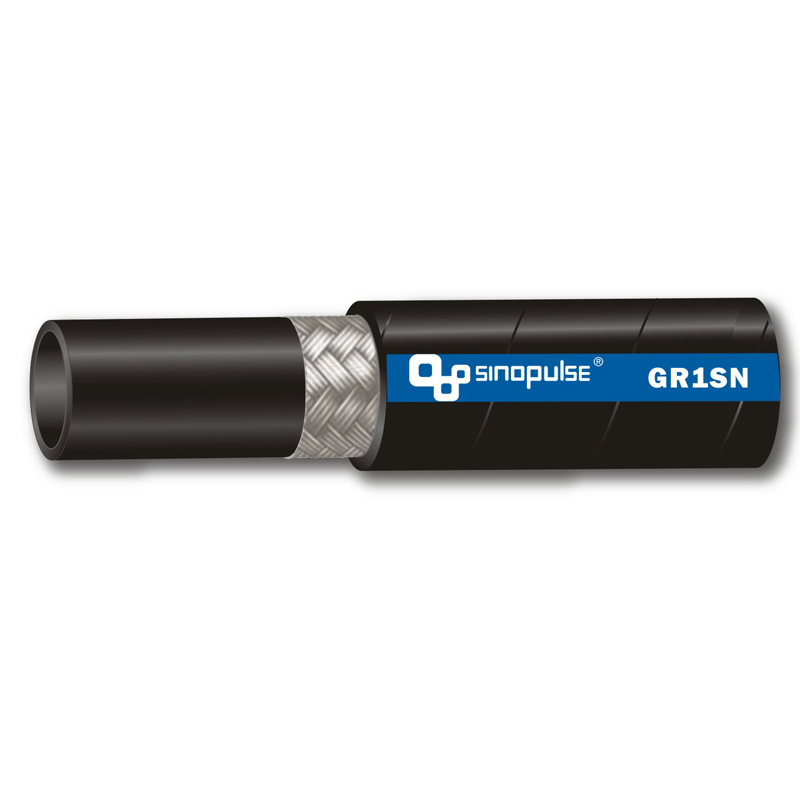
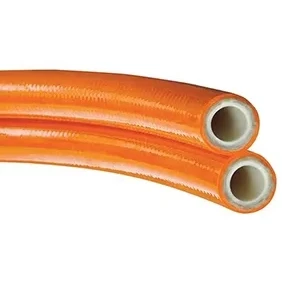
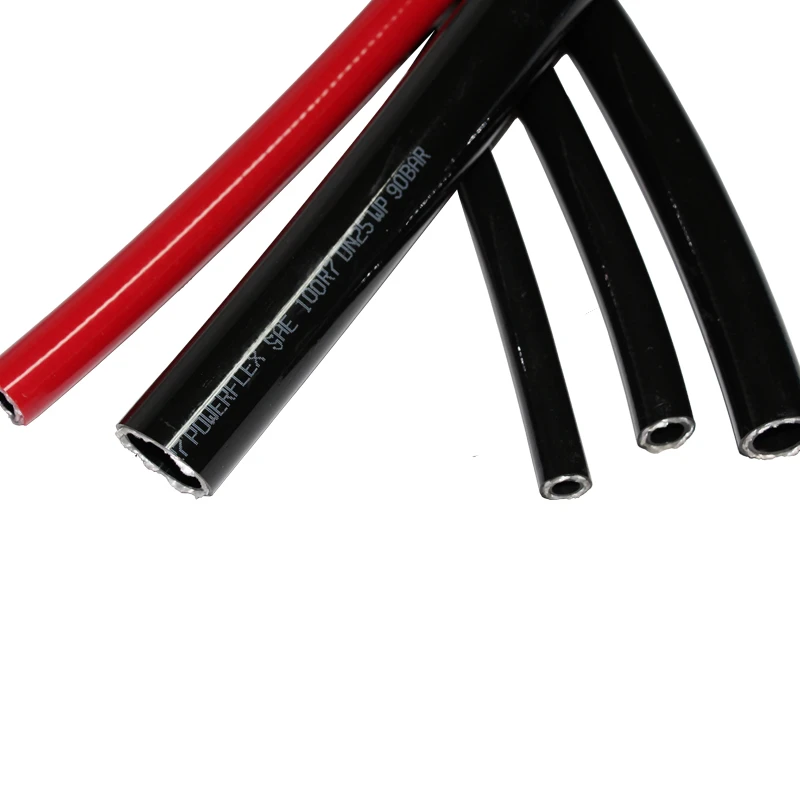
Hydraulic hoses typically consist of three layers: inner tube, reinforcement layer, and outer cover. The inner tube is made of oil-resistant, corrosion-resistant synthetic rubber, which protects against fluid reactions or chemical corrosion. The reinforcement layer, often steel wire braid or spiral, provides the strength needed to withstand high pressures. The outer cover resists abrasion, UV rays, chemical corrosion, and temperature changes, extending hose lifespan.
Choosing the right reinforcement structure is key. Single-wire braid hoses suit medium-pressure systems, double-wire braids are used in higher pressures, and four-wire spirals handle the highest pressures in industrial machinery. The hose’s bend radius, length, and flexibility also affect installation and performance.
Routine maintenance includes hydraulic hose replacement when cracks, leaks, bulges, or wear appear. Preventive replacement helps avoid sudden failures and ensures system reliability. For example, in construction equipment, a worn hydraulic hose could lead to uncontrolled hydraulic movements, posing safety risks and costly downtime.
Industrial Hose Selection Tips
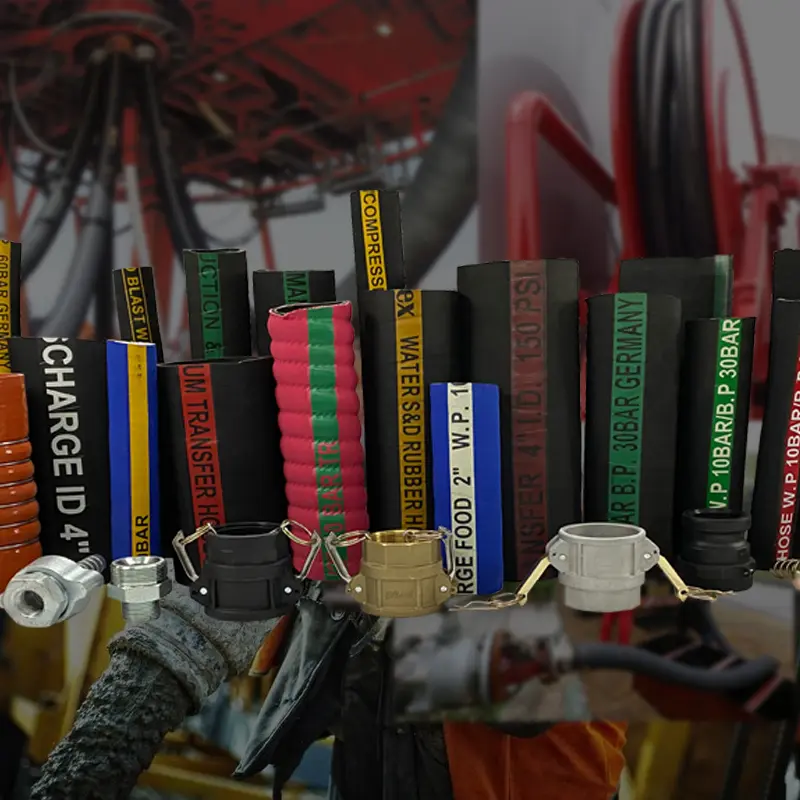
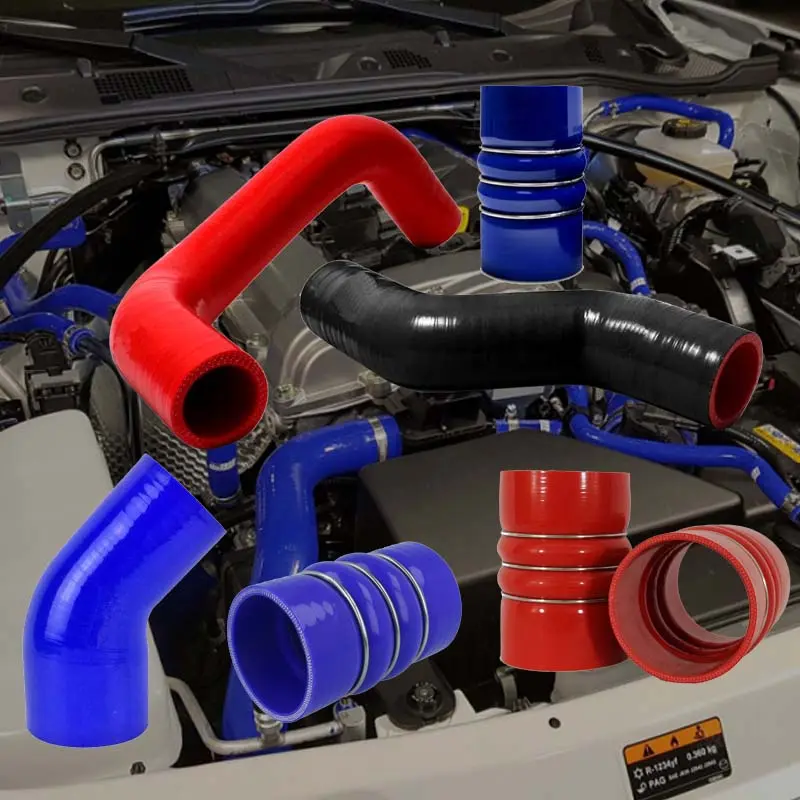
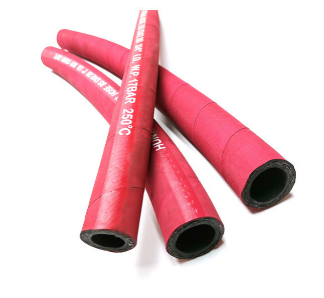
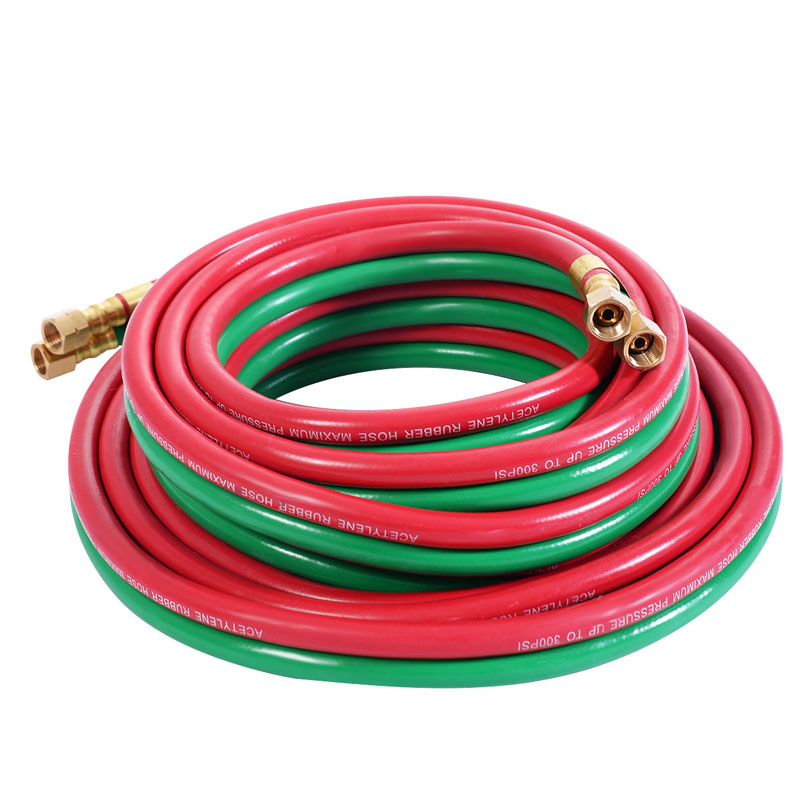
Industrial hoses are used mainly for transporting liquids, gases, or solids, and their primary function is safe and efficient media transport. Unlike hydraulic hoses, which focus on pressure transmission, industrial hoses emphasize material compatibility and wear resistance. custom automotive hoses are often designed for vehicles, machinery, or industrial systems to handle specific fluids or temperatures.
When selecting industrial hoses, consider automotive hose sizes, material compatibility, and temperature range. For chemical transport, hoses must resist corrosion from acids or alkalis. For high-temperature fluids like steam, heat-resistant rubber or PTFE hoses are suitable. Abrasive materials require hoses with wear-resistant inner linings to prevent premature failure.
Industrial hoses also come in various constructions: fabric-reinforced, wire-reinforced, and spiral-reinforced, depending on pressure and flexibility requirements. Proper fittings and connection types are critical to prevent leaks. Selecting hoses with appropriate bend radius ensures smooth flow and prevents kinking, which could reduce lifespan or block media flow.
Industrial hoses are widely used in manufacturing, food processing, chemical plants, and automotive industries. A tailored solution like custom automotive hoses can improve system reliability and efficiency while reducing maintenance needs.
Understanding the differences between hydraulic and industrial hoses helps make the right choice.
-
Hydraulic hoses: Designed for high-pressure power transmission. Must be oil-resistant, temperature-resistant, and strong enough to handle system peak pressures. Used in heavy machinery, construction, and shipbuilding. Multi-layer reinforcement ensures safe operation under high pressure.
-
Industrial hoses: Focus on safe and efficient material transport. Require compatibility with transported media, wear resistance, and chemical resistance. Pressure ratings are generally lower, but material choice is critical for safe operation.
If your system requires power transfer or high-pressure fluid control, a hydraulic hose is necessary. If transporting liquids, gases, or granular materials, an industrial hose is usually the better choice.
Suppliers can assist in choosing the right hose by providing information about transported media, working environment, pressure, and temperature. Tailored solutions such as hydraulic hoses made to order or custom automotive hoses ensure safety and efficiency, reduce downtime, and increase lifespan.
Hydraulic Hose Replacement FAQs
When should I choose a custom hydraulic hose?
If your system pressure, medium, or environment exceed standard hose specifications, hydraulic hoses made to order provide safe, reliable performance tailored to your needs.
How often should hydraulic hoses be replaced?
Inspect hoses regularly for cracks, leaks, bulges, or wear. hydraulic hose replacement should be performed immediately if signs of deterioration appear to prevent failure.
Can industrial hoses be used in automotive systems?
Yes. custom automotive hoses can be designed for vehicles or industrial machinery to ensure stable fluid or gas transport.
How do I determine the right hose size?
Measure the inner diameter, length, and connection type of the hose. Refer to automotive hose sizes for compatibility with equipment and fittings.
Can hydraulic and industrial hoses be used interchangeably?
Generally, no. Hydraulic hoses are designed for high pressure and oil resistance, while industrial hoses may not withstand the same operating conditions or fluid types.
Product Application