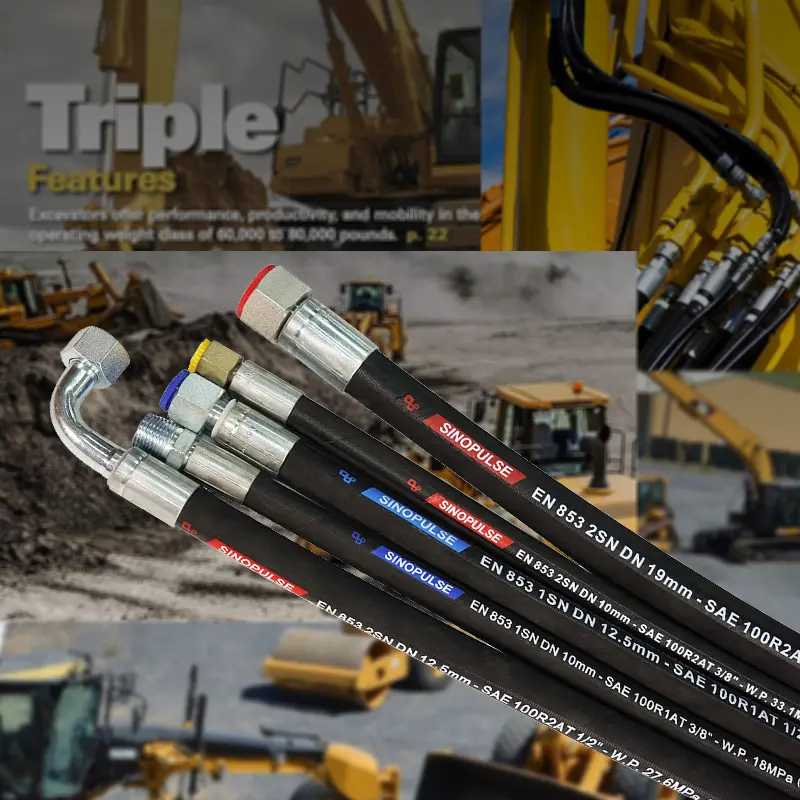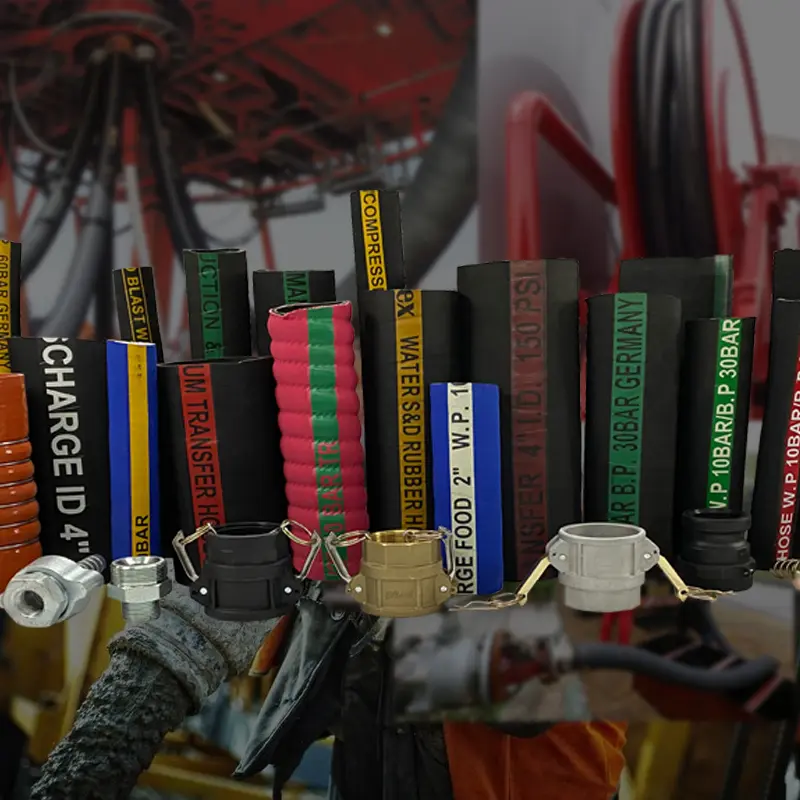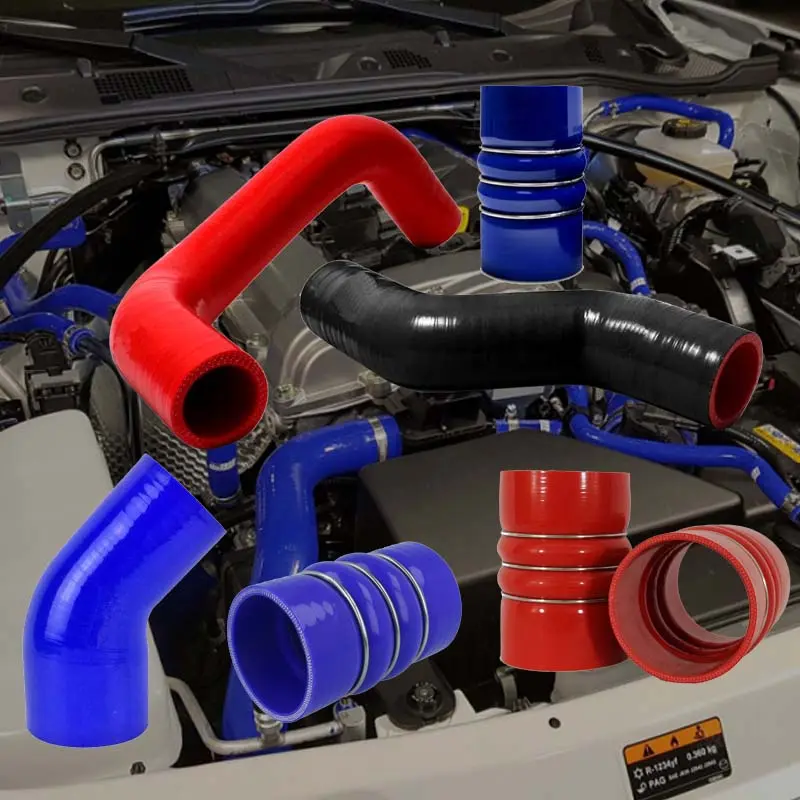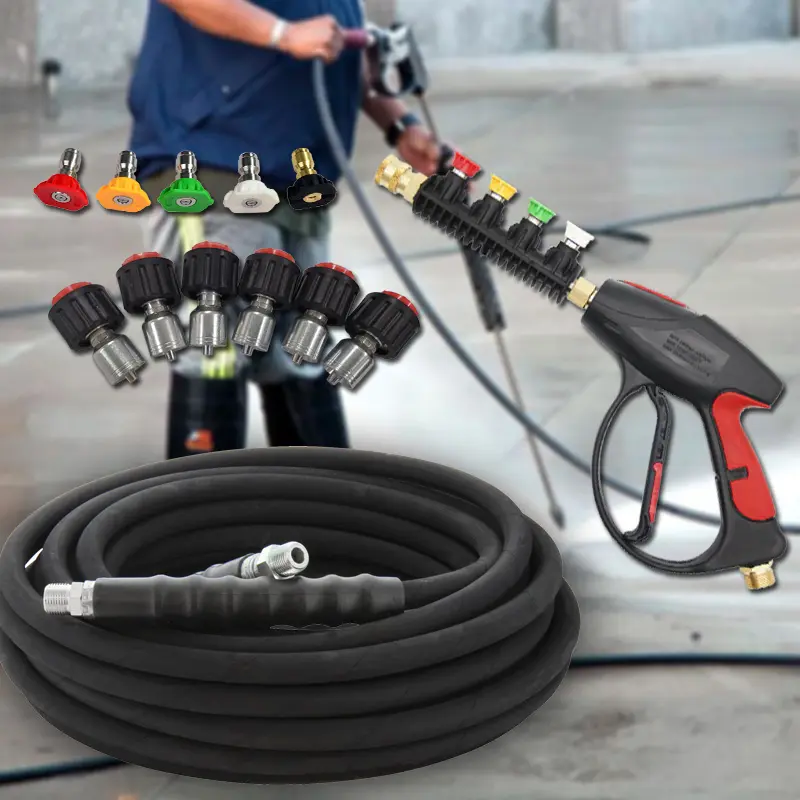


Hydraulic systems operate under high pressure and demanding conditions, making safety a top priority in system design, operation, and maintenance. Among all components, hydraulic hoses are particularly critical because they directly carry pressurized fluid throughout the system. Understanding why hydraulic hoses fail, the consequences of failure, and how to manage safety through proper inspection and maintenance is essential for reducing risk and protecting both equipment and personnel.
Why Hydraulic Hoses Fail
Hydraulic hose damage is rarely caused by a single factor. One of the most common reasons is improper selection. Hoses that are too short, excessively stretched, or incorrectly routed experience constant mechanical stress, which accelerates fatigue and cracking. When cost considerations such as hydraulic hose cost per foot become the primary decision factor, hose quality and suitability may be compromised, increasing the likelihood of premature failure.
Environmental exposure is another major cause. Continuous contact with high temperatures, UV radiation, chemicals, or abrasive surfaces gradually weakens the outer cover and reinforcement layers. Pressure spikes and vibration also play a significant role. Repeated pressure surges can exceed the hose’s design limits, particularly if lower-grade products are selected based solely on hydraulic hose price per metre without considering performance specifications.
Aging and lack of routine inspection further contribute to hose failure. Over time, internal materials degrade, even if no external damage is visible, making older hoses more susceptible to sudden rupture.
Consequences of Hydraulic Hose Damage
The failure of a hydraulic hose can have serious consequences. The most immediate risk is fluid leakage or hose burst, which may result in high-pressure oil injection injuries, fire hazards, or environmental contamination. These incidents often cause unplanned downtime and costly emergency repairs.
From an operational perspective, hose failure can damage pumps, valves, and actuators due to loss of pressure or contamination. When evaluating overall system expenses, focusing only on hydraulic pipe price may overlook the far greater costs associated with downtime, equipment damage, and safety incidents.
In industrial environments, repeated hose failures can also impact compliance with safety regulations and increase liability exposure, especially when high-pressure systems are involved.
How to Ensure Hydraulic System Safety
The safety of hydraulic hoses is a crucial component of hydraulic system safety. Without the reliable operation of hydraulic hoses, the overall safety of the hydraulic system is impossible. Compared to fixed components such as rigid pipes and valve blocks, hoses are subjected to continuous pulses, vibrations, bending, twisting, and friction during operation. This dynamic stress makes them more susceptible to fatigue and aging, thus their failure probability is much higher than that of static components. Therefore, maintaining the safety of hydraulic hoses is essential.
Correct selection:
Both the pressure and length should conform to the requirements of the hydraulic system. Select the appropriate hydraulic hose according to the application conditions.
Standardized installation:
Hoses should not be twisted during installation, and the bending radius should not be less than the minimum bending radius specified by the manufacturer. Allow for sufficient length to accommodate pressure pulses and equipment movement. Use clamps, fasteners, and protective sleeves as needed, and avoid direct contact with sharp edges and high-temperature surfaces.
Regular maintenance:
Inspect the hoses before each use, or weekly or monthly. Check for cracks, blistering, wear, loose connections, hardening of the hose, and abnormal noises. Replace any hose immediately if abnormalities are found; do not continue using it.
Enhanced safety awareness:
Provide regular basic safety training for operators to ensure proper operation. Address any problems with the hydraulic system promptly to avoid greater losses such as downtime and personal injury.
When Hydraulic Hoses Should Be Inspected
Regular inspection is a key element of hydraulic safety management. Hoses should be visually inspected before equipment startup, especially in systems operating under high pressure or harsh conditions. Any signs of abrasion, blistering, cracking, leakage, or loose fittings require immediate attention.
Scheduled inspections should also be conducted as part of preventive maintenance programs. Systems with frequent pressure fluctuations or high operating temperatures may require more frequent checks. Even if hose performance appears normal, replacement should be considered once the hose reaches the end of its recommended service life, regardless of hydraulic hose cost per foot or replacement pricing considerations.
Early detection of wear not only prevents catastrophic failure but also allows planned maintenance, minimizing downtime and ensuring continuous safe operation.
Hydraulic hose safety is a critical aspect of overall system reliability and workplace safety. Hose failures often result from improper selection, installation, or maintenance rather than unavoidable wear. By understanding failure causes, recognizing the consequences of damage, implementing proper safety measures, and conducting regular inspections, operators can significantly reduce risks. Choosing hoses based on performance rather than just hydraulic hose price per metre, and maintaining a proactive inspection strategy, ensures long-term system safety and cost-effective operation.
High Pressure Hoses for Sale FAQs
Does choosing a lower hydraulic hose cost per foot affect safety?
Yes. Focusing only on hydraulic hose cost per foot can lead to selecting hoses that do not meet pressure, temperature, or durability requirements, increasing the risk of leaks, bursts, and system failure.
How does hydraulic hose price per metre relate to quality?
The hydraulic hose price per metre often reflects material quality, reinforcement structure, and manufacturing standards. While higher prices do not always guarantee better performance, extremely low-priced hoses may compromise safety and service life.
Is hydraulic pipe price the same as total system cost?
No. Hydraulic pipe price represents only the initial purchase cost. The total system cost also includes installation, maintenance, downtime, and potential safety risks caused by hose failure.
Are all high pressure hoses suitable for any hydraulic system?
No. Even though there are many high pressure hoses for sale, each hose must be matched to the system’s working pressure, fluid type, temperature range, and installation conditions to ensure safe operation.
How often should hydraulic hoses be inspected for safety?
Hydraulic hoses should be inspected before operation and during scheduled maintenance intervals. Regular inspection helps identify wear early, reducing the risk of sudden failure regardless of hydraulic hose cost per foot or replacement expenses.
Product Application