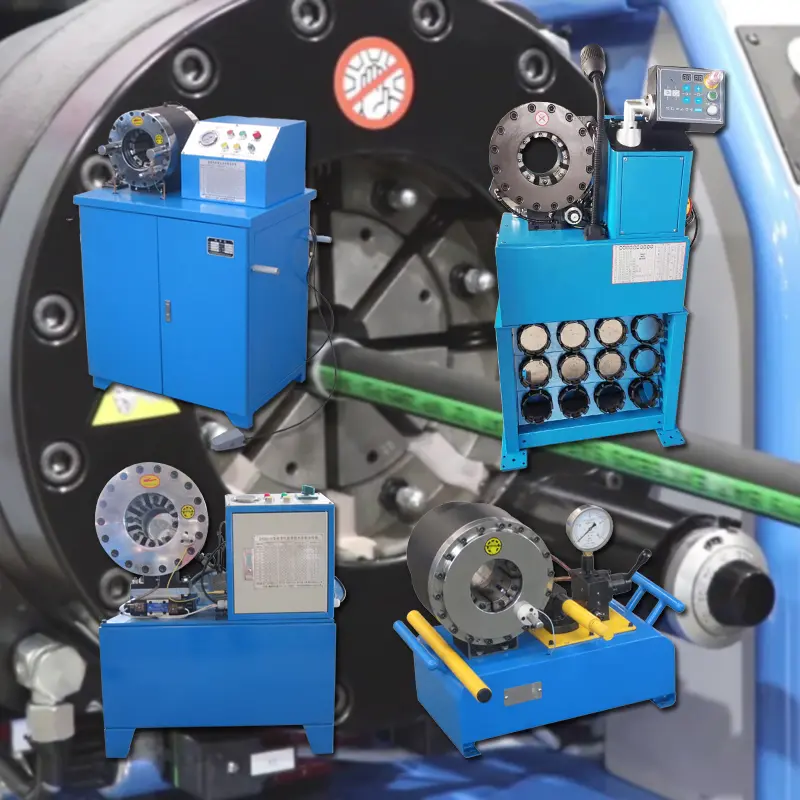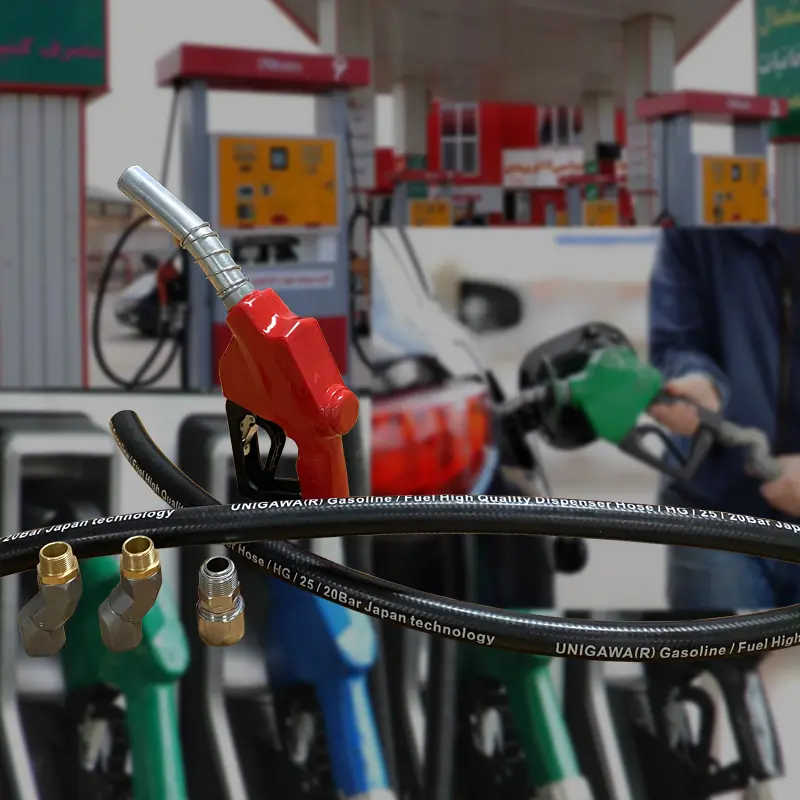


Hydraulic systems depend heavily on oil cleanliness to ensure reliable operation and long service life. In many industrial, automotive, and agricultural applications, system failures are often traced back to contaminated oil lines rather than faulty components. Understanding when hydraulic oil hoses need cleaning, how to clean them correctly, and how to judge cleaning effectiveness is essential for maintaining stable system performance.
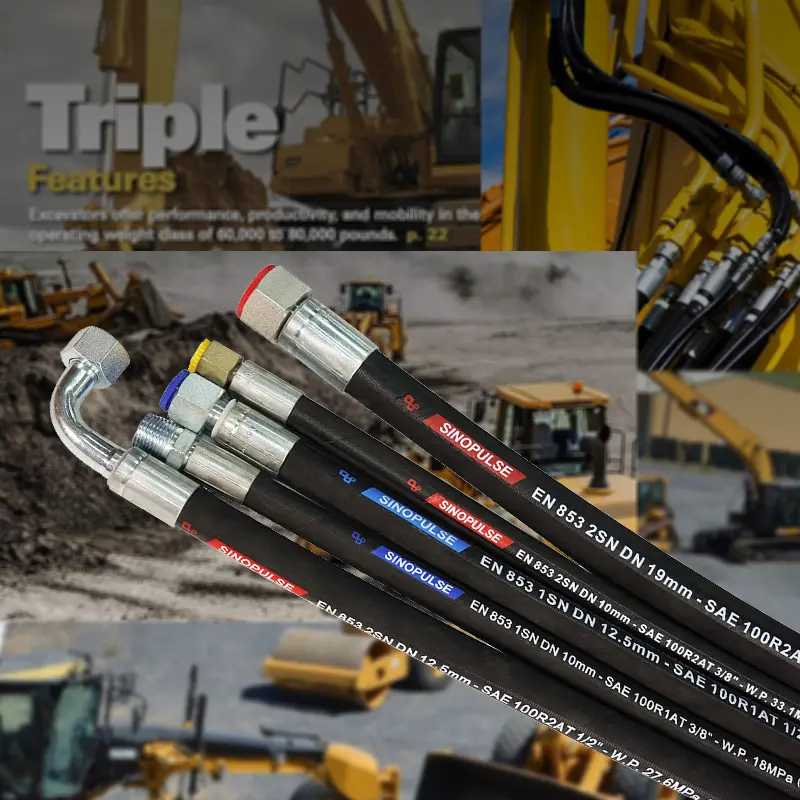
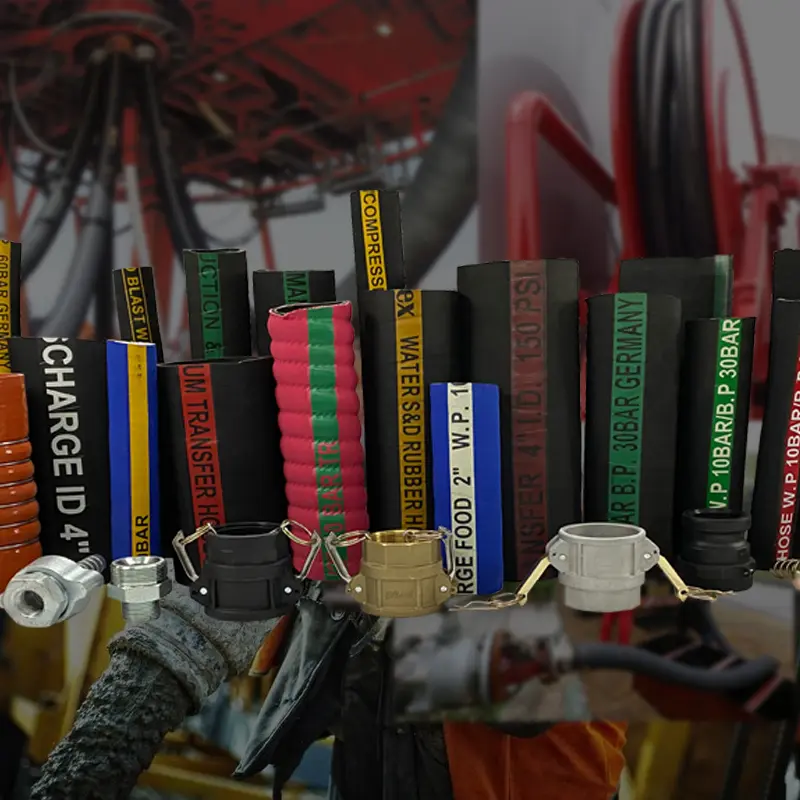
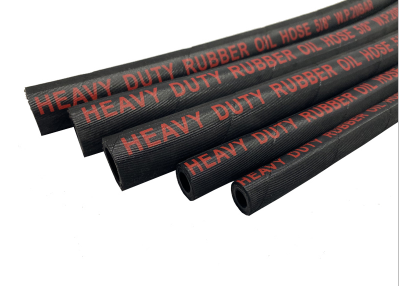
An oil hose is a specialized flexible tube designed to transfer various types of oils, including lubricants, hydraulic fluids, and fuel oils, in industrial, automotive, and agricultural systems. Constructed with oil-resistant inner tubes, robust reinforcements, and durable outer covers, oil hoses are engineered to handle high pressures and harsh conditions while maintaining flexibility and longevity. These hoses are widely used in applications like hydraulic systems, engine lubrication, fuel delivery, and oil transfer in machinery and equipment. For example, in hydraulic systems, oil hoses ensure a steady flow of hydraulic fluid between components, facilitating smooth operation. In automotive engines, they carry motor oil for lubrication and cooling. Industrial applications involve transferring large volumes of oil from storage tanks to equipment or pipelines. Oil hoses are also essential in agriculture for powering tractors and other oil-dependent machinery. Their reliable construction and compatibility with various oil types make them indispensable for maintaining efficient and safe operations across multiple industries.
When Hydraulic Oil Hoses Need Cleaning
Hydraulic oil hoses do not require cleaning on a fixed schedule, but certain situations make cleaning unavoidable. One of the most critical moments is before initial system startup. Even a brand-new oil transfer hose may contain residual rubber particles, metal shavings, or dust from manufacturing and assembly. If these contaminants enter the hydraulic circuit, they can immediately damage pumps and valves.
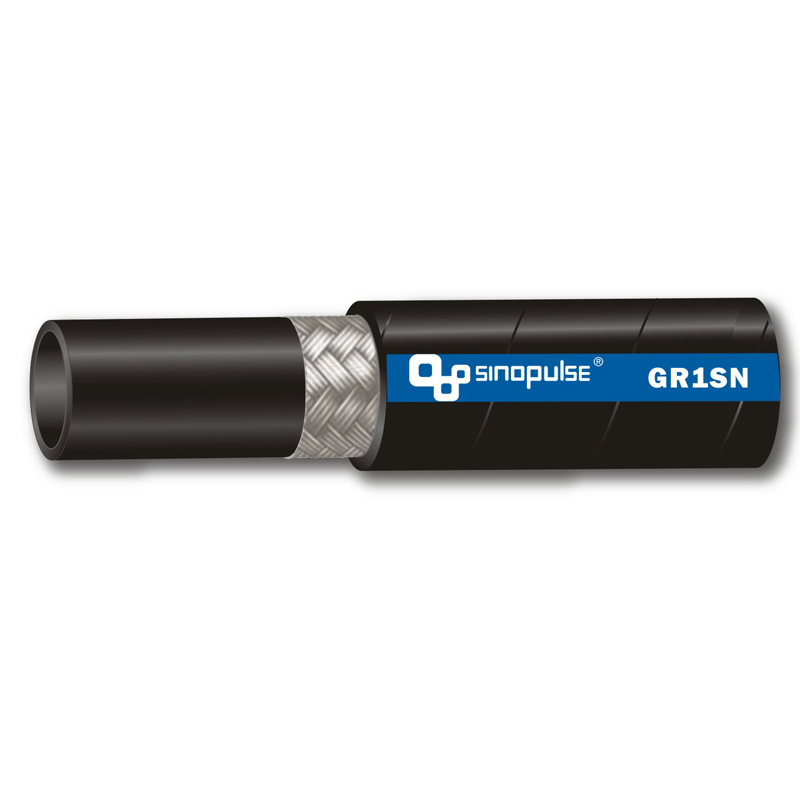
Another common situation arises after component failure or system overhaul. When a pump or valve fails internally, debris is often carried through connected lines. High-pressure assemblies such as a braided oil pressure line can trap fine metal particles along the inner wall, making simple oil circulation insufficient to remove contamination.
Cleaning is also necessary when changing oil types or fluid specifications. Residual oil left inside an oil suction hose can mix with new fluid, leading to chemical incompatibility, sludge formation, or seal degradation.
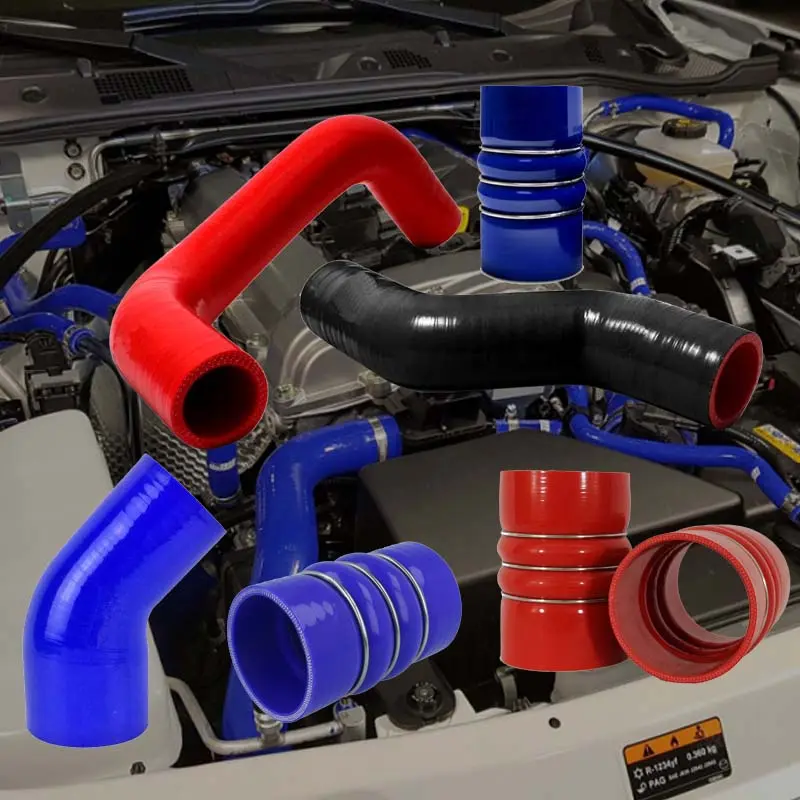
In automotive and transmission systems, excessive heat or oil oxidation is a clear warning sign. Deposits formed inside a transmission oil cooler hose can restrict flow, reduce cooling efficiency, and accelerate oil breakdown.
Long-term operation under heavy loads is another factor. Over time, even a well-installed flexible oil line will accumulate microscopic contaminants that gradually compromise system stability.
Common Methods for Cleaning Hydraulic Oil Hoses
The cleaning method must be selected based on hose size, contamination level, and system sensitivity. High-velocity oil flushing is widely used in industrial systems. Clean oil is circulated through the oil transfer hose at a velocity higher than normal operating conditions, allowing loose particles to be carried out of the system.
For more demanding applications, foam or projectile cleaning is often applied. A soft projectile is driven through a braided oil pressure line using oil pressure or compressed air, physically wiping contaminants from the inner surface without damaging the hose structure.
Chemical cleaning is sometimes required when varnish or heavy deposits are present. Specialized cleaning agents can dissolve buildup inside an oil suction hose, but compatibility with hose materials must be carefully verified. After chemical cleaning, thorough flushing is essential.
Drying is equally important. Compressed air or nitrogen is commonly used to purge moisture and residual oil from a transmission oil cooler hose, preventing dilution or corrosion when the system is refilled.
In precision systems, offline filtration units may be connected to circulate oil through a flexible oil line while continuously removing contaminants until target cleanliness levels are achieved.
How to Determine Whether Cleaning Is Successful
Evaluating cleaning results is a critical step. Oil sampling and particle count analysis provide objective data on cleanliness after flushing an oil transfer hose, allowing comparison with required ISO cleanliness standards.
Visual inspection is another practical method. When cleaning a braided oil pressure line with foam projectiles, the expelled projectile offers immediate feedback on the amount of contamination removed.
Temporary inline filters can also be used during cleaning. Inspecting filters installed on an oil suction hose reveals whether debris is still present or if additional cleaning cycles are necessary.
System performance after reassembly provides further confirmation. Stable operating temperature and pressure after reinstalling a transmission oil cooler hose usually indicate that internal restrictions have been eliminated.
For critical equipment, documenting test results and cleaning parameters ensures traceability for every flexible oil line within the system.
Common Mistakes in Hydraulic Oil Hose Cleaning
One common mistake is assuming new hoses are clean. Skipping the cleaning of a new oil transfer hose can introduce contaminants at the very beginning of system operation.
Using excessive pressure or improper tools is another issue. Aggressive methods can damage the inner lining of a braided oil pressure line, reducing its pressure rating and service life.
Incorrect chemical selection is also risky. Incompatible solvents used inside an oil suction hose may cause swelling, softening, or long-term material degradation.
Incomplete drying is frequently overlooked. Moisture left inside a transmission oil cooler hose can accelerate oil oxidation and promote internal corrosion.
Finally, failing to verify cleanliness after cleaning undermines the entire process. Reinstalling a flexible oil line without inspection leaves the system exposed to repeated contamination-related failures.
Proper hydraulic oil hose cleaning is a preventive measure that directly affects system reliability and longevity. Whether dealing with an oil transfer hose in industrial equipment or a transmission oil cooler hose in automotive applications, cleaning at the right time and using the correct methods can significantly reduce downtime and maintenance costs. By avoiding common mistakes and applying objective evaluation standards, operators can ensure stable performance across all flexible oil line installations.
Flexible Oil Line FAQs
Do hydraulic oil hoses need regular cleaning?
Yes. Hydraulic oil hoses should be cleaned whenever contamination risks exist, such as during new installation, after component failure, oil replacement, or long-term operation. Even a new oil transfer hose can contain manufacturing debris that may compromise system reliability if not removed.
Can high-pressure hoses be cleaned safely?
High-pressure hoses can be cleaned safely when proper methods are used. A braided oil pressure line requires controlled flushing velocity or foam projectile cleaning to remove internal particles without damaging the inner tube or reinforcement layers.
Why is cleaning especially important for suction hoses?
Cleaning is critical for suction hoses because contaminants can easily remain trapped inside. Residual debris in an oil suction hose can restrict oil flow, cause cavitation, and accelerate wear on pumps and other upstream components.
How do I know if an oil cooler hose is clean enough?
Cleanliness is typically confirmed through oil sampling, particle count analysis, and stable operating temperature after installation. A properly cleaned transmission oil cooler hose should allow smooth oil circulation without pressure drop or overheating.
What happens if hydraulic oil hoses are not cleaned properly?
Improper or skipped cleaning can lead to premature component failure, reduced efficiency, and unplanned downtime. Contamination left inside a flexible oil line may circulate continuously through the system, damaging valves, pumps, and seals over time.
Product Application