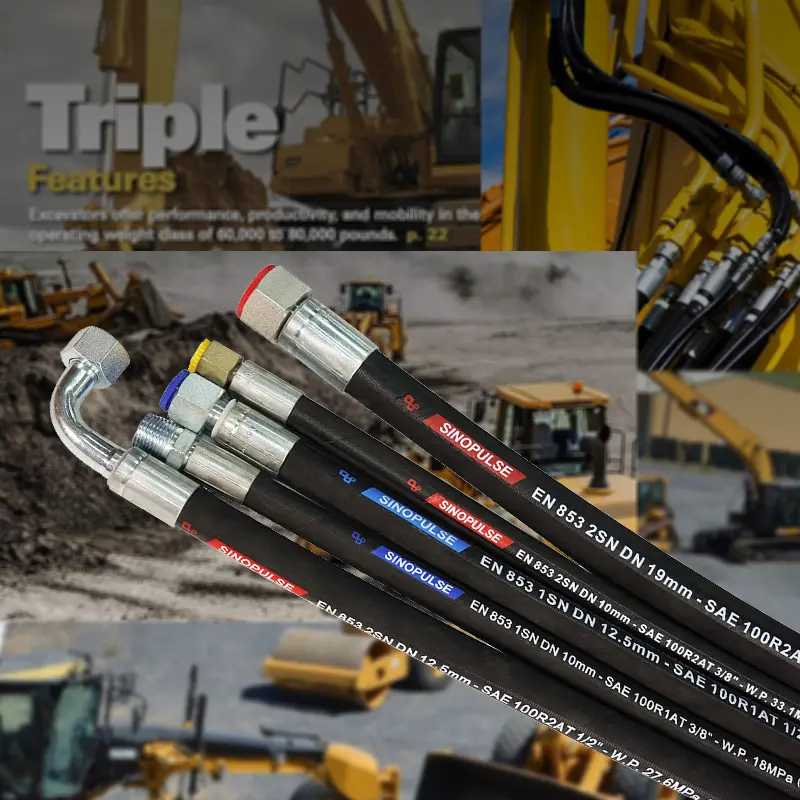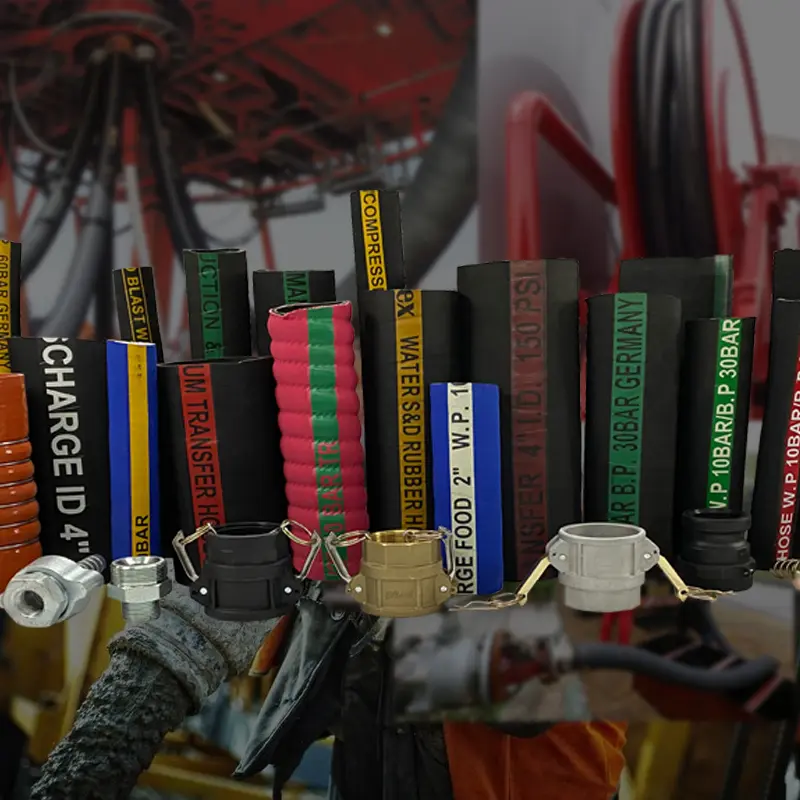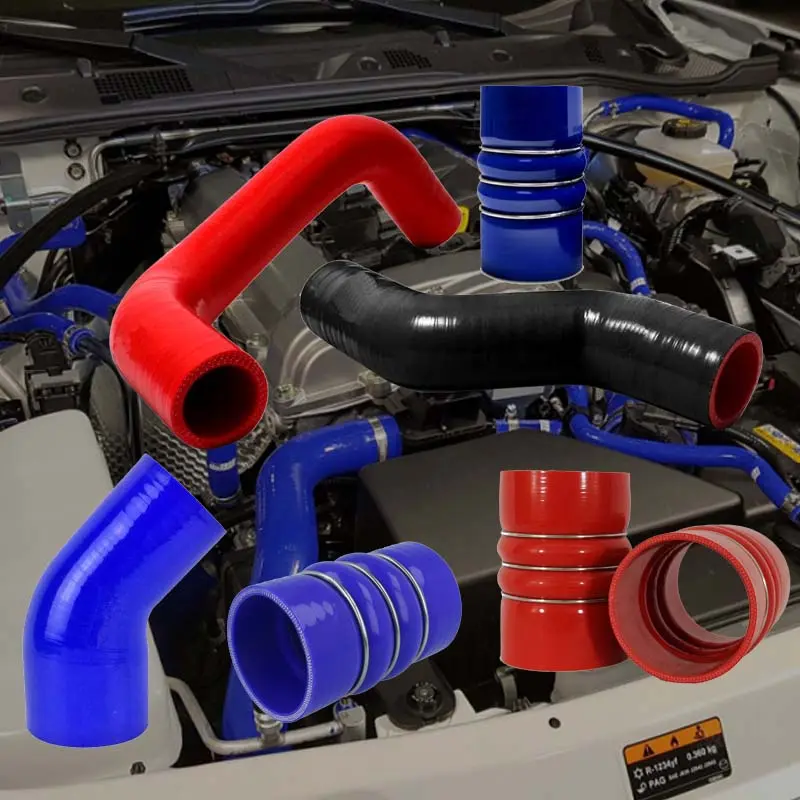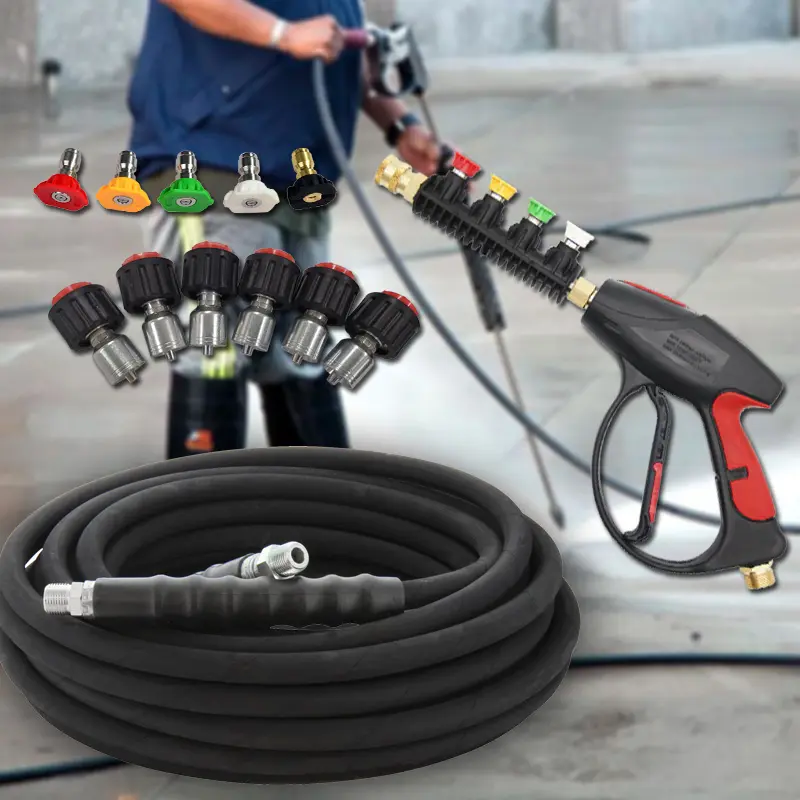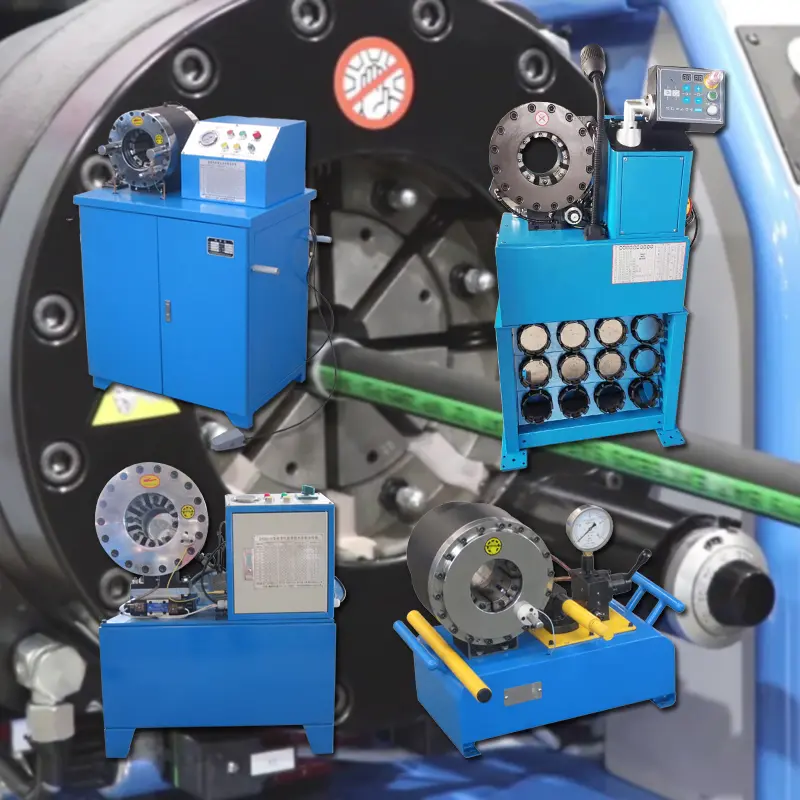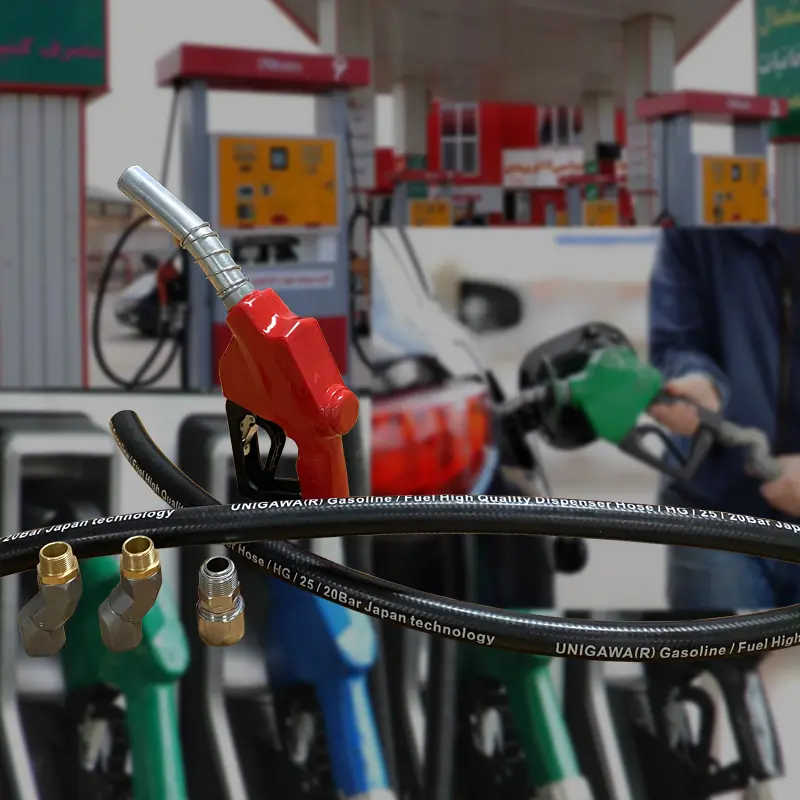


Winter's low-temperature environment poses significant challenges to the storage and use of hydraulic hose products, as cold weather can cause material brittleness, performance degradation, and even premature failure. Proper storage and scientific use are crucial to maintaining the performance and service life of hydraulic hose and flexible hydraulic hose. HEBEI SINOPULSE TECH GROUP CO.,LTD. (Sinopulse), a professional provider of hydraulic hoses, industrial hoses, and hose machinery, offers a comprehensive range of high-quality hydraulic hose products (including steel braided, spiral, thermoplastic, and PTFE hoses) designed to withstand extreme temperatures. With rich experience in hydraulic hose uses across various industries, Sinopulse provides professional guidance on winter storage and use of hydraulic hoses, helping customers avoid losses caused by low-temperature damage.
Impacts Of Winter Low Temperature On Hydraulic Hose
- Material Brittleness And Cracking Risk: Low temperatures in winter can significantly reduce the flexibility of hydraulic hose and flexible hydraulic hose materials (such as rubber and thermoplastics). The materials become brittle, and their impact resistance and bending resistance decrease sharply. Even slight bending or collision during storage or use may lead to cracks or breaks, directly affecting the service life of the hose.
- Sealing Performance Degradation: The seals and connectors of hydraulic hose are also sensitive to low temperatures. Cold weather can cause the sealing materials to harden and shrink, resulting in poor sealing performance and potential fluid leakage during use. This not only affects the normal operation of hydraulic systems but also may lead to safety hazards in industrial applications.
- Reduced Service Life: Long-term exposure to low temperatures will accelerate the aging of hydraulic hose materials, reducing their overall service life even if no obvious damage occurs. For hydraulic hose uses in harsh industrial environments such as construction and mining, this aging process will be further accelerated, increasing maintenance and replacement costs.
- Performance Parameters Fluctuation: Low temperatures can affect the pressure-bearing capacity, flow rate, and other key performance parameters of flexible hydraulic hose. The brittle material cannot withstand the designed working pressure stably, which may lead to performance deviations in hydraulic systems, affecting the efficiency and stability of equipment operation.
Winter Storage Requirements For Hydraulic Hose
|
Storage Item |
Specific Requirements |
Sinopulse's Suggestions |
Relevant Product Adaptability |
|
Storage Environment Temperature |
Keep the storage environment at 5℃-25℃; avoid long-term exposure to temperatures below 0℃ |
Equip the warehouse with heating equipment (such as electric heaters) to maintain a stable temperature; avoid placing hoses near cold air vents or windows |
All types of hydraulic hose, especially rubber-based flexible hydraulic hose with poor low-temperature resistance |
|
Humidity Control |
Relative humidity should be controlled at 40%-60%; avoid damp or waterlogged storage environments |
Use dehumidifiers to reduce warehouse humidity; place moisture-proof pads under the hose rolls; ensure good ventilation in the warehouse |
Steel braided hydraulic hose to prevent rusting of the reinforcement layer; PTFE hydraulic hose to avoid moisture affecting material performance |
|
Placement Method |
Store hydraulic hose in a coiled state; avoid folding, twisting, or stacking heavy objects on the hose; keep the coiled diameter not less than 10 times the hose inner diameter |
Use special hose racks for storage; place the coiled hoses horizontally; leave a certain gap between each roll to ensure ventilation |
Flexible hydraulic hose to maintain its flexibility; large-diameter hydraulic hose to prevent deformation |
|
Avoidance Of Harmful Factors |
Keep away from direct sunlight, ozone sources (such as motors and transformers), and corrosive substances (such as acids and alkalis) |
Use opaque covers to shield hoses from sunlight; separate hoses from ozone-generating equipment by at least 2 meters; store corrosive substances in independent warehouses |
All types of hydraulic hose, especially those used in hydraulic hose uses requiring high corrosion resistance |
|
Regular Inspection |
Inspect stored hydraulic hose regularly (at least once a week) for cracks, hardening, or other damage |
Establish a inspection record system; mark damaged hoses for timely handling; rotate the storage position of hoses appropriately to ensure uniform environmental impact |
All hydraulic hose products, especially those stored for a long time before hydraulic hose uses |
Precautions For Winter Installation And Use Of Hydraulic Hose
- Pre-Installation Preheating: Before installing hydraulic hose and flexible hydraulic hose in winter, preheat the hoses in a warm environment (5℃-25℃) for 2-4 hours. This restores the flexibility of the hose material, avoids cracks caused by forced bending during installation, and ensures smooth installation.
- Proper Bending Radius: During installation, strictly follow the recommended minimum bending radius of the hydraulic hose. Do not exceed the limit to avoid excessive stress on the hose wall. For flexible hydraulic hose, the bending radius should be at least 10-15 times the inner diameter, which is more important in low-temperature environments to prevent brittle fracture.
- Avoid Tension And Compression: Ensure that the hydraulic hose is installed without tension or compression. Tension will stretch the hose, reducing its pressure-bearing capacity, while compression may cause kinking. In winter, the brittle hose is more likely to be damaged by improper force, so it is necessary to adjust the installation position accurately.
- Sealing Check: After installation, carefully check the sealing performance of the hydraulic hose Due to low-temperature shrinkage, the sealing effect may be affected. It is recommended to conduct a pressure test under working conditions to ensure no leakage. Sinopulse's precision-engineered fittings and adapters can effectively improve the sealing reliability in low-temperature environments.
- Adapt To Hydraulic Hose Uses: For hydraulic hose uses in extreme low-temperature scenarios (such as outdoor construction in cold regions), select hydraulic hose products with excellent low-temperature resistance (such as Sinopulse's PTFE or special cold-resistant rubber hoses). These hoses are specially designed to maintain performance in low-temperature environments, ensuring the stability of hydraulic systems.
Tips To Avoid Hydraulic Hose Rupture In Winter
- Select Cold-Resistant Products: The fundamental measure to avoid winter rupture is to select hydraulic hose and flexible hydraulic hose with excellent low-temperature resistance. Sinopulse's cold-resistant hydraulic hoses are made of special materials that can withstand temperatures as low as -40℃, maintaining flexibility and pressure-bearing capacity in harsh winter conditions, which is suitable for various hydraulic hose uses.
- Regular Maintenance And Inspection: Strengthen the daily inspection and maintenance of hydraulic hose during winter. Check for signs of brittleness, cracks, or wear every day before use. If any abnormality is found, replace the hose in time. For hoses that have been used for a long time, proactively replace them to avoid sudden rupture during operation.
- Control System Pressure: In winter, the pressure-bearing capacity of hydraulic hose may decrease. It is necessary to strictly control the working pressure of the hydraulic system, ensuring it does not exceed the rated pressure of the hose. Avoid pressure surges in the system, as sudden high pressure is more likely to cause brittle hoses to rupture.
- Keep Hydraulic Oil Warm: The temperature of hydraulic oil affects the performance of hydraulic hose In winter, ensure that the hydraulic oil reaches the appropriate working temperature (above 10℃) before the system operates at full load. Warm oil can reduce the viscosity and friction inside the hose, reducing the risk of hose damage.
- Avoid Contact With Sharp Objects: In winter, the brittle flexible hydraulic hose is more susceptible to damage from sharp objects. During use and storage, avoid contact between the hose and sharp edges, corners, or tools. Use protective sleeves for hoses in easily scratched positions to prevent cuts and ruptures.
Hydraulic Hose FAQs
What Type Of Hydraulic Hose Is Suitable For Winter Low-Temperature Environments
Hydraulic hoses made of cold-resistant materials are suitable for winter low-temperature environments, such as Sinopulse's PTFE hydraulic hose, special cold-resistant rubber flexible hydraulic hose, and thermoplastic hydraulic hoses. These hoses are designed with low-temperature-resistant formulas and structures, which can maintain flexibility and stable pressure-bearing capacity at temperatures ranging from -20℃ to -40℃. When selecting, it is necessary to match the specific low-temperature range of the use environment and hydraulic hose uses to ensure the hose can adapt to the actual working conditions.
How Long Should Hydraulic Hose Be Preheated Before Winter Installation
The preheating time of hydraulic hose before winter installation depends on the ambient temperature and hose thickness, generally ranging from 2 to 4 hours. If the ambient temperature is extremely low (below -20℃) or the hose diameter is large (above 50mm), the preheating time should be appropriately extended to 4 to 6 hours. The goal of preheating is to fully restore the flexibility of the flexible hydraulic hose material, ensuring no cracks occur during bending and installation. It is recommended to preheat the hose in a constant-temperature environment of 15℃-25℃ for the best effect.
Can Regular Hydraulic Hose Be Used In Winter Outdoor Environments
Regular hydraulic hose is not recommended for long-term use in winter outdoor environments with temperatures below 0℃. Because regular hydraulic hose materials have poor low-temperature resistance, they are prone to brittleness, cracking, and other damage in low temperatures, affecting hydraulic hose uses and system safety. If temporary use is necessary, measures such as preheating before use, adding thermal insulation sleeves, and minimizing bending should be taken. For long-term outdoor use, it is better to replace with professional cold-resistant hydraulic hose products from Sinopulse.
How To Judge Whether Hydraulic Hose Is Damaged Due To Low Temperature
There are three main ways to judge: first, check the appearance – if the hydraulic hose surface has obvious cracks, white spots (material embrittlement signs), or becomes hard and inflexible when touched, it may be damaged by low temperature; second, test the flexibility – if the flexible hydraulic hose cannot be bent to the normal minimum bending radius without feeling stiff or cracking, it indicates low-temperature damage; third, check the sealing performance – if there is sudden leakage at the connector without external impact, it may be due to low-temperature shrinkage of the sealing material caused by low-temperature damage. Once these signs are found, the hose should be replaced immediately.
Does Sinopulse Provide Customized Hydraulic Hose For Special Winter Use Scenarios
Yes, Sinopulse provides customized hydraulic hose solutions for special winter use scenarios. Based on the customer's specific low-temperature environment (minimum temperature), hydraulic hose uses (such as high-pressure, high-flow, or corrosive fluid conveyance), and installation requirements, Sinopulse's in-house design and engineering team can develop tailored flexible hydraulic hose products. For example, for ultra-low-temperature outdoor construction scenarios, cold-resistant hydraulic hoses with enhanced pressure-bearing capacity can be customized; for winter pharmaceutical production hydraulic systems, food-grade cold-resistant hydraulic hoses can be provided to meet special industry requirements.
Product Application