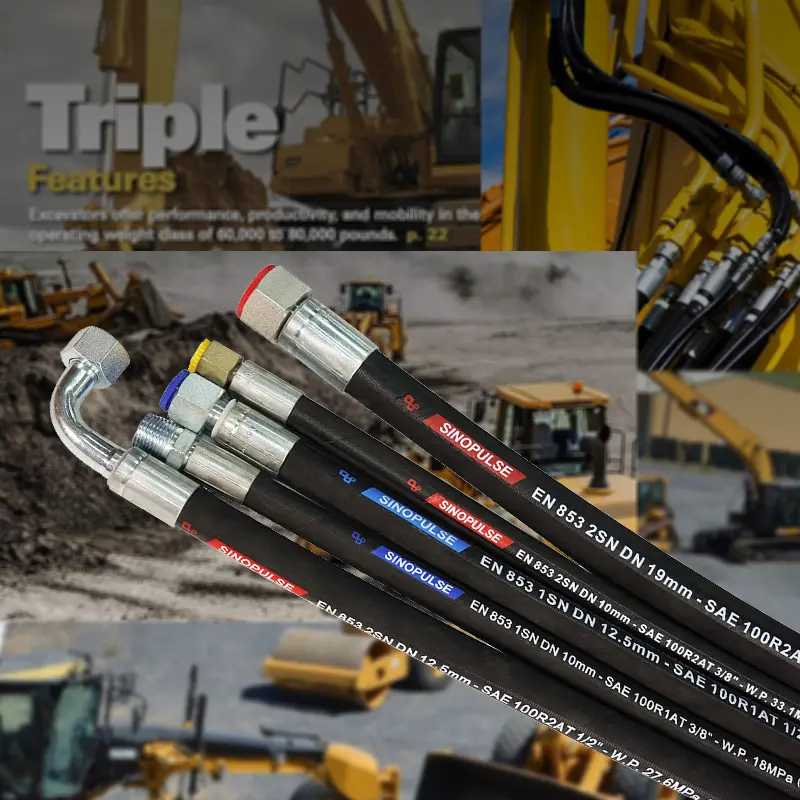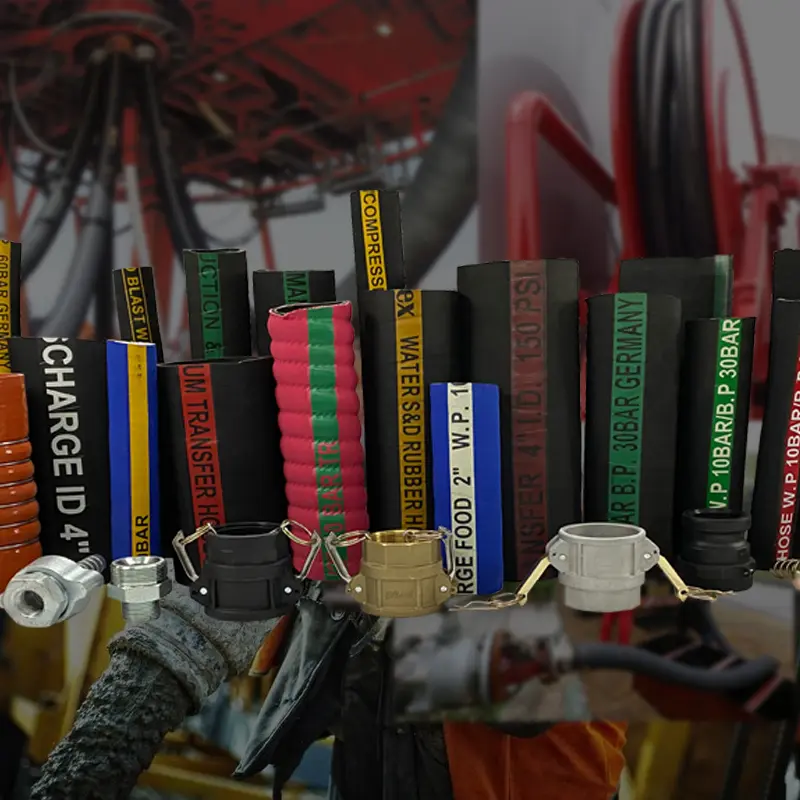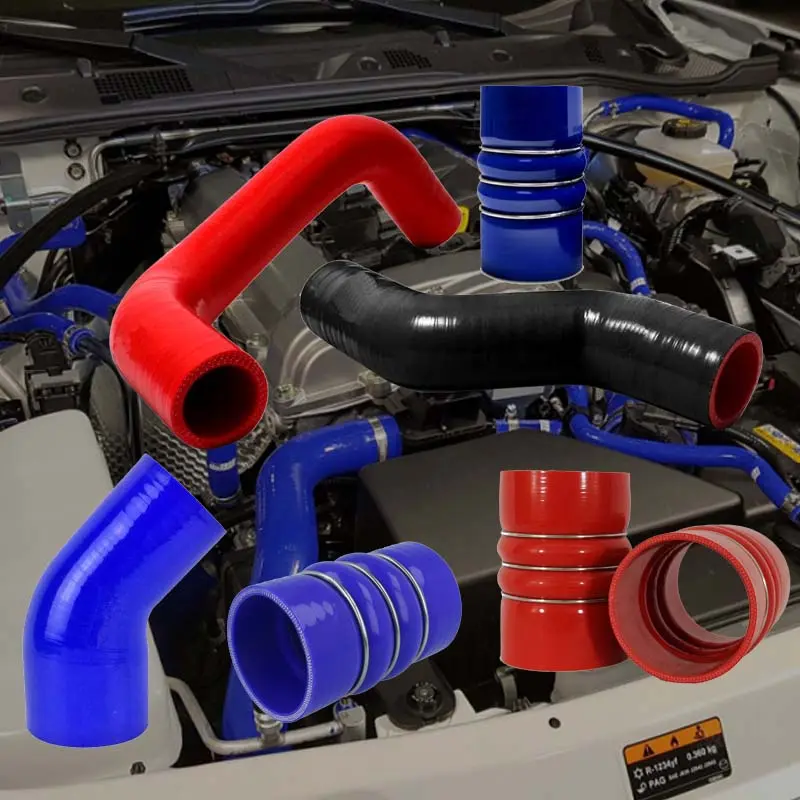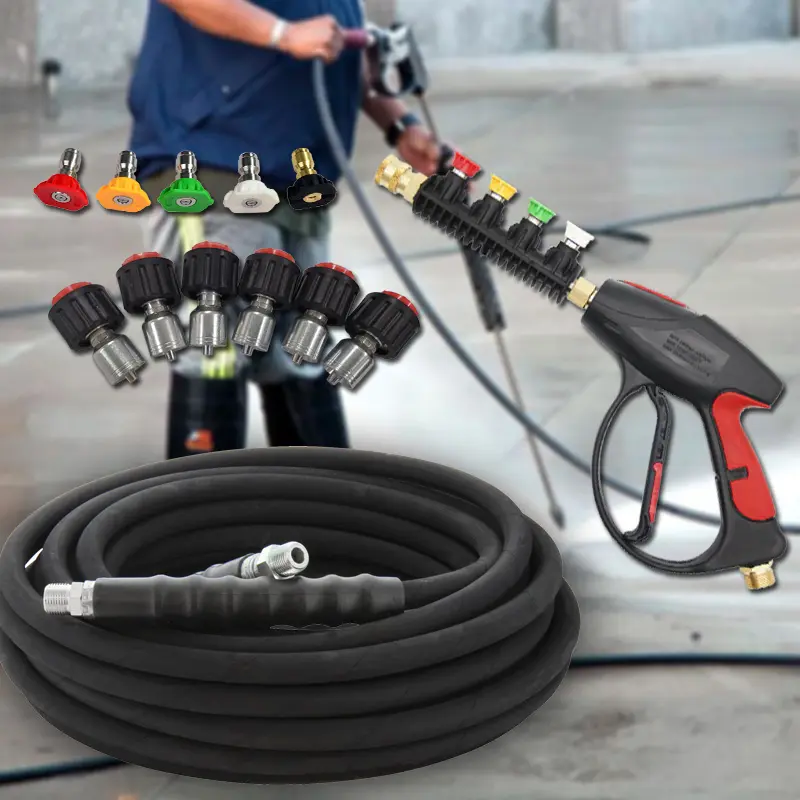


Industrial hose maintenance is critical to ensuring long service life, safety, and reliability across a wide range of applications. Regular inspection, pressure testing, and scheduled replacement are key components in preventing costly downtime and system failure. This article explores essential maintenance practices for industrial hoses and highlights how different EPDM-based hoses — including epdm rubber tubing, epdm flexible hose, epdm coolant hose, and epdm hose for fuel — perform under various conditions.
Regular Inspection of EPDM Rubber Tubing
Routine inspection is the foundation of effective industrial hose maintenance. EPDM rubber tubing is widely used due to its excellent resistance to heat, ozone, and weathering. However, over time, even EPDM hoses can experience degradation from prolonged exposure to UV light, oils, or chemical vapors.
Visual inspection should focus on identifying surface cracks, soft spots, bulges, or any signs of wear around fittings. Hoses that show discoloration or stiffness often indicate chemical or thermal aging. During each inspection, ensure that the hose routing avoids sharp bends or kinks that can weaken the internal structure.
Additionally, proper cleaning and storage between uses significantly extend the life of EPDM rubber tubing, preventing residue buildup and contamination that may compromise hose performance in future applications.
Pressure and Pulse Testing of EPDM Flexible Hose
To guarantee safety and performance, regular pressure and pulse testing is essential for epdm flexible hose. These hoses often handle varying pressures in industrial or automotive systems, making it crucial to ensure they can sustain both steady and fluctuating loads.
Pressure testing involves gradually increasing the pressure within the hose up to a defined safety threshold, observing for leaks, deformation, or connector failures. Pulse testing, on the other hand, simulates real-world operational stress by repeatedly cycling the pressure between zero and maximum rated levels.
Because epdm flexible hose is known for its elasticity and resistance to cracking under mechanical stress, these tests confirm whether the hose maintains integrity under demanding working conditions. If the hose fails to return to its original shape or shows signs of fatigue after multiple cycles, replacement should be scheduled immediately.
Coolant System Maintenance Using EPDM Coolant Hose
In automotive and industrial cooling systems, the epdm coolant hose plays a critical role in transporting hot fluids safely. These hoses must endure continuous thermal expansion and contraction, as well as exposure to coolant chemicals.
To maintain system efficiency, coolant hoses should be inspected at least every six months for softening near the clamps, bulging, or surface deterioration. Any oil contamination or coolant residue around connection points is a warning sign of seepage or micro-cracks.
Coolant hoses typically operate under high temperature and moderate pressure, so maintaining proper clamping torque and replacing old clamps is equally vital. EPDM’s superior resistance to heat makes it ideal for these environments, but regular testing of hose flexibility and wall integrity ensures continued performance.
When replacing an epdm coolant hose, always match the size and specifications to the system design, as improper fit can lead to leaks or inefficient cooling performance.
Fuel Line Inspection and Replacement of EPDM Hose for Fuel
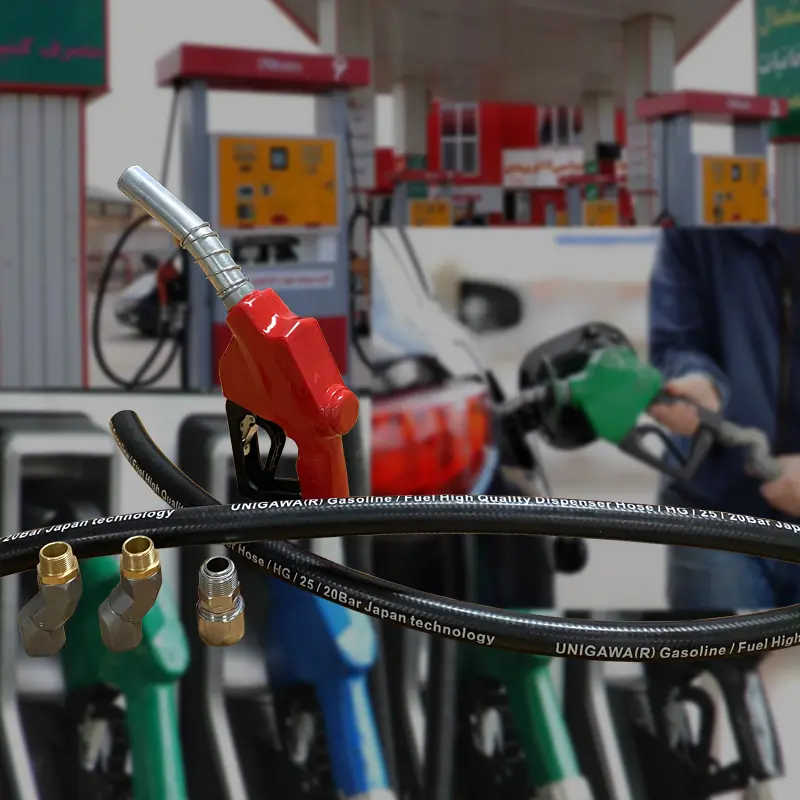
Fuel hoses are among the most critical components in automotive and machinery systems. The epdm hose for fuel is specially formulated to handle hydrocarbons, ensuring resistance to fuel degradation, swelling, and vapor permeation.
However, exposure to extreme temperatures or contaminated fuels can still accelerate wear. Regularly inspect for cracks, hardening, or blistering, especially near fittings where heat and vibration are most intense. It’s essential to follow the manufacturer’s recommended replacement intervals — often every 3 to 5 years — even if the hose appears visually intact.
When performing replacements, use only OEM-approved fittings and ensure proper sealing techniques to avoid leaks that could cause operational hazards. Always depressurize the fuel system before disassembly, and never reuse old clamps or connectors.
The chemical stability of epdm hose for fuel makes it a reliable choice for long-term use, but proactive inspection and timely replacement remain vital for maintaining safety and efficiency.
Testing, Replacement Cycles, and Record Keeping
Consistent testing and replacement scheduling are crucial parts of industrial hose maintenance programs. Pressure tests should be performed annually, while pulse testing may be conducted more frequently for high-demand systems. Keep detailed records of each hose’s service life, including date of installation, pressure ratings, and test results.
Visual inspections should occur monthly, and hoses showing even minor signs of fatigue or aging should be tagged for replacement. Maintaining a log of failures helps identify recurring issues, such as excessive vibration or incorrect pressure ratings, that can be corrected through design improvements.
Choosing the Right Hose and Material Compatibility
Choosing the right industrial hose involves evaluating multiple factors to ensure it meets the specific needs of the application. First, consider the type of material or fluid being transferred. For instance, if dealing with hot water in a washdown application, a hot water washdown hose must be selected, and it should be made of a material like EPDM rubber hose, which is highly resistant to such fluids and conditions. The hose must be compatible with the substance to avoid degradation, contamination, or unsafe conditions.
Temperature range is critical for all industrial hoses. It must handle both the operating and environmental temperatures without compromising its integrity. Pressure rating is equally important. The industrial hose must withstand the maximum working pressure of the system with an appropriate safety margin.
When thinking about automotive applications, automotive hose sizes play a crucial role. Custom automotive hoses might be required to fit specific vehicle designs. These automotive hoses, which can also be considered a subset of industrial hoses in certain manufacturing or maintenance contexts, need to have the right dimensions to function properly.
The industrial hose’s flexibility, bend radius, and length must align with the installation and operational requirements, particularly in systems with limited space or dynamic movement. This is true for all types of industrial hoses, from those used in large-scale manufacturing to specialized automotive or washdown applications.
The outer cover of the industrial hose should provide protection against abrasion, weather, and chemicals, especially if the hose is exposed to harsh environments. Additionally, specific industry standards or certifications, such as FDA compliance for food grade hoses or chemical resistance certifications, should be verified. By carefully analyzing these factors, you can select an industrial hose that delivers reliable and efficient performance in its intended application within the broader scope of industrial hose requirements.
Types Of Industrial Hoses FAQs
How often should industrial hoses be replaced?
Most industrial hoses should be replaced every 3–5 years, depending on operating conditions, fluid type, and frequency of use. Regular inspections can help determine when early replacement is needed.
What tests are necessary for maintaining hose integrity?
Pressure and pulse tests are essential to confirm a hose’s ability to withstand operational loads. Visual inspections and leak tests should complement these to detect early signs of wear.
Why is EPDM a preferred material for industrial hoses?
EPDM offers excellent resistance to heat, weathering, and chemicals, making it ideal for hot water, steam, and coolant applications in both industrial and automotive systems.
Can EPDM hoses handle fuel transfer safely?
Yes, specially formulated epdm hose for fuel can handle hydrocarbons effectively, but it should always be used within specified temperature and pressure limits.
What are the signs that an industrial hose needs replacement?
Signs include visible cracks, blistering, leaks, bulges, or stiffness. Discoloration or frequent pressure drops also indicate internal degradation.
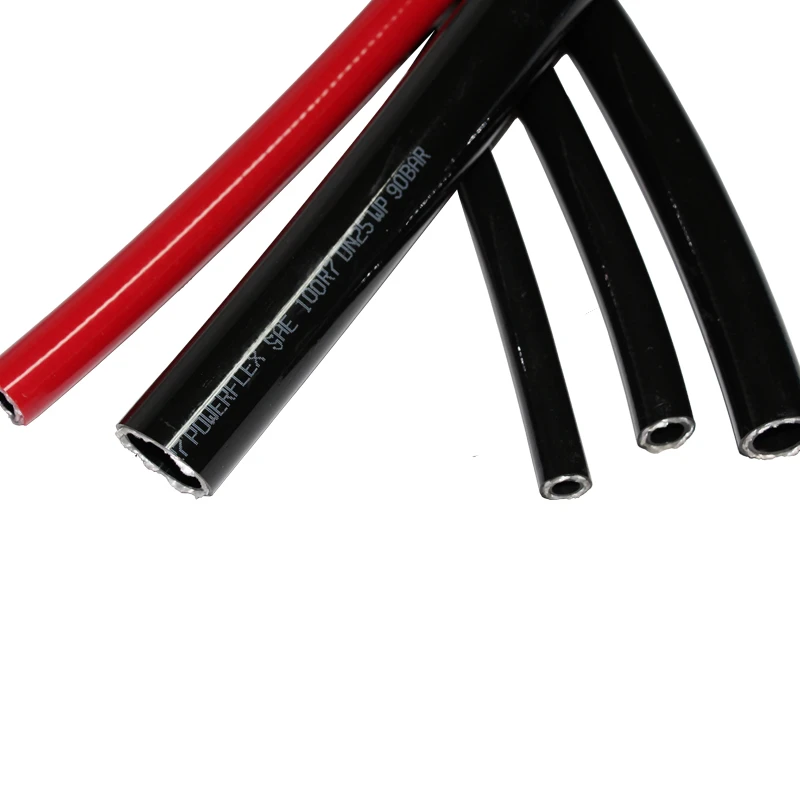
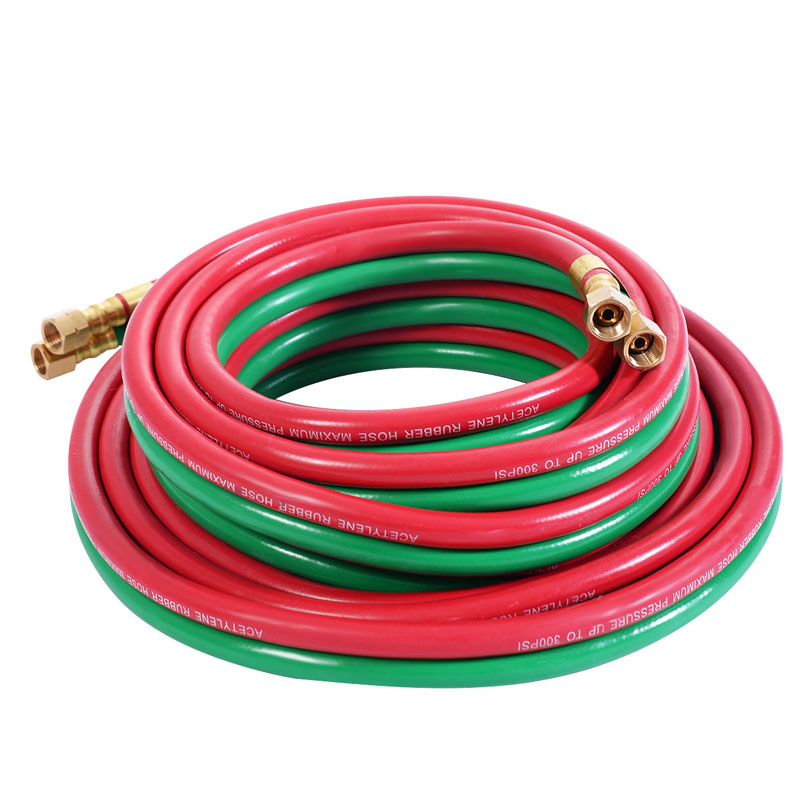
Product Application