

Industrial hoses play a vital role in modern production, construction, and transportation systems. However, even the most durable hoses are susceptible to failure if not properly selected, installed, or maintained. Understanding the root causes of industrial hose failures such as cracking, bulging, leaking, bursting, and twisting is essential for improving performance and extending service life. This article analyzes these failure mechanisms through practical data and field experience while highlighting the significance of wholesale hoses, industrial hose connector types, silicone hose manufacturer, and hose manufacturers in ensuring reliable system operation.
Cracking and Aging in Wholesale Hoses
One of the most common failure causes in industrial hoses is surface cracking, often associated with material aging and environmental stress. When wholesale hoses are stored or used in conditions involving UV exposure, ozone, or extreme temperature fluctuations, the rubber compounds gradually lose elasticity. Over time, this results in micro-cracks that expand under pressure, leading to hose leakage or rupture.
Practical testing shows that hoses stored outdoors without proper shielding experience surface hardening up to 35% faster than those stored in climate-controlled environments. In chemical or fuel transfer systems, exposure to incompatible fluids accelerates this aging process by breaking down the polymer chains within the hose wall.
To minimize cracking, it’s crucial to select hoses made from weather- and chemical-resistant materials, such as EPDM or silicone, and ensure that storage areas maintain stable temperature and humidity levels. Regular visual inspections, combined with flexibility testing, help detect early signs of degradation. When purchasing wholesale hoses, always verify batch quality and date of manufacture, as aged inventory can reduce reliability even before installation.
Bulging and Connector Issues in Industrial Hose Connector Types
Bulging typically occurs when the hose experiences internal pressure beyond its rated capacity or when coupling systems are improperly installed. This failure often originates at the connection points, where stresses concentrate due to abrupt pressure changes or poor fitting alignment. Selecting the correct industrial hose connector types is therefore critical for ensuring both pressure stability and safety.
Practical data from maintenance records indicate that nearly 60% of hose bulging incidents result from mismatched connectors or loose crimping. If the connector material is incompatible with the hose reinforcement (for instance, using brass fittings on stainless-steel reinforced hoses), galvanic corrosion can weaken the interface, increasing the risk of slippage or blow-off under pressure.
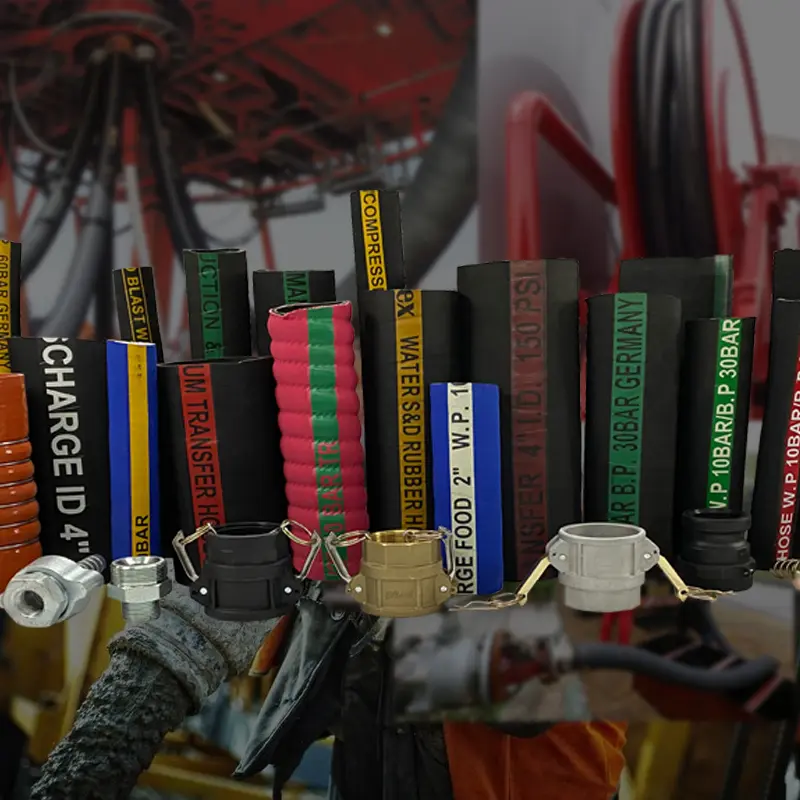
To prevent this, always use connectors recommended by the hose manufacturer and verify torque specifications during installation. Quick-connect and cam-lock fittings should be inspected regularly to confirm that seals remain intact and threads show no wear. Using standardized industrial hose connector types not only prevents mechanical failure but also improves interchangeability across systems, minimizing downtime during maintenance.
Leakage and Permeation: Role of Silicone Hose Manufacturer Quality
Leakage and micro-seepage are critical issues in fluid systems where pressure consistency and contamination control are vital. In many cases, hose leakage stems from poor material uniformity or inadequate bonding between inner and outer layers. The quality of production from a silicone hose manufacturer directly affects a hose’s permeability rate and long-term sealing capability.
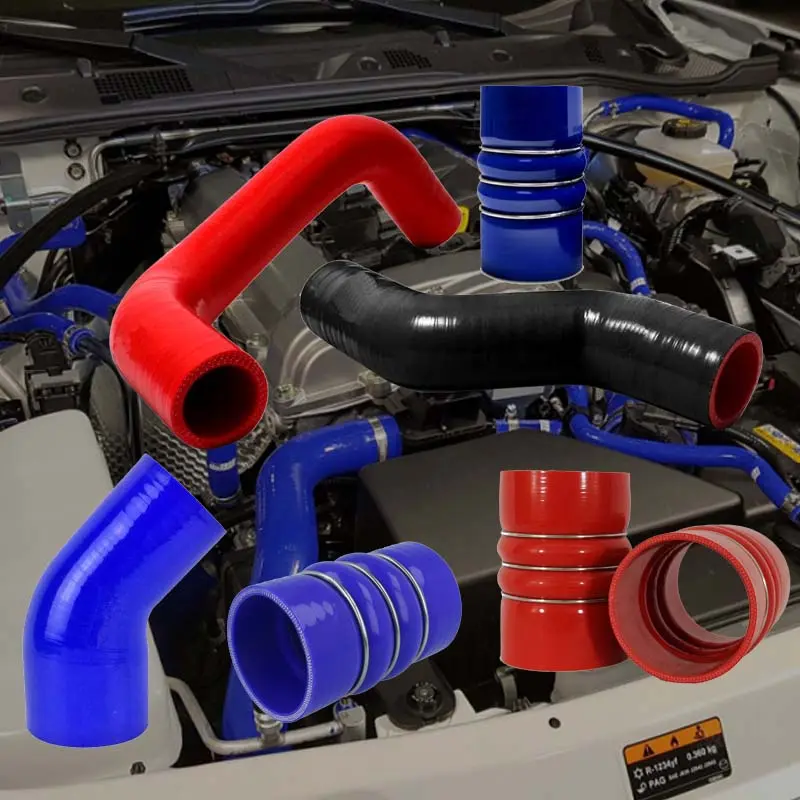
Silicone hoses, known for their superior flexibility and resistance to temperature extremes, are widely used in automotive, pharmaceutical, and food-grade applications. However, if manufactured with inconsistent wall thickness or improper curing, micro-voids may form within the hose structure, allowing gas or liquid molecules to permeate through the wall.
Data from industrial audits show that substandard silicone hoses can exhibit up to 5× higher gas permeability than premium-grade alternatives. To mitigate this, always source hoses from certified silicone hose manufacturers that follow ISO and FDA production standards. Pressure testing and helium leak detection are recommended before deploying hoses in sensitive operations such as fuel transfer or food processing.

Furthermore, leakage can also result from excessive bending or torsion during installation, which weakens the internal reinforcement structure. Proper hose routing—avoiding sharp bends, kinks, or tension—is essential to maintaining tight seals and consistent pressure across the system.
Bursting and Overpressure from Hose Manufacturers’ Perspective
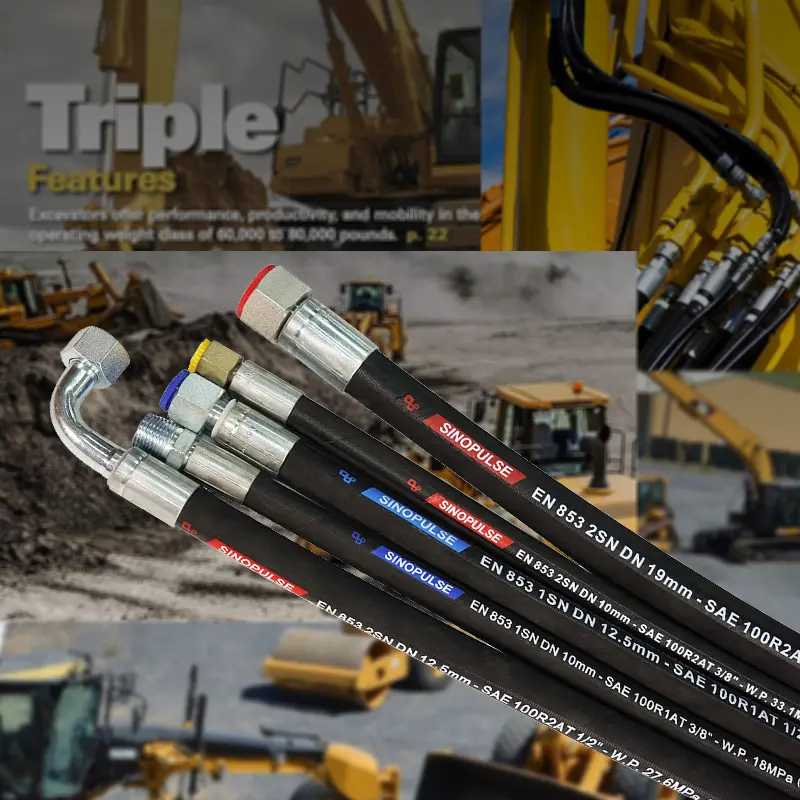
Hose bursting is among the most severe forms of industrial hose failure, often leading to system shutdowns, safety hazards, and equipment damage. Studies by leading hose manufacturers show that bursting typically occurs due to overpressure, material fatigue, or reinforcement damage caused by excessive vibration or temperature cycling.
When a hose operates close to or beyond its maximum working pressure, microfractures begin forming within the reinforcement layer. Over time, these microfractures accumulate, weakening the hose’s structural integrity until it fails catastrophically. In some cases, improper hose selection—such as using a water hose for hydraulic systems—can lead to immediate failure when subjected to high pressure.
According to laboratory data, the majority of burst failures occur within 10% of the rated burst pressure, meaning that hoses subjected to frequent pressure surges are at constant risk. To prevent this, users should select hoses with a safety factor of at least 4:1 relative to the maximum operating pressure. Regular hydrostatic testing is also recommended to confirm the hose’s ability to withstand transient pressure spikes.
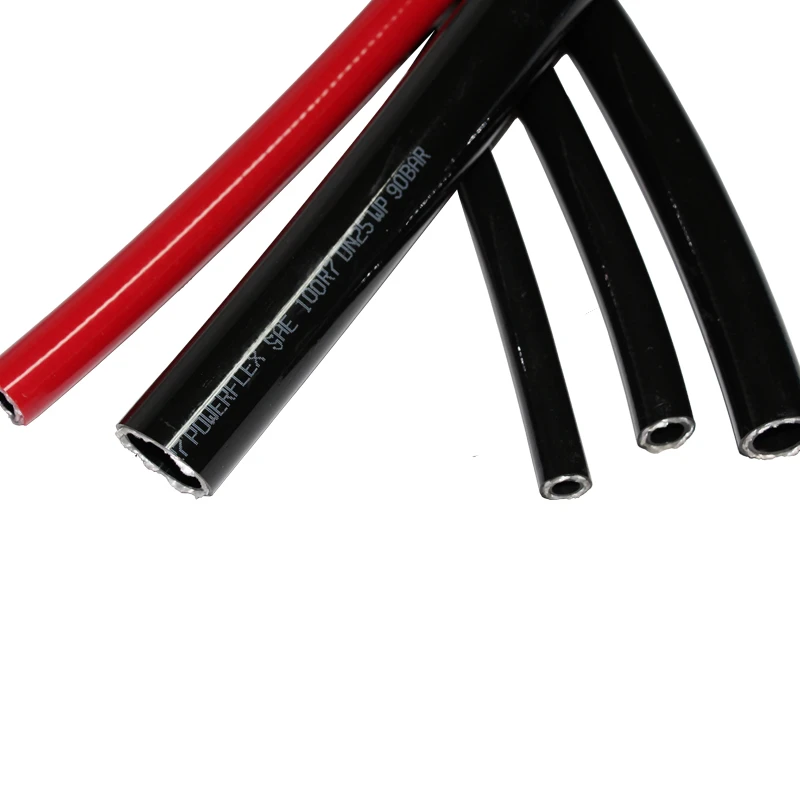
Hose manufacturers emphasize the importance of reinforcement quality—whether textile, steel braid, or spiral-wound—since even a small defect can significantly reduce burst resistance. Using premium-grade materials and consistent manufacturing methods ensures the hose meets required safety standards and longevity expectations.
Types of Industrial Hoses and Their Application Diversity
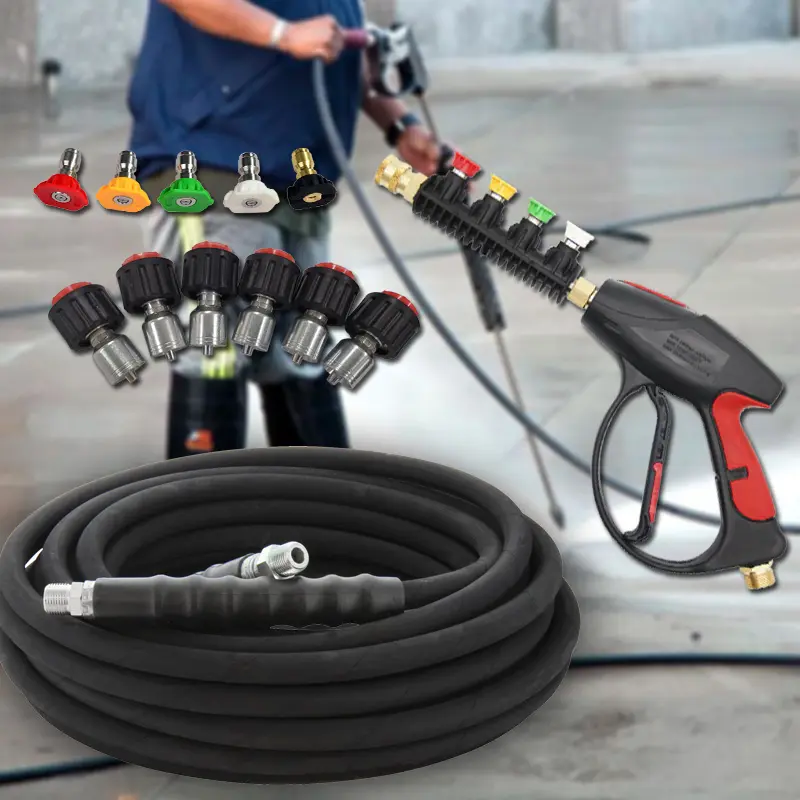
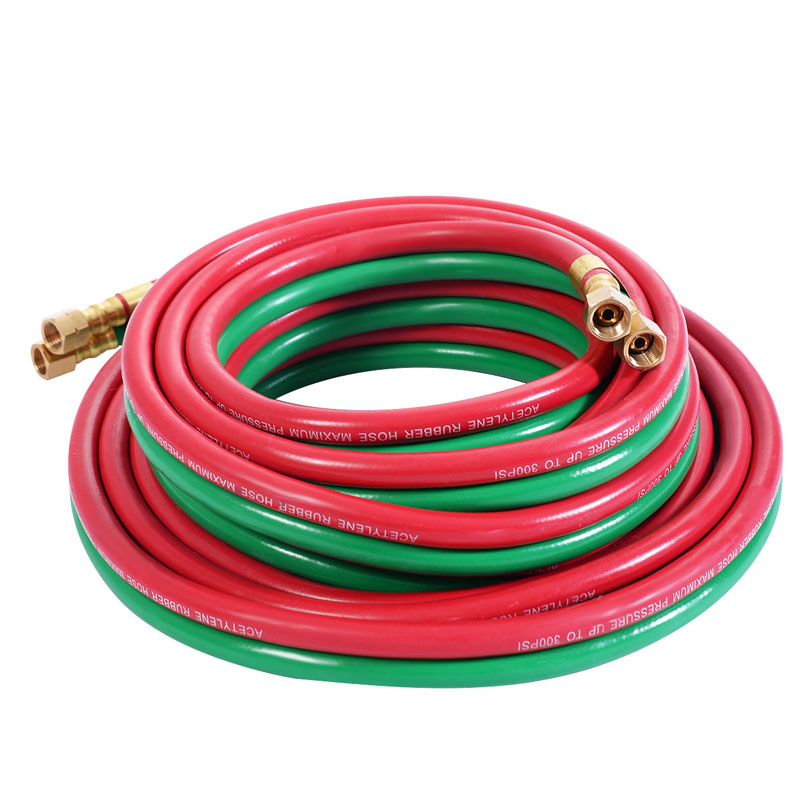
Industrial hoses, which encompass a wide range of types of industrial hoses, are crafted with distinct materials and construction methods to suit specific applications. Water hoses, a common type, find use in construction, agriculture, and general industrial scenarios for tasks such as irrigation, cooling, and cleaning. Among them, the hot water washdown hose is specifically designed for high-temperature water applications, often seen in food processing plants or industrial cleaning areas where hot water is required for sanitization.
Air hoses are engineered for pneumatic tools, compressors, and other air-powered equipment in manufacturing and construction. In the automotive industry, automotive hose sizes vary significantly depending on the specific application within a vehicle. Custom automotive hoses are frequently fabricated to meet the unique requirements of high-performance cars or specialized automotive systems, ensuring optimal fit and functionality.
Chemical hoses, highly resistant to corrosive substances, are deployed in chemical plants and laboratories. EPDM rubber hoses, known for their excellent resistance to heat, ozone, and a wide range of chemicals, often fall into the category of chemical hoses and are also used in many other industrial applications where durability and chemical resistance are crucial.
Food grade hoses, made with non-toxic materials and compliant with strict hygiene standards, are essential for transferring milk, juices, oils, and other consumables in the food and beverage industry. Petroleum hoses handle the transfer of fuel, oil, and other hydrocarbons, playing a vital role in oil and gas operations. Material handling hoses are utilized to transport abrasive materials like sand, cement, and grain in mining, construction, and agriculture. Steam hoses, designed to withstand high temperatures, are employed in cleaning, sterilization, and heating applications. These diverse types of industrial hoses comprehensively cater to the specific demands of industries, guaranteeing safe, efficient, and durable material transfer.
Types of Industrial Hoses FAQs
What are the main causes of industrial hose failure?
Common causes include overpressure, improper installation, connector mismatch, chemical incompatibility, and aging. Environmental factors like UV and ozone exposure also accelerate hose deterioration.
How can I prevent cracking and bulging in hoses?
Select hoses made from suitable materials, use compatible connectors, avoid exceeding pressure ratings, and perform regular inspections to detect early wear.
Why does hose leakage occur even in new hoses?
Leakage can result from poor manufacturing quality, substandard silicone hose manufacturer processes, or improper installation causing internal stress and micro-cracks.
How often should industrial hoses be replaced?
Replacement intervals depend on application and material type, but typically every 3–5 years, or sooner if visual or pressure test indicators suggest wear.
What should I look for in reliable hose manufacturers?
Choose hose manufacturers that provide certified testing data, consistent material quality, and clear specifications on pressure, temperature, and chemical compatibility.
Product Application