

Hydraulic hoses are essential components in modern industrial systems. They carry high-pressure fluids, withstand vibration, and endure harsh environmental conditions. Protecting these hoses is critical to prevent unexpected system failures, ensure operational safety, and reduce maintenance costs. Among the most commonly used solutions are flexible braided hose, braided pipe, braided steam hose, and high temp braided hose. Each type has unique characteristics that demand specific handling, installation, and maintenance practices. This guide explains practical methods to extend hose life and maintain reliable system performance.
Proper Installation Practices For Flexible Braided Hose
The first step in protecting a flexible braided hose is proper installation. The hose must be routed with consideration for natural movement during system operation. Twisting, excessive bending, or stretching can compromise internal reinforcement layers, leading to premature fatigue or rupture. It is essential to maintain a bend radius that meets manufacturer specifications and avoid contact with sharp edges, hot surfaces, or moving machinery.
Industrial systems often employ clamps, guides, or brackets to secure hoses without restricting their movement. This prevents vibration-induced wear, reduces the risk of hose rubbing against adjacent equipment, and maintains optimal fluid flow. Additionally, proper routing minimizes kinking, which can disrupt system pressure and flow, ensuring that the flexible braided hose maintains consistent performance over its service life.
Periodic checks after installation are recommended. Observing for any signs of movement restriction, rubbing, or unexpected strain ensures that early corrective measures can be applied before permanent damage occurs.
Abrasion Control Methods For Braided Pipe
Hoses in industrial applications often encounter abrasion, which is one of the most common causes of failure in braided pipe systems. Surface damage caused by friction against sharp edges or moving components can weaken the hose cover and expose reinforcement fibers, reducing pressure resistance and flexibility.
Protection strategies include using external sleeves or spiral wraps, placing hoses away from high-contact areas, and employing proper clamps and guides. In some applications, hoses are run through channels lined with low-friction materials to further reduce wear. These measures are especially important for braided pipe installed in high-vibration machinery or dynamic systems where repeated movement can accelerate wear.
Inspection routines for abrasion should include visual and tactile checks. Any signs of fraying, surface cracking, or exposure of internal layers should trigger immediate replacement to prevent sudden failure. Regular monitoring ensures the braided pipe continues to provide reliable hydraulic performance.
Thermal Management Solutions For Braided Hose
High-temperature hydraulic systems demand careful heat management for braided hydraulic hose. Exposure to elevated temperatures can cause accelerated aging, loss of elasticity, and potential failure. Insulation materials, heat shields, and routing strategies that separate hoses from hot equipment are key preventive measures.
In industrial plants where steam or hot hydraulic fluids are used, maintaining a safe distance from heat sources helps preserve the hose’s integrity. Additionally, airflow or cooling devices may be employed to reduce surface temperatures, extending the braided hydraulic hose life. Proper thermal management ensures that the hose maintains pressure handling capacity and flexibility, preventing unexpected operational disruptions.
Maintenance includes periodic inspection for heat-related wear, such as discoloration, hardening, or blistering. Addressing these issues early allows replacement before severe damage occurs, ensuring continuous and safe system operation.
Maintenance And Inspection For High Temp Braided Hose
Hoses operating under high temperatures require rigorous inspection and preventive maintenance. For high temp braided hose, visual checks should be conducted regularly to identify signs of deformation, blistering, leaks, or surface cracks. Maintenance schedules should consider operational hours, environmental conditions, and fluid characteristics.
Routine inspections allow for timely intervention, reducing the risk of catastrophic failures that could disrupt production. Industrial systems often incorporate maintenance logs and checklists for all critical hoses, including high temp braided hose, ensuring consistent monitoring and replacement when necessary.
Preventive replacement strategies are recommended for hoses exposed to extreme conditions. This minimizes downtime, ensures safety, and maintains the reliability of hydraulic and steam systems across demanding operations.
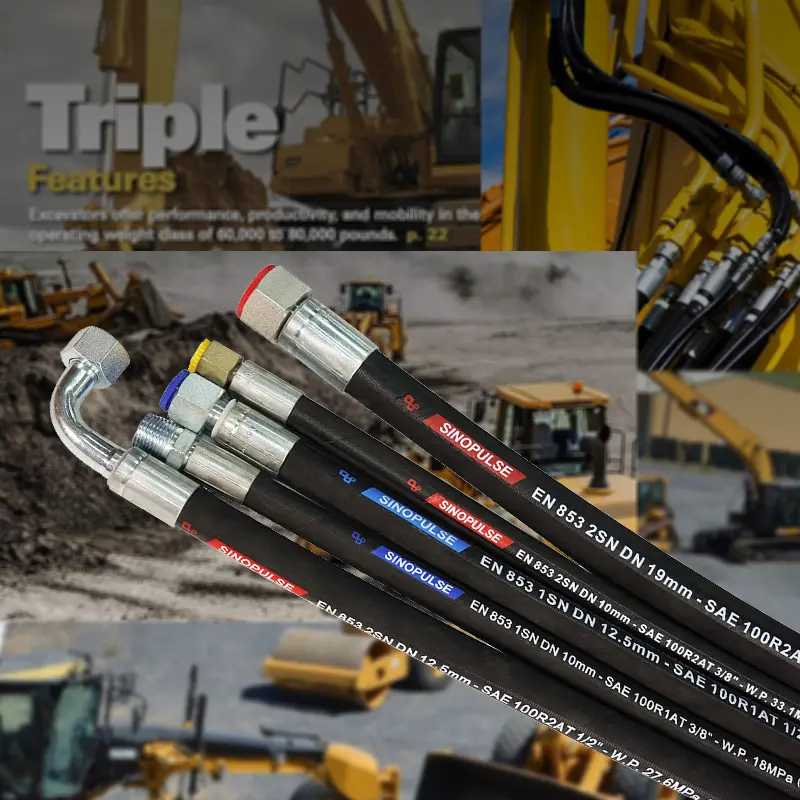
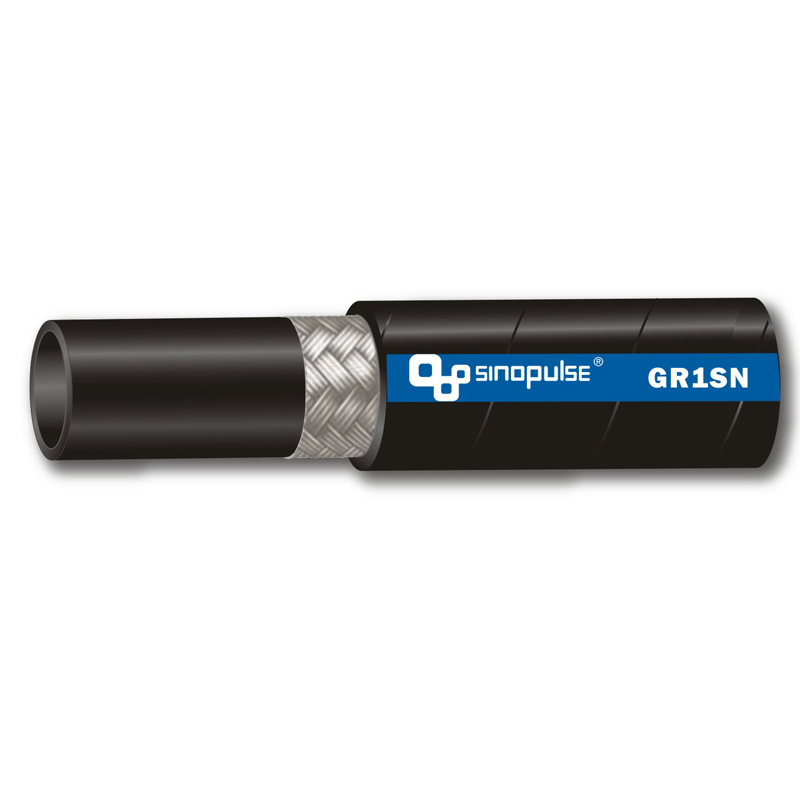
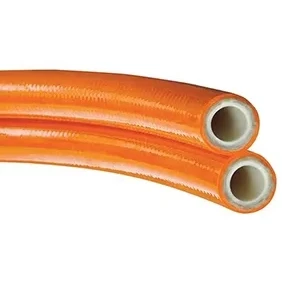
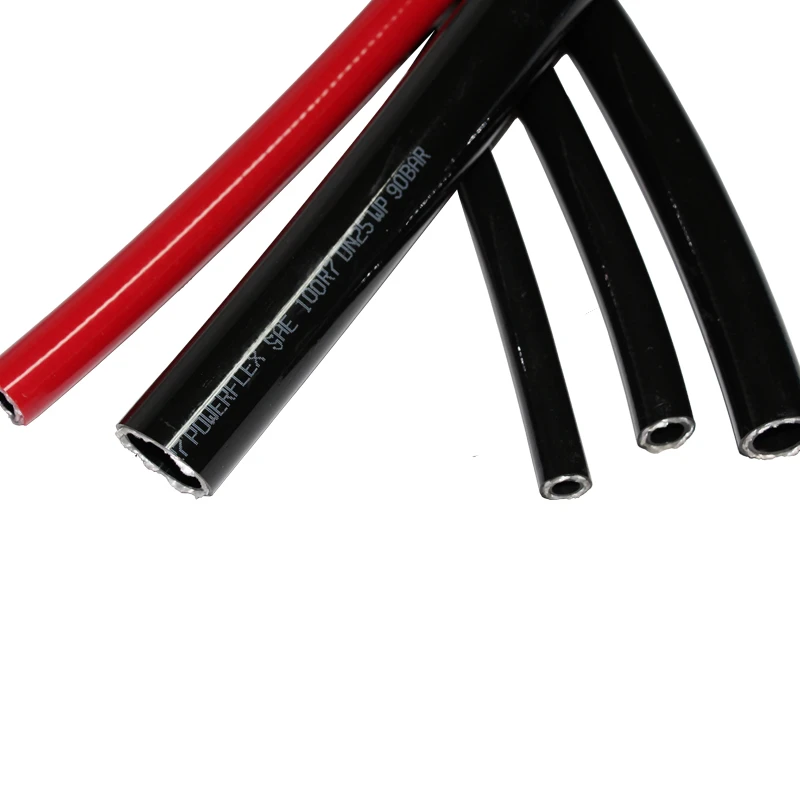
A steel wire braiding hydraulic hose is a type of flexible hose designed for hydraulic systems, reinforced with one or multiple layers of braided steel wire to enhance its strength and pressure-handling capabilities. Unlike textile-reinforced hoses, steel wire braiding provides superior resistance to high pressure, making it ideal for heavy-duty applications like construction equipment, industrial machinery, and mining operations. These steel braided hoses are also more durable under extreme conditions, such as high temperatures and abrasion, ensuring reliable performance in demanding environments. The braided construction offers flexibility while maintaining high tensile strength, which helps prevent hose deformation under pressure. Compared to spiral wire-reinforced hoses, steel braided hoses are lighter and more flexible. Their compatibility with a wide range of hydraulic fluids, including petroleum-based oils and synthetic fluids, further enhances their versatility in various industries. The combination of durability, pressure resistance, and flexibility makes this steel braided hose a preferred choice for applications that demand consistent performance under tough conditions.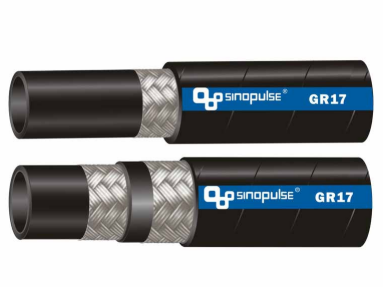
Integrated Protection Strategies For Industrial Hoses
Industrial hydraulic systems benefit from a holistic protection approach. Combining proper installation, abrasion prevention, thermal management, and scheduled inspections ensures maximum lifespan for hoses including flexible braided hose, braided pipe, braided steam hose, and high temp braided hose.
Preventive strategies should be tailored to system requirements. For instance, dynamic systems with high movement rates require flexible routing and abrasion protection, while high-temperature systems demand insulation and heat shielding. Documentation of hose specifications, maintenance schedules, and inspection results supports proactive management and prevents unexpected downtime.
Training personnel in correct handling and installation practices further enhances hose protection. Proper knowledge reduces risks from operator error and ensures consistent application of best practices across all industrial settings.
Protecting hydraulic hoses requires a combination of proper installation, abrasion prevention, thermal control, and rigorous maintenance. Using high-quality products such as flexible braided hose, braided pipe, braided steam hose, and high temp braided hose, combined with disciplined maintenance practices, improves system reliability, reduces downtime, and ensures safe operation under demanding industrial conditions.
Flexible Braided Hose FAQs
How Do I Properly Install A Flexible Braided Hose?
Correct installation of a flexible braided hose involves proper routing, avoiding twisting, over-bending, and ensuring sufficient slack. These steps prevent internal stress and extend service life.
How Can I Prevent Abrasion On A Braided Pipe?
A braided pipe should be protected with protective sleeves, guides, and clamps. Proper positioning away from sharp edges or moving components minimizes wear and maintains pressure integrity.
How Do I Protect A Braided Steam Hose From High Temperatures?
Use insulation, heat shields, and safe spacing to protect a braided steam hose. These measures slow aging, prevent cracking, and maintain flexibility under high-temperature conditions.
How Should I Maintain A High Temp Braided Hose?
Routine visual inspection of a high temp braided hose is crucial. Check for deformation, blistering, or leakage, and replace hoses showing signs of wear to maintain system safety.
Why Is A Steel Braided Hose Preferred In Industrial Applications?
Steel braided hoses provide high pressure resistance, durability under extreme temperatures, and flexibility, making them more reliable than textile or spiral reinforced hoses in demanding operations.
Product Application