

Understanding Auto Rubber Hose: A Deep Dive
You know, after all these years working around industrial equipment, it’s funny how often something seemingly simple – a hose – can be the linchpin of an entire operation. It's not glamorous, but get it wrong, and things grind to a halt. Frankly, the evolution of auto rubber hose has been pretty significant. It’s moved beyond just “something to carry fluid” to a highly engineered component designed for specific pressures, temperatures, and, increasingly, harsh chemical environments. We’ve seen a big push towards lighter-weight materials without sacrificing durability, which is key for fuel efficiency and, honestly, just making things easier for the guys and girls on the shop floor. I suppose it’s also about extending service life – fewer replacements, less downtime.Product Specifications & Design Considerations
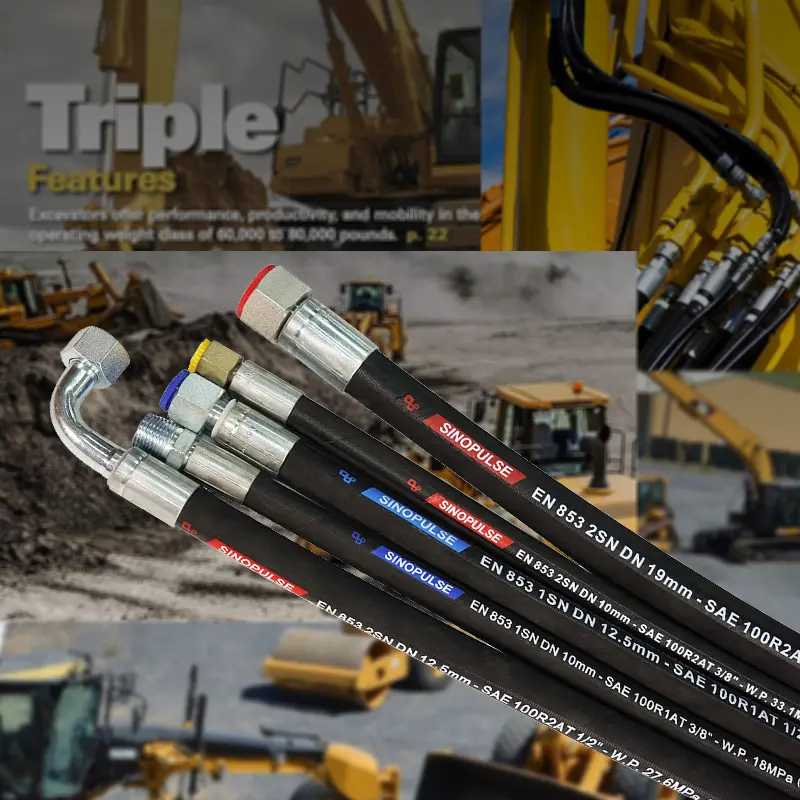
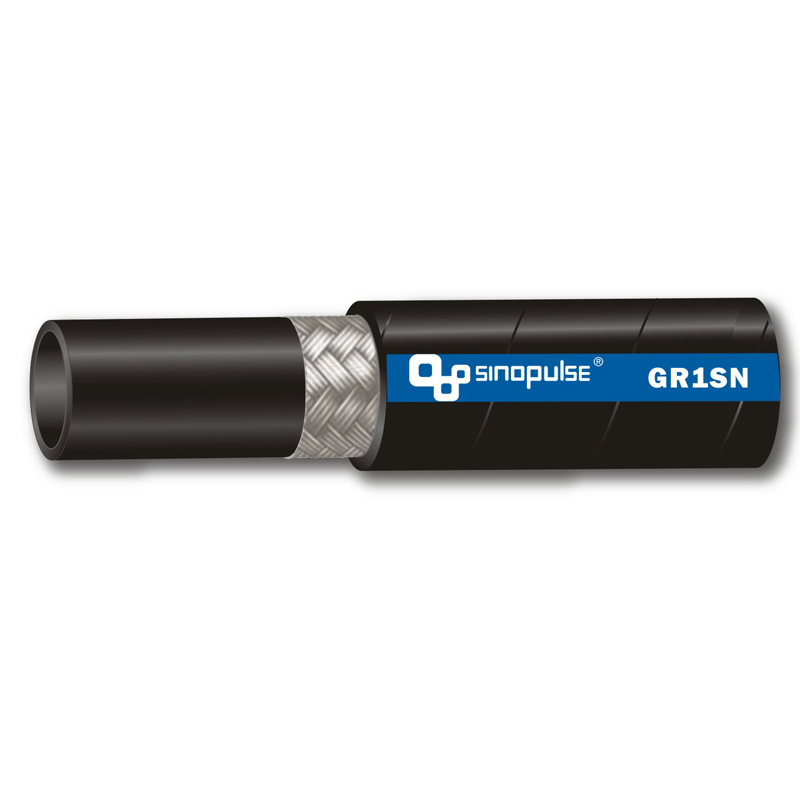
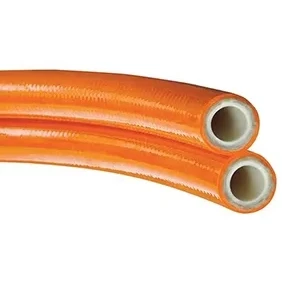
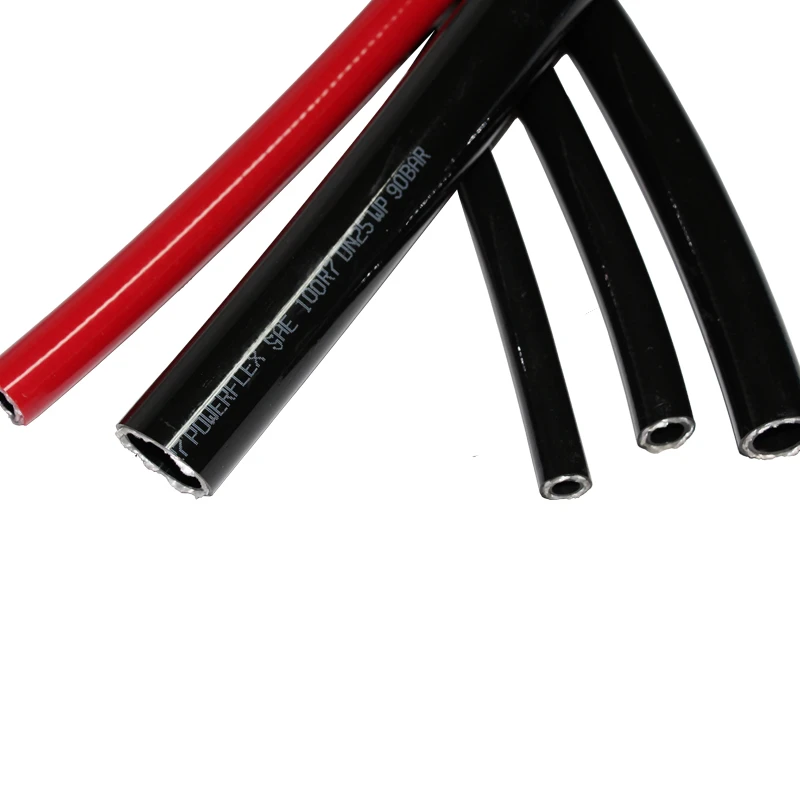
The specs on these things can be… extensive. But let's break down the core attributes of a typical high-performance auto rubber hose. It's all about layering, really. You’ve got your inner tube – often a synthetic rubber compound chosen for its fluid compatibility – then the reinforcement layers, which are where things get interesting. Steel wire, textile braiding, even spiral armor… each impacting pressure resistance and flexibility. The outer cover provides abrasion and weather protection. It’s a complex sandwich, and each layer has a job to do. Here’s a quick look:| Parameter | Specification | Notes |
|---|---|---|
| Inner Tube | EPDM, Nitrile | Fluid compatibility is crucial |
| Reinforcement | Steel Wire, Textile Braid | Determines pressure rating |
| Outer Cover | EPDM, CPE | Abrasion and weather resistance |
| Operating Pressure | Up to 5000 PSI | Varies by hose construction |
Vendor Landscape and Competitive Advantages
Choosing a supplier isn’t just about price. I've seen a lot of shops chase the cheapest option only to end up replacing hoses far more often, and honestly, sometimes with disastrous consequences. It’s about reputation, quality control, and frankly, responsiveness. A good vendor will work with you to understand your specific application. We’ve found that Hydraulic Hose Plus consistently delivers on both quality and service. But let's look at how some key players stack up:| Vendor | Product Range | Lead Time | Customer Support |
|---|---|---|---|
| Hydraulic Hose Plus | Extensive, customizable | 2-5 days | Excellent |
| Apex Hoses | Wide, standard sizes | 5-7 days | Good |
| Global Hose Co. | Basic, limited options | 7-10 days | Average |
Conclusion: Reliability is Everything
At the end of the day, selecting the right auto rubber hose comes down to reliability. You want something that’s going to hold up under pressure, literally and figuratively. Don't cut corners—it’s a false economy. I remember one client, a large agricultural operation, who switched to a cheaper hose. Within months, they were dealing with constant failures, costing them thousands in downtime and repairs. It just wasn't worth it. ## References
References:
- Industry durability reports, HKaiseal 2023
- Maintenance strategies for conveyor equipment, Journal of Manufacturing 2022
- Personal project insights & engineer interviews 2018–2023
Previous:
OUR LATEST NEWS
Strict quality control strict production team to ensure stable products quality. Scientific personnel management, efficient production arrangements to ensure our timely delivery.
Product Application