

Understanding Silicone Auto Hoses: A Comprehensive Guide
In the world of automotive performance and reliability, the often-overlooked component of the engine cooling and intake systems – the auto hose – plays a critical role. Traditional rubber hoses are prone to degradation from heat, oil, and pressure. This is where silicone auto hoses come into play, offering a superior alternative. This article delves into the benefits, applications, and considerations for choosing silicone hoses, providing a detailed overview for automotive enthusiasts, mechanics, and anyone looking to enhance their vehicle's performance. Ensuring your cooling and intake systems are equipped with quality hoses is crucial for preventing costly engine damage and maintaining optimal vehicle operation.
The Advantages of Silicone Auto Hoses
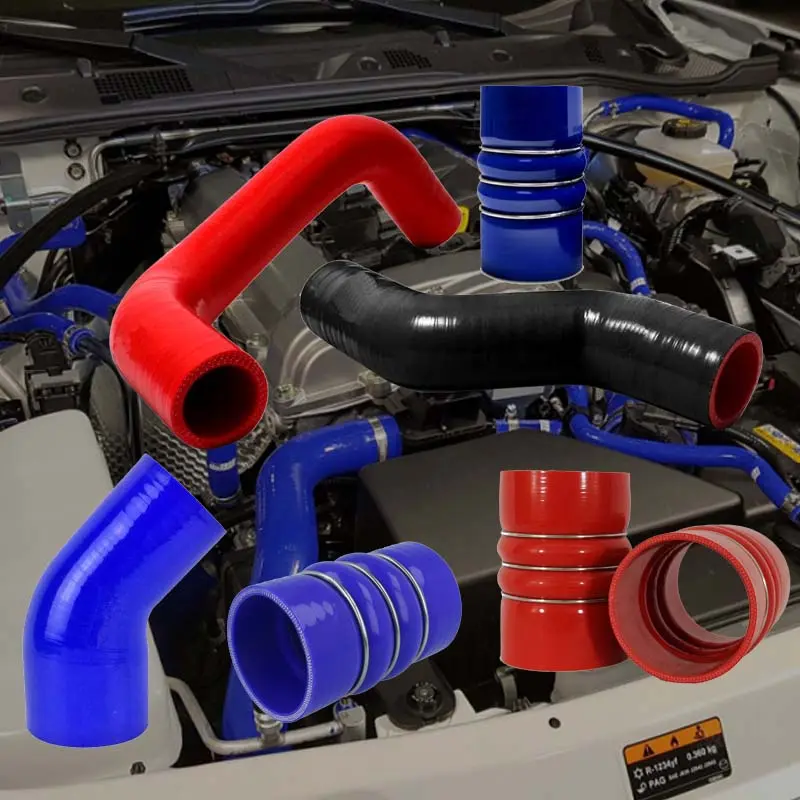
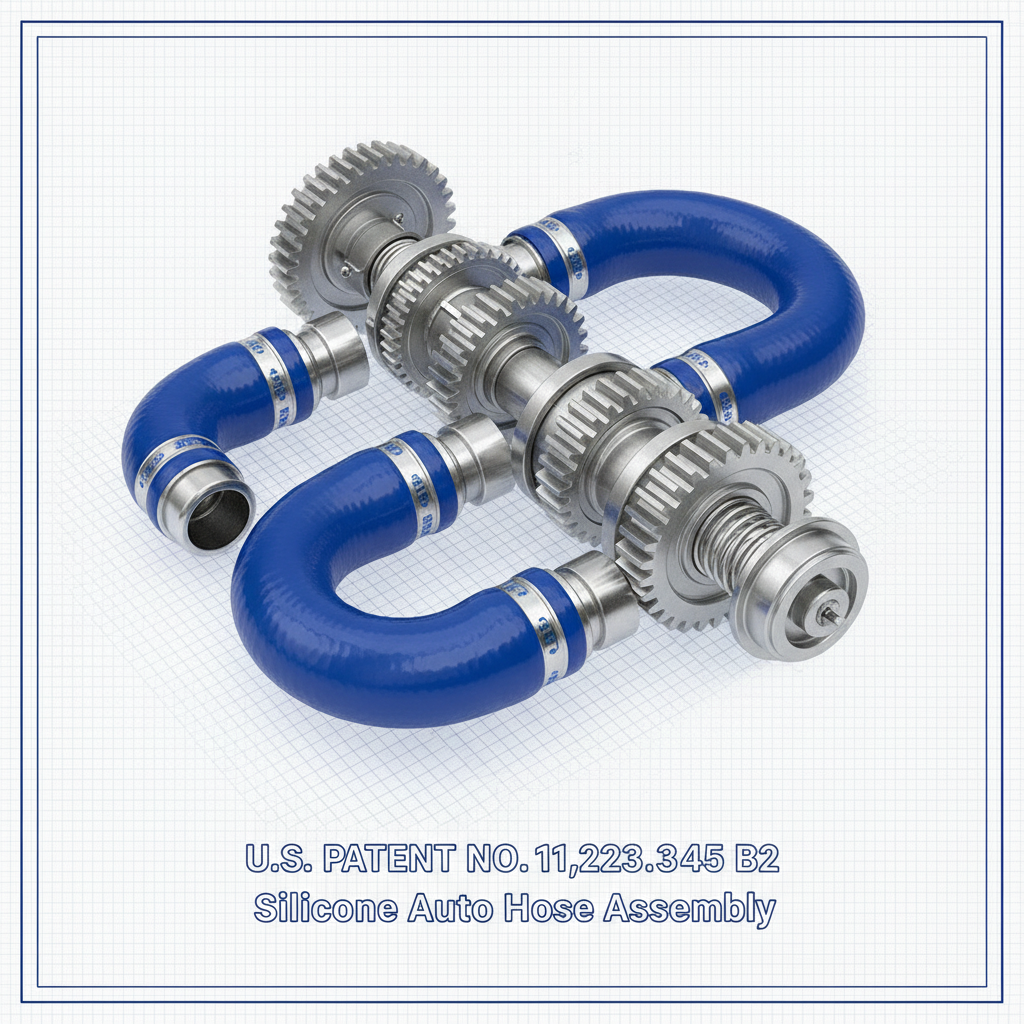
Compared to traditional rubber hoses, silicone auto hoses offer a multitude of benefits. They exhibit exceptional resistance to high temperatures, often withstanding temperatures up to 500°F (260°C) without degradation. This is particularly important in modern engines that generate significant heat. Silicone also doesn’t swell or crack when exposed to oil, coolant, or other automotive fluids. This durability translates to a longer lifespan, reducing the frequency of replacements and saving you money in the long run. Furthermore, silicone hoses maintain their flexibility over time, ensuring a secure and reliable seal, preventing leaks and maintaining optimal system performance. Explore the range of premium silicone hoses available at Hydraulic Hose Plus.
Key Benefits: Superior heat resistance, resistance to fluids, increased durability, and long-term reliability.
Silicone vs. Rubber Auto Hoses: A Direct Comparison
Understanding the differences between silicone and rubber hoses is essential for making an informed decision. Rubber hoses, while more affordable upfront, are susceptible to cracking, swelling, and degradation over time. Silicone hoses, although initially more expensive, offer a significantly longer lifespan and improved performance, ultimately providing better value. The following table highlights a direct comparison:
Applications of Silicone Auto Hoses
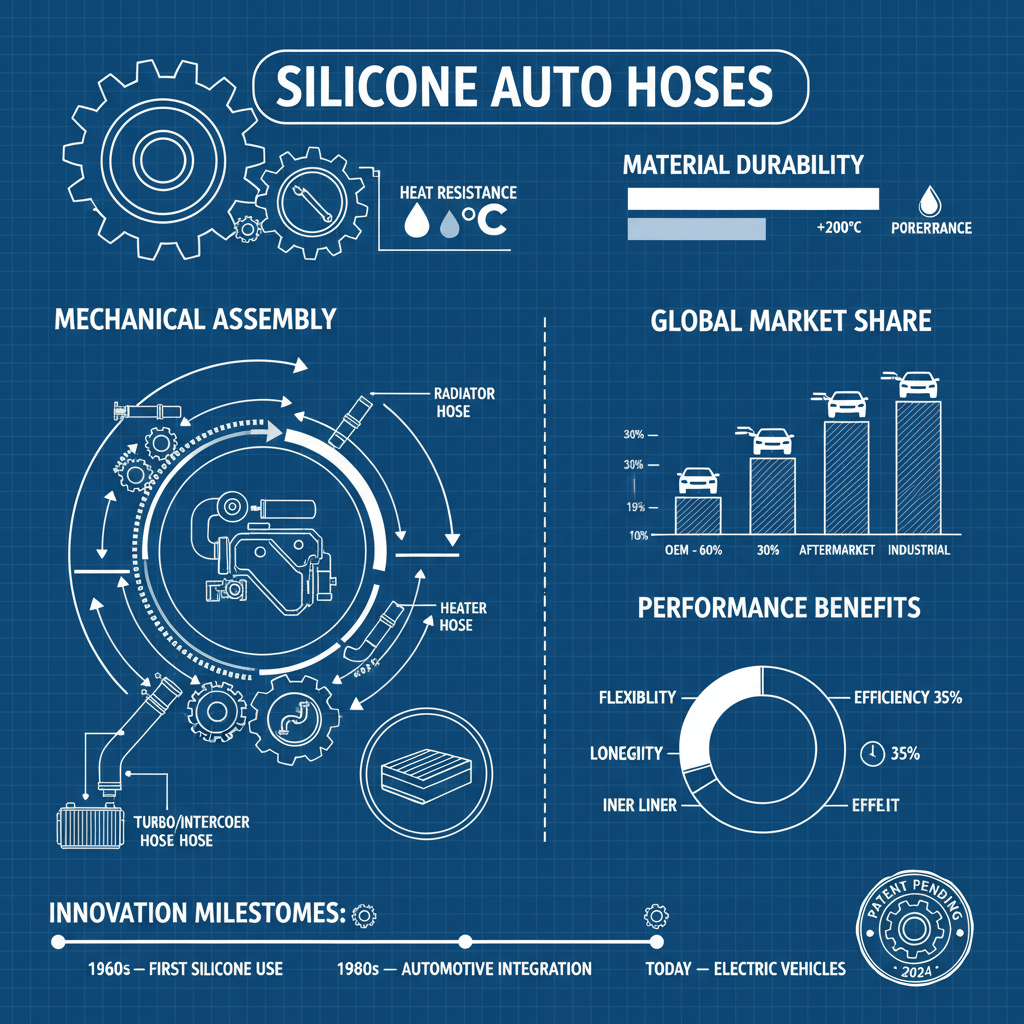
Silicone auto hoses are used in a variety of applications, including: radiator hoses, heater hoses, turbocharger hoses, intercooler hoses, and intake hoses. They are particularly beneficial in performance vehicles, turbocharged engines, and vehicles operating in extreme temperatures. They're also ideal for classic car restorations, where original rubber hoses are likely deteriorated. Investing in silicone hoses for these applications can drastically improve engine reliability and performance. Check out Hydraulic Hose Plus's catalog for a wide selection of sizes and configurations.
Choosing the Right Silicone Auto Hose
Selecting the correct silicone hose is crucial. Consider the hose diameter, length, and angle required for your specific application. Ensure the hose is compatible with the fluids it will be exposed to (coolant, oil, etc.). Look for hoses reinforced with polyester or stainless steel braiding for added strength and durability, especially in high-pressure applications. Properly sized and reinforced hoses will prevent collapse, swelling, and leaks, ensuring optimal system performance. At Hydraulic Hose Plus, we offer expert guidance to help you select the right hose for your needs.
Installation and Maintenance of Silicone Hoses
Installing silicone auto hoses is generally straightforward, but it's essential to follow best practices. Ensure the hose ends are clean and free of debris. Apply a small amount of silicone grease to the hose interior to facilitate installation and create a secure seal. Use appropriate hose clamps, tightening them securely but avoiding over-tightening, which could damage the hose. Regularly inspect your silicone hoses for any signs of damage, such as cracks, swelling, or leaks. Proper maintenance will extend the lifespan of your hoses and ensure optimal system performance.
Conclusion: Enhance Your Vehicle with Silicone Auto Hoses
Investing in silicone auto hoses is a smart choice for any vehicle owner seeking enhanced performance, reliability, and longevity. Their superior heat and fluid resistance, coupled with their long lifespan, make them a worthwhile upgrade over traditional rubber hoses. Browse our comprehensive selection at Hydraulic Hose Plus and experience the difference today!
Frequently Asked Questions (FAQs)
What is the lifespan of a typical silicone auto hose?
The lifespan of a silicone auto hose is significantly longer than that of a rubber hose, typically ranging from 5 to 10 years or even longer depending on operating conditions and maintenance. Factors such as exposure to extreme temperatures, harsh chemicals, and UV radiation can affect the lifespan. Regular inspections and proper maintenance, such as keeping the hoses clean and free of debris, can help maximize their longevity. While silicone is incredibly durable, it's still susceptible to wear and tear over time, and replacement is recommended when signs of degradation are observed.
Are silicone hoses suitable for all vehicle types?
Yes, silicone hoses are suitable for a wide range of vehicle types, including cars, trucks, motorcycles, and even heavy-duty equipment. However, they are particularly beneficial for performance vehicles, turbocharged engines, and vehicles operating in extreme temperatures. The superior heat and fluid resistance of silicone hoses make them ideal for these applications. While they can be used in standard vehicles as well, the cost savings may not be as significant, as standard rubber hoses typically last longer in less demanding environments.
What type of coolant is compatible with silicone hoses?
Silicone hoses are generally compatible with most types of automotive coolants, including ethylene glycol, propylene glycol, and hybrid organic acid technology (HOAT) coolants. However, it's always best to consult the hose manufacturer's specifications to ensure compatibility. Avoid using coolants containing abrasive particles or those that are known to corrode silicone materials. Maintaining a proper coolant mix and regularly flushing the cooling system will help prolong the lifespan of both the hoses and the engine.
Can silicone hoses be used for oil lines?
While silicone hoses exhibit excellent oil resistance, it's crucial to choose hoses specifically designed and rated for oil line applications. Standard silicone radiator or coolant hoses may not be suitable for the higher pressures and temperatures encountered in oil lines. Look for hoses reinforced with a high-strength braiding material, such as stainless steel, to withstand the oil pressure and prevent swelling or bursting. Always refer to the hose manufacturer's specifications to ensure compatibility and safety.
Product Application