

Choosing the Right Auto Radiator Hoses for Optimal Engine Performance
Maintaining a healthy cooling system is vital for any vehicle. A key component in this system is the auto radiator hose, responsible for circulating coolant between the engine and the radiator. Selecting the right auto radiator hose isn’t simply about finding a replacement; it’s about ensuring optimal engine performance, preventing overheating, and prolonging the life of your vehicle. This article will provide a comprehensive guide to understanding, choosing, and maintaining auto radiator hoses, offering insights for both professional mechanics and car owners. We’ll delve into the different types, materials, and factors to consider when making a purchase.
Understanding Auto Radiator Hoses: Types and Materials
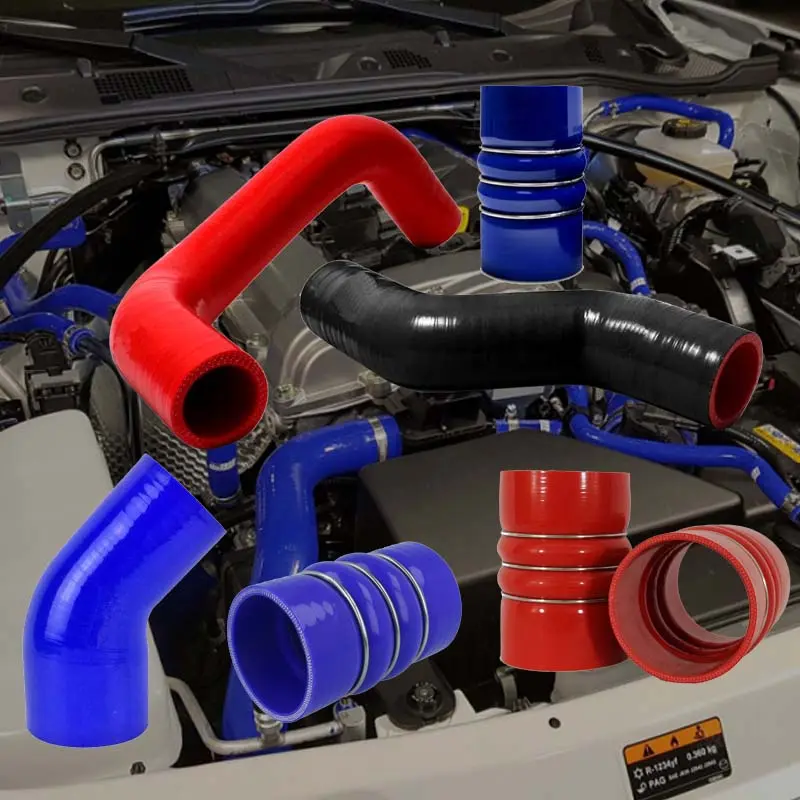
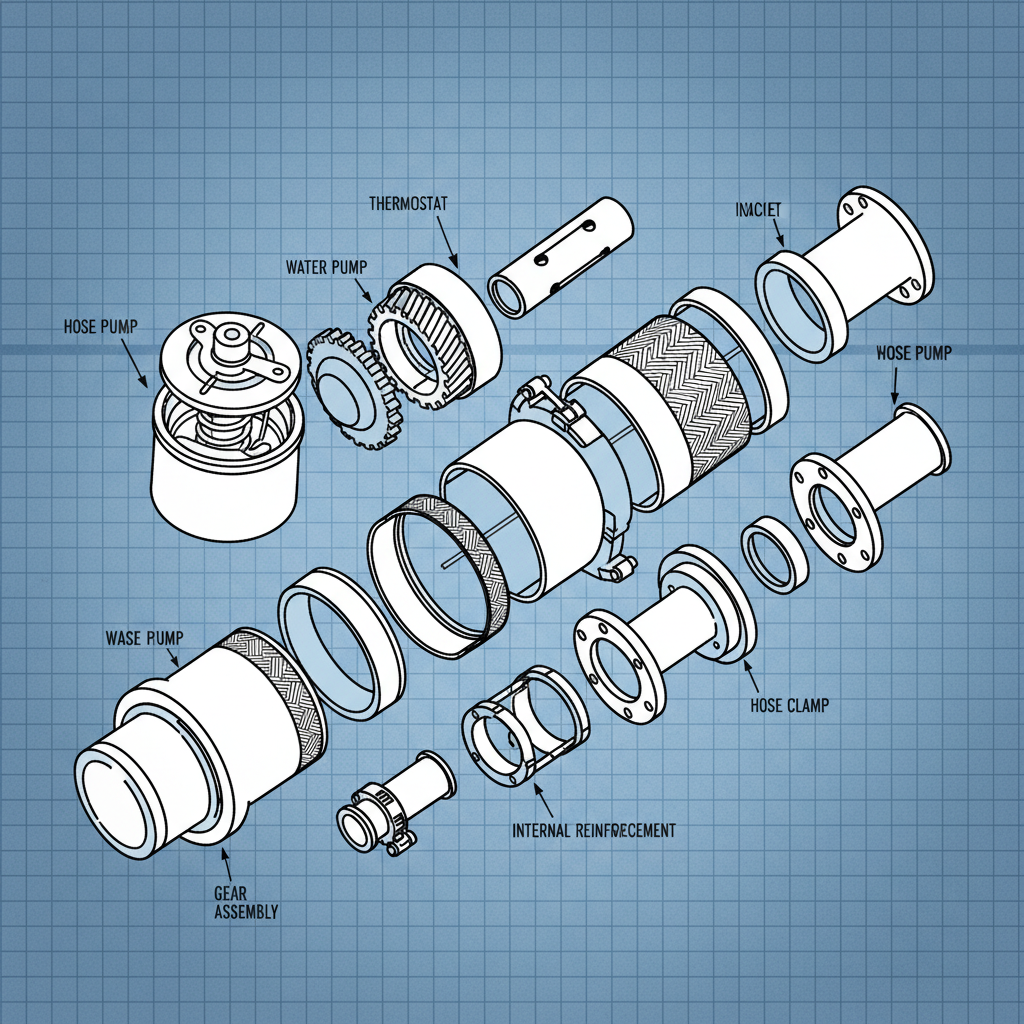
Auto radiator hoses come in various types, each designed for specific applications and offering different levels of performance. The most common types include molded hoses, which are pre-shaped to fit specific vehicle models, and universal hoses, which require cutting and fitting. In terms of materials, you'll encounter: EPDM (Ethylene Propylene Diene Monomer), known for its excellent resistance to heat, cracking, and coolant degradation; Silicone, offering superior heat resistance and longevity, often favored for high-performance vehicles; and Rubber, a more affordable option, but less durable and prone to deterioration. Choosing the right material depends on your vehicle’s requirements and your budget. At Hydraulic Hose Plus, we provide high quality hoses for all your requirements.
Key Highlights: EPDM offers excellent all-around performance, while silicone provides premium heat resistance and durability. Rubber is an economical option for less demanding applications.
Key Considerations When Choosing Auto Radiator Hoses
Selecting the correct auto radiator hose requires careful consideration of several factors. First, vehicle compatibility is paramount. Ensure the hose is designed for your specific make and model. Second, consider the hose diameter and length. Incorrect sizing can lead to leaks and reduced cooling efficiency. Third, pay attention to the hose construction. Reinforced hoses, with multiple layers of materials, offer greater durability and resistance to bursting. Finally, consider the climate you live in. Extreme temperatures can significantly impact hose performance, so choose a material that can withstand those conditions.
Important Considerations:
• Vehicle compatibility is essential.
• Correct hose diameter and length are critical.
• Reinforced hoses offer greater durability.
• Climate impacts hose material selection.
Auto Radiator Hose Materials: A Detailed Comparison
To help you make an informed decision, here's a comparison of the most common auto radiator hose materials:
Proper Installation and Maintenance for Longevity
Correct installation is crucial for maximizing the lifespan of your auto radiator hoses. Ensure hose clamps are properly tightened, but avoid over-tightening, which can damage the hose. Regularly inspect hoses for signs of cracking, swelling, or leaks. Flush the cooling system according to your vehicle manufacturer’s recommendations. Avoid using harsh chemicals or abrasive cleaners on the hoses, as these can accelerate deterioration. Replace hoses proactively, even if they appear to be in good condition, especially as they age. Hydraulic Hose Plus offers expert advice and guidance on proper hose maintenance.
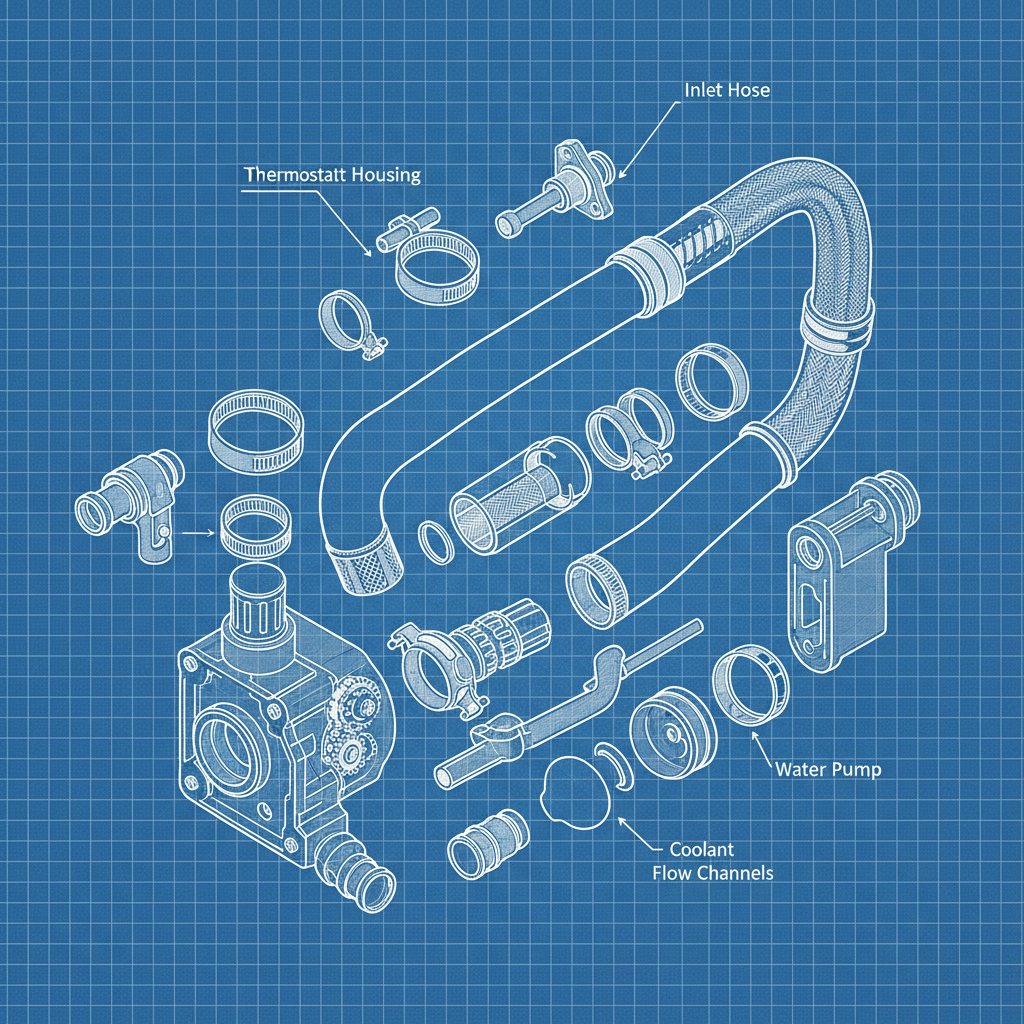
Product Specifications Example
Below is an example of the specifications you might find for one of our premium EPDM auto radiator hoses:
Conclusion: Investing in Quality Auto Radiator Hoses
Choosing the right auto radiator hoses is a critical investment in your vehicle’s health and performance. By understanding the different types, materials, and maintenance requirements, you can ensure optimal cooling system function and prevent costly repairs. At Hydraulic Hose Plus, we are committed to providing high-quality hoses and expert advice to keep your vehicle running smoothly.
Frequently Asked Questions (FAQs)
How often should I replace my auto radiator hoses?
Generally, auto radiator hoses should be replaced every 4 to 5 years, or 60,000 miles, whichever comes first. However, this can vary depending on driving conditions and hose material. Visually inspect your hoses regularly for signs of cracking, swelling, or leaks. If you notice any of these issues, replace the hoses immediately. Ignoring these symptoms can lead to overheating and engine damage. At Hydraulic Hose Plus, we recommend preventative maintenance to avoid costly repairs.
What causes auto radiator hoses to fail?
Several factors can contribute to auto radiator hose failure, including heat exposure, coolant contamination, and age-related deterioration. Extreme temperatures can cause the hose material to become brittle and crack. Contaminants in the coolant can also degrade the hose over time. Finally, as hoses age, the rubber or other materials can lose their elasticity and become prone to leaks. Regularly flushing the cooling system and using the correct type of coolant can help prevent hose failure.
Can I repair a leaking auto radiator hose?
While temporary repairs like hose clamps or sealant might provide a short-term fix, they are not recommended as a long-term solution. Leaking radiator hoses should be replaced as soon as possible. A temporary repair may fail, leading to a more serious coolant leak and potential engine damage. Replacing the hose ensures a reliable and safe cooling system. Hydraulic Hose Plus stocks a wide range of replacement hoses for various vehicle makes and models.
What is the difference between upper and lower radiator hoses?
The upper radiator hose connects the engine to the top of the radiator, allowing hot coolant to flow from the engine to be cooled. The lower radiator hose connects the bottom of the radiator to the engine, returning the cooled coolant. They often differ in shape and size due to the different angles and spaces they need to navigate. It’s crucial to replace both hoses simultaneously to maintain optimal cooling system efficiency and prevent potential issues.
Product Application