Your Trusted 24 Hours Service Provider!



-
 Call Us+86-158-0331-9351
 -
 Emailcarrie@sinopulse.cn
 -
 AddressHandan City, Hebei , China
You know, I've been running around construction sites all year, dealing with everything from rebar to concrete, and let me tell you, the hydraulic hose game is… interesting. It’s not glamorous, believe me. Lots of mud, lots of grease, and a whole lot of hoses. But it’s critical. Everything runs on hydraulics, from excavators to presses. And honestly, everyone’s chasing that next big thing – stronger, lighter, more flexible. The pressure is on, pun intended.
What I've noticed lately is this big push for synthetic rubber compounds. They’re talking about better oil resistance, higher temperature tolerance. Sounds good on paper, right? But you get to a site and those things can be slick as an eel. The guys are constantly complaining about them slipping out of fittings. It's a small thing, but it slows everything down. And downtime costs money. Big money.
I've also seen a real scramble for higher pressure ratings. Everyone wants to push the limits, you know? But that often means thinner walls, and thinner walls mean… well, they’re more prone to damage. It’s a trade-off. And frankly, a lot of the time, people are over-specifying. They're buying a hose rated for 5000 psi when 3000 psi would do just fine. Just because it can handle more doesn’t mean it should.
To be honest, the biggest trend I’m seeing is a move towards lighter weight hoses. Fuel efficiency is a huge deal now, especially with everything getting bigger and more powerful. Every pound counts. But lighter weight often means thinner walls, which brings us back to durability. It's a constant balancing act.
And you’ve got the environmental push. Everyone's talking about bio-based hydraulic fluids, which is great, but they can be brutal on certain hose materials. You have to be really careful about compatibility. It’s not a one-size-fits-all situation. It's a headache, I tell ya.
Honestly, it's underestimating the application. They see a hose that technically meets the pressure requirements and just go with it. They don’t consider factors like temperature, fluid compatibility, or abrasion resistance. It's a recipe for disaster. You need to think about the whole system, not just the hose itself. A good rule of thumb is to always over-spec, within reason.
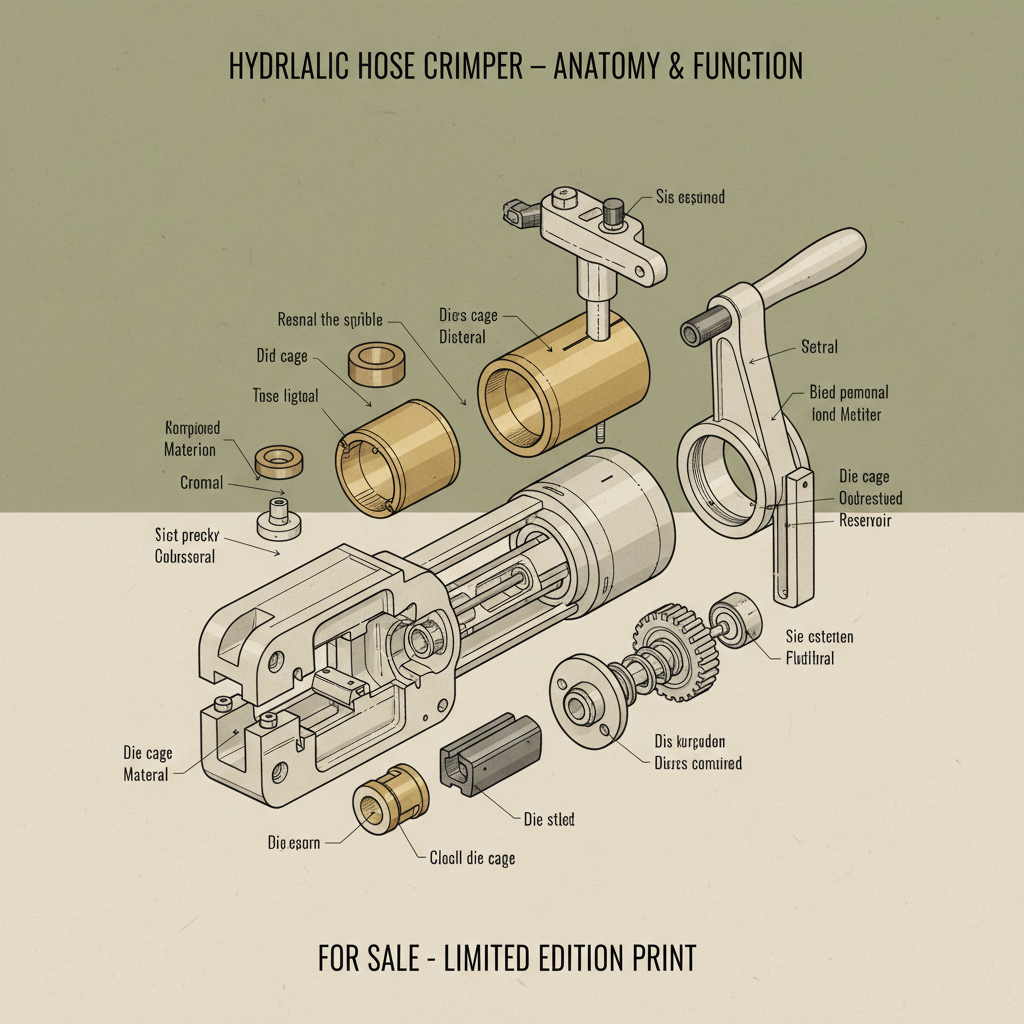
Critically important. A bad fitting can ruin a good hose. You need to make sure the fittings are compatible with the hose material and the fluid being used. And the crimp has to be perfect. I've seen hoses fail because the fitting wasn’t crimped properly. It's a small detail, but it can make a huge difference. Always use quality fittings and a qualified technician to install them.
That’s a tough one. It depends on the application, the environment, and how well it's maintained. Generally, you're looking at a few years, but in harsh conditions, it could be much less. Regular inspection is key. Look for cracks, bulges, and leaks. If you see anything suspicious, replace the hose immediately. It’s not worth risking a failure.
Not necessarily. Price doesn't always equate to quality. Sometimes, you're just paying for a fancy brand name. It's more important to choose a hose that's appropriate for the application. Do your research, read the specs, and talk to someone who knows what they're talking about. Don't just assume that the most expensive option is the best.
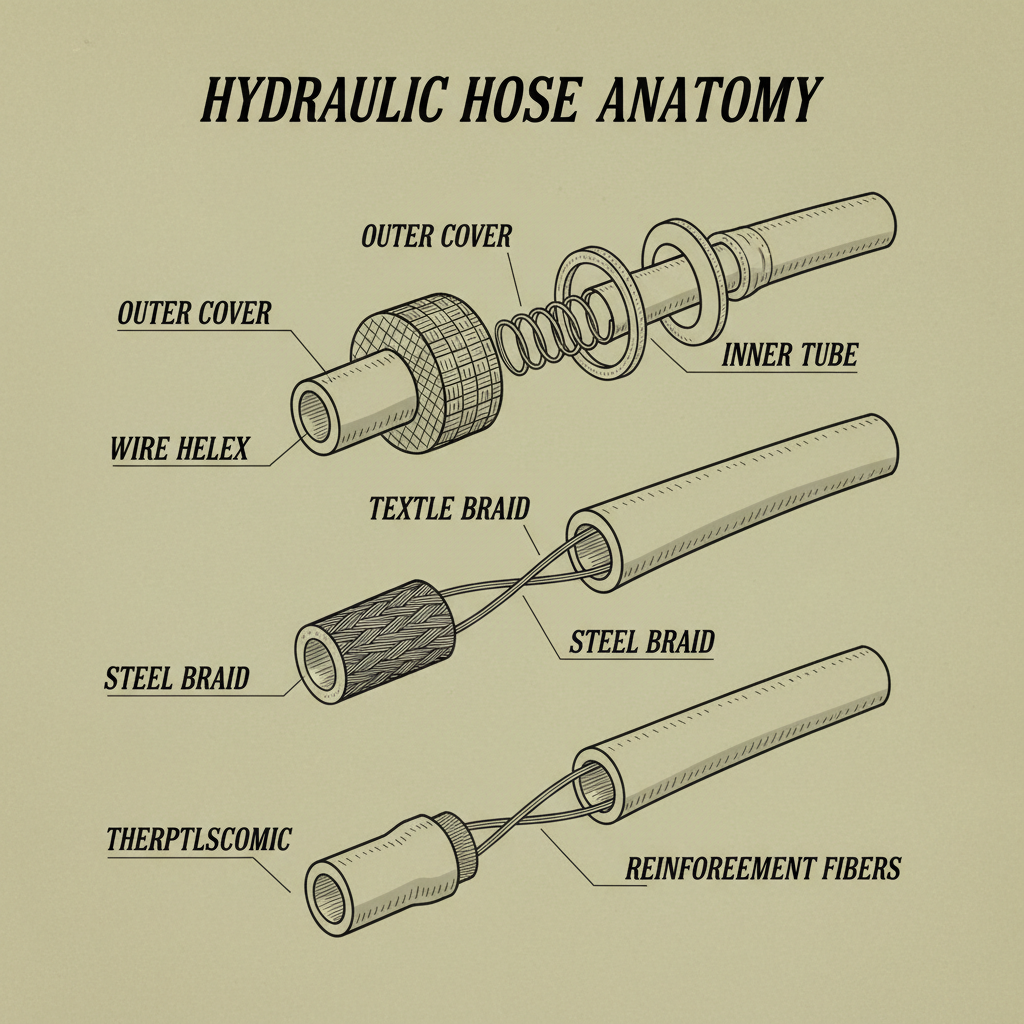
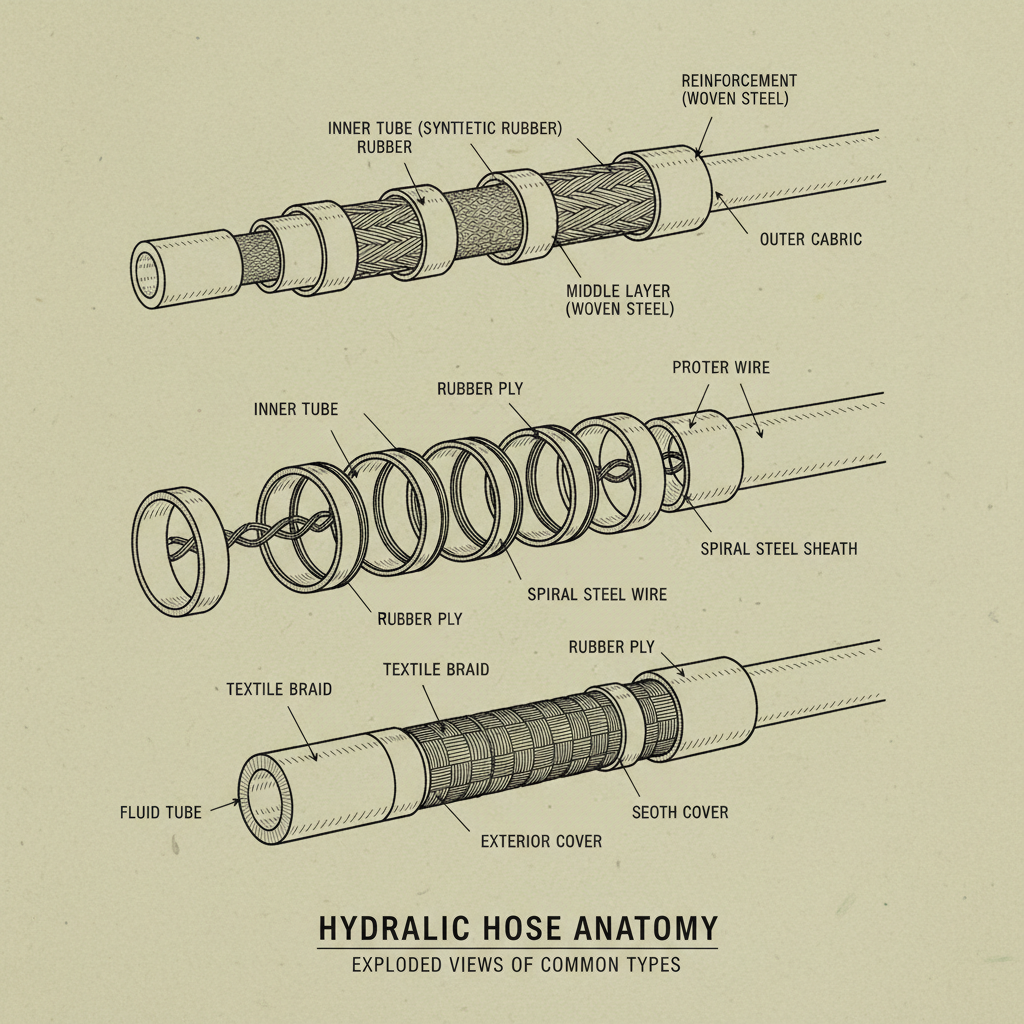
Keep them clean, dry, and out of direct sunlight. Coiling them too tightly can damage the reinforcement layers, so avoid that. If you're storing them for a long period, check them periodically for deterioration. And always store them in a way that prevents them from being kinked or crushed.
I strongly advise against it. Attempting to repair a hydraulic hose can be dangerous. It's best to replace it entirely. There are some temporary repair kits out there, but they’re really only for emergencies. They're not a long-term solution. Your safety is more important than saving a few bucks.
So, yeah, that’s the world of hydraulic hoses in a nutshell. It’s a lot more complicated than people think. It’s about materials, pressures, temperatures, abrasion, and a whole lot of practical experience. It's about understanding the application and choosing the right hose for the job.
Ultimately, whether this thing works or not, the worker will know the moment he tightens the screw. And if it leaks, well… you’ll hear about it. If you want to learn more about selecting the right hose for your needs, visit our website. We’ve got a wide selection and knowledgeable staff ready to help.