

Understanding Your Power Steering Hose: A Comprehensive Guide
The power steering hose is a critical component of your vehicle's steering system, ensuring smooth and efficient operation. Understanding its function, identifying potential issues, and knowing when replacement is necessary are key to maintaining vehicle safety and performance. This article delves into the intricacies of power steering hoses, covering everything from types and materials to troubleshooting and maintenance. Whether you're a DIY enthusiast or simply want to be a more informed car owner, this guide will provide valuable insights. A failing power steering hose can lead to difficult steering, leaks, and even complete steering failure – a situation you definitely want to avoid.
Types of Power Steering Hoses
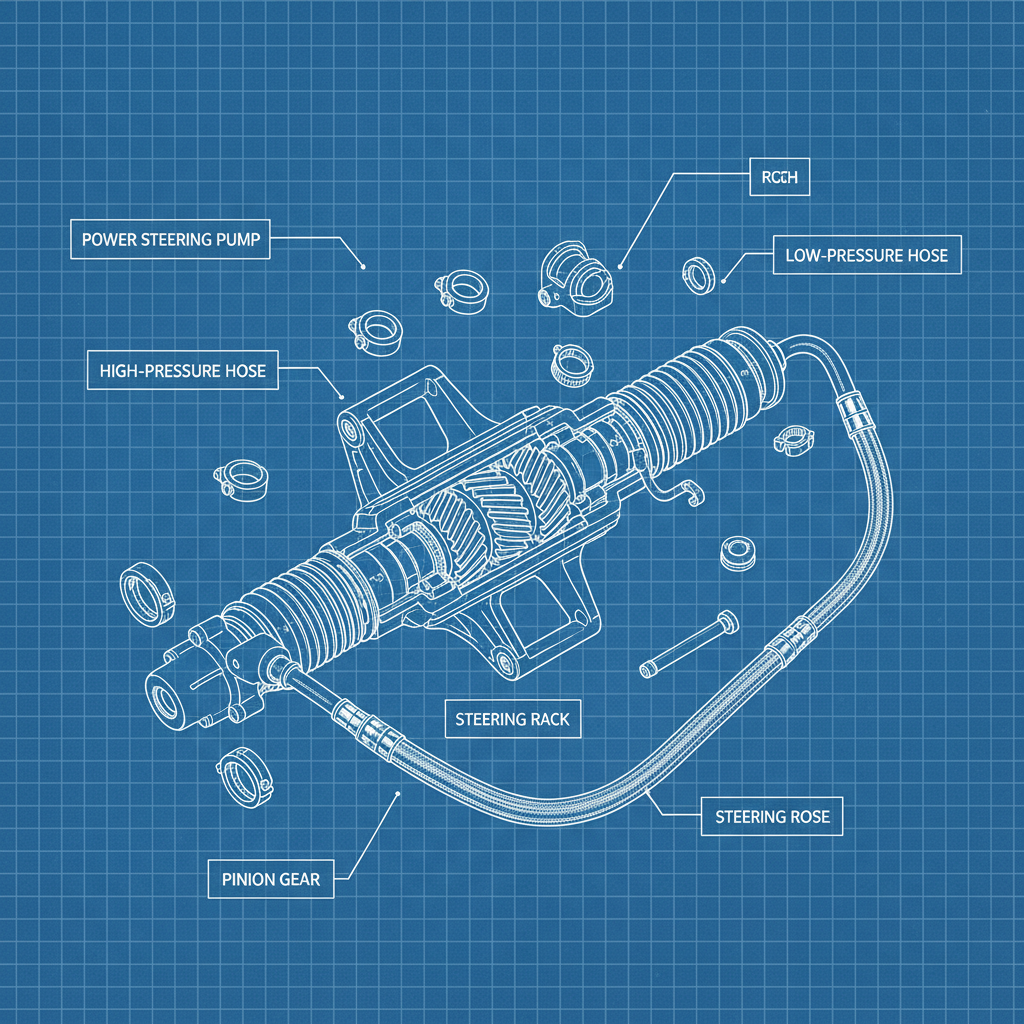
Power steering hoses aren't one-size-fits-all. They vary in construction and material depending on the vehicle make and model. The most common types include:
- Low-Pressure Return Hoses: These hoses carry fluid from the steering gear back to the power steering reservoir. They are typically larger in diameter and made of rubber.
- High-Pressure Supply Hoses: These hoses deliver pressurized fluid from the pump to the steering gear. They are reinforced with steel braiding to withstand high pressure.
- Pressure Hose with Sensor: Some vehicles integrate a pressure sensor into the high-pressure hose to monitor system performance.
Materials Used in Power Steering Hose Construction
The materials used in a power steering hose are crucial for its durability and resistance to the harsh fluids and temperatures it encounters. Common materials include:
- Synthetic Rubber: Provides flexibility and resistance to oil degradation.
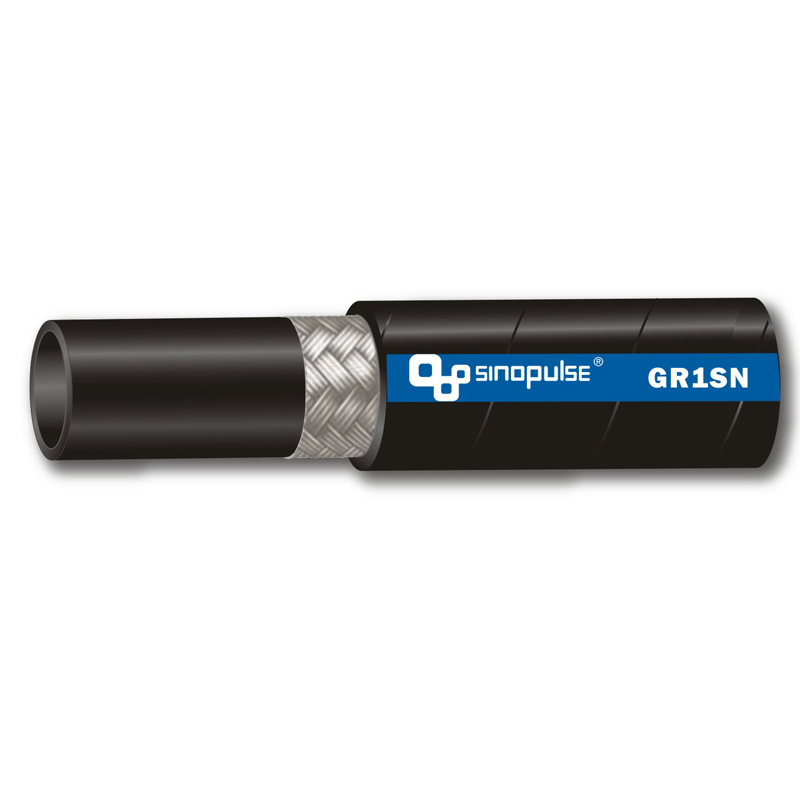
- Steel Braiding: Reinforces the hose to withstand high pressure.
- Polyester or Nylon Inner Lining: Ensures compatibility with power steering fluid and prevents leaks.
Key Takeaway: The quality of materials directly impacts the hose's lifespan and performance. Choosing a reputable supplier, like Hydraulic Hose Plus, ensures you receive a durable and reliable product.
Identifying Common Problems with Your Power Steering Hose
Several issues can arise with power steering hoses, leading to diminished steering performance. Here are some common warning signs:
- Fluid Leaks: Visible fluid under the vehicle or around the power steering pump.
- Difficult Steering: Steering feels stiff or requires excessive effort, particularly at low speeds.
- Whining Noise: A noticeable whining sound from the power steering pump, often indicating low fluid or air in the system.
- Steering Wheel Vibration: Vibration felt through the steering wheel.
Power Steering Hose Failure: A Comparison of Causes
Understanding the causes of power steering hose failure can help you prevent issues and make informed replacement decisions. Here's a breakdown of the common culprits:
Maintaining Your Power Steering System
Regular maintenance can significantly extend the life of your power steering hose and system. This includes:
- Checking Fluid Levels: Regularly check the power steering fluid reservoir and top up as needed with the correct fluid type.
- Inspecting for Leaks: Visually inspect the hoses and connections for any signs of leakage.
- Fluid Flushes: Periodically flush the power steering system to remove contaminants and maintain optimal fluid quality.
Conclusion: Prioritizing Power Steering Hose Health
Maintaining a healthy power steering system, starting with your power steering hose, is vital for vehicle safety and performance. By understanding the types of hoses, potential issues, and preventative maintenance measures, you can ensure smooth and reliable steering for years to come. For high-quality replacement hoses and expert advice, visit Hydraulic Hose Plus today!
Frequently Asked Questions (FAQs)
How often should I replace my power steering hose?
There isn't a fixed schedule for power steering hose replacement. However, a good rule of thumb is to inspect the hoses every 2-3 years, or whenever you notice signs of wear, leaks, or difficulty steering. If you live in a region with extreme temperatures or harsh road conditions, more frequent inspections are recommended. The lifespan also depends on the hose's quality and driving conditions. Proactive replacement is always better than waiting for a complete failure, which could leave you stranded. Consider a replacement every 5-7 years as a preventative measure, particularly if you haven't had them inspected recently.
Can I repair a leaking power steering hose?
While small leaks might be temporarily patched, it's generally not recommended to repair a leaking power steering hose. The pressure within the system is high, and a temporary fix is unlikely to hold long-term. Furthermore, attempting a repair could compromise the hose's structural integrity and lead to a catastrophic failure. The safest and most reliable solution is to replace the damaged hose with a new one. Hydraulic Hose Plus offers a wide selection of high-quality replacement hoses to suit your vehicle's needs.
What type of fluid should I use in my power steering system?
Using the correct power steering fluid is crucial for optimal system performance and longevity. Check your vehicle's owner's manual for the specific fluid type recommended by the manufacturer. Using the wrong fluid can cause damage to the pump, hoses, and other components. Common types include petroleum-based fluid and synthetic fluid. Mixing different types of fluid can also be detrimental, so it's best to use only the recommended fluid. If you're unsure, consult a qualified mechanic.
Product Application