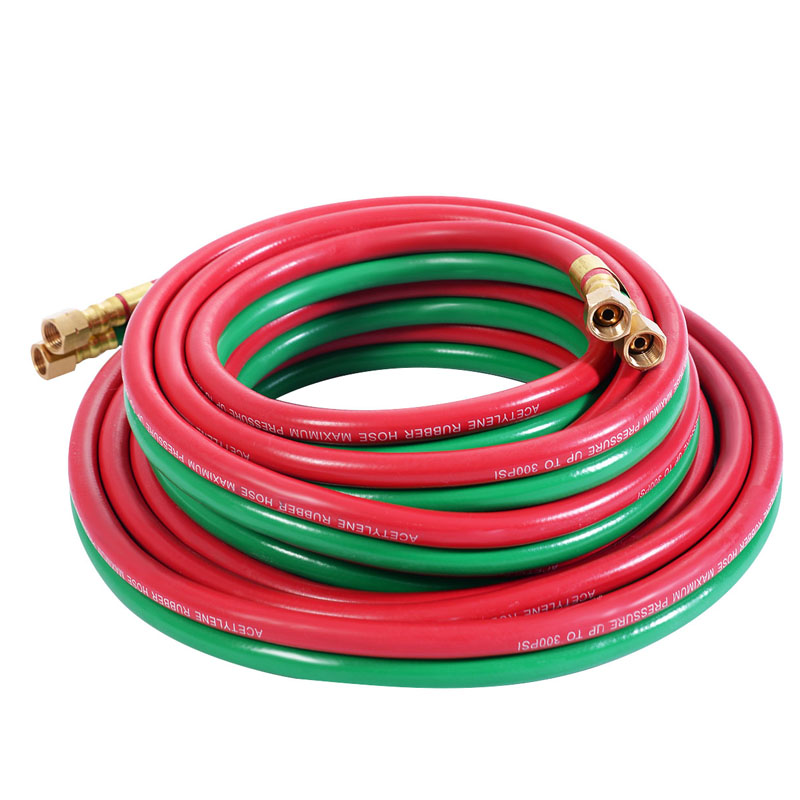
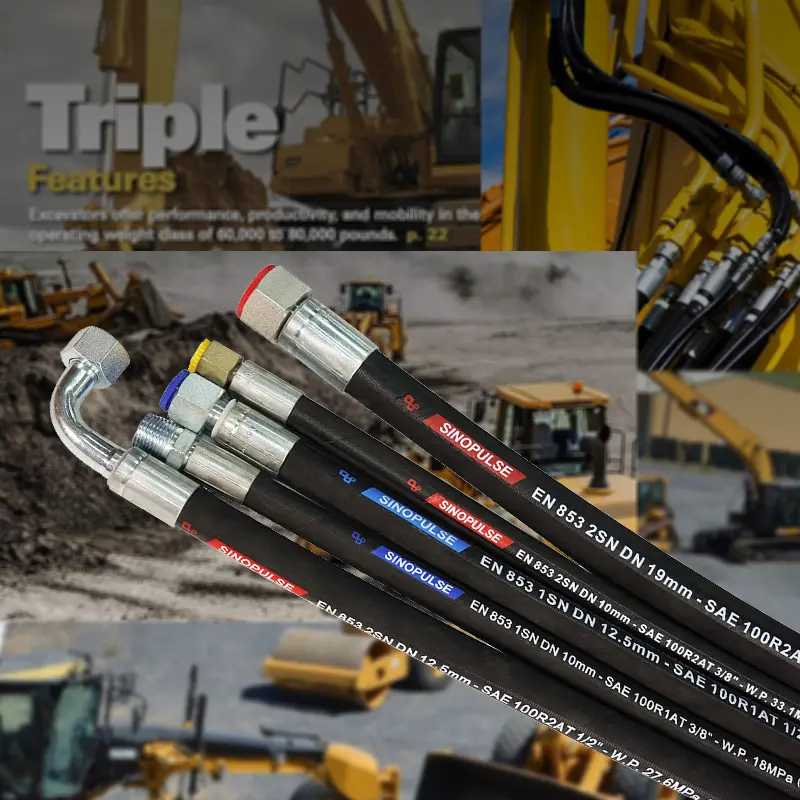
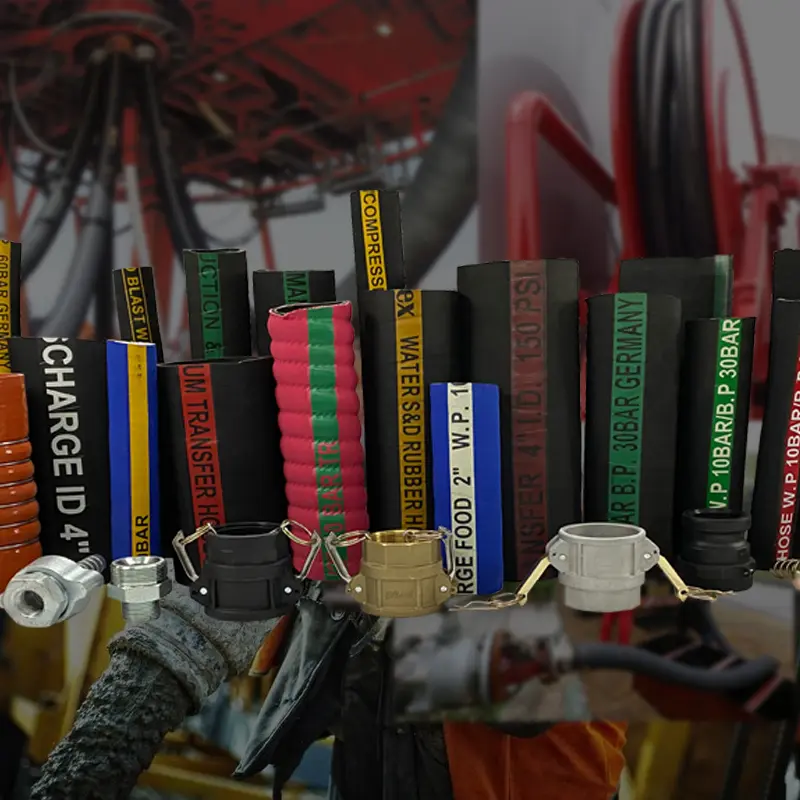
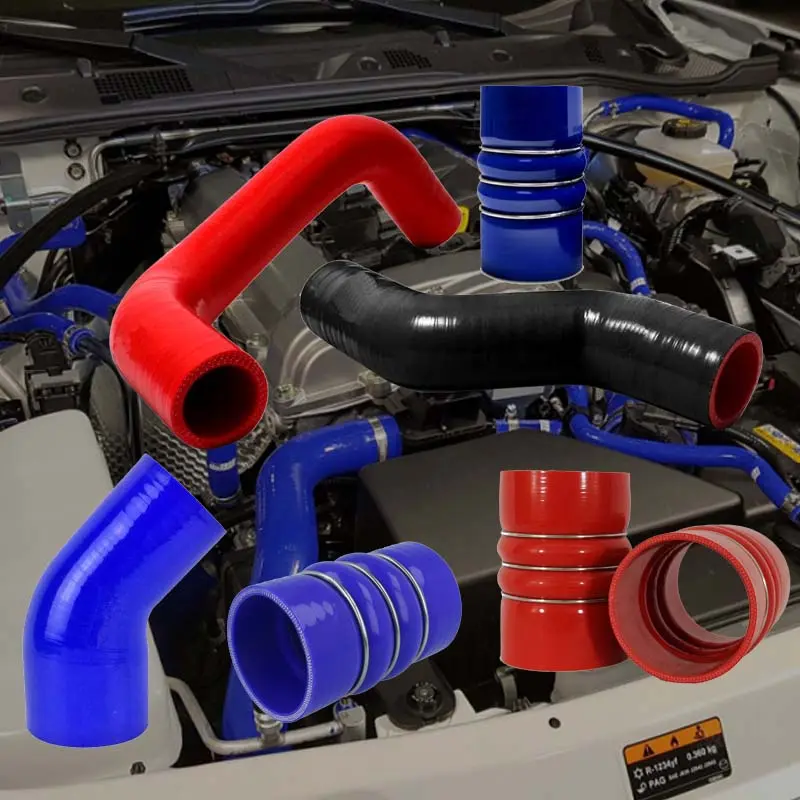
Understanding the different types of hydraulic hoses is crucial for industries relying on hydraulic systems to ensure efficiency and safety. Hydraulic hoses are paramount in transferring hydraulic fluids between components like pumps, valves, cylinders, and other machinery parts. Their types vary based on application, pressure ratings, compatibility with chemicals, and working environments, making it vital to select the appropriate hose for your specific needs.
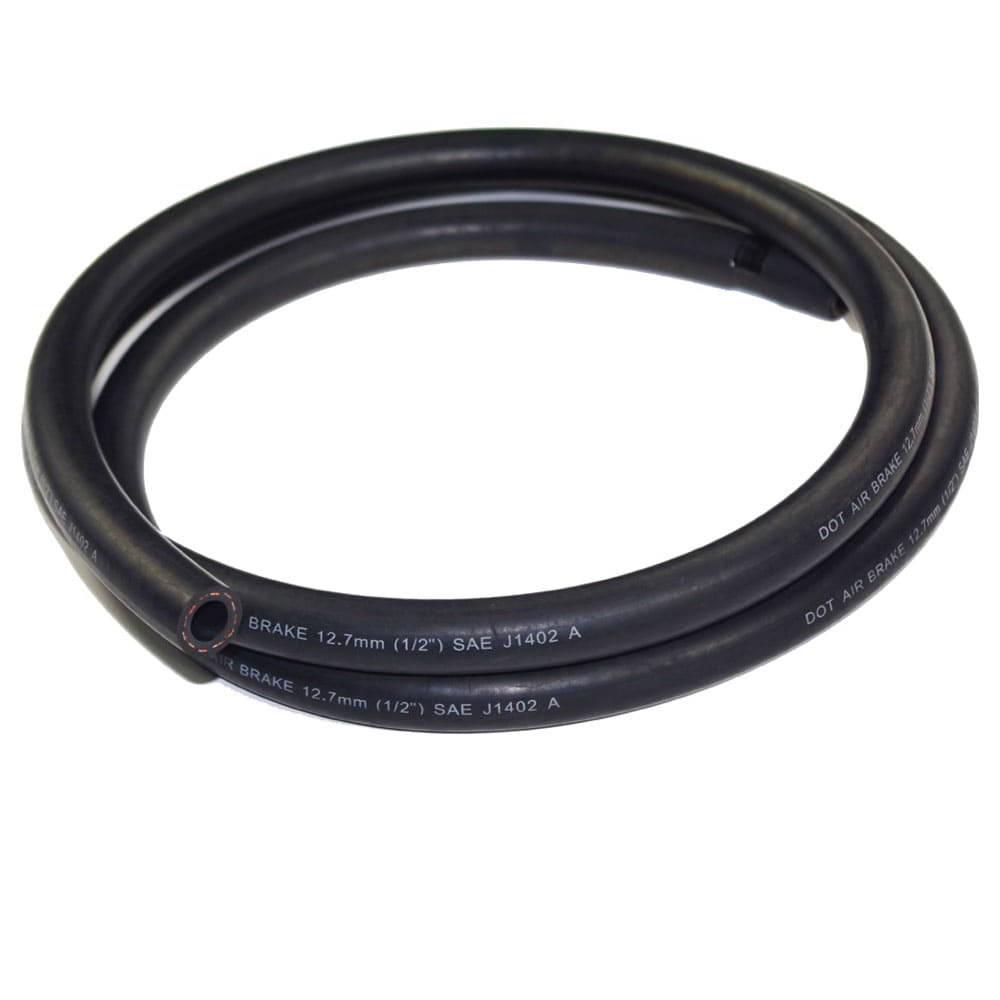
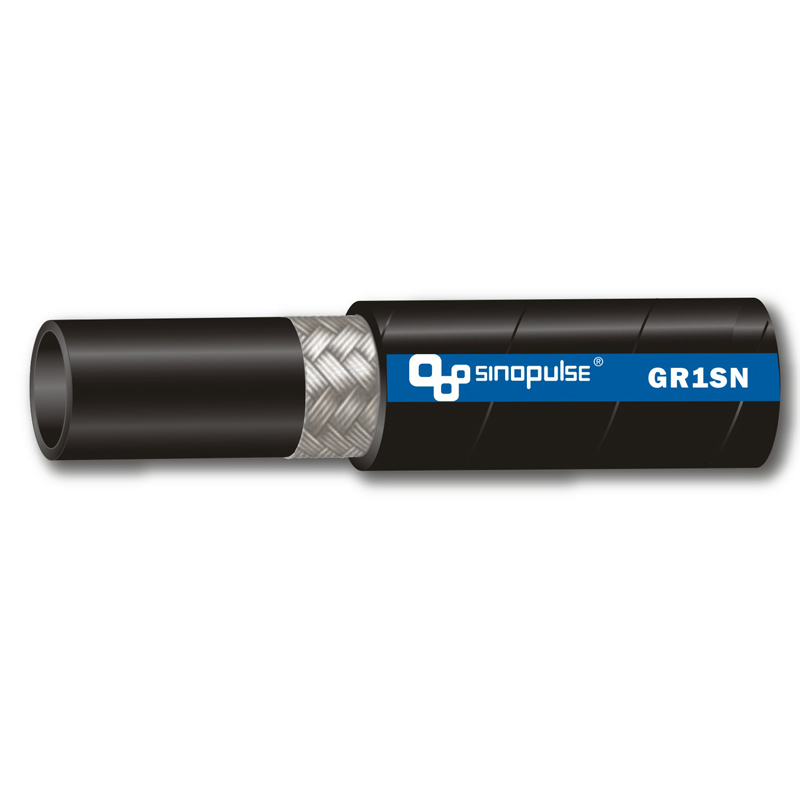
Choosing the right hydraulic hose starts with understanding how they are categorized. The most common classification is based on construction braided, spiral, and thermoplastic hoses. Braided hydraulic hoses, often made with textile or metal wire reinforcements, are known for flexibility and strength, making them suitable for moderate pressure applications. They are popular in mobile and industrial applications where flexibility is a must.
Spiral hydraulic hoses, constructed with multiple layers of spiraled wire reinforcement, are designed to withstand extreme pressure levels. They are ideal for heavy-duty applications such as construction equipment, where both flexibility and durability under high pressures are essential. The robustness of these hoses makes them perfect for applications in harsh environments, where they can resist high fatigue levels.
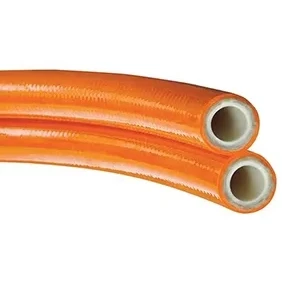
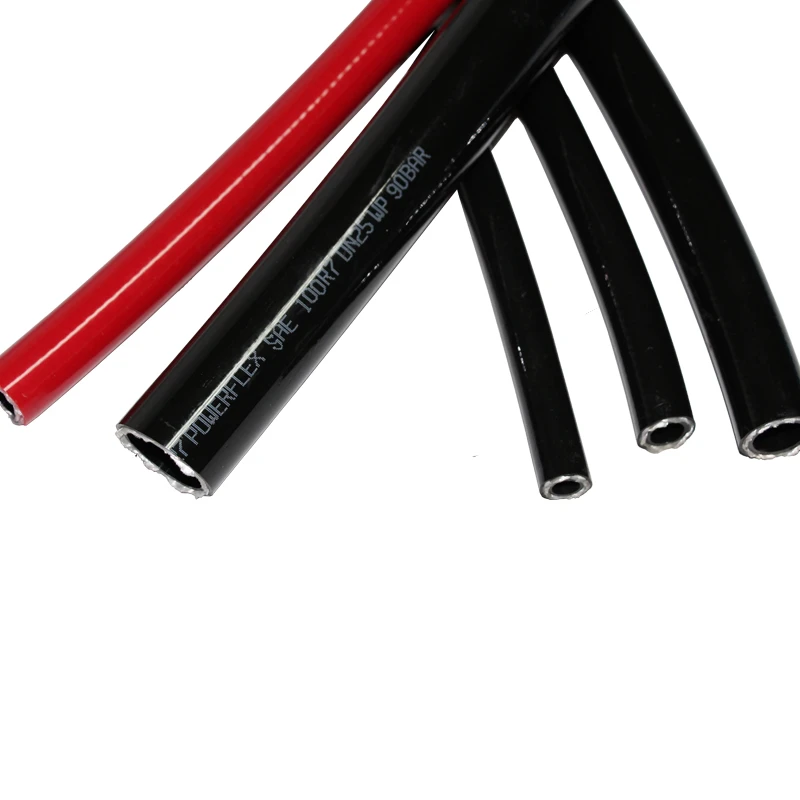
Thermoplastic hydraulic hoses are manufactured using specialized nylon or polyester reinforcements. These hoses demonstrate superior resistance to chemical exposure, ultraviolet light, and abrasion, making them ideal for outdoor and marine applications. Moreover, their lightweight nature and ease of handling make them suitable for complex hose routing in confined spaces.
Another critical aspect to consider when selecting a hydraulic hose is its compatibility with the hydraulic fluid in use. Standard types of hydraulic fluids include oil-based, water-based, and synthetic fluids. Selecting a hose material that can handle the chemical nature of the fluid is crucial to prevent degradation of the hose, which could lead to system failures.
Temperature resistance is equally essential. Hydraulic hoses must withstand the operational temperature range without compromising their structural integrity. Thermoplastic hoses are particularly adept at handling high-temperature ranges, whereas braided and spiral hoses may have limitations and require special materials to extend their use in high-temperature scenarios.hydraulic hose types
Pressure rating is another determinant. Each hose type has a designated maximum pressure rating, and selecting one with an appropriate pressure rating ensures system safety. Overloading a hose beyond its rated capacity can result in catastrophic failures, leading to system downtime and potential safety hazards.
Industry standards such as SAE (Society of Automotive Engineers), ISO (International Organization for Standardization), and DIN (Deutsches Institut für Normung) provide guidelines for hydraulic hose quality and performance. Compliance with these standards ensures the hose meets the minimum safety requirements, which is a testament to the product's quality and reliability.
Maintenance plays a pivotal role in the durability and performance of hydraulic hoses. Regular inspection for signs of wear and replacement before failure can prevent costly breakdowns. Accrediting to industry standards and choosing high-quality hoses from reputable manufacturers can enhance both performance and trustworthiness.
Furthermore, advancements in hydraulic hose technology continue to introduce new materials and construction techniques, offering even more tailored solutions for specialized applications. Staying updated with these innovations can provide additional efficiency and safety benefits.
Selecting the appropriate type of hydraulic hose, in essence, involves a comprehensive understanding of your specific application needs, compatibility with hydraulic fluids, and compliance with industry standards. By ensuring these factors align with your operational requirements, you enhance the performance, safety, and longevity of your hydraulic systems.
OUR LATEST NEWS
Strict quality control strict production team to ensure stable products quality. Scientific personnel management, efficient production arrangements to ensure our timely delivery.