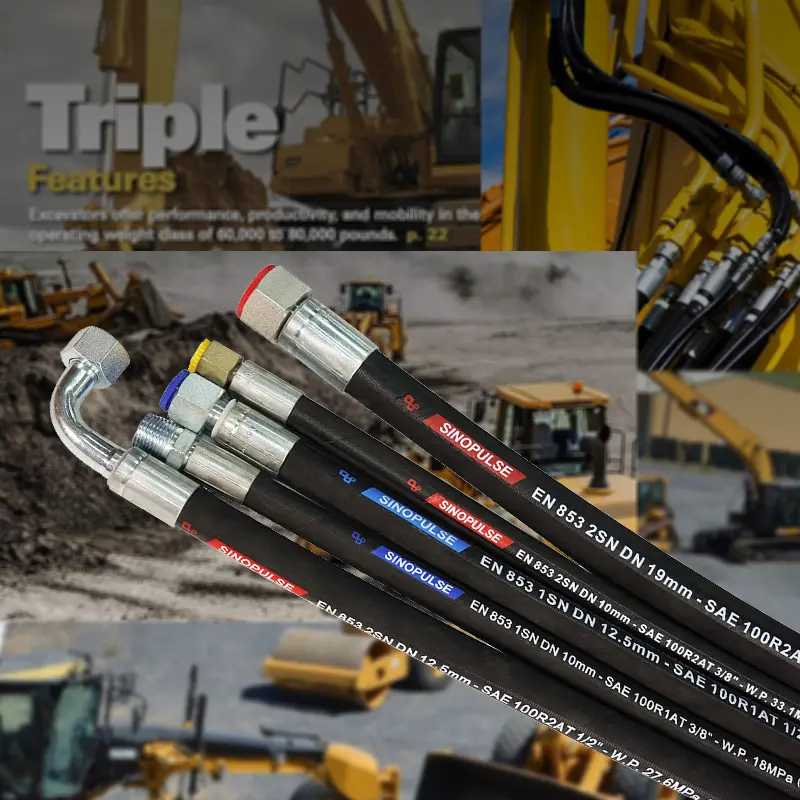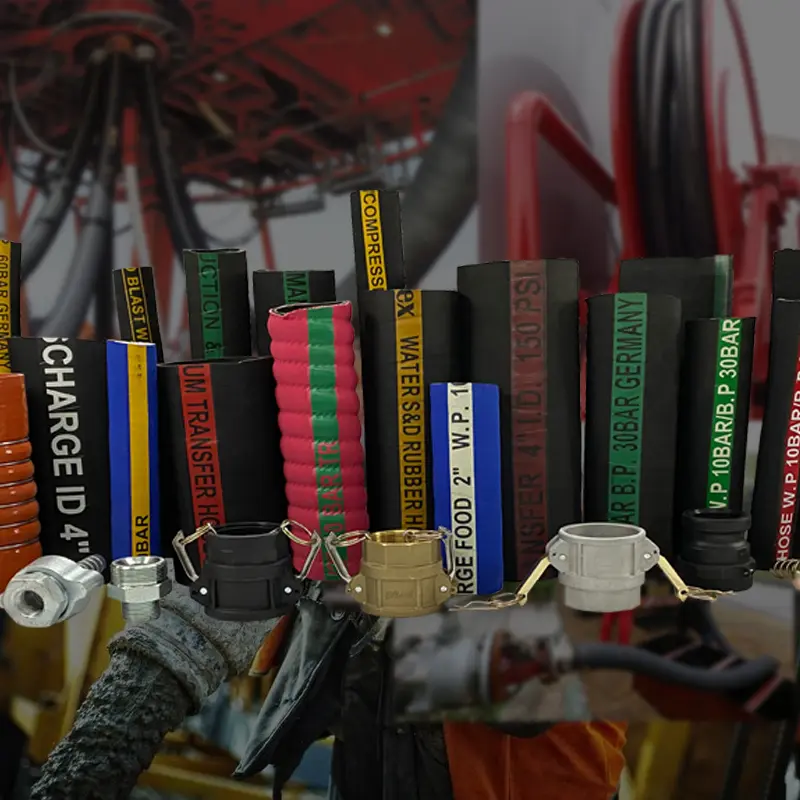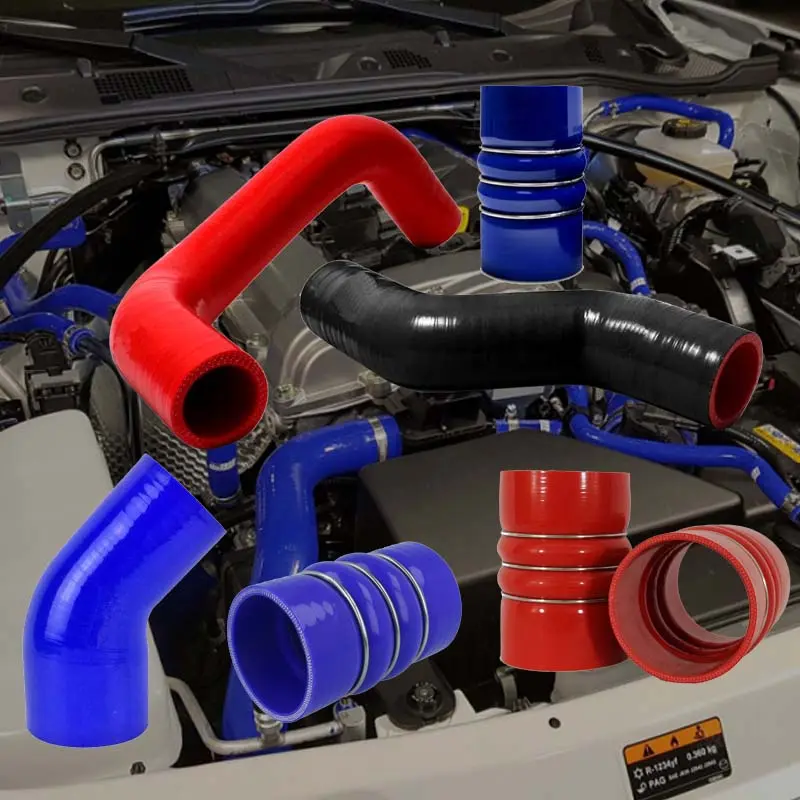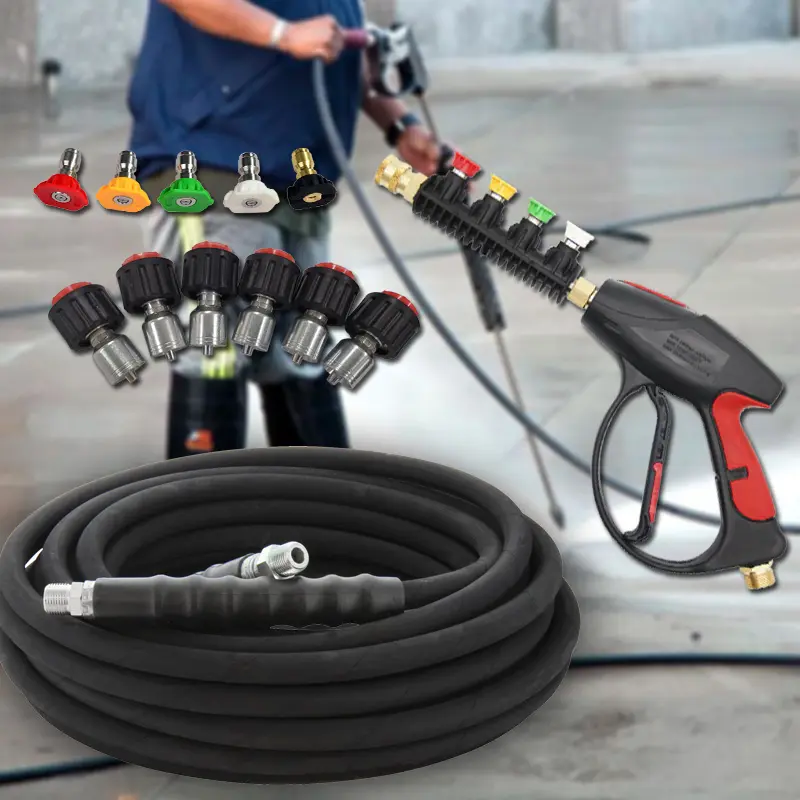


Hydraulic hoses are critical components in industrial hydraulic systems, and their integrity directly affects the stable operation of equipment. Damage to hydraulic pressure hose, hydraulic return hose, or other hydraulic hoses can lead to production downtime, increased maintenance costs, and even safety hazards. Common causes of hydraulic hose damage include external friction/wear, extreme temperature environments, overpressure/pressure pulses, chemical corrosion, improper installation, and UV aging. HEBEI SINOPULSE TECH GROUP CO.,LTD., founded in 2011 by three Cao brothers, is a renowned leader in industrial pipes, hose fittings, and hydraulic hoses. Adhering to the principles of consecutive quality supply, value creation, professional service, and the belief that quality makes a difference, Sinopulse has become a trusted partner for businesses worldwide, offering premium hydraulic hose solutions and professional protection guidance tailored to wholesale needs. This article explores the causes of hydraulic hose damage and corresponding protection measures, helping wholesalers provide valuable support to their industrial clients.
Causes Of Hydraulic Pressure Hose Damage
- External Friction and Wear: During equipment operation, hydraulic pressure hoses often come into contact with sharp edges, mechanical components, or rough surfaces, leading to gradual wear of the outer layer. Severe wear can expose the inner reinforcing layer, reducing pressure-bearing capacity and increasing burst risks.
- Extreme Temperature Environments: High temperatures accelerate the aging of hose materials, making them brittle and prone to cracking; low temperatures reduce material flexibility, increasing the risk of damage during bending. Both high and low temperature conditions severely affect the service life of hydraulic return hose.
- Overpressure and Pressure Pulses: Exceeding the rated working pressure of hydraulic pressure hose or frequent pressure pulses can cause fatigue damage to the inner tube and reinforcing layer. Over time, this leads to hose bulging, cracking, or sudden burst, endangering system safety.
- Chemical Corrosion: Hydraulic hoses working in environments with chemical media (acids, alkalis, oils) are prone to material degradation due to corrosion. The outer layer may swell, harden, or peel off, and the inner tube may be corroded to cause leakage.
- Improper Installation and UV Aging: Torsion, stretching, or excessive bending during installation damages the internal structure of hoses; long-term exposure to sunlight causes UV aging of hydraulic hose materials, reducing their toughness and service life.
Protection Measures Against External Damage For Hydraulic Hose
|
Damage Type |
Specific Protection Measures |
Implementation Points |
Wholesale Guidance Value |
|
External Friction/Wear |
Install protective sleeves (rubber, plastic) on hydraulic hose; arrange hoses properly to avoid contact with sharp edges; use hose clamps to fix hoses in place |
Ensure protective sleeves fit tightly; regularly check for sleeve wear and replace in time |
Help clients reduce hose replacement frequency, enhancing product value perception for wholesalers |
|
UV Aging |
Use UV-resistant hydraulic hose for outdoor applications; install protective covers to shield hoses from direct sunlight |
Recommend UV-resistant products based on client application scenarios |
Expand product applicability to outdoor industrial fields, increasing wholesalers' market coverage |
|
Improper Installation Damage |
Provide installation guidelines to clients; ensure hydraulic hose is installed without torsion or stretching, and bending radius meets specifications |
Train clients' installation personnel on correct operation methods |
Reduce after-sales issues caused by improper installation, strengthening client trust in wholesalers |
Protection Measures For Hydraulic Pressure Hose Against Extreme Temperatures
- Select Temperature-Resistant Hoses: For high-temperature environments, recommend hydraulic pressure hose made of high-temperature-resistant materials (PTFE, special rubber); for low-temperature environments, choose hoses with good low-temperature flexibility to avoid material brittleness.
- Install Thermal Insulation or Cooling Devices: For hydraulic pressure hose in high-temperature systems, wrap thermal insulation layers to reduce direct heat radiation; in extreme high-temperature scenarios, install cooling devices near hoses to control ambient temperature.
- Avoid Temperature Shock: Before starting equipment in low-temperature environments, pre-warm the hydraulic system to gradually raise the temperature of hydraulic pressure hose, avoiding damage from sudden temperature changes.
Importance Of Hydraulic Hose Service For Damage Prevention
Hydraulic hose service plays a crucial role in preventing damage. Regular hydraulic hose service includes inspecting hoses for wear, cracks, bulges, or leaks; checking fitting tightness; replacing aging or damaged hoses in time. Establishing a regular hydraulic hose service schedule helps detect potential problems early, avoiding sudden failures. Sinopulse recommends that clients conduct weekly visual inspections and comprehensive hydraulic hose service every 3–6 months. For wholesalers, providing hydraulic hose service guidelines and reminding clients of regular maintenance can enhance product added value and strengthen long-term cooperative relationships.
Hydraulic Hose Service FAQs
How Often Should Hydraulic Pressure Hose Undergo Maintenance
It is recommended to conduct weekly visual inspections for hydraulic pressure hose to check for external damage. Comprehensive maintenance (including pressure testing, fitting inspection, and material aging assessment) should be performed every 3–6 months. For hoses working in harsh environments (high temperature, strong corrosion), shorten the maintenance interval to 1–2 months to ensure timely detection of potential risks.
What Type Of Protective Sleeve Is Suitable For Hydraulic Return Hose
The choice of protective sleeve depends on the working environment: For general external friction scenarios, rubber or nylon sleeves are suitable; for high-temperature environments, heat-resistant silicone sleeves are recommended; for scenarios with sharp objects, wear-resistant polyurethane sleeves are preferred. We provide matching protective sleeves for hydraulic return hose to wholesale partners, enabling one-stop procurement.
Can Hydraulic Pressure Hose Be Used Beyond Its Rated Temperature Range
No. Using hydraulic pressure hose beyond its rated temperature range will significantly accelerate material aging, reduce service life, and increase the risk of sudden burst. If the working environment temperature exceeds the standard range, we recommend wholesalers advise clients to replace it with a high-temperature or low-temperature resistant hose that meets the actual working conditions.
How To Judge If Hydraulic Hose Needs To Be Replaced During Service
During hydraulic hose service, replacement is required if any of the following conditions are found: Visible cracks, bulges, or severe wear on the hose surface; Leakage at hose fittings; Hardening, swelling, or peeling of the hose material; Reduced flexibility or difficulty in bending. Timely replacement avoids further damage to the hydraulic system.
What After-Sales Support Is Offered For Wholesale Hydraulic Hose Orders
For wholesale partners, we provide free hydraulic hose service guidelines and installation manuals. Our technical team offers online consultation to solve maintenance and protection-related issues. All products come with a 2-year warranty; if damage occurs due to material or manufacturing defects within the warranty period, we will replace them free of charge to ensure wholesalers' business stability.
Product Application