





In any hydraulic system, pressure is the heart that drives power and performance. Selecting the right hose pressure rating is critical not only for efficiency but also for safety and system longevity. Every hydraulic hose must handle specific levels of pressure that match the system’s requirements. Too low, and it risks bursting; too high, and it becomes inefficient and costly.
Hydraulic hoses are typically made from a combination of synthetic rubber, thermoplastics, and metal reinforcements, each contributing to the hose’s overall performance. The inner tube, often made of synthetic rubber or thermoplastic, must be compatible with the hydraulic fluid and resistant to degradation. The reinforcement layer, usually composed of braided or spiral-wound steel wire or textile fibers, provides the strength to withstand high pressures. The outer cover, made from abrasion-resistant materials like rubber or thermoplastic, protects the hose from environmental damage, including UV rays, chemicals, and physical wear.
The key to choosing the right hydraulic hose pressure lies in understanding WP (Working Pressure), BP (Burst Pressure), and the safety factor between them. WP is the continuous operating pressure a hose can safely withstand, while BP is the maximum pressure it can handle before failure. For most industrial hoses, a safety factor of 4:1 is used — meaning the burst pressure is four times the working pressure.
Selecting The Right Size of Hydraulic Hose
When working with medium- to high-pressure systems, the hydraulic hose is one of the most commonly used sizes. It offers a balance between flexibility and power transmission, suitable for heavy-duty applications such as excavators, tractors, or hydraulic presses. The diameter of the hose directly affects flow rate — larger diameters allow more fluid to pass through, reducing pressure loss over distance.
Choosing a hose requires understanding the system’s pressure rating, the type of fluid being used, and environmental factors such as temperature and abrasion. Always ensure that the WP (working pressure) of the hose exceeds the system’s maximum operating pressure. It is also essential to match the hose with the correct fitting type and assembly method to prevent leakage and ensure long-term reliability.
We can provide a wide range of types of hydraulic hoses, each coming in various sizes to meet different needs. Our various types of hose meet or exceed general standards such as SAE, DIN, and ISO. They are especially suitable for the manufacture and maintenance of construction machinery, agricultural equipment, and mining machines.
Using 1/2 Inch Hydraulic Hose for Medium Pressure Systems
The 1/2 inch hydraulic hose is an excellent choice for medium-pressure hydraulic circuits. It’s often used in applications where compact routing and high flexibility are required — for instance, in industrial equipment or small construction vehicles. Despite its smaller diameter, a high-quality 1/2-inch hose can withstand significant pressures when reinforced with braided or spiral-wound steel wire.
This size allows the user to maintain high flow rates with less resistance, ensuring optimal efficiency. When selecting a 1/2-inch hydraulic hose, users should pay attention to the pressure rating (PSI), bend radius, and hose compatibility with hydraulic fluids. Improper selection can lead to overheating, bursting, or inefficient system performance.
In many hydraulic designs, engineers must also consider pressure spikes — short, sudden increases in system pressure. These spikes can exceed the WP, causing fatigue or even failure. Therefore, choosing a hose with an appropriate safety margin ensures system reliability.
Choosing The Right Hydraulic Suction Hose for Low-Pressure Lines
The hydraulic suction hose plays a different but equally critical role in a hydraulic circuit. Unlike pressure lines that deliver power, suction hoses feed fluid into the pump inlet under negative pressure. These hoses are typically reinforced with spiral wire or fabric layers to prevent collapse during suction.
Because suction hoses handle lower pressure levels but must resist vacuum effects, flexibility and internal strength are crucial. They must also be highly resistant to hydraulic oil and temperature changes. Common applications include hydraulic tanks, return lines, and low-pressure fluid transfer.
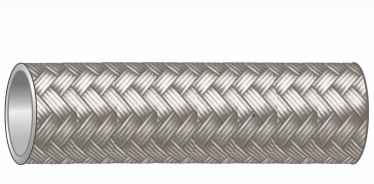
When selecting a hydraulic suction hose, users should check the vacuum rating, temperature range, and bend radius. An inadequate hose may collapse, starving the pump of oil and leading to cavitation — a damaging condition that can destroy pump components. Using properly rated suction hoses improves pump efficiency, reduces noise, and extends equipment lifespan.
The Importance Of Hydraulic Hose Repair And Maintenance
No matter how high-quality a hose is, wear and tear are inevitable. Hydraulic hose repair is therefore an essential part of maintaining system safety and performance. Early identification of leaks, cracks, or bulges can prevent catastrophic failures. When a hose fails under pressure, it can release fluid at high velocity, posing serious safety risks.
Routine inspection should include checking for abrasion on the outer cover, corrosion on metal fittings, and leakage at connections. Hoses exposed to extreme environments — such as heat, chemicals, or UV radiation — may degrade faster. Always replace damaged hoses immediately, and never attempt to patch them with temporary materials in critical systems.
Our hydraulic hose repair solutions ensure reliable performance by using original fittings and following manufacturer torque and assembly guidelines. Proper maintenance minimizes downtime and protects the entire hydraulic circuit from contamination, pressure loss, and damage to sensitive components.
Understanding WP, BP, And Safety Factor
Every hydraulic hose has two essential ratings: WP (Working Pressure) and BP (Burst Pressure). WP represents the continuous pressure the hose can safely handle during operation. BP, on the other hand, is the pressure at which the hose will fail under test conditions. The relationship between these two values defines the safety factor, which is typically 4:1 in most industrial hoses.
For example, a hose with a WP of 3000 PSI should have a BP of 12,000 PSI. This ratio ensures a buffer for unexpected spikes in system pressure. Some extreme applications, such as aerospace or deep-sea hydraulics, may use higher safety factors (up to 6:1 or 8:1) for added protection.
Users must always design systems based on WP, not BP. Running a hose near or above its WP for extended periods significantly reduces its lifespan and can lead to sudden failure. Regular inspection and pressure testing can ensure hoses remain within safe operating limits.
How To Determine The Correct Hose Pressure For Your System
To determine the right pressure rating, first identify the maximum operating pressure of your system. Add a margin of 25–50% to account for pressure spikes or variations. Then, select a hose whose WP meets or exceeds this value. It is also crucial to consider environmental conditions — high temperatures, vibration, and fluid type can all affect hose performance.
For complex systems, engineers often use the “STAMPED” method: Size, Temperature, Application, Material, Pressure, Ends, and Delivery. This ensures every factor is considered before installation. Choosing the right hydraulic hose pressure guarantees not only performance but also operator safety and cost savings over time.
Maximum Operating Pressure FAQs
What Does WP Mean On A Hydraulic Hose?
WP stands for “Working Pressure,” which refers to the maximum continuous pressure a hydraulic hose can safely handle during operation.
What Is The Safety Factor In Hydraulic Hoses?
The safety factor is the ratio between burst pressure (BP) and working pressure (WP), usually 4:1, providing a safety margin for unexpected pressure spikes.
How Often Should Hydraulic Hoses Be Replaced?
It depends on usage and environment, but most hydraulic hoses should be replaced every 3–5 years or immediately if damage, leaks, or swelling are detected.
What Happens If I Use A Hose With Too Low Pressure Rating?
Using a hose below the system’s required pressure can lead to bursting, leaks, or complete failure, causing equipment damage or safety hazards.
Can Hydraulic Hoses Be Repaired?
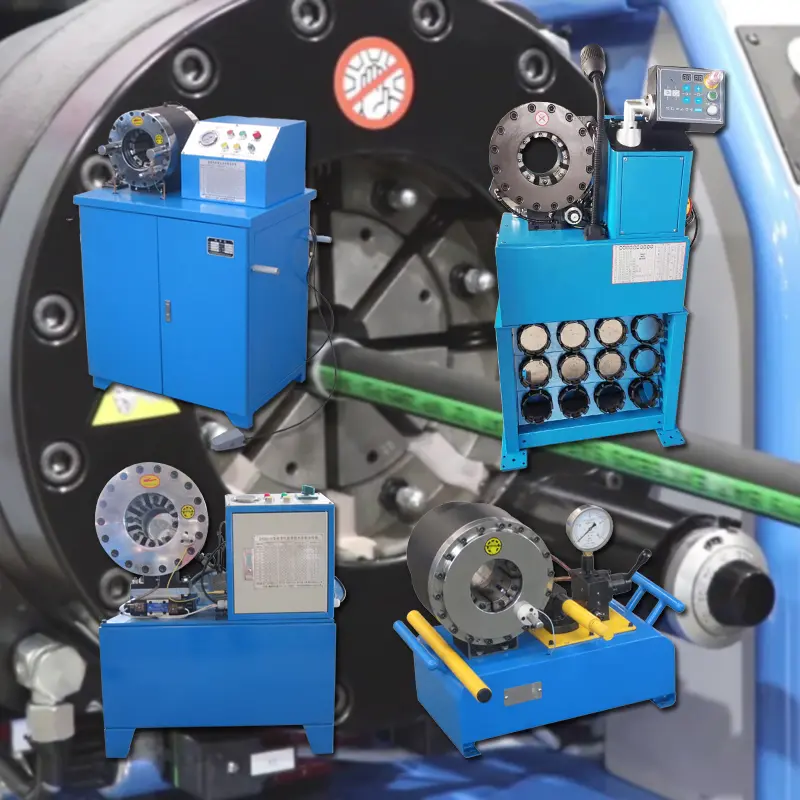
Yes, hydraulic hose repair is possible using the correct fittings and crimping equipment, but only if the hose body is structurally intact. Severely damaged hoses should always be replaced.
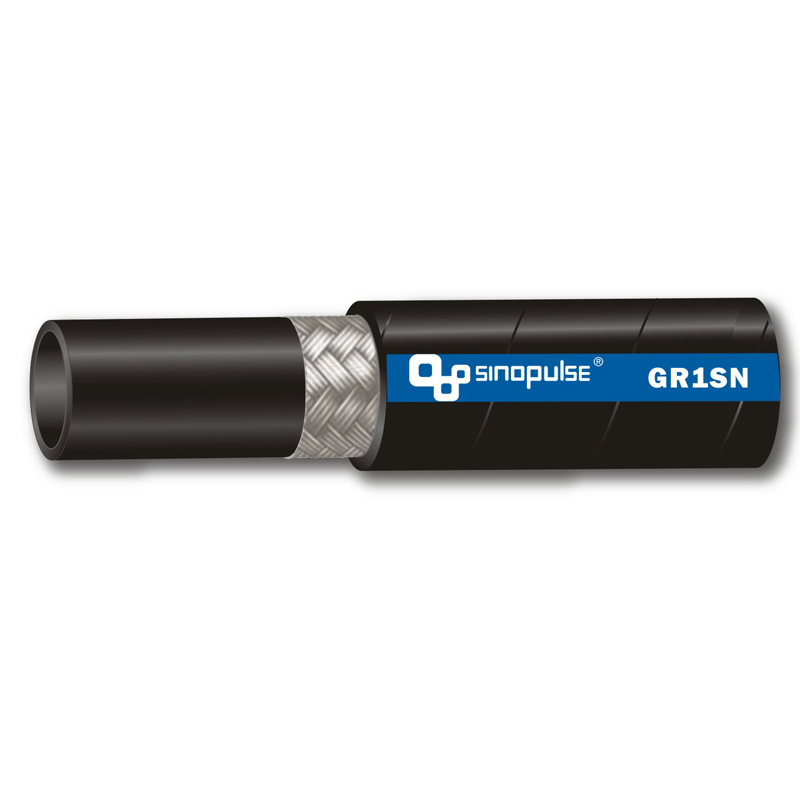
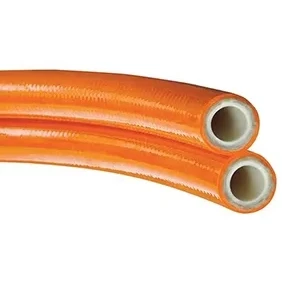
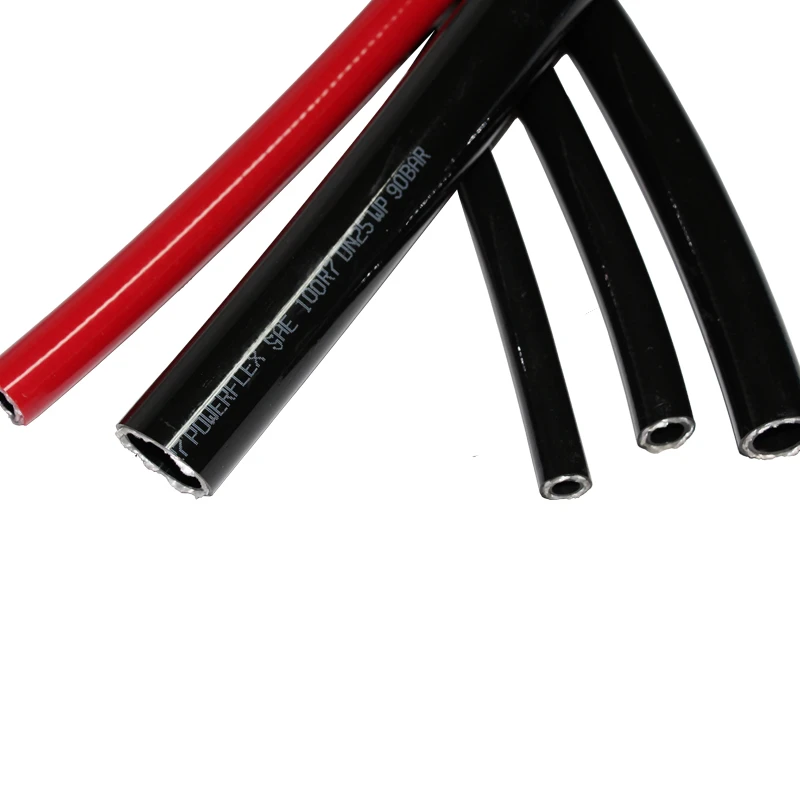
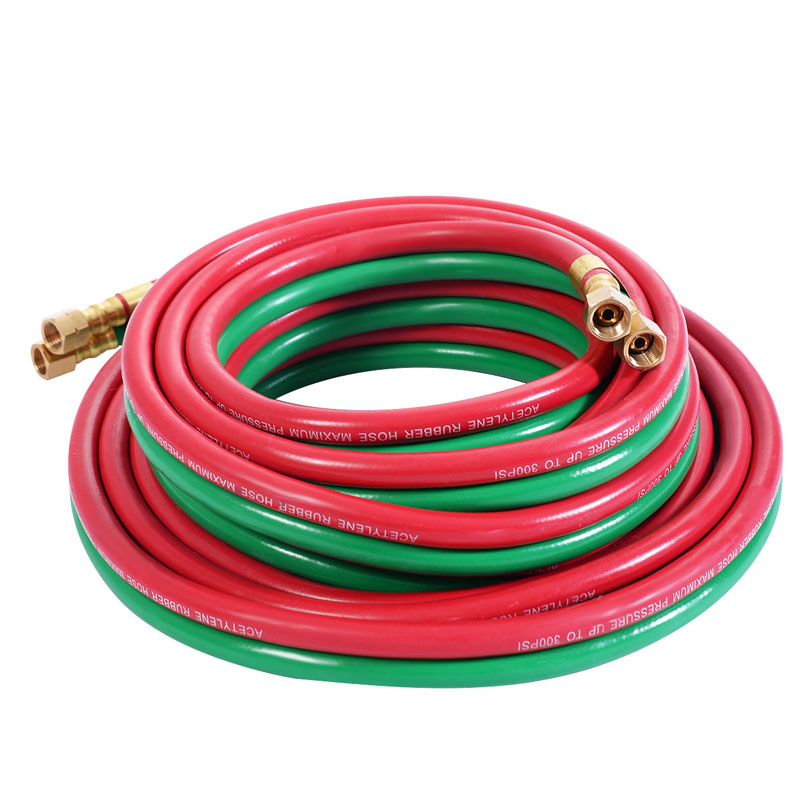
Product Application
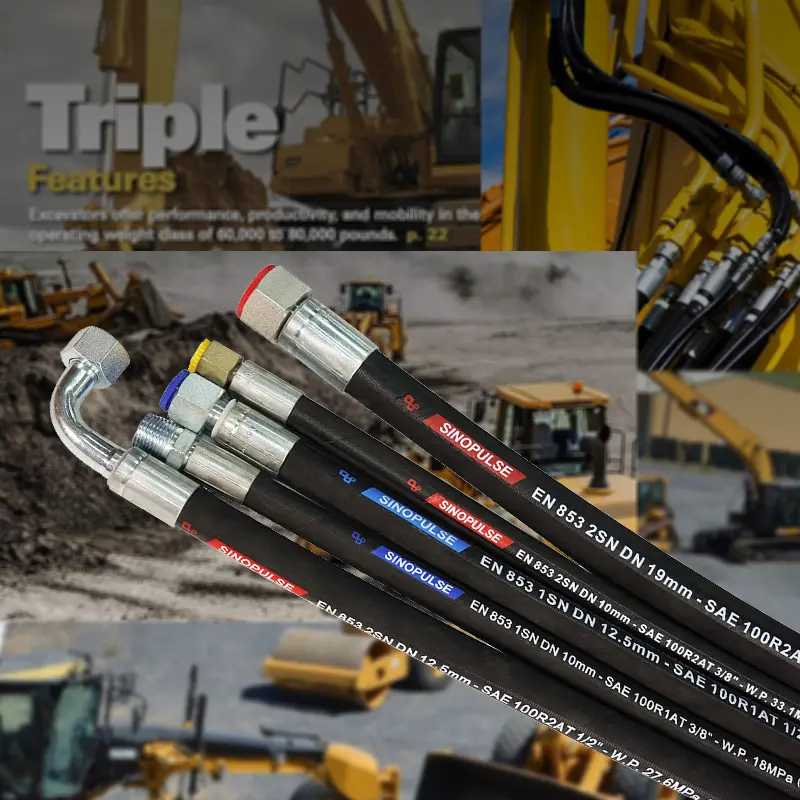
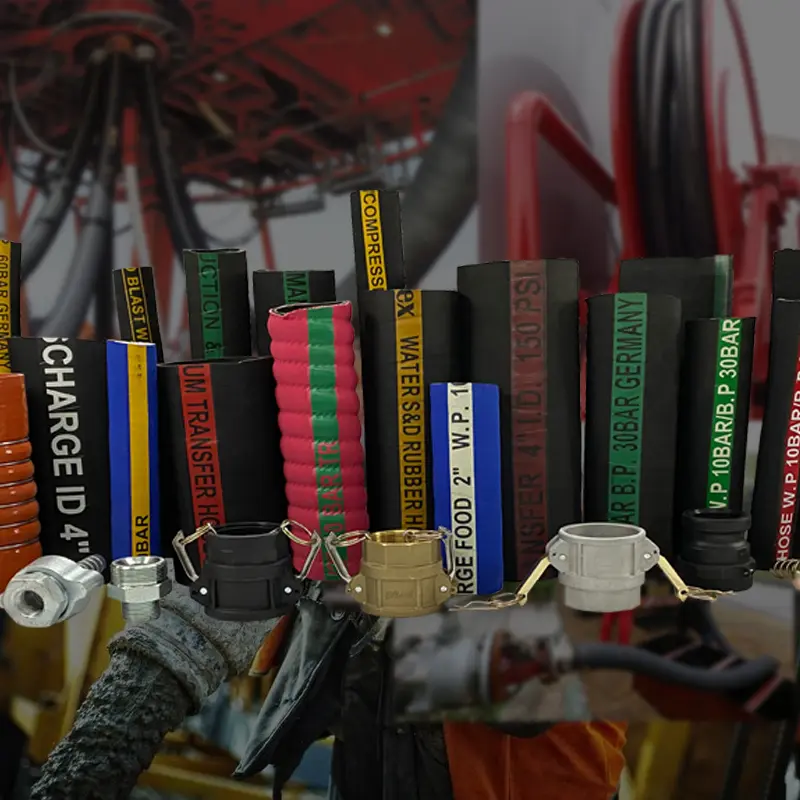
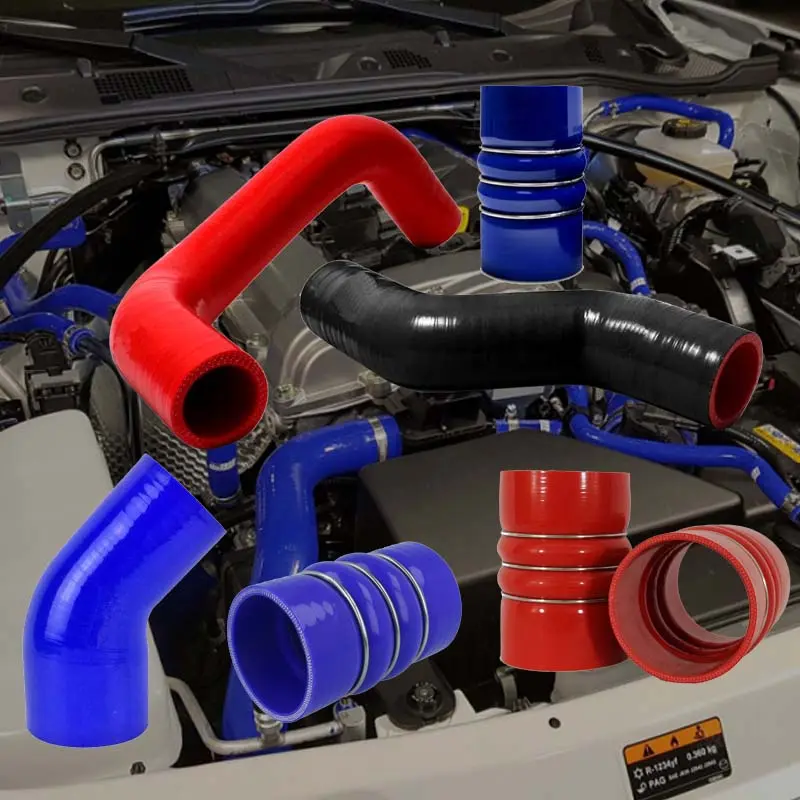
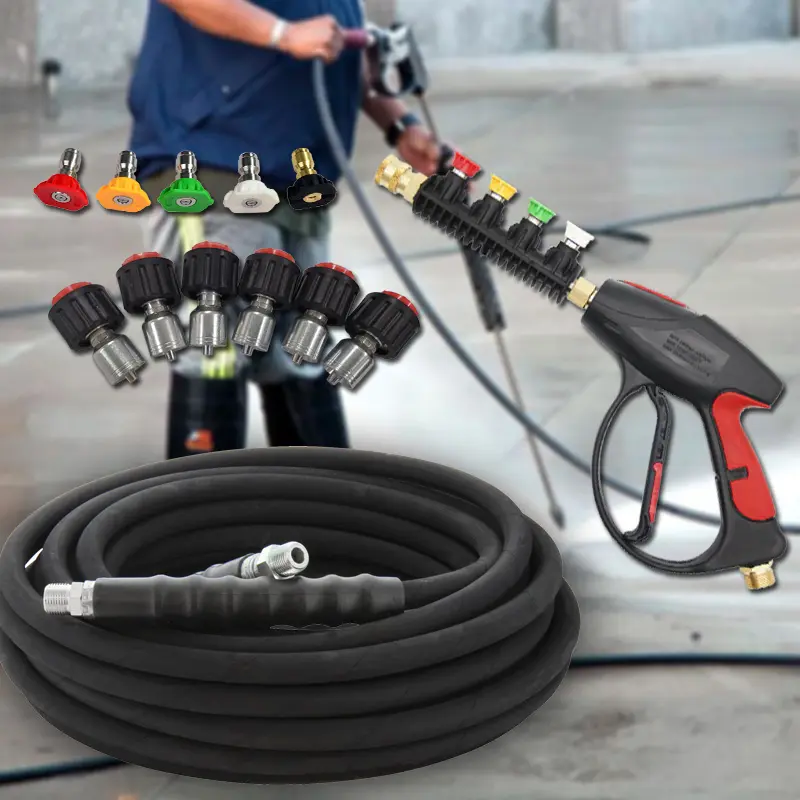


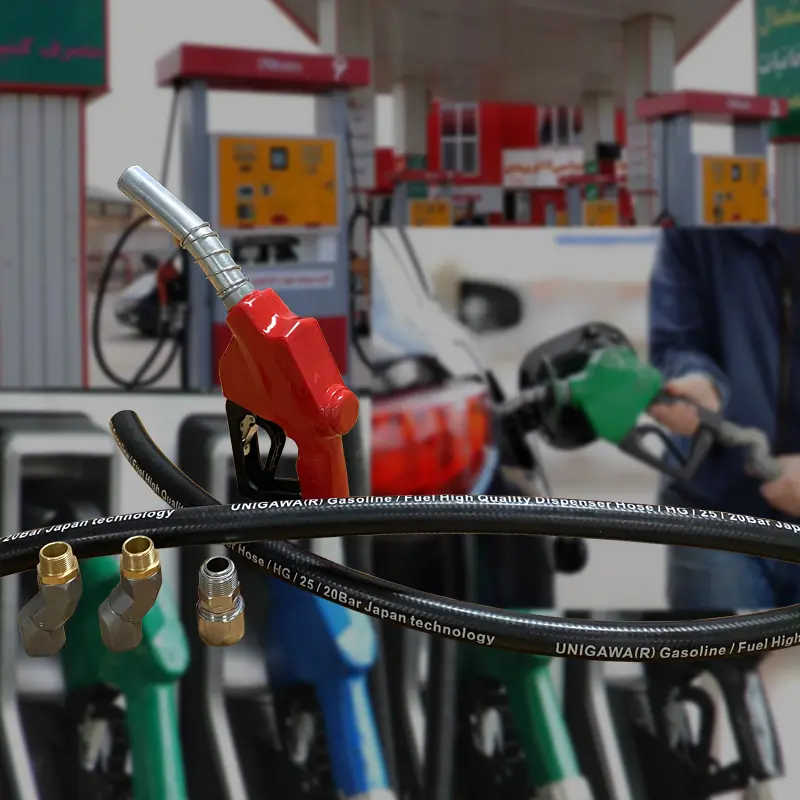
How To Choose The Right Pressure For Hydraulic Hose
Selecting the correct pressure rating is one of the most critical steps in designing a safe and efficient hydraulic system. Pressure determines how much force can be transmitted through the fluid, directly affecting system performance and hose life. Each hydraulic hose is designed with a specific Working Pressure (WP) and Burst Pressure (BP). The WP indicates the maximum continuous pressure that the hose can safely handle during normal operation, while the BP refers to the maximum pressure the hose can withstand before failure.
A good rule is to select a hose with a Burst Pressure at least four times higher than its Working Pressure, which provides a safety factor of 4:1. This ratio ensures that even temporary pressure spikes or surges will not cause immediate hose failure. In applications involving rapid pressure fluctuations—such as in excavators or mining machinery—a higher safety factor (up to 6:1) may be required.
Hydraulic hoses are typically made from a combination of synthetic rubber, thermoplastics, and metal reinforcements, each contributing to the hose’s overall performance. The inner tube, often made of synthetic rubber or thermoplastic, must be compatible with the hydraulic fluid and resistant to degradation. The reinforcement layer, usually composed of braided or spiral-wound steel wire or textile fibers, provides the strength to withstand high pressures. The outer cover, made from abrasion-resistant materials like rubber or thermoplastic, protects the hose from environmental damage, including UV rays, chemicals, and physical wear.
We can provide a wide range of types of hydraulic hoses, each coming in various sizes to meet different needs. Our various types of hose meet or exceed general standards such as SAE, DIN, ISO, etc. They, particularly hydraulic hoses, serve a wide array of uses and are especially suitable for the manufacture and maintenance of construction machinery such as excavators, agricultural machinery, coal mining machinery, etc. Hydraulic hose pipe is engineered to meet the needs of users seeking high-performance hoses.
Choosing the Right Size: 1 Inch Hydraulic Hose
A 1 inch hydraulic hose is commonly used in high-flow, medium- to high-pressure applications. Choosing the right size is not only about internal diameter but also about pressure capacity. A larger hose allows more fluid to pass through, reducing velocity and pressure loss, but it must still withstand the required working pressure. If the system demands higher pressure with moderate flow, a smaller hose might be more appropriate, provided it meets the WP and BP requirements.
When selecting a 1 inch hydraulic hose, it’s essential to verify the manufacturer’s data sheet for rated pressure and temperature limits. Always choose a hose that exceeds the maximum operating pressure of your system. For instance, if your system runs at 250 bar (3,625 psi), the selected hose should have a minimum WP of 250 bar and a BP above 1,000 bar to ensure durability and safety.
Additionally, consider the hose routing—tight bends or sharp turns can cause pressure drops and internal stress, leading to premature failure. Using bend restrictors and proper clamps can help maintain hose integrity and stable pressure performance.
Selecting the Right 1/2 Inch Hydraulic Hose for Your System
A 1 2 inch hydraulic hose (commonly referred to as a 1/2-inch hose) is one of the most widely used sizes in hydraulic applications, especially for moderate-pressure systems. This hose type is typically rated for working pressures between 1,800 and 3,000 psi, depending on its construction and reinforcement.
To select the correct hose, first determine your system’s maximum working pressure and expected pressure spikes. Pressure surges often occur when hydraulic cylinders reverse direction or when flow is suddenly restricted. If the working pressure is 2,000 psi and occasional spikes reach 2,500 psi, the chosen hose must have a WP above 2,000 psi and a BP exceeding 8,000 psi to maintain the proper safety factor.
Temperature also plays a significant role in pressure selection. Higher temperatures can reduce the hose’s pressure capacity. Always check the derating chart provided by the manufacturer when operating in environments above 80°C (176°F). Selecting the correct 1/2 inch hydraulic hose ensures system reliability and prevents catastrophic hose bursts caused by under-rated components.
The Role of Hydraulic Suction Hose in Low-Pressure Applications
While high-pressure hoses are designed to handle extreme conditions, a hydraulic suction hose serves a different yet equally important role. These hoses are designed for low-pressure applications where hydraulic fluid is drawn from the reservoir into the pump inlet. The key consideration here is preventing collapse under vacuum rather than resisting high pressure.
A properly selected hydraulic suction hose must have a reinforced structure—often a wire helix or textile braid—to prevent it from collapsing when the pump creates negative pressure. Although the pressure is low, improper selection can lead to fluid starvation, cavitation, and pump damage.
When matching suction hoses to a system, ensure they have adequate internal diameter to allow smooth flow, minimizing restrictions and turbulence. The suction line should be as short and straight as possible. Periodically inspect the hose for soft spots, kinks, or cracks, which can indicate internal damage. Replacing a worn suction hose promptly maintains consistent fluid flow and prevents pressure irregularities in the entire hydraulic system.
Ensuring Longevity Through Proper Hydraulic Hose Repair
Even with careful selection and maintenance, wear and damage may occur over time, making hydraulic hose repair essential for safety and system efficiency. Pressure leaks, blistering, or cracks in the outer cover often signal that the hose needs repair or replacement.
When conducting repairs, first depressurize the system and drain the fluid. Inspect the entire hose assembly to identify the source of failure—whether it’s due to excessive bending, overpressure, or fitting damage. Replace damaged sections rather than patching them temporarily, as improper repairs can significantly reduce pressure resistance and safety.
Always use compatible fittings and crimping tools as specified by the hose manufacturer. Incorrect crimping or mismatched fittings can cause leaks or blowouts when pressure increases. After repair, conduct a controlled pressure test to confirm that the hose can withstand its rated WP without deformation or leakage.
Regular inspection and prompt hydraulic hose repair extend the life of the hose assembly, maintain consistent pressure levels, and prevent costly system downtime. Following these best practices ensures that the hydraulic system remains safe, efficient, and long-lasting.
Hydraulic Hose Repair FAQs
What is the difference between Working Pressure (WP) and Burst Pressure (BP)?
WP is the maximum continuous pressure a hose can safely operate under, while BP is the maximum pressure it can handle before bursting. The BP is usually four times higher than the WP to maintain a safety margin.
How do I calculate the safety factor for a hydraulic hose?
Divide the Burst Pressure by the Working Pressure. For most hydraulic hoses, a minimum safety factor of 4:1 is recommended, though higher factors are used for critical systems.
Can I use a 1 inch hydraulic hose instead of a 1/2 inch hose?
Only if the system design allows for the change in flow rate and pressure drop. A larger hose reduces pressure loss but must still meet or exceed the required WP and BP specifications.
How often should hydraulic suction hoses be replaced?
Suction hoses should be inspected monthly and replaced every 1–2 years or sooner if soft spots, cracks, or signs of collapse appear.
What should I check after performing a hydraulic hose repair?
Always pressure test the hose under controlled conditions to verify there are no leaks. Check fittings, bends, and protective sleeves to ensure proper installation and safety compliance.
Product Application