

What Exactly Is Hose Braided—and Why Does It Matter Worldwide?
At first glance, “hose braided” might sound like a niche term for a few mechanical geeks. But in reality, braided hoses are quietly everywhere, underpinning vital systems across the globe—from industrial machines humming in factories to emergency relief operations pumping clean water in disaster-hit areas. Hell, even your kitchen faucet or car's engine probably owes its steady flow to braided hose technology.
Understanding the essence of hose braided products isn’t just about specs and materials; it ties into how societies handle fluid transmission safely, reliably, and cost-effectively. This has ripple effects—think safer infrastructure, less downtime in industries, and enhanced sustainability.
The Broad Reach of Braided Hoses: A Global Perspective
Worldwide, the demand for rugged, flexible, and pressure-resistant hoses is increasing. According to a 2022 report by ISO, industrial fluid transmission standards are growing stronger to meet safety requirements, especially in emerging economies. The global braided hose market was valued at over $3 billion in 2023 and is expected to expand steadily.
Challenges like climate change-induced extreme weather often demand rapid deployment of portable water and fuel delivery systems. Braided hoses are essential here because they handle high pressures without bursting and resist kinks and abrasion. Industries from oil & gas to municipal water management rely heavily on these. So the question becomes: how do we ensure these hoses keep evolving with the scale and complexity of modern needs?
Breaking It Down: What Is a Hose Braided?
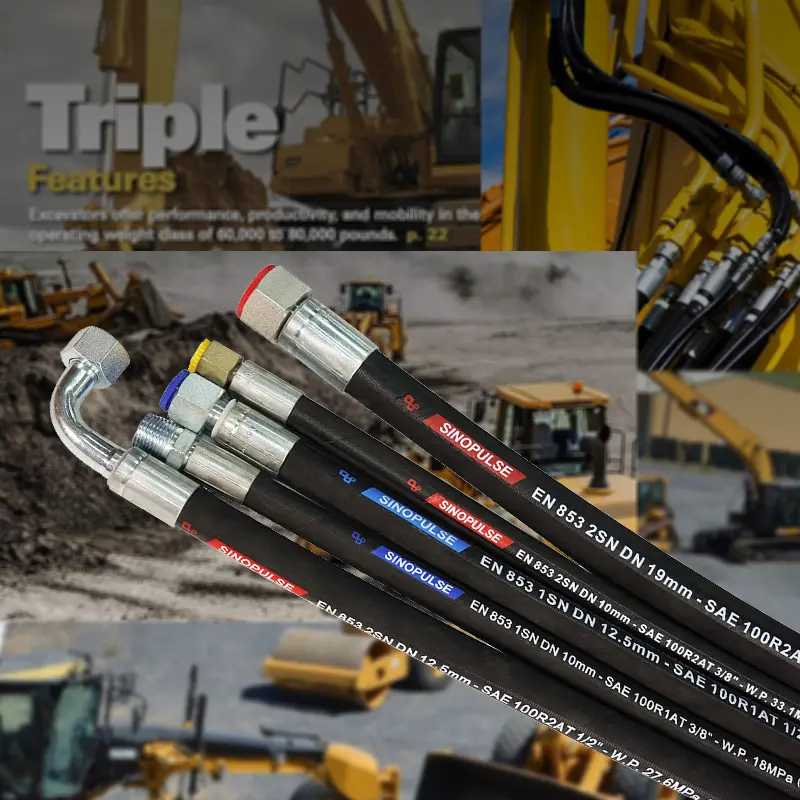
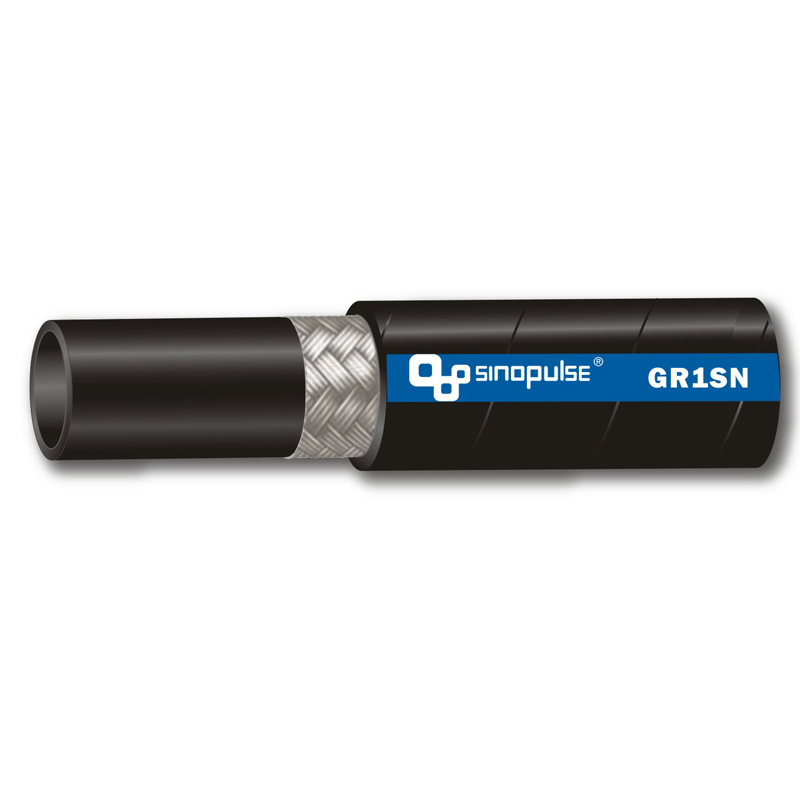
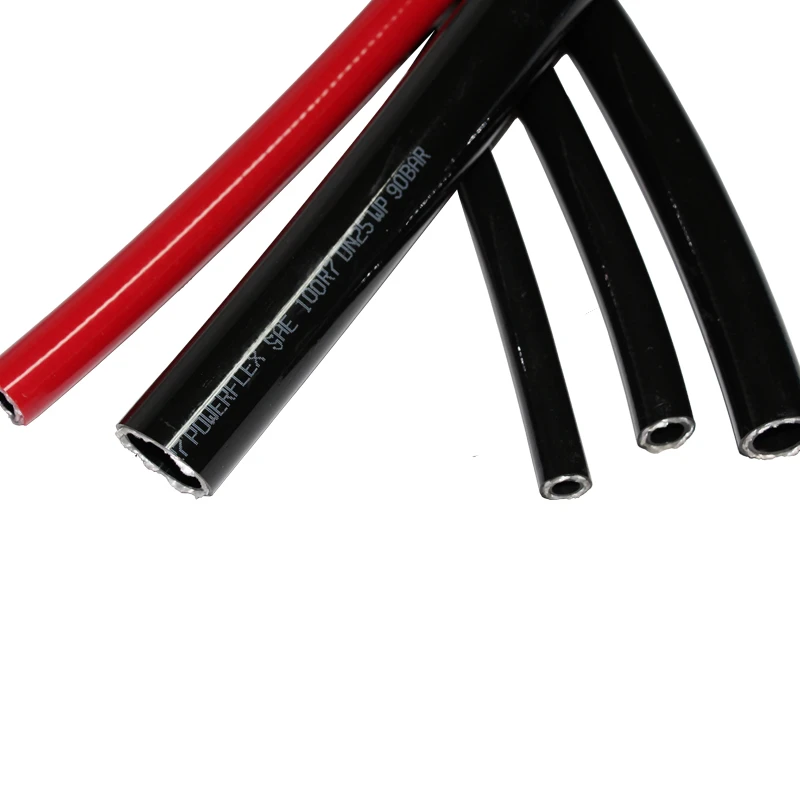
Simply put, a hose braided is a flexible pipe that’s reinforced by weaving or braiding fibers or metal wires around a core tube — often made of rubber, plastic, or other polymers. This braid acts as armor: boosting strength, extending lifespans, and allowing the hose to resist pressure surges and mechanical wear better than a simple tube would.
In practical terms, they’re what let you run fluids safely across challenging environments, from scorching industrial zones to highly mobile relief operations in humanitarian crises. Their versatility means you find them everywhere, even where safety is literally life or death.
Key Characteristics That Make Braided Hoses a Go-To Solution
Durability
Braided hoses withstand high pressures, resist corrosion, and handle temperature swings—sometimes from subzero to hundreds of degrees Celsius—without fail. That’s because the braided layer distributes stress evenly and reduces weak points.
Flexibility
Despite their toughness, these hoses stay flexible enough for tight bends and complex routing, which is essential in cramped industrial or onsite setups.
Safety & Reliability
The braiding prevents hose bursts that could lead to dangerous leaks or system failures. This is critical not just for efficiency, but human wellbeing—think fire suppression or hydraulic brakes.
Cost Efficiency
While braided hoses initially cost more than simple rubber tubes, their longevity and reduced maintenance needs typically save money in the long run.
Customization
Manufacturers tailor braid materials—from stainless steel and nylon to polyester threads—to suit different fluids, pressure levels, and environmental conditions.
Mini Takeaway:
Understanding these core features helps explain why braided hoses are the quiet superheroes in fluid systems worldwide.
Where Do Braided Hoses Actually Get Used? Real-World Examples
Their applications are almost endless:
- Oil and Gas: Mega offshore platforms rely on high-pressure braided hoses to transfer fuels and hydraulic fluids safely.
- Automotive: Brake lines and fuel injection systems use braided hoses for safety and precise fluid control.
- Disaster Relief: In post-disaster clean water distribution, flexible braided hoses enable quick setup of water networks over rough terrains.
- Aerospace: Cabin water systems and engine cooling lines often require braided hoses with very strict specs.
- Manufacturing Plants: Chemical transfer and cooling systems depend on customizable braided hoses.
For example, during the 2020 typhoon relief effort in the Philippines, humanitarian agencies deployed thousands of braided hose lines to set up potable water systems under extreme conditions. That’s a vivid demonstration of how critical these seemingly simple components really are.
Mini Takeaway:
From high-tech aerospace applications to saving lives in natural disasters, braided hoses bridge worlds and needs.
Quick Look: Robust Product Specification for a Standard Braided Hose
| Attribute | Specification |
|---|---|
| Material (Inner Tube) | Nitrile Rubber (NBR) |
| Braiding | Stainless Steel Wire (304 SS), Double Braid |
| Working Pressure | 3000 psi (≈207 bar) |
| Temperature Range | -40°C to +120°C (-40°F to 248°F) |
| Burst Pressure | >12000 psi (≈827 bar) |
| Outer Cover | Polyurethane (Abrasion Resistant) |
| Typical Lengths | 1 - 50 meters (customizable) |
Comparing Leading Hose Braided Vendors
| Vendor | Material Options | Typical Pressure Ratings | Custom Solutions | Global Reach |
|---|---|---|---|---|
| HydraFlex Inc. | Stainless Steel, Nylon, Polyester | Up to 4000 psi | Yes (custom diameters, lengths) | North America, Europe, Asia |
| Braided Solutions Ltd. | Polyester, Kevlar, Stainless Steel | Up to 3000 psi | Yes (special coatings available) | Europe & Middle East |
| FlexiTube Global | Nylon, Polyurethane | Up to 2500 psi | Limited | Asia, South America |
Why Choose Braided Hoses? Advantages That Matter Long Term
What gives me pause in all these technical specs is the real-world benefits that just don’t show up in datasheets:
- Safety: Avoiding hose failures isn’t just about uptime—it’s about protecting people and environment.
- Cost-Effectiveness: Less downtime, less replacement, and smoother operations save money over years.
- Environmental Impact: Durability means fewer discarded hoses. Plus, new eco-friendly braid materials are emerging.
- Innovation Catalyst: Reliable hoses allow engineers to think bigger—designing new machinery, portable systems, and connected factories.
Looking Ahead: Trends & Innovation in Braided Hose Technology
Frankly, the technology behind braided hoses is more vibrant than most realize. Some emerging trends include:
- Green Materials: Biodegradable and recycled fibers replacing petroleum-based braids.
- Smart Sensors: Integration of IoT tech to monitor hose condition in real time, preventing failures before they happen.
- Advanced Coatings: Nanotechnology coatings that repel chemicals and microbes.
- 3D Braiding: Precision manufacturing techniques delivering custom strength in complex shapes.
Common Challenges (And How the Industry Tackles Them)
Of course, nothing’s perfect.
One common headache is compatibility across different fluids and extreme environments. Some hoses degrade prematurely if wrongly specified. Manufacturers now offer detailed compatibility charts and consultative services to avoid these pitfalls.
Another issue? Standardization. Different regions have their own codes and specs, making international projects a bit of a logistical headache. Fortunately, global bodies like ISO are pushing harmonization.
Lastly, cost barriers—super high-grade hoses can be pricey. But modular design and volume manufacturing are gradually driving prices down.
FAQs About Hose Braided You Might Be Asking
Q1: How do I know which braided hose is suitable for high-temperature fluids?
A1: Look for hoses explicitly rated for your fluid’s temperature range and chemical type. Many suppliers provide charts matching materials to fluids and max temperatures. For extreme conditions, stainless steel braid with PTFE inner tubes is often recommended.
Q2: Can braided hoses be repaired if damaged?
A2: Generally, braided hoses are replaced rather than repaired, especially if the braid layer is compromised. Small outer cover abrasions may be patched, but pressure integrity depends on the core tube and braid.
Q3: Are hose braided products reusable in other applications after initial use?
A3: Depending on the application and contamination risks, some braided hoses can be repurposed for less critical functions. However, it's essential to inspect thoroughly for wear and ensure compliance with safety standards.
Q4: What are the lead times for custom braided hoses?
A4: Custom orders usually take 2–6 weeks depending on complexity, materials, and batch sizes. It pays to communicate specs early to avoid delays.
Final Thoughts & Next Steps
At the end of the day, braided hoses represent a fascinating blend of traditional craftsmanship and modern innovation. They solve real problems around the world, from powering mega-industrial plants to delivering life-saving fluids in disaster zones. Their long-term reliability, adaptability, and growing sophistication make them indispensable.
If you’re looking to optimize your fluid systems or explore the benefits of hose braided solutions, now’s a great moment to dive deeper. Trust me, it’s more than a hose—it’s a backbone for so many systems we often take for granted.
Visit our website: https://www.hydraulichoseplus.com to browse products, request advice, or arrange a consultation today.
References:
- International Organization for Standardization (ISO)
- Wikipedia: Hose
- World Bank Infrastructure Overview
Product Application