

Understanding Hydraulic Braided Hose: Why It Matters Globally
Ever wonder what keeps heavy machinery running smoothly in remote construction sites or how advanced hydraulic systems maintain their pressure integrity under stress? The humble hydraulic braided hose plays a pivotal role here. In essence, it’s the lifeline for transferring pressurized fluids in countless applications worldwide — from industrial machinery and agriculture to humanitarian relief efforts.
The global market for hydraulic hoses is expected to grow steadily, partly driven by infrastructure development in emerging economies and the push for more efficient, durable fluid transfer solutions. Knowing about these hoses might sound niche, but considering their contribution to global industries — which in turn move the modern world — it’s quite worth the attention.
The Global Context Around Hydraulic Braided Hoses
Hydraulic systems are everywhere: they power industrial presses, aircraft controls, agricultural equipment, and even the latest renewable energy installations. According to the International Organization for Standardization (ISO), properly rated and tested hydraulic hoses are essential for safety and performance. Frankly, without them, our industries would simply grind to a halt — not amazing when you think about how much gets done thanks to pressurized fluids being routed reliably.
But there’s a catch — these hoses face constant wear, extreme pressure, temperature swings, and sometimes harsh chemical exposure. The challenge? Developing hoses that last longer, resist leaks, and adapt to diverse environments. Addressing these issues globally impacts everything from increased productivity to reduced environmental impact.
What Exactly is a Hydraulic Braided Hose?
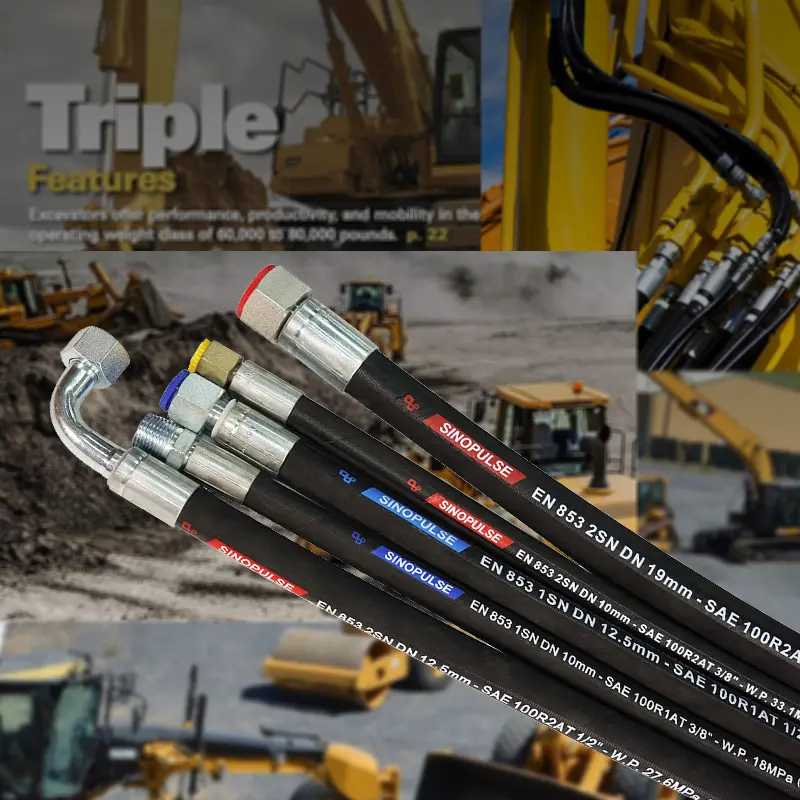
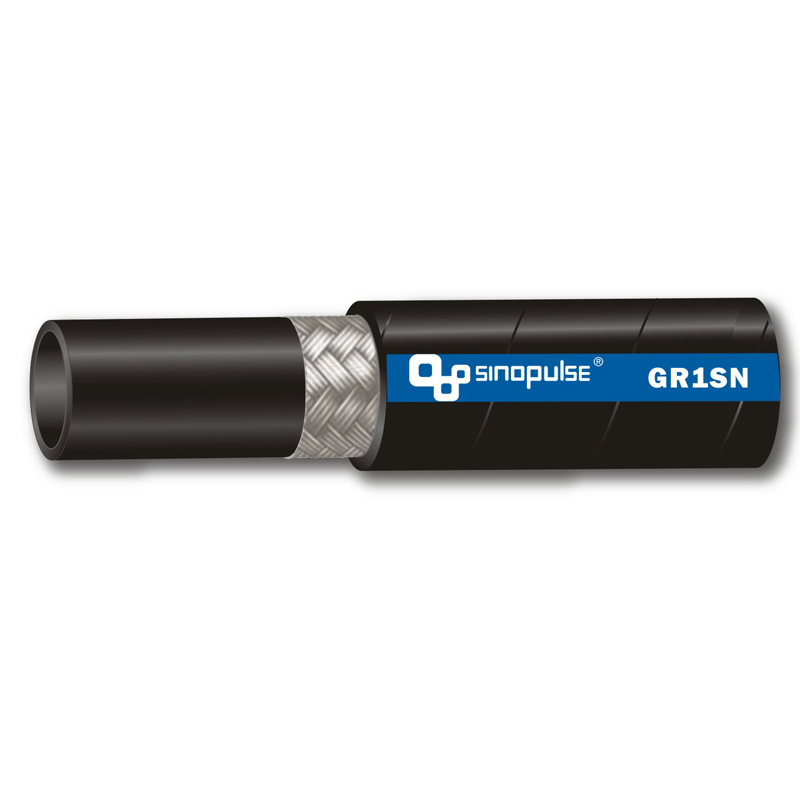
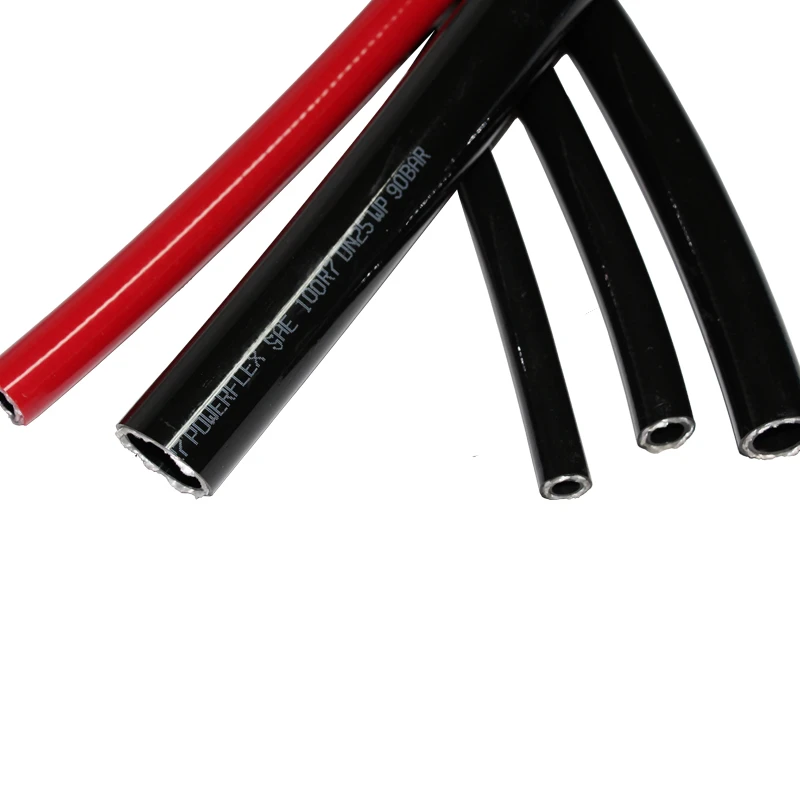
So, in simple terms: a hydraulic braided hose is a flexible tube designed to carry hydraulic fluid under pressure. What sets it apart is the braided reinforcement — usually made of metal wires or synthetic fibers — wrapped tightly around the inner tube. This braiding provides the hose with extra strength, flexibility, and resistance against bursting.
It’s a perfect example of engineering meeting real-world needs: the strength comes from the braid, the flexibility from the inner lining, and the combination lets machines perform complicated tasks with precision. Oddly enough, these hoses also find humanitarian uses—for example, in pumping equipment for water distribution during disaster relief, where durable fluid transfer lines are vital.
Core Components & What Makes Hydraulic Braided Hoses Tick
1. Durability
Durability is crucial. Braided hoses must withstand high pressures (often several thousand PSI), resist abrasion, and survive the pounding from harsh environments. Materials like stainless steel braid help prevent corrosion, prolonging hose lifespan.
2. Flexibility
Without enough flexibility, hoses can kink or break, causing leaks or system failures. The braided structure deftly balances strength with bendability, making installation in tight spaces possible.
3. Temperature Resistance
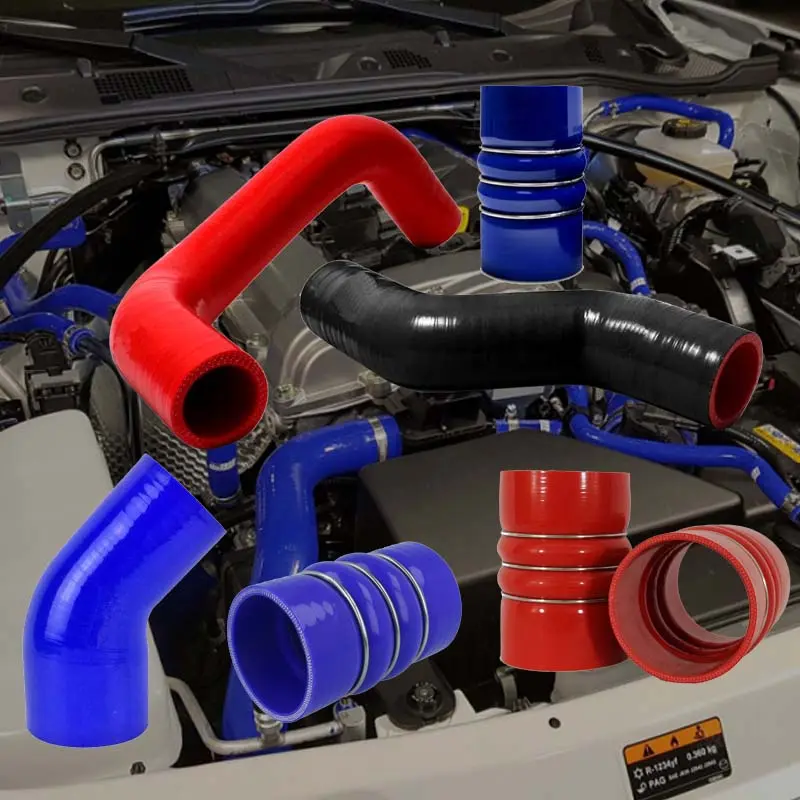
From icy tundra conditions to sweltering desert heat, these hoses must maintain integrity. Modern hoses use specialized inner liners and braid materials that handle temperature variation without degrading.
4. Chemical Compatibility
Since hydraulic fluids vary—from mineral oils to synthetic concoctions—the hose’s internal lining must resist chemical attack to avoid swelling or cracking.
5. Cost Efficiency
While initial costs might seem higher, longer service life and reduced maintenance translate to real savings over time.
Mini takeaway: The braided hydraulic hose blends durability, flexibility, and chemical resistance — a well-rounded package that answers real-world challenges.
Global Applications & Real-World Use Cases
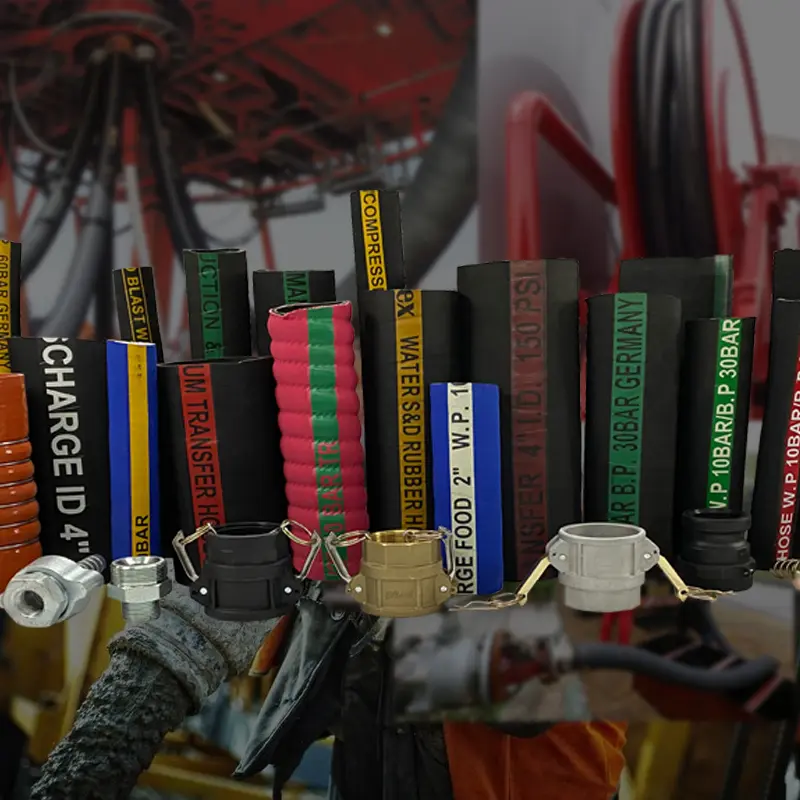
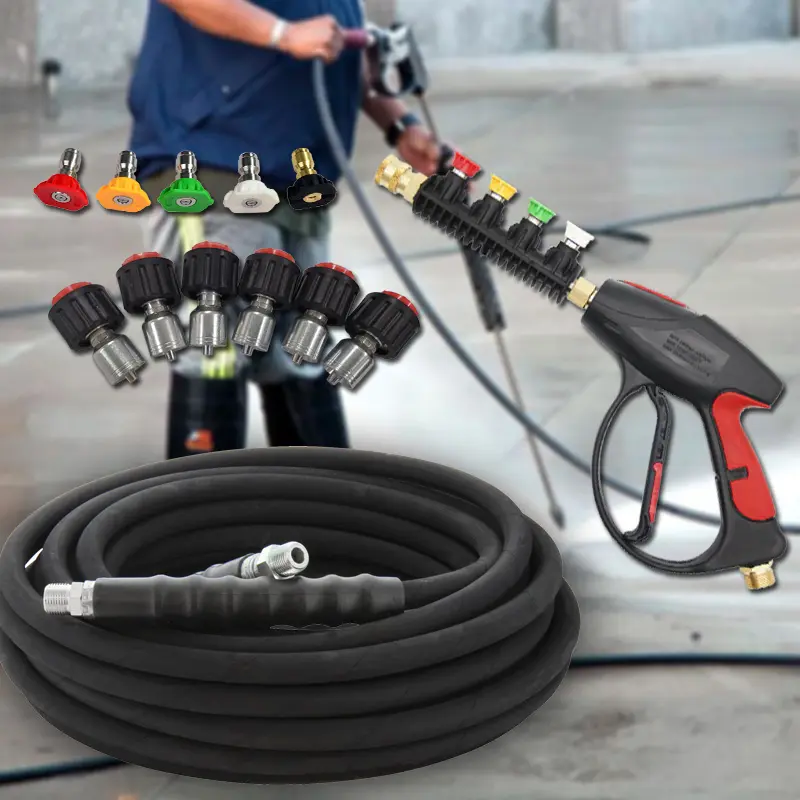
Think about massive infrastructure projects in Southeast Asia or mechanized farms in the Midwest: hydraulic braided hoses are working behind the scenes. In industrial sectors like mining, construction, and logistics, the hoses enable the safe transmission of hydraulic power essential for heavy lifting and precise control.
Interestingly, the humanitarian sector uses hydraulic systems where reliable fluid transfer can’t afford downtime. For instance, after natural disasters such as earthquakes, equipment with hydraulic braided hoses pumps potable water or operates temporary bridges—precisely because of their dependability.
And then there’s renewable energy. Wind turbines and hydroelectric plants rely on hydraulics that demand braided hoses capable of coping with fluctuating pressures and cold climates in northern regions.
Advantages & Long-Term Value of Investing in Quality Hydraulic Braided Hoses
- Safety: Reduced risk of leaks and bursts prevents accidents and costly downtime.
- Cost Savings: Longevity means fewer replacements and less maintenance.
- Environmental Impact: High-quality hoses prevent hazardous spills.
- Operational Efficiency: Reliable fluid delivery maintains machine performance at peak levels.
- Trust & Innovation: Using tested hoses shows a commitment to high standards and embraces improved technologies.
It’s not just about the bottom line—many engineers mention the peace of mind that comes with using hoses they don’t have to worry about every minute.
Product Specification Table: Typical Hydraulic Braided Hose
| Specification | Value / Range |
|---|---|
| Inner Tube Material | NBR (Nitrile), or PTFE |
| Reinforcement | One or two layers of stainless steel braid |
| Operating Pressure | Up to 6000 psi (approx.) |
| Temperature Range | -40 °C to +121 °C (-40 °F to 250 °F) |
| Hose Diameter Options | 1/4", 3/8", 1/2", 3/4", 1" |
| Fittings | Steel or brass crimped ends |
Comparing Top Hydraulic Braided Hose Suppliers
| Vendor | Pressure Rating | Customization Options | Geographic Reach | Warranty |
|---|---|---|---|---|
| HoseMaster Co. | Up to 5800 psi | Custom lengths & fittings | Global | 5 years |
| FluidFlex Supplies | Up to 6000 psi | Standard sizes; limited upgrades | North America, Europe | 3 years |
| Global Hoses Inc. | Up to 6200 psi | Highly customizable | Worldwide | 7 years |
What Does the Future Hold for Hydraulic Braided Hoses?
With the push for greener tech, innovations in materials are on the horizon. Think bio-based polymers for inner tubes or nano-enhanced braid materials that offer lighter yet tougher hoses. There's also the emerging trend of smart hydraulic braided hose with embedded sensors that monitor pressure or wear and alert operators before failure.
Digitization won't stop at factory floors — automated systems will increasingly require hoses that adapt to new mounting and routing demands, underlined by advanced testing standards being developed by institutions like ISO and ASTM. These changes promise not only longer-lasting hoses but safer, more sustainable hydraulic systems.
Common Challenges & How Industry Experts Tackle Them
Common issues tend to be premature wear from abrasion, unexpected chemical incompatibility, and installation errors causing kinks. But many manufacturers now integrate better outer covers resistant to abrasion and chemical attacks. On the installation side, training and better tooling help reduce human error.
Innovative solutions also include quick-connect fittings and modular hose assemblies—a lifesaver in remote field repairs. I noticed a few companies piloting hose recycling programs to tackle environmental concerns too. All in all, it’s an evolving landscape with smart solutions for age-old problems.
FAQ: Practical Questions About Hydraulic Braided Hoses
- How do I know which hydraulic braided hose is right for my equipment?
- Check the pressure rating and chemical compatibility first. Also, consider the temperature range your system will operate in. Vendor datasheets and consulting engineers can guide you toward hoses that match your exact specs.
- Can I reuse hydraulic braided hoses after repairs?
- Generally, hoses aren’t meant to be reused once damaged or repaired because their integrity can be compromised. It’s safer to replace damaged hoses unless the repair is done by a certified professional following strict procedures.
- What maintenance steps extend the life of a hydraulic braided hose?
- Regular inspection for wear, avoiding sharp bends, keeping hoses clean, and ensuring proper installation all help. Also, avoid exposure to UV light and chemicals that the hose isn't designed to handle.
- Are stainless steel braided hoses better than synthetic fiber braided ones?
- Stainless steel braids tend to be stronger and more heat-resistant, ideal for extreme applications. Synthetic fiber braids offer lighter weight and better flexibility but may not handle as high pressure or temperature.
Wrapping It Up
In the grand scheme, the hydraulic braided hose might seem humble, but it’s absolutely vital to industry, infrastructure, and even humanitarian efforts worldwide. Its unique blend of durability, flexibility, and reliability keeps the world’s hydraulic systems fluid — pun intended. If you’re interested in exploring quality options that fit your specific application, check out our detailed resources and product lineup at hydraulichoseplus.com.
At the end of the day, investing in the right hose isn’t just a cost — it’s peace of mind and that little invisible thread holding the machinery of our modern world together.
Mini takeaway: Quality hydraulic braided hoses are an unsung hero driving safety, efficiency, and innovation in multiple sectors globally.
References
Product Application