

Understanding the 1 4 NPT Braided Hose: Why It Matters Today
If you've ever peeked behind the scenes in hydraulic systems, automotive setups, or even industrial machinery, chances are you've come across the trusty 1 4 NPT braided hose. It’s that unassuming yet vital component that connects, protects, and maintains fluid or gas flow under pressure. Globally, industries depend on these hoses to keep operations smooth and safe — from manufacturing plants in Asia to oil rigs off the Gulf Coast, and even humanitarian efforts installing critical water systems in remote areas.
Why does understanding them matter? Well, these hoses often face harsh conditions — intense heat, chemical exposure, vibration, or simply decades of use. Knowing their strengths, weaknesses, and best applications can save downtime, avoid costly failures, and even preserve safety. Plus, as environmental standards tighten and industries push for more sustainable solutions, the humble braided hose is evolving too. So let’s take a closer look.
The Global Context of 1 4 NPT Braided Hose
According to data from the International Organization for Standardization (ISO), fluid power systems represent a multi-billion-dollar sector worldwide, and hoses with National Pipe Thread fittings are a staple here. To give you a sense of scale: hydraulic systems — where you’ll often find 1 4 NPT braided hoses — enable roughly 70% of manufacturing automation globally (source: ISO).
Yet despite the vast use, failure rates due to improper hose selection or wear remain an industrial headache. This becomes especially critical when you consider remote or disaster-impacted zones, where replacing or repairing hoses isn't trivial. The 1 4 NPT braided hose addresses both connectivity and durability needs but only when correctly understood and deployed.
Mini takeaway: The 1 4 NPT braided hose is at the nerve center of modern fluid systems worldwide, underscoring industrial efficiency and safety — but missteps still cause downtime and risk.
What Exactly Is a 1 4 NPT Braided Hose?
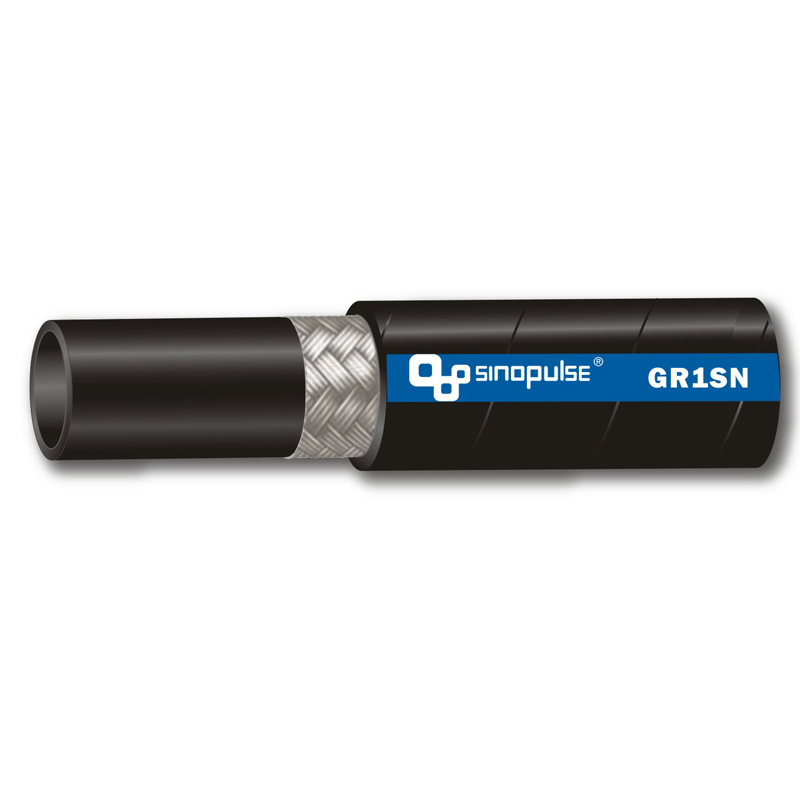
Let’s break down the term: “1 4 NPT” refers to a one-quarter diameter fitting compliant with National Pipe Thread standards — a U.S. standard for tapered threads ensuring tight, leak-proof connections. Meanwhile, “braided hose” typically means a flexible inner tube surrounded by a braided stainless steel or textile mesh for reinforcement.
So in plain English, we’re dealing with a durable hose fitted with a 1/4-inch NPT connector, fortified for pressure and abrasion resistance. It’s commonplace in hydraulic, pneumatic, and industrial fluid applications, connecting pipes, pumps, valves, and more.
On a broader scale, these hoses tie into sectors ranging from automobile manufacturing lines to agricultural irrigation, even emergency water distribution systems after floods or earthquakes.
Mini takeaway: A 1 4 NPT braided hose is basically a rugged, adaptable “pipe” segment that fits a common thread size, designed to thrive under pressure and movement.
Key Components that Make This Hose a Workhorse
Durability
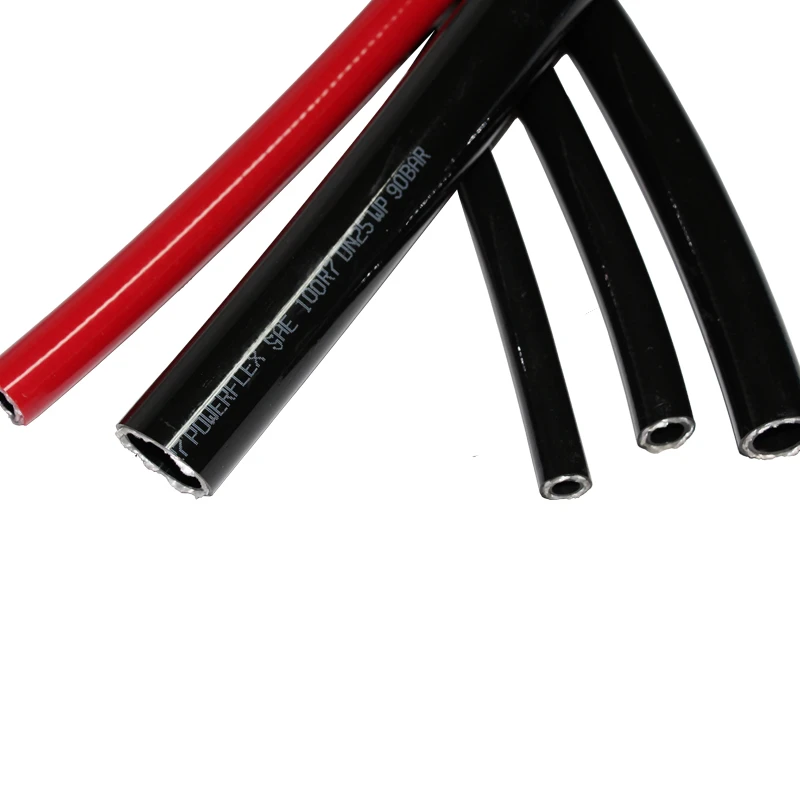
The braided steel or synthetic fiber wrap isn’t just for show. It protects against internal pressure spikes — often reaching 3000 psi or more — and external dangers like scraping or kinking. Many engineers brag about the braided layer’s ability to maintain hose shape even in tight bends.
Thread Standardization
The NPT fittings mean easy, leak-resistant joins to standard parts — a godsend when you’re mixing and matching components in different systems. But remember: these threads are tapered, so compatibility requires attention to specification.
Flexibility and Range
Though robust, these hoses remain flexible — essential when installations require routing around machinery or inside cramped engine compartments. You often see lengths customized or cut to size, which is why suppliers frequently stock a variety of sizes.
Material Compatibility
Inner tubes can range from nitrile rubber for oils, to PTFE for chemical resistance. This lets engineers tailor hoses for use with fuels, coolants, or even aggressive hydraulic fluids — a practical boon.
Cost Efficiency
Compared to rigid piping, braided hoses reduce installation time and costs, plus lowering maintenance expenses thanks to their resilient design. When you factor in downtime costs, these hoses pay for themselves.
Mini takeaway: You want your hose durable, standardized, flexible, chemically compatible, and cost-effective — and the 1 4 NPT braided hose delivers on all these fronts.
Global Applications: Where and How These Hoses Shine
- Industrial Manufacturing: Factories worldwide use these hoses to link hydraulic presses, conveyor systems, and fluid pumps.
- Automotive and Aerospace: Their compact nature and strength make them ideal for fuel lines and brake systems.
- Agriculture: In irrigation systems and heavy machinery like tractors, braided hoses withstand rough environments.
- Disaster Relief Efforts: NGO operations often rely on them for water distribution or temporary fuel lines in post-disaster zones.
- Remote Energy Sites: Oil, gas, and solar farms in remote locations use them due to flexibility in harsh climate conditions.
For example, I read a case study where a humanitarian group rapidly installed water purification units after flooding in Southeast Asia. The local teams valued the 1 4 NPT braided hoses for their quick-fit reliability under stressful timelines (1 4 npt braided hose).
Mini takeaway: From global manufacturing hubs to crisis zones, these hoses enable critical fluid control under diverse and demanding conditions.
Advantages and Long-Term Value of Using 1 4 NPT Braided Hoses
Beyond flexibility and strength, these hoses offer several long-term benefits worth a mention:
- Safety: Leak-resistant fittings reduce contamination and hazards, protecting workers and the environment.
- Sustainability: Durable materials reduce waste and replacement frequency, aligning with greener industry trends.
- Reliability: Consistent performance even under temperature extremes or vibrations.
- Innovation-Friendly: Their design adapts easily to automation setups or sensor integrations.
- Cost Savings: Lower installation time and maintenance costs, fewer failures, and less downtime.
What’s interesting is how brand reputation around these hoses often hinges on quality assurance and traceability, which fosters trust among engineers and safety inspectors alike.
Product Specification Table: Typical 1 4 NPT Braided Hose Model
| Feature | Specification |
|---|---|
| Hose Diameter | 1/4 inch (6.35 mm) |
| Thread Type | National Pipe Taper (NPT), 1/4" male/female |
| Working Pressure | Up to 3000 psi (207 bar) |
| Temperature Range | -40°C to +120°C (-40°F to +248°F) |
| Material - Inner Tube | Nitrile rubber or PTFE |
| Braided Layer Material | Stainless Steel 304 or Kevlar |
Comparing Top Vendors for 1 4 NPT Braided Hoses
| Vendor | Range of Sizes | Material Options | Typical Lead Time | Customer Support |
|---|---|---|---|---|
| Hydraulic Hose Plus | 1/8" to 1" | Nitrile, PTFE, Silicone | 2-5 business days | 24/7 Technical Helpdesk |
| FlexTech Hoses | 1/4" to 2" | Stainless Steel, Rubber, Kevlar | 5-7 business days | Online Chat & Local Reps |
| Global Hose Supply | 1/4" to 3" | PTFE, Rubber, Metal Braids | 7-10 business days | Email Support Only |
Innovations and Future Outlook
One exciting evolution is the integration of smart sensors within braided hoses — these will monitor pressure, temperature, and even fluid composition in real time, feeding data to control systems to predict failures before they happen. Also, greener synthetic materials are on the rise, aiming for biodegradability or less environmental impact.
On the policy side, rising international standards (like updates to ISO 18752 for hydraulic hoses) mean manufacturers are innovating faster to meet stricter safety and quality demands. So if you’re thinking about new installations, it’s wise to opt for hoses future-proofed with these cutting-edge features.
Challenges and Practical Solutions
It’s not all perfect, though. These hoses can succumb to issues like:
- Improper thread sealing causing leaks.
- External abrasion wearing down braid covers over time.
- Compatibility mismatches with certain aggressive fluids.
- Heat damage if operating beyond rated temperatures.
But many vendors offer protective sleeves, high-temp variants, and customized fittings to handle such problems. Regular inspection routines and staff training also go a long way — oddly enough, most failures stem from neglected maintenance rather than product flaws.
FAQ: Your Top Questions About 1 4 NPT Braided Hose
- What makes 1 4 NPT braided hoses preferred over regular rubber hoses?
- They counterbalance flexibility with strength, resisting higher pressure and temperature while keeping leakage minimal thanks to the tapered NPT fitting. Regular rubber hoses often can’t tolerate the same extremes.
- Can these hoses be used for high temperature steam applications?
- Typically no. Most standard nitrile or PTFE based 1 4 NPT braided hoses max out around 120°C. Specialized hoses with silicone or metal inner tubes are better suited but check vendor specs carefully.
- How do I know if the hose’s materials will work with my hydraulic fluid?
- Good question! Always consult the chemical compatibility charts provided by suppliers. Nitrile suits common oils while PTFE works well with aggressive chemicals. If unsure, ask experts at 1 4 npt braided hose suppliers for guidance.
- Is installation tricky for these hoses in confined machinery spaces?
- Not necessarily. Their braided design allows bending without kinking, making installation easier than rigid piping. Just make sure fittings tighten correctly and hoses aren’t stretched or compressed excessively.
Wrapping Up: Why the 1 4 NPT Braided Hose Continues to Prevail
Over the decades, the 1 4 NPT braided hose has proved itself a quiet, dependable hero of industrial and emergency fluid systems alike. Its blend of industry-standard connections, robust braiding, and customizable materials keeps it relevant in a world where reliability and efficiency mean everything. Whether you're outfitting a new build, repairing a critical system, or launching humanitarian aid equipment, these hoses are a great first choice.
Curious to explore your options or order a custom hose tailored to your needs? Visit our website to dive deeper: 1 4 npt braided hose.
References & Further Reading
Product Application