

Why Braided Hose 1 2 Is More Important Than You Might Think
When it comes to hydraulic systems, industrial machinery, and even some household setups, the humble braided hose 1 2 is quietly doing a lot of heavy lifting. It’s a flexible connector that’s built tougher than it looks, offering durability, reliability, and performance all bundled into a neat package. Globally, industries depend on such hoses not just because of convenience but because failure isn’t an option — think oil rigs, construction sites, aerospace, and even municipal water systems. Understanding these hoses isn’t just “tech talk”; it matters for safety, cost efficiency, and long-term sustainability.
The Global Context: Why Everyone’s Talking Braided Hose 1 2
According to ISO standards, over 70% of fluid transfer hoses worldwide involve some form of metal or textile braiding for reinforcement. This isn’t surprising when you look at how much hydraulic equipment has proliferated globally—in fact, the market for hydraulic hoses alone is expected to grow at roughly 5% annually in the next five years (source: World Bank machinery import data).
Yet there’s a problem: many older systems still use inferior hose technology, prone to cracks, bursts, and leaks, leading to costly downtime and even environmental hazards. Industries across different continents, especially in remote or developing areas, need durable and safe fluid conveyance solutions — enter the braided hose 1 2. It’s a solution that addresses these collective challenges and plays a key role in enhancing reliability everywhere water, oil, or gas flows under pressure.
What Exactly Is a Braided Hose 1 2?
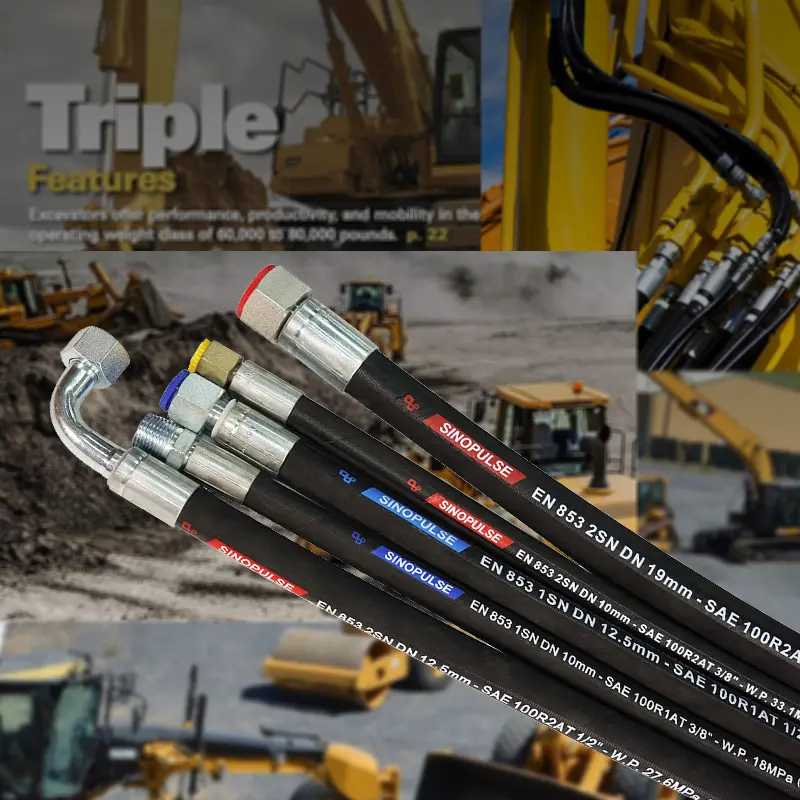
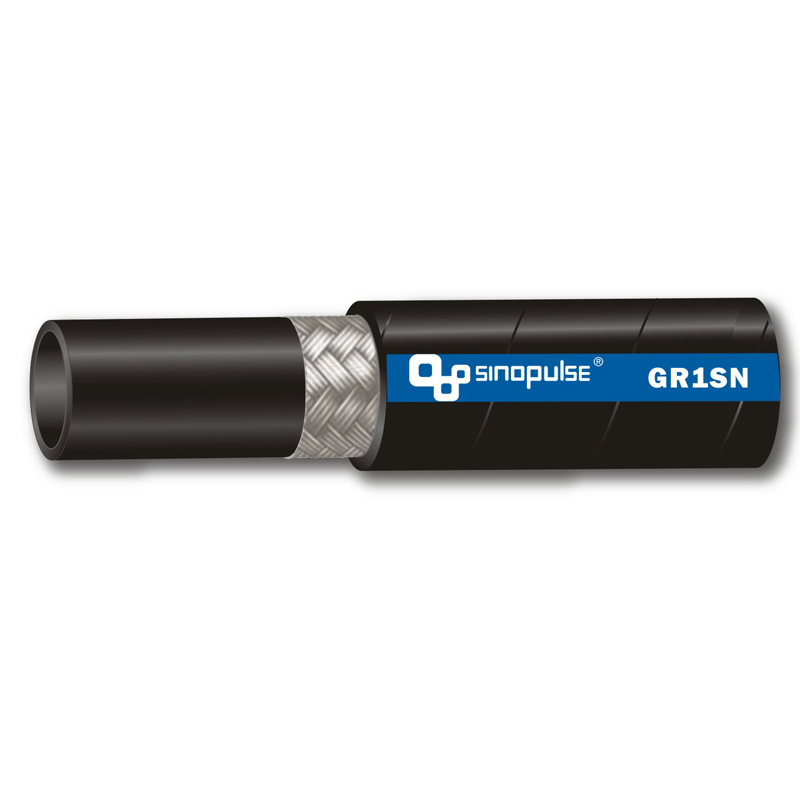
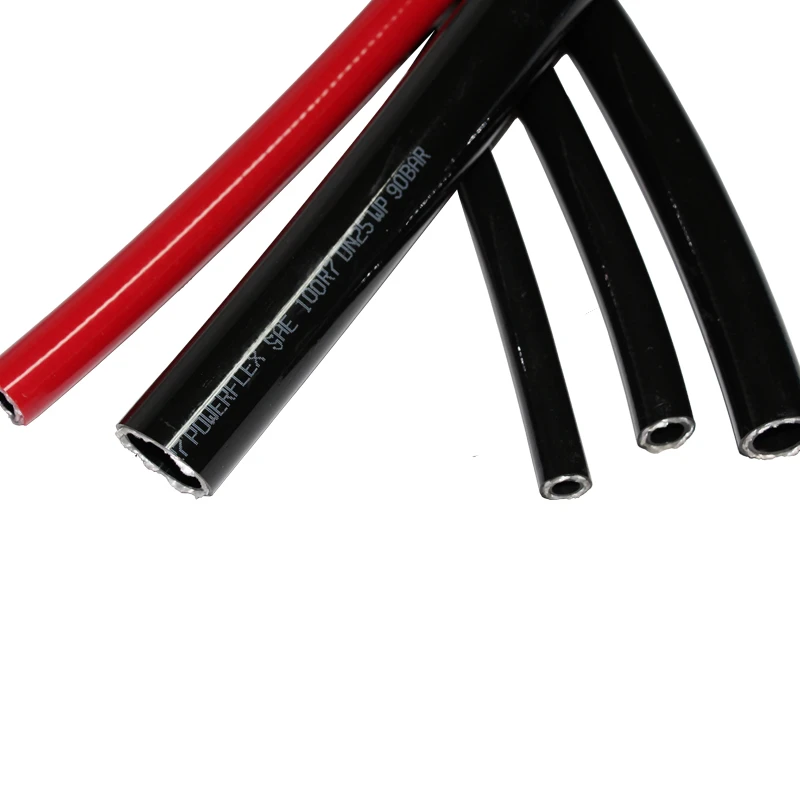
Simply put, a braided hose 1 2 is a flexible tube whose exterior is wrapped with a mesh (or braid) of steel or synthetic fibers to provide high strength and resistance to pressure. The “1 2” refers typically to the hose size—meaning it’s designed for a 1/2 inch diameter flow. This size hits a nice balance between adaptability and flow capacity, making it popular in hydraulic systems, automotive lines, and even some household water applications.
The braiding also helps resist abrasion and kinking, drastically extending the hose’s service life compared to non-reinforced alternatives. This means fewer replacements, less waste, and improved system reliability—something every plant manager or field engineer can appreciate.
Core Components That Make Braided Hose 1 2 Work
1. Durable Inner Tube
The inner tube, often made from synthetic rubber or PTFE, must resist the fluid’s chemical makeup and temperature while maintaining flexibility. It’s the first defense.
2. Reinforcing Braid
This is the star—the braided layer, usually stainless steel or high-strength synthetic fibers, adds tensile strength and resists pressure surges or external abrasion.
3. Protective Cover
The outer cover guards the braid and inner tube from environmental damage like UV, oils, or physical impacts, often using materials like PVC or polyurethane.
4. Couplings and Fittings
Equally important, a secure coupling system ensures a leak-free connection. These might be crimped steel fittings or reusable connectors depending on the application.
| Specification | Typical Value | Notes |
|---|---|---|
| Inner Diameter | 1/2 inch (12.7 mm) | Standard sizing |
| Maximum Working Pressure | Up to 4000 PSI (275 Bar) | Dependent on braid material |
| Braid Material | Stainless Steel 304 or Nylon | Steel for heavy duty, Nylon for flexibility |
| Temperature Range | -40°C to 120°C | Varies by inner tube material |
| Length Options | Up to 50 meters | Custom lengths achievable |
Where and How Braided Hose 1 2 Is Making a Difference Worldwide
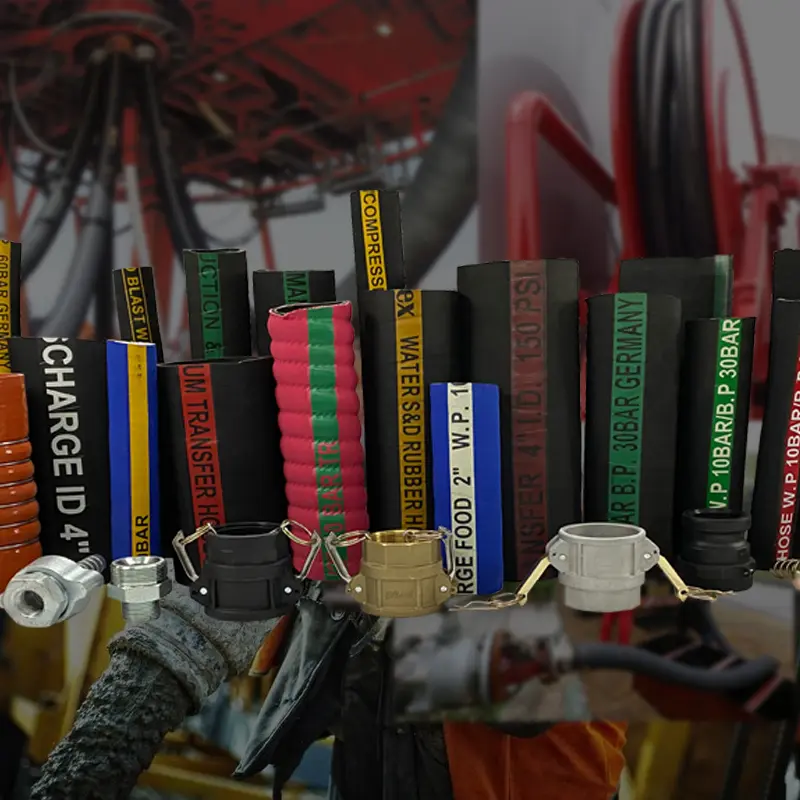
From the Arctic oil fields in Norway to the agricultural irrigation systems in Brazil, the braided hose 1 2 is everywhere you need reliable fluid transfer. Industrial zones in Southeast Asia use these hoses extensively as they upgrade infrastructure. In emergency response zones — think earthquake relief in Chile or hurricane cleanups in Florida — flexible yet robust hose lines make temporary pumping systems functional within hours.
Even aerospace applications use fine braided 1/2-inch hoses in fuel delivery systems, where failure could spell disaster. And oddly enough, you find them in niche applications like brewery lines, where pressure and hygiene are key.
Advantages and Long-Term Value of Using Braided Hose 1 2
- Cost Efficiency: Long service life means less replacement cost and fewer breakdowns that shut down expensive equipment.
- Safety: High rupture resistance reduces risks of spills, leaks, and accidents.
- Sustainability: By lowering waste and replacing disposable hoses, these products reduce environmental impact.
- Trust & Reliability: When engineers deploy these hoses, they know pressure won’t suddenly spike and create failures.
Using braided hose 1 2 feels like having a safety net beneath fluid transfer systems. There’s a quiet peace of mind, which frankly is priceless when dealing with high-pressure hydraulics or hazardous fluids.
Where the Industry Is Heading: Future Trends in Braided Hoses
The smart hose revolution is on the horizon. Imagine braided hoses embedded with sensors that monitor pressure, temperature, and wear in real-time, feeding data directly to control panels or even smartphones. Manufacturers are exploring biodegradable or recyclable braid materials to tackle sustainability pressures. New polymers and advanced alloys promise smaller, lighter hoses with even higher pressure ratings.
As automation and digital transformations sweep factories, expect braided hose 1 2 to evolve from mere parts into connected, proactive components guarding entire systems.
Common Challenges — And How Experts Tackle Them
Of course, no technology is perfect. Some limitations with braided hoses include their weight (steel braid adds heft), potential for corrosion (especially in salty or chemical environments), and price premiums over simpler hoses. However, applying specialized coatings protects braids from rust, using synthetic braid materials cuts weight, and modular designs ease installation.
Engineers often stress testing to failure before deployment and specifying hoses with carefully selected materials to match exactly the operating environment — a bit like custom tailoring in engineering.
| Vendor | Product Range | Customization | Avg. Lead Time | Price Range (per meter) |
|---|---|---|---|---|
| HoseTek | Wide (hydraulic, automotive) | High | 7-10 days | $15-$25 |
| FlexBraid Solutions | Medium (industrial only) | Medium | 5-7 days | $12-$20 |
| SteelFlex Corp. | Niche (steel braid heavy duty) | Low | 10-14 days | $18-$30 |
Frequently Asked Questions About Braided Hose 1 2
Q1: What pressure levels can a typical braided hose 1 2 handle safely?
Most braided hose 1 2 versions can safely operate up to around 3000 to 4000 PSI, depending on the braid material and manufacturer specs. Always check the hose label and never exceed the rated pressure to avoid risks.
Q2: Can I use braided hose 1 2 for hot water or steam?
Generally, yes — but you need hoses designed with inner tubes rated for high temperatures. Steel-braided hoses often tolerate up to about 120°C; beyond that, specialized materials are required.
Q3: How do I know when it’s time to replace braided hose 1 2?
Look for signs like visible cracks, frayed braiding, leaks, or stiffening of the hose. Routine inspection is key, especially if it’s in a critical system. Most manufacturers suggest replacing hoses every 5 years, but it depends on actual operating conditions.
Q4: Is installation complicated for braided hose 1 2?
Installation is straightforward if you have the right fittings and tools. Some hoses come pre-assembled with couplings; others require crimping on-site. Proper torque and avoiding bends beyond the minimum bend radius are important to keep performance intact.
Final Thoughts: Why Braided Hose 1 2 Deserves Your Attention
In the end, the braided hose 1 2 isn’t just a plumbing accessory — it’s a critical link in a vast chain of industrial and commercial processes spanning the globe. Its blend of strength, flexibility, and adaptability means it’s often the unsung hero behind high-stakes fluid transfer operations. And with ongoing innovations, it’s only getting better. For businesses or engineers looking to upgrade, specify, or maintain safer, more durable systems, understanding braided hose 1 2 can save time, money, and headaches.
If you want to explore options or need expert advice, don’t hesitate to browse braided hose 1 2 solutions here. There’s a whole world of hoses waiting to deliver peace of mind.
References:
1) Wikipedia - Hose
2) ISO 18752:2009 Hydraulic Hose Assembly Standards
3) World Bank: Manufacturing & Machinery Data
Product Application