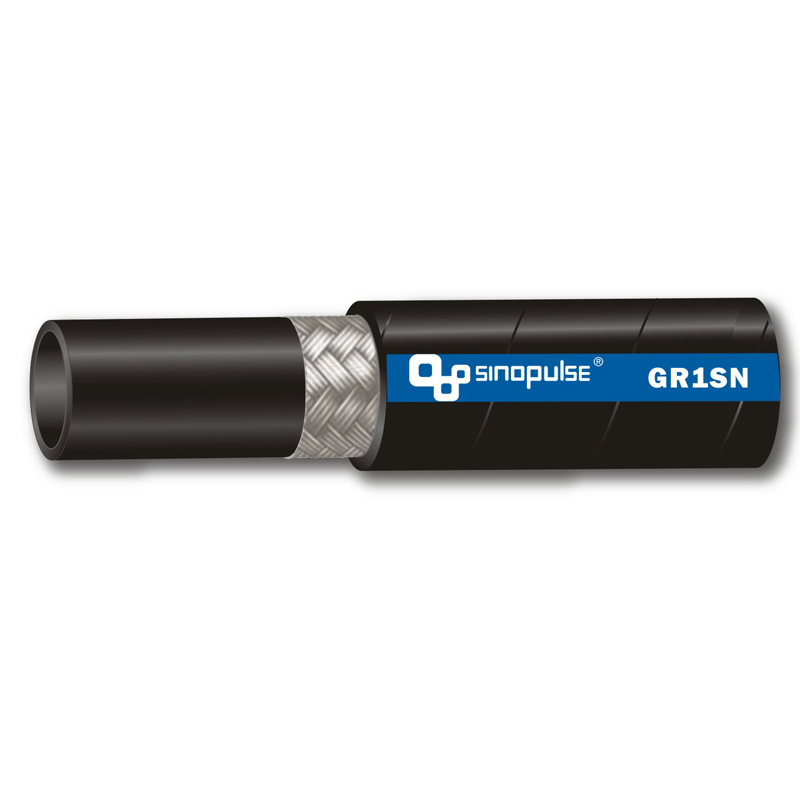
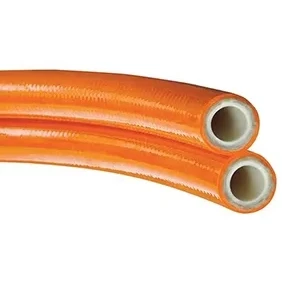
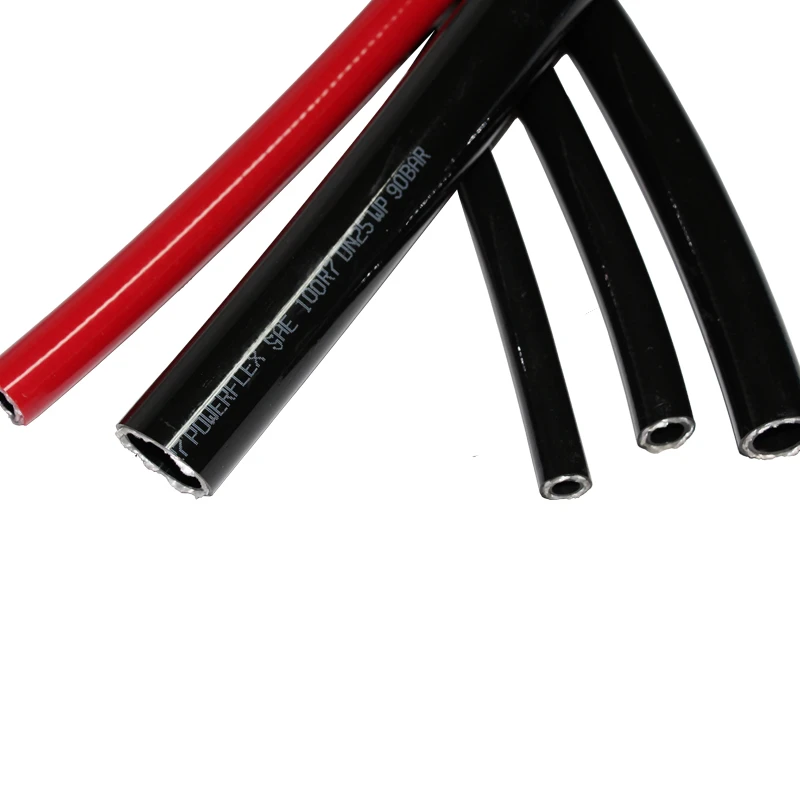
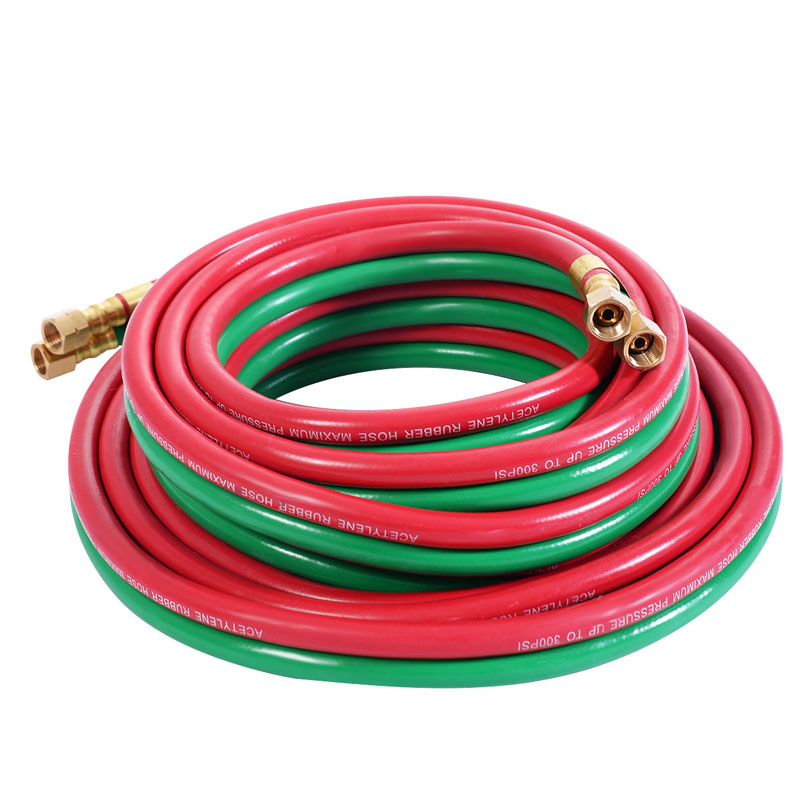
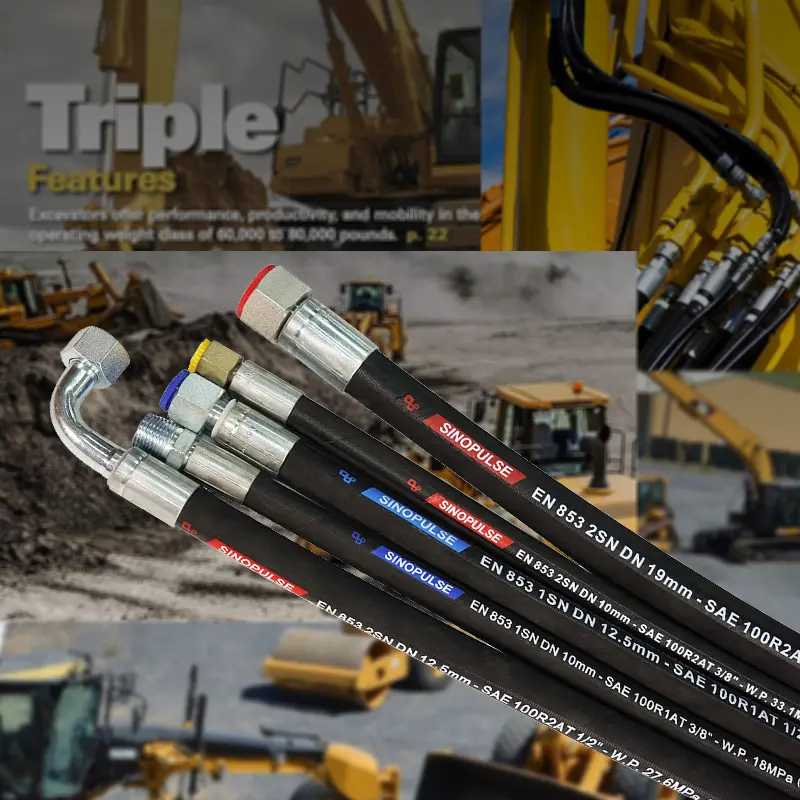
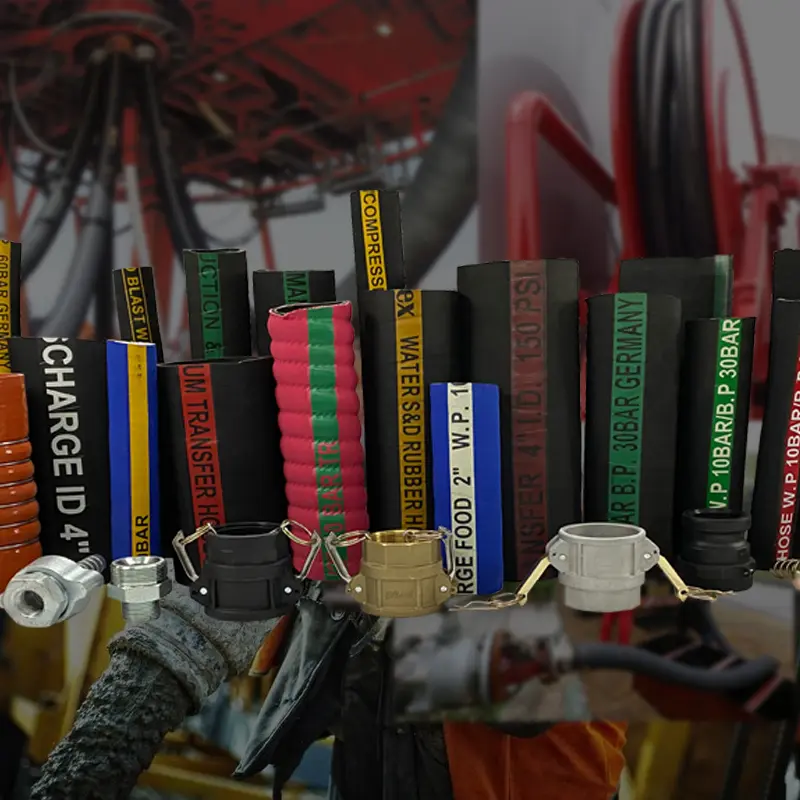
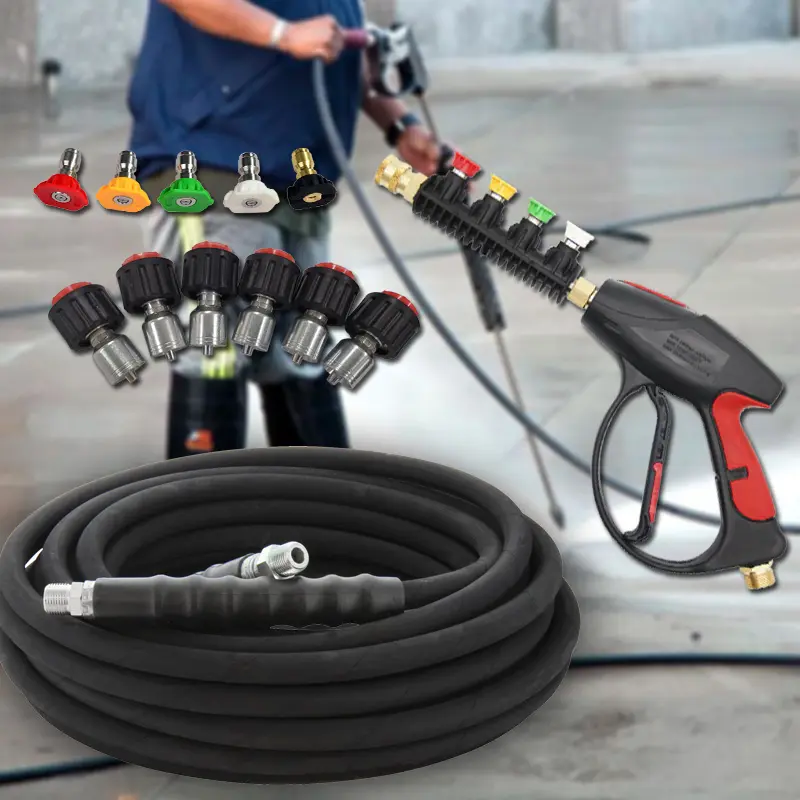
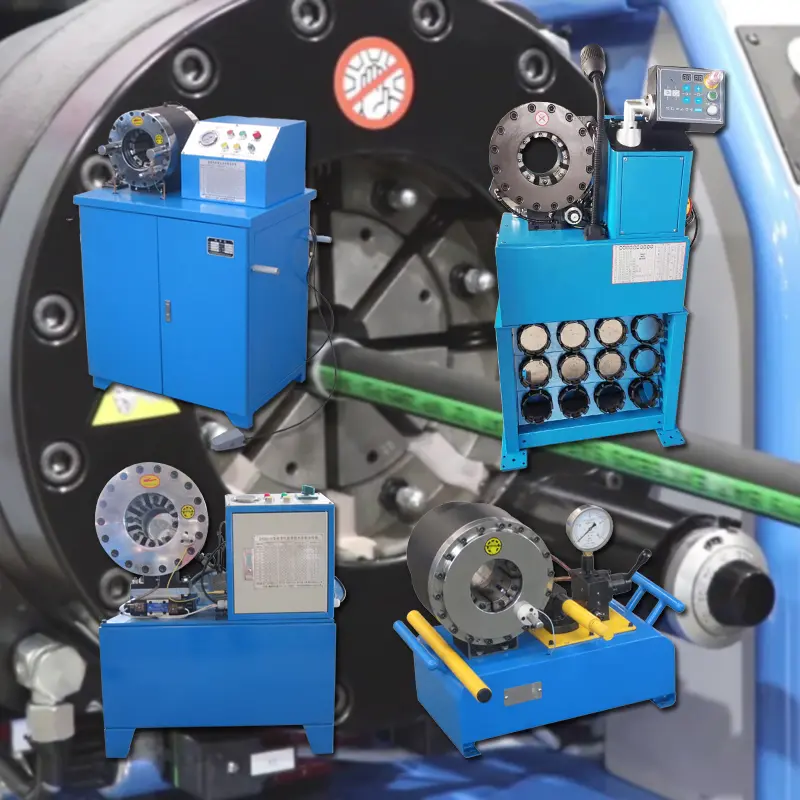
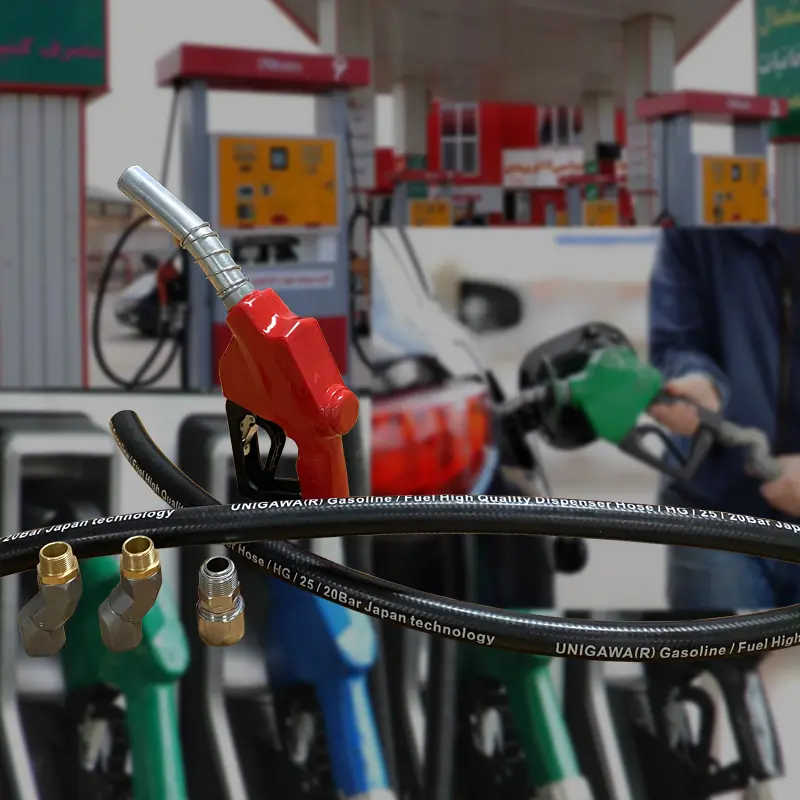
High pressure hydraulic hose is a pipeline component designed specifically to withstand high-pressure fluids, primarily used for transporting liquids or gases in industrial and construction fields. Compared to conventional hoses, high-pressure hoses typically use more durable materials and special designs to ensure their safety and reliability in high-pressure environments.
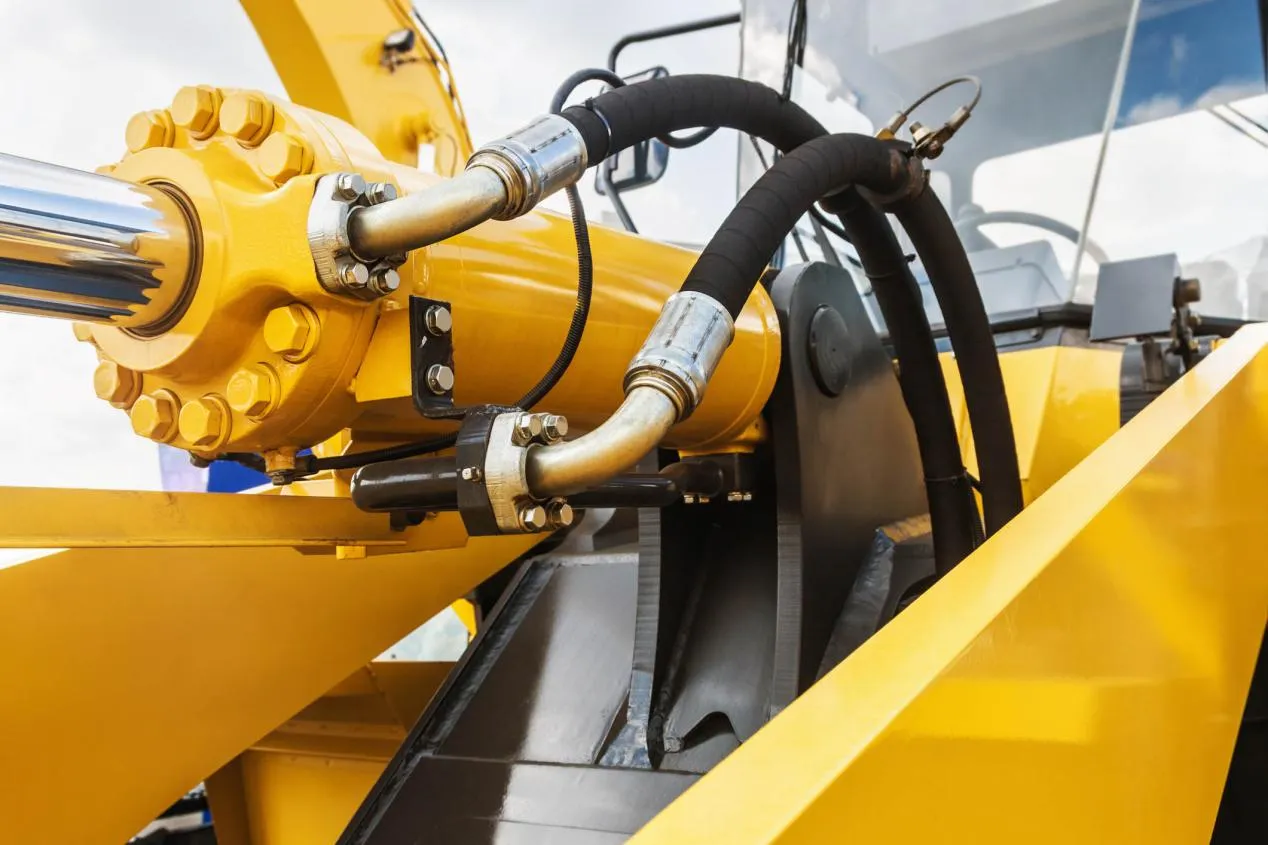
The structure of high pressure hydraulic hose typically consists of an inner layer, a middle layer, and an outer layer
The inner layer is usually made of high-performance rubber or polymer, which can resist the erosion of high-pressure fluids. The middle layer generally usesmultiple layers of steel wire braided or wound to enhance the tensile strength and pressure resistance of high pressure hydraulic hose. The outer layer is often made of wear-resistant and corrosion-resistant materials to protect the inner layer from external environmental influences. Due to its unique design and materials, high-pressure hoses can maintain stable performance in extreme environments and are widely used in fields such as water jet cutting, high-pressure flushing, firefighting equipment, and hydraulic systems.
In industrial applications, the selection and maintenance of high pressure hydraulic hoses are particularly important
Operators must choose the appropriate type of hose based on specific fluid properties, working pressure, temperature, and other factors. Improper use can not only cause rapid wear and tear of hydraulic hoses, but also pose serious safety hazards. Therefore, regularly checking the wear of high-pressure hoses and the sealing of connection parts is a key step in ensuring production safety.
Market demand for high pressure hydraulic hose
The market demand for flexible hydraulic hoses is also constantly growing. With the development of industrial technology and the upgrading of equipment, efficient and safe high-pressure hoses have become an indispensable and important component in many industries. In the future, with the development of new materials and the improvement of manufacturing processes, high-pressure hoses will further optimize their performance to better meet the needs of various industries, thereby promoting the process of industrial automation and safe operations.
In summary, flexible hydraulic hose is an important fluid transport tool with the ability to withstand high pressure and is widely used in multiple fields. A thorough understanding of the selection and maintenance of high-pressure hoses can provide effective support for various industrial activities, ensuring safe and efficient operation.
OUR LATEST NEWS
Strict quality control strict production team to ensure stable products quality. Scientific personnel management, efficient production arrangements to ensure our timely delivery.
02-242026
Comprehensive Guide to Safe and Effective Brake Hose Replacement Procedures
Maintaining your vehicle’s braking system is crucial for safety, and a key component of this system is the brake hose. Over time, brake hoses can deteriorate due to age, exposure to the elements, and constant pressure. This guide provides a comprehensive overview of brake hose replacement, covering everything from identifying when replacement is necessary to the process itself. Ignoring worn brake hoses can lead to brake failure, so understanding the signs and knowing how to address them is vital. Hydraulic Hose Plus offers a wide selection of high-quality brake hoses to ensure your vehicle’s safety. Brake hoses are responsible for carrying brake fluid under high pressure to the brake calipers at each wheel. As they age, the rubber can become brittle, crack, or swell. This compromises their structural integrity and can lead to leaks, reduced braking efficiency, or even complete brake failure. Regular inspection and timely replacement of brake hoses are essential safety measures. Signs of deterioration include visible cracks, blisters, bulges, or leaks, as well as a spongy brake pedal feel. Delaying brake hose replacement can significantly increase stopping distances and put you and others at risk.
02-112026
Comprehensive Guide to Silicone Auto Hoses for Enhanced Vehicle Performance
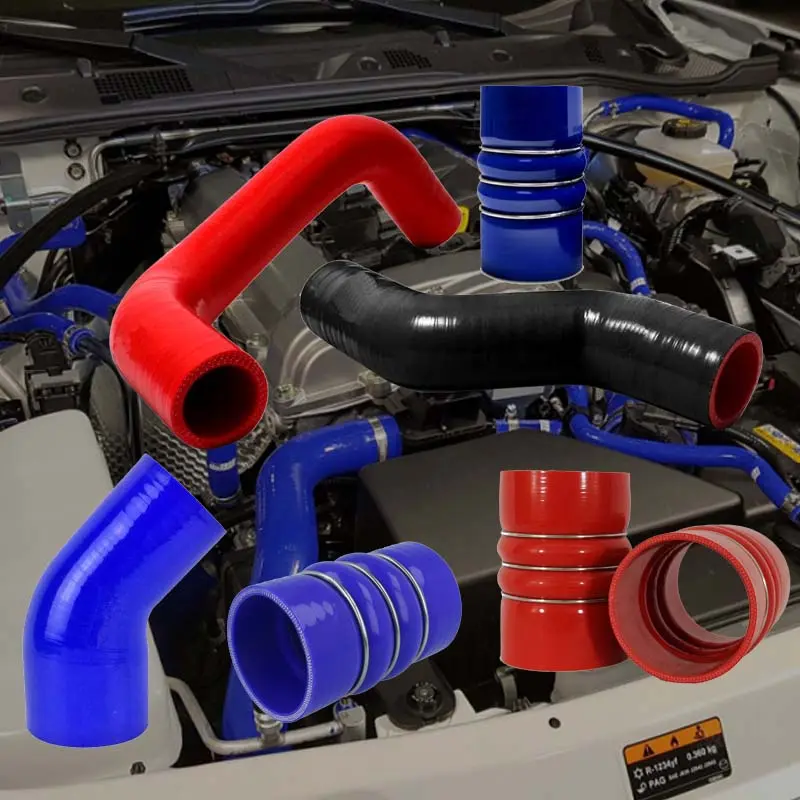
In the world of automotive performance and reliability, the often-overlooked component of the engine cooling and intake systems – the auto hose – plays a critical role. Traditional rubber hoses are prone to degradation from heat, oil, and pressure. This is where silicone auto hoses come into play, offering a superior alternative. This article delves into the benefits, applications, and considerations for choosing silicone hoses, providing a detailed overview for automotive enthusiasts, mechanics, and anyone looking to enhance their vehicle's performance. Ensuring your cooling and intake systems are equipped with quality hoses is crucial for preventing costly engine damage and maintaining optimal vehicle operation. Compared to traditional rubber hoses, silicone auto hoses offer a multitude of benefits. They exhibit exceptional resistance to high temperatures, often withstanding temperatures up to 500°F (260°C) without degradation. This is particularly important in modern engines that generate significant heat. Silicone also doesn’t swell or crack when exposed to oil, coolant, or other automotive fluids. This durability translates to a longer lifespan, reducing the frequency of replacements and saving you money in the long run.