

Understanding Braided Coolant Hoses: Small Components with Big Global Impact
At first glance, braided coolant hoses might seem like just another piece of industrial kit — a simple hose with layers of reinforcement. But, in reality, these hoses play a surprisingly vital role in modern machinery, transportation, and even humanitarian projects worldwide. Today, understanding braided coolant hoses means knowing a bit about reliability, safety, and sustainability in dynamic environments where coolant systems are life-critical.
Global Context: Why Braided Coolant Hoses Matter on an International Scale
The use of braided coolant hoses is far from niche. According to the International Organization for Standardization (ISO), coolant systems are integral to everything from manufacturing plants to automotive engines, and by extension, braided coolant hoses are vital in keeping fluids flowing efficiently and safely. Globally, the automotive industry alone produces almost 75 million vehicles a year (World Bank data), many relying on these hoses for engine cooling. But it’s not just cars: heavy machinery, power plants, and even emergency relief equipment depend on them too.
Yet, challenges abound: extreme temperatures, corrosive chemicals, and mechanical strain threaten hose integrity, risking failure that could halt entire operations or cause safety hazards. The braided design addresses these vulnerabilities, offering durability and flexibility that traditional hoses lack. So, these hoses might be small, but they stand at the crossroads of industrial safety, environmental regulation, and operational efficiency.
Braided Coolant Hoses: What Are They Exactly?
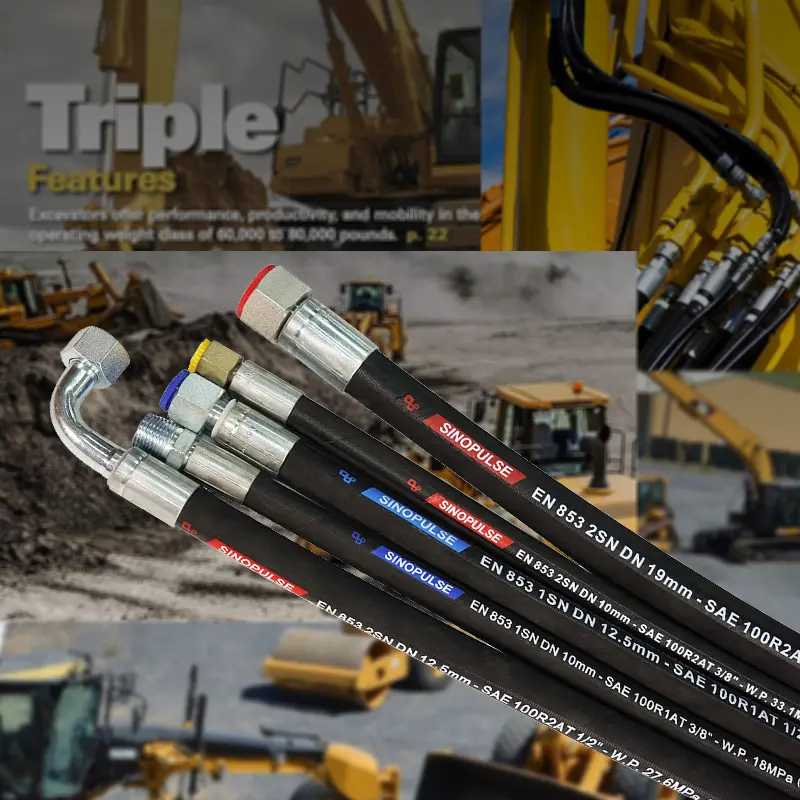
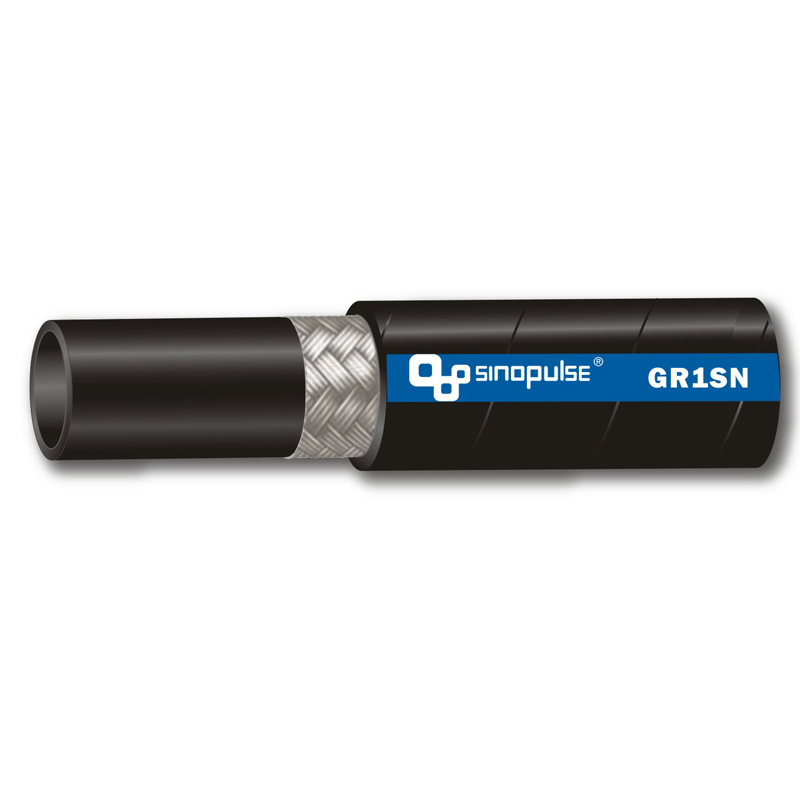
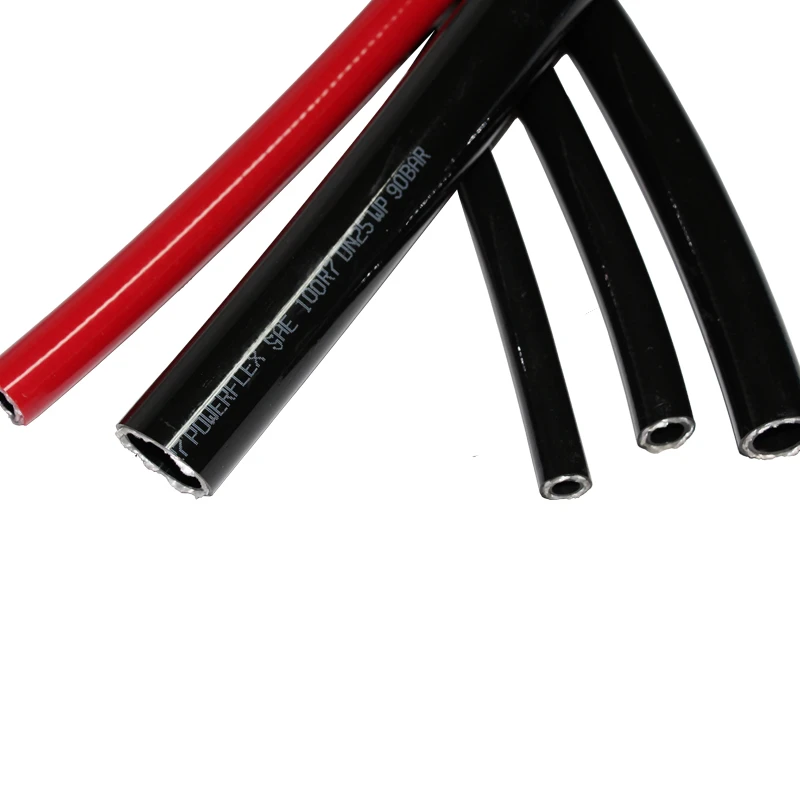
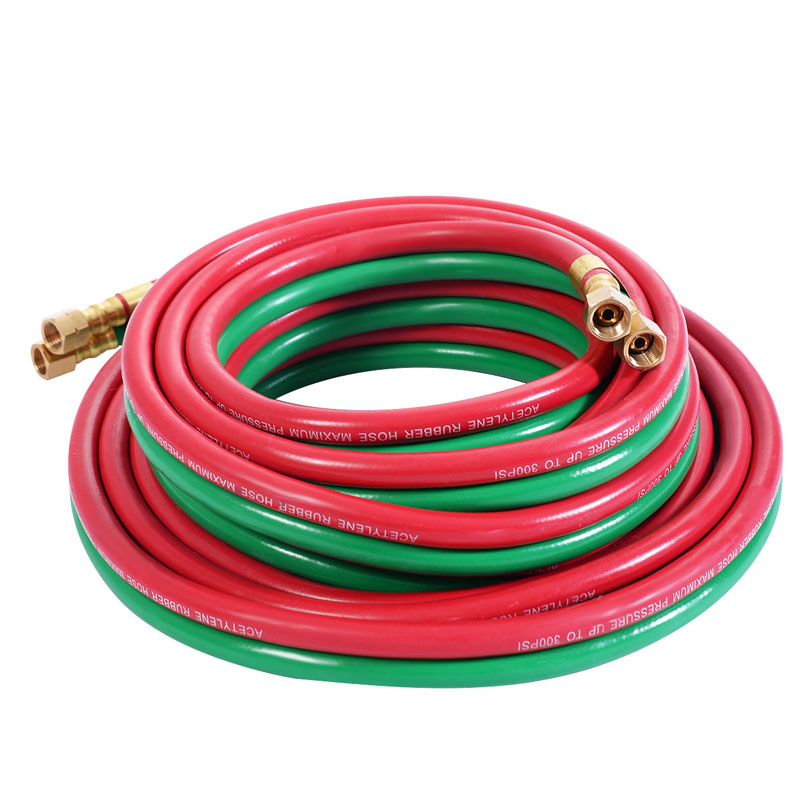
Put simply, braided coolant hoses are flexible tubes designed to transport coolant liquids, wrapped with a metallic or synthetic braided layer that gives them extra strength and resistance. Unlike plain rubber hoses, the braiding—usually stainless steel or high-tensile fiber—prevents kinks, withstands high pressure, and limits abrasion. This combination ensures that coolant flows uninterrupted even in harsh, vibrating or thermally aggressive environments.
Tangentially, these hoses epitomize modern industrial design: combining resilience with versatility. Whether it’s a sprawling factory in Southeast Asia or mobile generators in African rural clinics, braided coolant hoses keep things running smoothly.
Core Components & Factors to Know About Braided Coolant Hoses
1. Durability
The braided exterior protects the inner hose from mechanical wear and environmental damage, extending its useful lifespan considerably. This is crucial, say, in heavy-duty construction equipment where replacement downtime equals serious losses.
2. Pressure and Temperature Resistance
Many braided coolant hoses sustain pressures upwards of 300 psi and operate safely at temperature ranges from -40°C to 150°C. This makes them ideal for everything from Arctic machinery to tropical industrial plants.
3. Chemical Compatibility
Depending on their composition, these hoses can resist oils, antifreeze additives, and various industrial chemicals. This means that replacing several hose types with a single braided solution can reduce inventory complexity.
4. Flexibility and Installation Ease
Despite the reinforcement, braided hoses remain surprisingly flexible, allowing easier routing in compact or irregular spaces — a huge plus in dense engine bays or cramped manufacturing lines.
5. Cost Efficiency Over Time
Though initially pricier than simple rubber hoses, braided options generally require less maintenance and fewer replacements, making them cost-effective in the long haul.
Mini takeaway: The braided structure supercharges the hose’s reliability and lifespan, making them a go-to choice in demanding situations where failure simply isn't an option.
Global Applications & Real-World Use Cases
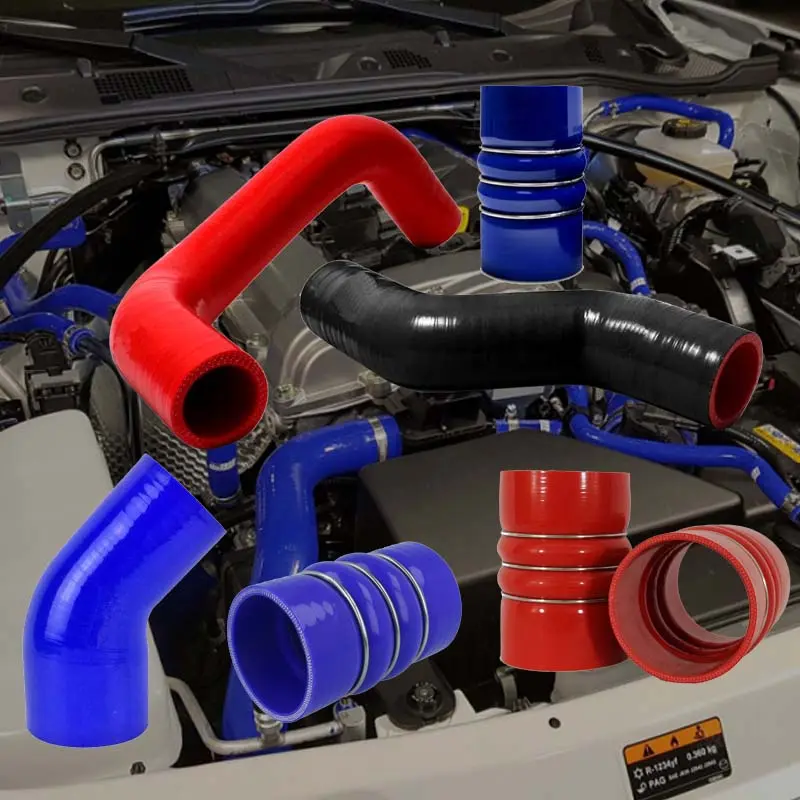
Different sectors have embraced these hoses — and for good reason. In the automotive sector, braided coolant hoses are standard for turbocharged engines where higher pressures and temperatures demand tougher components. Similarly, aerospace firms apply these hoses for cooling crucial avionics systems, where safety margins are razor-thin.
In remote industrial zones — like mining sites in Australia or oil fields in the Middle East — the hoses’ resistance to harsh climates keeps heavy machinery operational with minimal downtime. Oddly enough, some humanitarian organizations have even tested braided coolant hoses in mobile water purification units deployed during disaster relief, where cooling pumps need to run non-stop without hitches.
Advantages & Long-Term Value of Choosing Braided Coolant Hoses
- Safety: Reducing hose failure lowers risk of overheating and catastrophic equipment damage.
- Reliability: Handling high pressure and temperature fluctuations adds peace of mind in critical situations.
- Sustainability: Longer hose life means less waste and fewer replacements — aligning with green manufacturing goals.
- Cost Savings: Lower maintenance, fewer breakdowns, and saving time translate into tangible financial gains.
- Innovation & Trust: Using high-quality, tested components reflects company professionalism and commitment to quality.
Emotionally, when a cooling system hums flawlessly, operators feel a subtle but undeniable trust in their equipment, empowering them to focus on bigger challenges — something many engineers say is underestimated.
Braided Coolant Hose Product Specification Table
| Specification | Typical Value | Notes |
|---|---|---|
| Inner Diameter | 6mm – 50mm | Varies by model and application |
| Working Pressure | Up to 300 psi (approx. 20 bar) | Some high-performance versions rated higher |
| Temperature Range | -40°C to 150°C | Suitable for extreme climates |
| Material (Braiding) | Stainless Steel / Aramid Fibers | Selected by use case |
| Chemical Resistance | Coolants, oils, antifreeze | Depends on inner liner composition |
Vendor Comparison for Braided Coolant Hoses
| Vendor | Price Range (per meter) | Material Options | Lead Time | Warranty |
|---|---|---|---|---|
| HydroFlex Solutions | $12–$20 | Stainless Steel, Kevlar | 2 weeks | 5 years |
| Braided Hoses Co. | $10–$18 | Stainless Steel only | 1 week | 3 years |
| EcoHose Technologies | $15–$25 | Kevlar, Bio-Composite Fibers | 3 weeks | 7 years |
Future Trends & Innovations in Braided Coolant Hose Technology
Brace yourself: the humble braided coolant hose is evolving. We’re seeing increased use of bio-based polymers and composite fibers to meet sustainability goals. Digital sensor integration is also on the horizon — imagine hoses that can self-report pressure changes or material fatigue before a failure occurs. This “smart hose” concept fits perfectly into the Industry 4.0 revolution, allowing predictive maintenance and reducing costly downtime.
Furthermore, as electrification grows, specialized hoses for high-voltage cooling are in development, responding to different thermal loads. The push toward greener transportation and manufacturing methods means braided coolant hoses must stay one step ahead, balancing performance with environmental responsibility.
Challenges and How Experts Are Tackling Them
Of course, no solution is perfect. Braided coolant hoses sometimes face issues like corrosion at connector fittings or damage from improper installation. Plus, cost remains a barrier for some smaller enterprises — the upfront investment can feel steep. However, vendors are addressing these by enhancing coating technologies to resist corrosion and offering customized installation training for users. Financing and leasing options also help smaller operations get access to high-quality hoses without breaking the bank.
For the curious, ongoing materials research aims to develop braided hoses that are lighter yet stronger, which could, in turn, lower shipping costs and carbon footprints. So while challenges persist, the outlook feels optimistic.
FAQ: Practical Questions About Braided Coolant Hoses
- Q: How long do braided coolant hoses typically last?
- A: With proper installation and maintenance, braided coolant hoses can last 5 to 7 years or more, depending on operating conditions. Their reinforced design helps prevent premature wear common in simpler hoses.
- Q: Are braided coolant hoses compatible with all types of coolant fluids?
- A: Generally, yes. Most braided hoses are designed to handle common coolants, antifreeze, and oils. However, it's always best to check the manufacturer's chemical compatibility charts to be sure, especially for specialized fluids.
- Q: Can I install braided coolant hoses myself, or should I hire a professional?
- A: While they’re flexible and user-friendly, proper installation is key to performance and safety. For critical systems, hiring a professional experienced with braided hoses is recommended to avoid leaks or damage.
- Q: How do braided coolant hoses compare with plain rubber hoses in terms of cost?
- A: Braided hoses tend to have a higher initial cost but offer better durability, reducing replacement frequency and maintenance costs over time — so they can be more economical in the long run.
- Q: Where can I find reliable braided coolant hose suppliers?
- A: Trusted suppliers include braided coolant hoses specialists like HydroFlex Solutions or EcoHose Technologies, known for quality products and good warranties.
Wrapping Up: Why Braided Coolant Hoses Are Worth Your Attention
Honestly, braided coolant hoses might surprise you. Their ability to maintain stable and safe cooling in machines that run the world’s factories, vehicles, and emergency equipment is a quiet but powerful story. Beyond the specs and stats, they represent a reliable connection point between human ingenuity and real-world challenges, whether that’s keeping a mining rig cool in the desert or helping a water purification system survive post-disaster conditions.
For anyone involved in maintenance, engineering, or operational logistics, understanding the nuances of braided coolant hoses is a worthwhile investment. Curious to see how these hoses can improve your systems? Visit our website and explore the full range of braided coolant hoses tailored to your needs.
References & Further Reading
Product Application