

Brake Hose Replacement: A Comprehensive Guide
Maintaining your vehicle’s braking system is crucial for safety, and a key component of this system is the brake hose. Over time, brake hoses can deteriorate due to age, exposure to the elements, and constant pressure. This guide provides a comprehensive overview of brake hose replacement, covering everything from identifying when replacement is necessary to the process itself. Ignoring worn brake hoses can lead to brake failure, so understanding the signs and knowing how to address them is vital. Hydraulic Hose Plus offers a wide selection of high-quality brake hoses to ensure your vehicle’s safety.
Why Brake Hose Replacement is Important
Brake hoses are responsible for carrying brake fluid under high pressure to the brake calipers at each wheel. As they age, the rubber can become brittle, crack, or swell. This compromises their structural integrity and can lead to leaks, reduced braking efficiency, or even complete brake failure. Regular inspection and timely replacement of brake hoses are essential safety measures. Signs of deterioration include visible cracks, blisters, bulges, or leaks, as well as a spongy brake pedal feel. Delaying brake hose replacement can significantly increase stopping distances and put you and others at risk.
Key Takeaway: Regular brake hose inspection and replacement are critical for maintaining a safe and reliable braking system.
Identifying When Brake Hose Replacement is Necessary
Knowing when to replace your brake hoses is key to preventing potential accidents. Here are some telltale signs: Cracking: Any visible cracks in the hose indicate deterioration and a potential for leaks. Bulging or Blisters: These indicate internal damage and weakening of the hose. Leaks: Brake fluid leaks are a serious sign of hose failure and require immediate attention. Spongy Pedal Feel: This can be caused by air entering the brake lines due to a leaking hose. Age: Even without visible signs, brake hoses should be replaced every 2-3 years, regardless of mileage.
Warning Signs of Brake Hose Failure:
• Cracks or bulges in the hose material
• Visible brake fluid leaks
• A spongy or soft brake pedal
• Difficulty stopping your vehicle
Brake Hose Replacement: Materials and Types
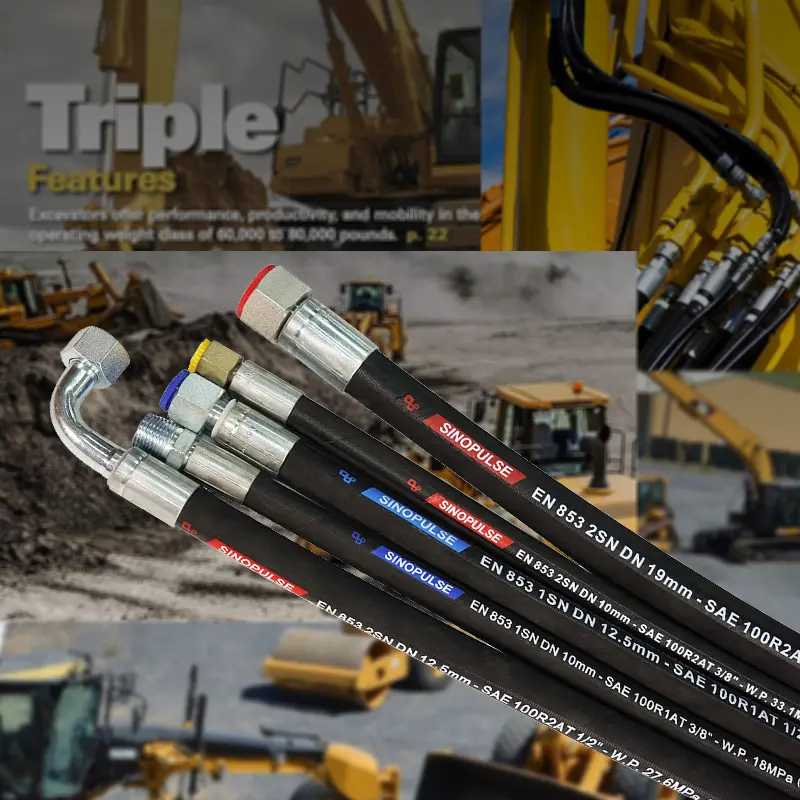
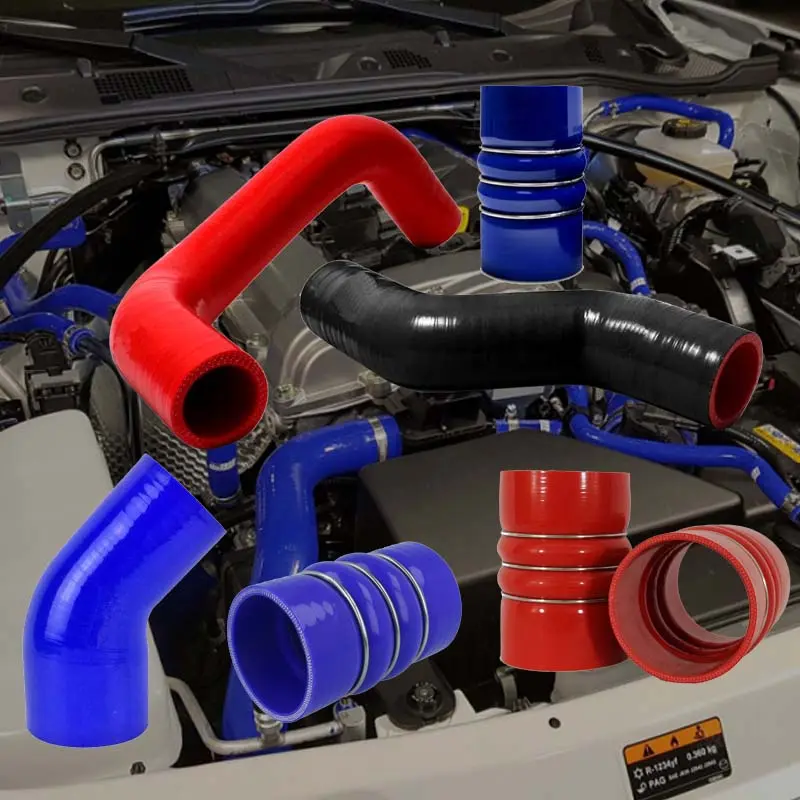
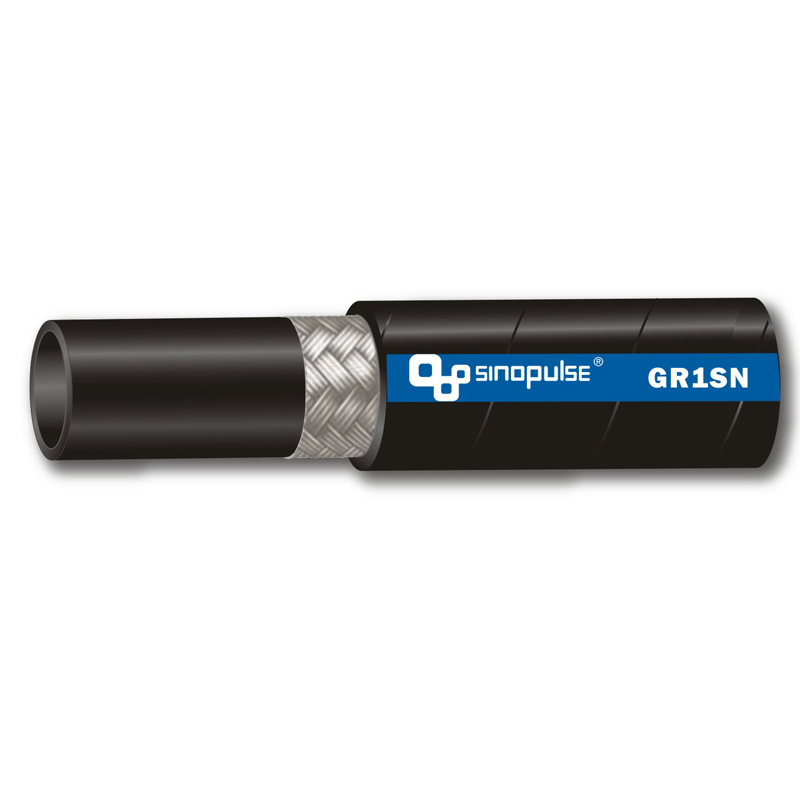
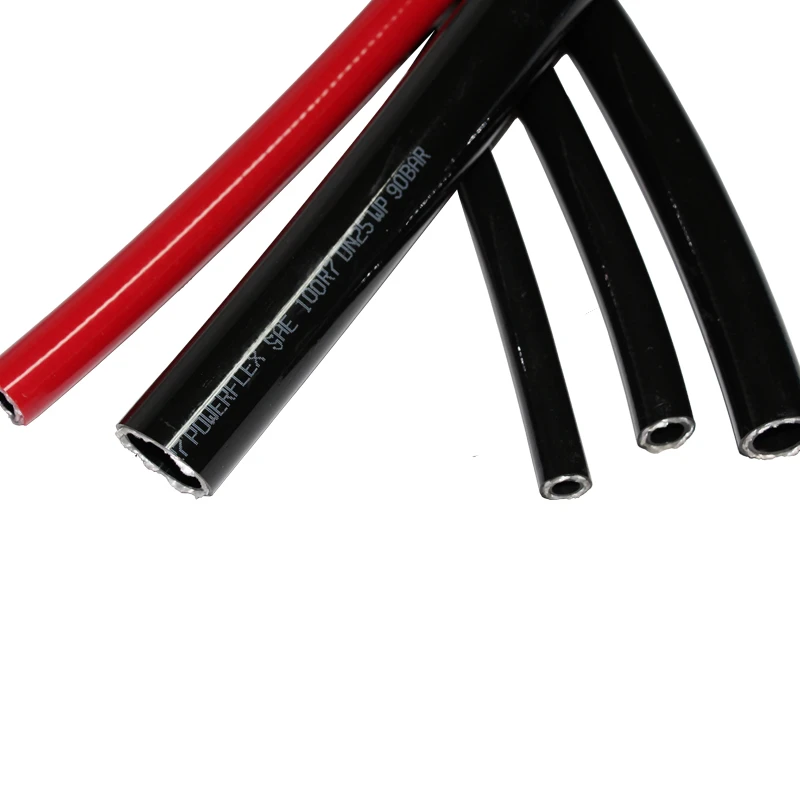
Brake hoses are typically made from rubber reinforced with braided fibers. However, different types of hoses are available, each with its own benefits. Rubber hoses are the most common and cost-effective option. Stainless steel braided hoses offer superior strength, durability, and resistance to expansion under pressure, resulting in a firmer brake pedal feel. PTFE (Teflon) hoses provide excellent chemical resistance and a smooth internal bore for reduced friction. Choosing the right type of hose depends on your vehicle, driving style, and budget. Hydraulic Hose Plus stocks a variety of brake hose materials to meet diverse needs.
The Brake Hose Replacement Process
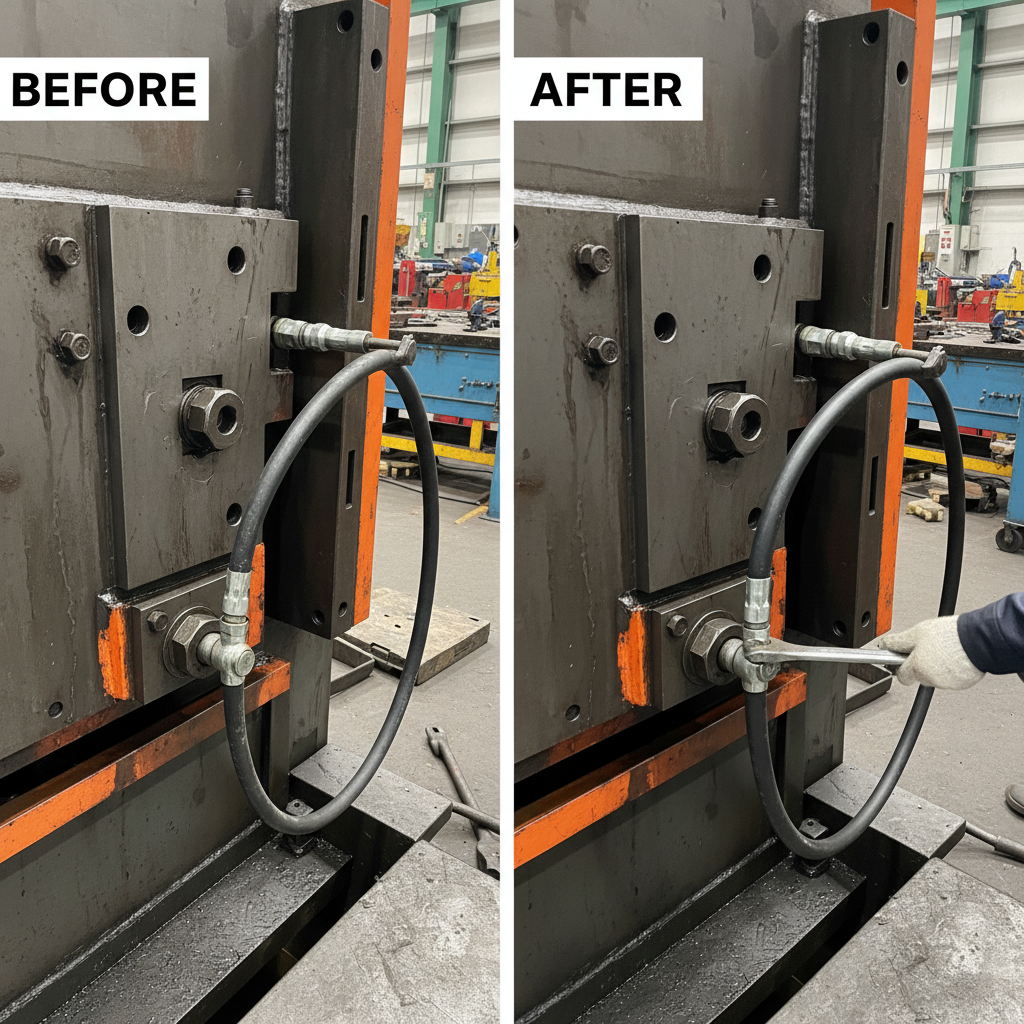
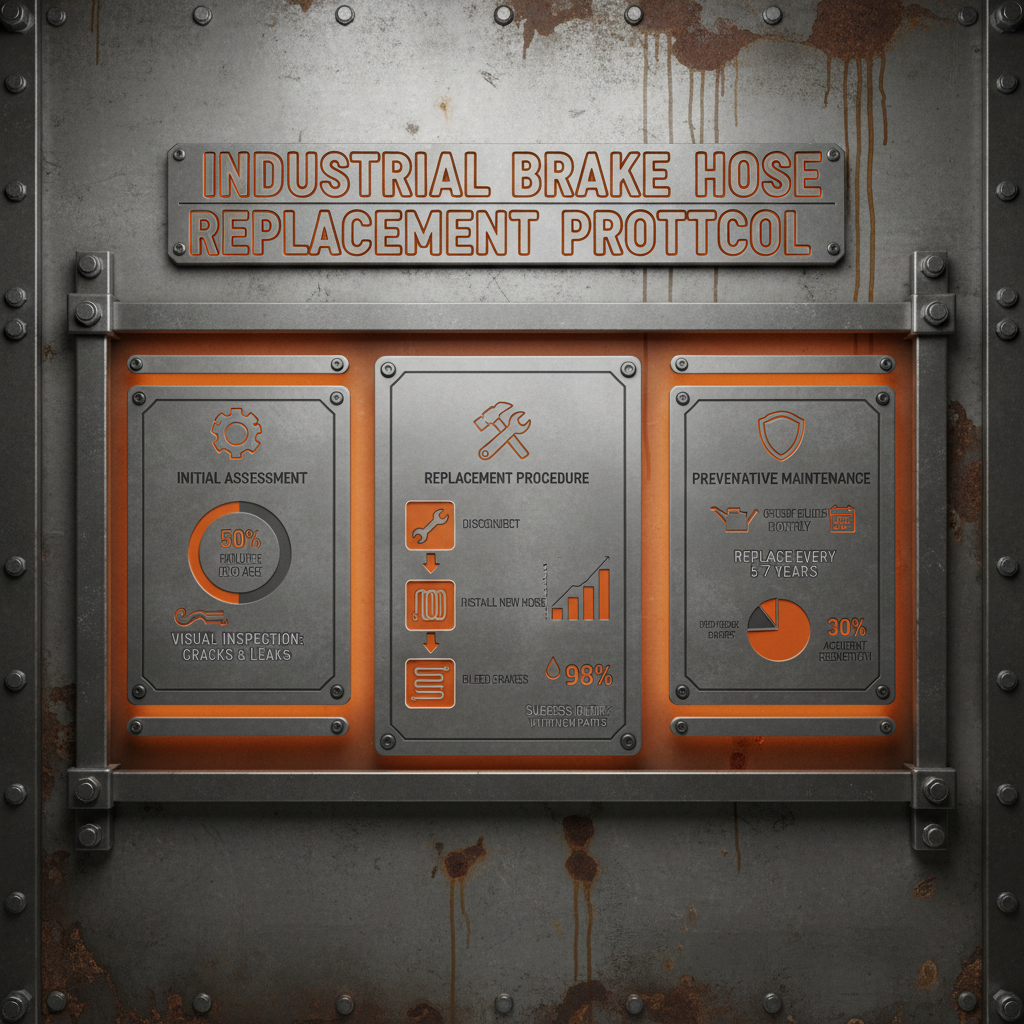
Replacing brake hoses requires careful attention to detail and a thorough understanding of the braking system. The process typically involves: Safely lifting the vehicle and securing it with jack stands. Bleeding the brake system to remove air. Disconnecting the old hose from the caliper and master cylinder. Installing the new hose, ensuring proper routing and secure connections. Bleeding the brakes again to ensure proper function. It’s important to use the correct tools and follow the manufacturer's instructions. If you are not comfortable performing this task yourself, it’s best to consult a qualified mechanic.
Conclusion: Prioritizing Brake Safety with Regular Replacement
Investing in Your Safety
Regular brake hose replacement is a proactive step towards ensuring your vehicle's safety and reliability. Don't wait for a failure to occur; inspect your hoses regularly and replace them when necessary. Hydraulic Hose Plus provides high-quality brake hoses and expert advice to help you keep your braking system in top condition. Prioritizing brake safety is an investment in your well-being and the safety of others on the road.
Frequently Asked Questions (FAQs)
How often should I replace my brake hoses?
Generally, brake hoses should be replaced every 2-3 years, regardless of mileage. However, this can vary depending on driving conditions and hose material. If you live in an area with harsh weather conditions, frequent exposure to road salt, or drive aggressively, you may need to replace them more often. Regular visual inspections can help you identify potential problems before they become serious. Look for any signs of cracking, bulging, or leaks. It's always better to err on the side of caution when it comes to brake safety. Hydraulic Hose Plus offers durable hoses designed for longevity.
Can I replace just one brake hose, or should I replace them all?
It's generally recommended to replace brake hoses in pairs, even if only one appears damaged. This is because if one hose has deteriorated, the others are likely to be in a similar condition. Replacing them together ensures consistent braking performance and prevents the need for repeat repairs. Replacing both hoses at the same time also saves on labor costs in the long run.
What tools do I need to replace brake hoses?
You'll need a few essential tools for brake hose replacement, including a wrench set, flare nut wrenches (specifically for brake lines), a jack and jack stands, a brake bleeder kit, brake fluid, and safety glasses. It's also helpful to have a container to catch any spilled brake fluid. Remember to always use appropriate safety precautions and consult a repair manual for your specific vehicle.
Is bleeding the brakes necessary after replacing the hoses?
Yes, bleeding the brakes is absolutely crucial after replacing brake hoses. When you disconnect the hoses, air can enter the brake lines, which can make the brake pedal feel spongy and reduce braking efficiency. Bleeding the brakes removes this air, restoring proper hydraulic pressure and ensuring optimal braking performance.
Product Application