

Transmission Oil Cooler Pipe: A Vital Component in Heat Management
Having spent a fair number of years in the industrial equipment sector, I've learned that some parts don’t get their spotlight despite being absolutely crucial. The transmission oil cooler pipe is one such unsung hero. If you’ve ever wrestled with transmission issues or heat-related failures, you understand how key effective cooling really is. Frankly, it's the bloodstream of the cooling system, ensuring transmission fluid doesn’t overheat, which can cause significant damage.
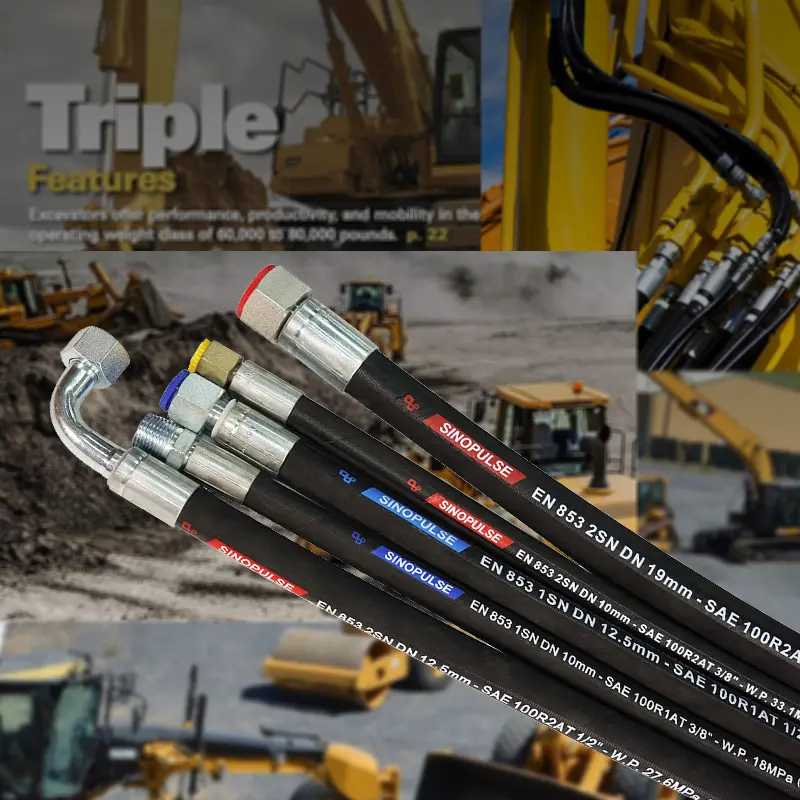
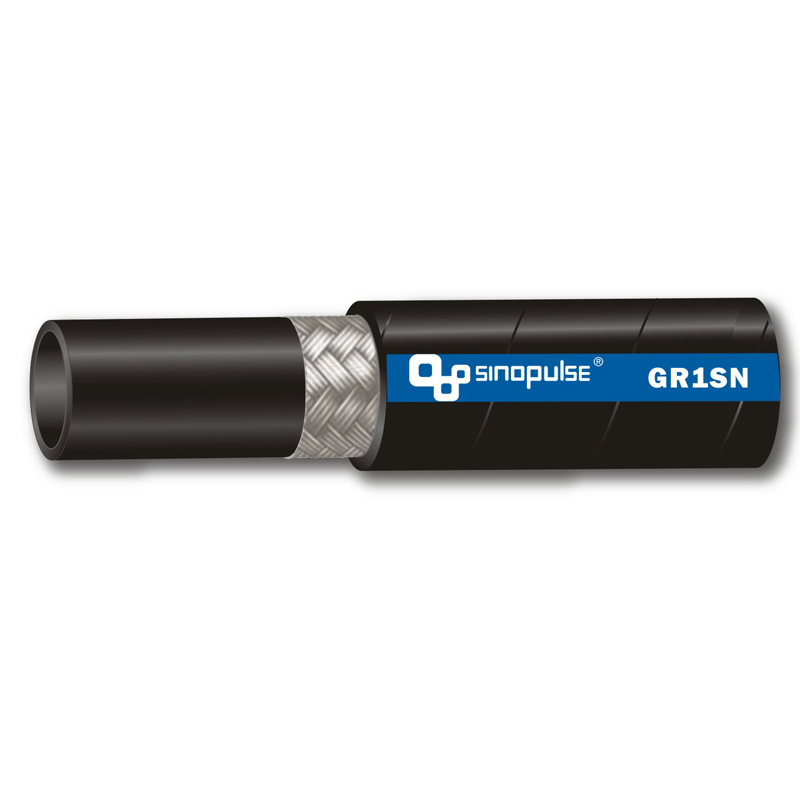
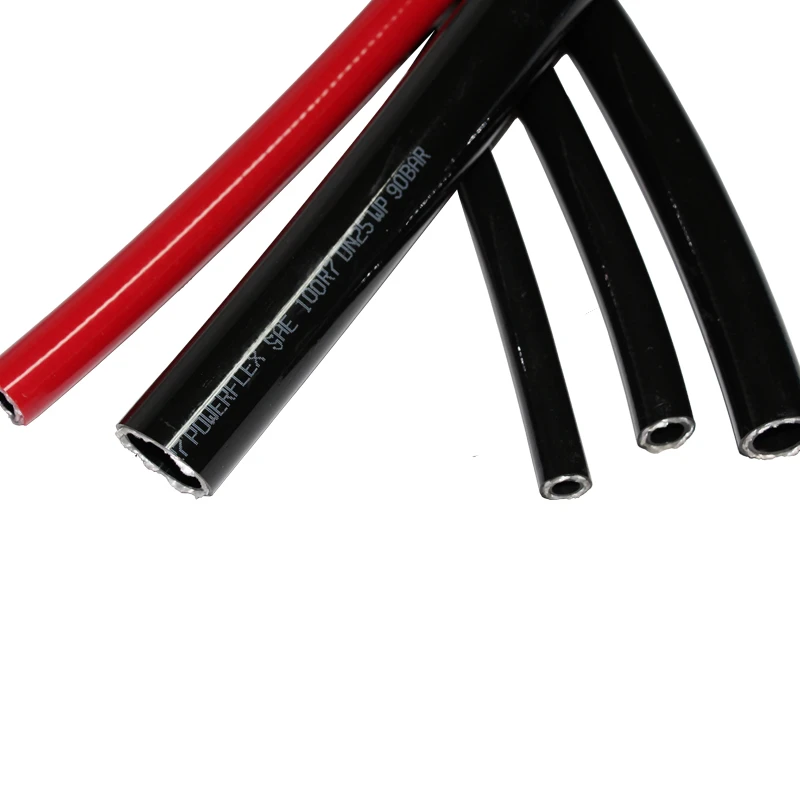
What’s fascinating is how the design and materials of these pipes have evolved. Years ago, thick rubber hoses were the norm but, oddly enough, they struggled with pressure and heat resistance, snapping under strain or simply wearing out faster than you'd want. Nowadays, manufacturers use high-grade materials — often braided stainless steel or reinforced thermoplastic composites — to handle extreme conditions typical in heavy machinery or commercial vehicles. When I first moved into this field, I noticed many engineers insisted on solid metal lines in some setups to avoid unexpected failures, especially on industrial equipment running long shifts.
The crucial point? The pipe needs to be resistant not just to heat but also chemical exposures from transmission fluids. Some heat exchangers push the fluid through tight bends and small spaces, so flexibility combined with strength is essential. I recall a project where custom bends made all the difference — the pipe fit snugly without kinking, and the client praised the improved cooling efficiency. Those little details often separate a "good enough" fix from a lasting solution.
| Specification | Details |
|---|---|
| Material | Braided stainless steel, reinforced thermoplastic |
| Working Temperature Range | -40°C to 150°C (continuous) |
| Pressure Rating | Up to 2000 psi (13.8 MPa) |
| Common Lengths | 0.5 to 3 meters (custom lengths available) |
| End Fittings | AN, JIC, SAE, BSP (customizable) |
Now, about sourcing these pipes — I’m often asked how to choose the right vendor. It turns out, not all suppliers are created equal. Some offer bulk options with decent specs, but when it comes to critical equipment like transmission oil coolers, quality control, material traceability, and product certification matter more than just price. From my experience, vendors who invest in in-house testing facilities and comply with ISO or SAE standards tend to have fewer warranty claims.
| Vendor | Materials Offered | Custom Lengths | Certifications | Lead Time |
|---|---|---|---|---|
| HydraulicHosePlus | Braided steel, thermoplastic | Yes (quick turnaround) | ISO 9001, SAE J517 | 1-2 weeks |
| OEM Supply Co. | Primarily steel tubing | Limited | ISO 9001 | 3-4 weeks |
| Industrial Hoses Ltd. | Thermoplastic, rubber composites | Yes, but custom tooling needed | SAE J517 | 2-3 weeks |
Oddly enough, the best advice I can share is to really know your requirements before ordering: pipe length, pressure rating, and even installation environment (think temperature extremes or exposure to corrosive elements). One time, a customer chose a pipe that looked similar on specs but wasn’t tested enough for chemical resistance — it failed after a few months, causing a costly shutdown. These things stick with you.
So, if you’re in the market for a transmission oil cooler pipe, I recommend dealing with suppliers who back their products with testing data, clear certifications, and customization options. It feels a bit like insurance for your equipment — you might not see the benefit until something goes wrong, but when it does, you’ll be grateful.
Ultimately, a well-designed, reliable transmission oil cooler pipe helps extend the life of your transmission, keeps temperature stable, and prevents unexpected downtime — and in industrial work, every minute counts.
— A small reflection from the field: There's an art in anticipating failure before it happens, and often it starts with choosing the right pipe.
References:
- SAE International, "Heat Exchangers and Fluid Lines," 2021.
- ISO 9001 Quality Management Standards Overview, 2023.
- Industry Insights on Transmission Cooling Systems, Machinery Today, 2022.
Product Application