

Understanding Thermoplastic Hose Manufacturers: Why They Matter in Today’s World
Thermoplastic hose manufacturers might sound like a niche topic. Yet these players shape how industries across the globe manage fluid transfer, from water supply systems to industrial hydraulics. Getting familiar with this realm isn’t just for engineers or supply chain folks — it unlocks insights into global infrastructure, safety standards, and even environmental innovation.
Simply put, thermoplastic hoses blend chemical resilience with flexibility, and the manufacturers are the ones turning raw materials into tough, reliable tubes. Their work affects sectors as wide-ranging as agriculture, automotive, oil & gas, and humanitarian aid because these hoses carry liquids and gases safely over long periods, often in harsh conditions.
Global Context: Why Thermoplastic Hose Manufacturers Are More Crucial Than Ever
The global market for thermoplastic hoses is expected to exceed USD 6 billion in the next few years, growing steadily due to increasing demands in construction, agriculture, and energy sectors (source: ISO). Countries like China, Germany, and the US lead manufacturing, but emerging economies in Southeast Asia and Africa are quickly catching up, focusing on localized production to reduce costs and carbon footprints.
The challenge? Climate change and supply chain disruptions make robust, adaptable materials more important. Thermoplastic hose manufacturers address these head-on by innovating for durability and ease of deployment. For instance, drought-prone areas increasingly require flexible hoses that resist UV degradation and harsh chemicals for water irrigation projects.
What Exactly Are Thermoplastic Hose Manufacturers?
At their core, thermoplastic hose manufacturers are companies that produce hoses made from thermoplastic polymers. These hoses are crafted by extruding or molding various plastic resins which can be flexible yet strong under pressure. Unlike rubber hoses, thermoplastics offer higher resistance to oils, UV rays, and abrasion, while still being lightweight.
Simply put, they take raw materials like polyurethane, nylon, or polyethylene and shape them into hoses suitable for industrial, commercial, or even humanitarian applications. It feels a bit like how a tailor turns fabric into high-performance outdoor gear: same materials, very different results depending on design and process expertise.
Core Components That Define Thermoplastic Hose Manufacturers
1. Material Technology
The foundation is the type and quality of thermoplastic resins used. Manufacturers often blend polymers for optimized features, whether that means chemical resistance, flexibility at cold temperatures, or durability under mechanical stress.
2. Manufacturing Processes
Techniques like extrusion, coiling, layering reinforcement fibers, and advanced curing determine the hose's performance. Some manufacturers specialize in multilayered hoses, combining lightweight inner liners with protective outer shells.
3. Quality & Testing
ISO certifications, pressure testing, and contaminant resistance tests are vital steps. Poor-quality hoses risk dangerous leaks or failure, so rigorous testing ensures both safety and longevity.
4. Customization & Scalability
Many customers require hoses tailored to specific pressures, diameters, and chemical exposures. Thermoplastic hose manufacturers thrive when they can scale production rapidly while offering bespoke options.
5. Environmental Compliance
With increasing regulation on hazardous waste and plastics, manufacturers often integrate green production techniques or recyclable materials into their processes.
Real-World Applications Across the Globe
Thermoplastic hoses aren’t just factory staples; their reach is impressively broad. Here are a few snapshots:
- Post-disaster relief: Emergency water delivery systems in places like Haiti and Southeast Asia use flexible, lightweight hoses that can be quickly deployed and resist contamination.
- Agricultural sectors: Precision irrigation in arid regions of Australia or the American Southwest relies heavily on thermoplastic hoses that tolerate salty groundwater.
- Energy and automotive: Automotive manufacturers employ high-pressure thermoplastic hoses for fuel and brake systems thanks to chemical resistance and lightweight design.
- Industrial manufacturing: Chemical plants across Europe source customized hoses that safely convey corrosive substances during production cycles.
Advantages and Long-Term Benefits
Compared to traditional rubber or metal hoses, thermoplastic variants offer several compelling benefits:
- Cost efficiency: Cheaper raw materials and reduced labor translate to price savings.
- Environmental impact: Less waste and longer lifespans reduce replacement frequency.
- Safety & Reliability: Resistance to cracking and UV degradation means fewer leaks or failures.
- Flexibility & Lightweight: Easier to transport and install, especially in tight or remote spaces.
These benefits ripple out emotionally too — when hoses perform reliably, people working in harsh conditions feel safer, farmers protect their crops better, and aid workers can focus on the mission rather than equipment failure.
Product Specification Table: Popular Thermoplastic Hose Types
| Model | Material | Max Pressure (psi) | Temperature Range (°C) | UV Resistance |
|---|---|---|---|---|
| FlexPro PU100 | Polyurethane | 300 | -40 to +80 | Excellent |
| ChemSafe PA300 | Nylon | 500 | -30 to +90 | Good |
| EcoFlow PE200 | Polyethylene | 200 | -20 to +60 | Very good |
Comparing Leading Thermoplastic Hose Manufacturers
| Manufacturer | Specialty | Global Reach | Certifications | Sustainability Focus |
|---|---|---|---|---|
| HydroFlex Ltd. | High-pressure hydraulic hoses | North America, Europe | ISO 9001, ISO 14001 | Recycled thermoplastics |
| GreenPipe Co. | Eco-friendly water hoses | Asia, Africa | ISO 9001, NSF Certified | Biodegradable polymers |
| FlexTech Industries | Customized hoses for chemicals | Global | ISO 9001, REACH Compliant | Closed-loop production systems |
Looking Ahead: Trends Shaping Thermoplastic Hose Manufacturing
The industry is buzzing with change. For one, green materials are increasingly a priority. Manufacturers are exploring bio-based polymers that offer the same toughness but with less environmental impact.
Digital transformation also plays a role. I’ve noticed more producers integrating IoT sensors into hoses for real-time monitoring—crucial for predictive maintenance in industries like oil & gas.
Automation in production lines helps reduce human error and increases precision, particularly for complex multi-layer hose designs. And then there’s the push for global supply chain resilience, encouraging manufacturers to diversify raw material sourcing.
Challenges Facing Thermoplastic Hose Manufacturers and How They’re Tackling Them
Despite advances, a few tough nuts remain. Raw material price volatility often squeezes margins. Some manufacturers respond by locking long-term supply contracts or investing in in-house resin development.
Another hurdle is balancing customization with cost-effective mass production—especially as clients want shorter lead times. Flexible manufacturing technologies and modular design techniques are helping. Finally, compliance with worldwide regulations requires constant updates to product standards and testing protocols.
FAQ: Common Questions About Thermoplastic Hose Manufacturers
- Q: How do thermoplastic hoses differ from rubber hoses?
A: Thermoplastic hoses generally offer better chemical resistance, UV stability, and lighter weight than traditional rubber hoses. This makes them ideal for applications requiring flexibility and durability over long periods. - Q: Can thermoplastic hose manufacturers provide customized solutions?
A: Yes, many manufacturers specialize in tailoring hose diameters, layering, and materials to specific industrial or commercial needs, allowing compatibility with different fluids and pressures. - Q: Are these hoses suitable for extreme temperatures?
A: Depending on the polymer type, thermoplastic hoses can operate efficiently in a temperature range from about -40°C up to +90°C. However, selecting the right hose for the temperature demands of the project is essential. - Q: How do I know if a manufacturer complies with international quality standards?
A: Reputable thermoplastic hose manufacturers typically hold certifications like ISO 9001 or other industry-specific accreditations, which ensure consistent quality and safety.
Wrapping Up: Why Thermoplastic Hose Manufacturers Remain Vital
In real terms, thermoplastic hose manufacturers keep the pulse on an industry that quietly supports economies, safety protocols, and environmental goals worldwide. Their innovations help tackle pressing challenges like climate adaptation, industrial efficiency, and global supply uncertainty.
If you want to explore more about how these critical products shape global infrastructure, visit thermoplastic hose manufacturers for broad insights and supply options. It’s a world that’s more connected, flexible, and surprisingly exciting than most expect.
References:
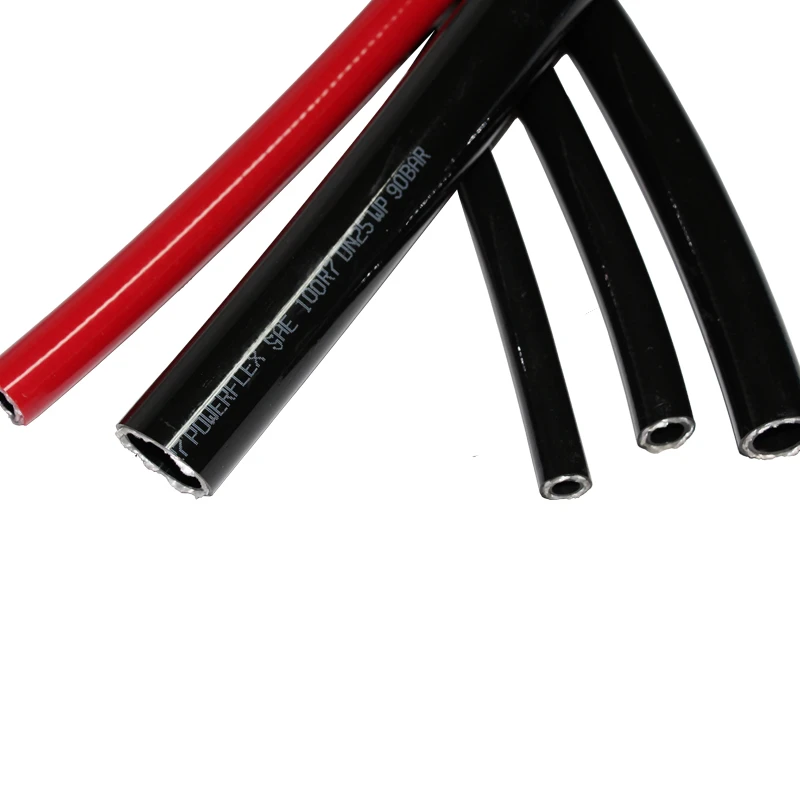
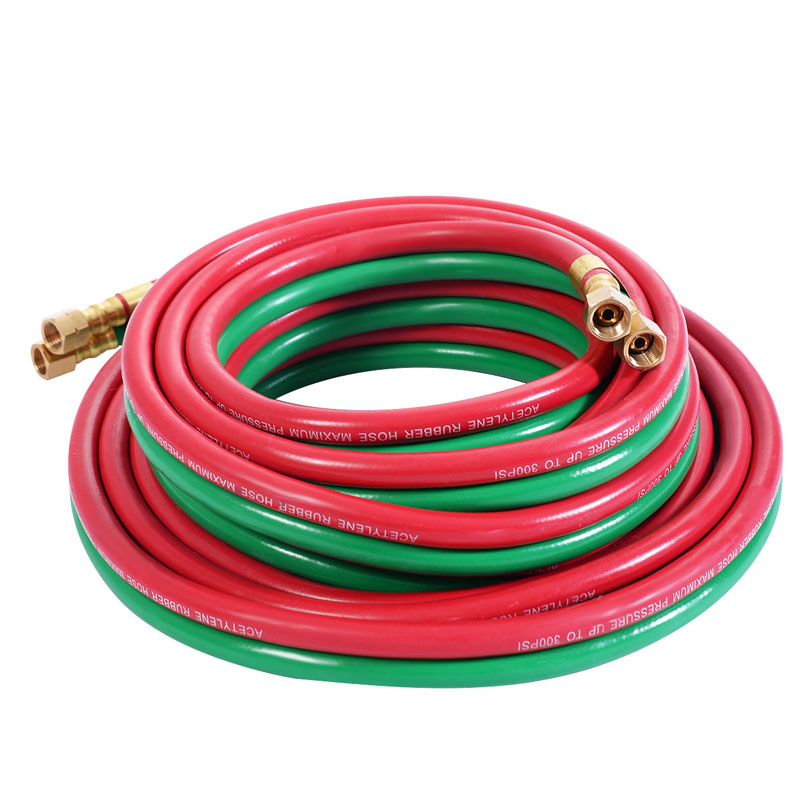
Product Application