

Understanding Thermoplastic Hydraulic Hose: A Small Component with a Global Impact
Okay, so at first glance, a thermoplastic hydraulic hose might seem like just another piece of industrial kit lost deep inside a factory or tucked under a machine. But trust me, its impact is much bigger than you'd expect — stretching from high-tech manufacturing floors to remote relief efforts after natural disasters. Understanding this humble hose means tapping into a world of robust engineering, sustainability efforts, and innovations that keep some of the most critical systems running smoothly worldwide.
In an era where machinery reliability and environmental concerns matter more than ever, these hoses provide efficient, flexible connections that can withstand pressures, temperature shifts, and tough conditions. Whether you're in heavy industry, agriculture, or humanitarian sectors, getting familiar with thermoplastic hydraulic hoses can save downtime, money, and sometimes even lives.
Why Thermoplastic Hydraulic Hose Matters on the Global Stage
Now, why is this type of hydraulic hose suddenly becoming a buzzword in industry circles worldwide? According to ISO standards and recent market surveys, the demand for thermoplastic hydraulic hoses is forecasted to grow steadily, spurred by the rise in automation, renewable energy projects, and infrastructure development. The World Bank estimates that investment in global infrastructure will reach $94 trillion by 2040, which means more hydraulic machinery needing reliable hoses.
But here's the catch: traditional hoses often struggle with durability in harsh environments or pose environmental disposal challenges. Thermoplastic hydraulic hoses offer compelling solutions by combining lighter weight, chemical resistance, and recyclability. For example, industries in Southeast Asia and Europe have reported noticeable decreases in maintenance costs after switching to them.
Thermoplastic Hydraulic Hose Explained: A Simple Definition
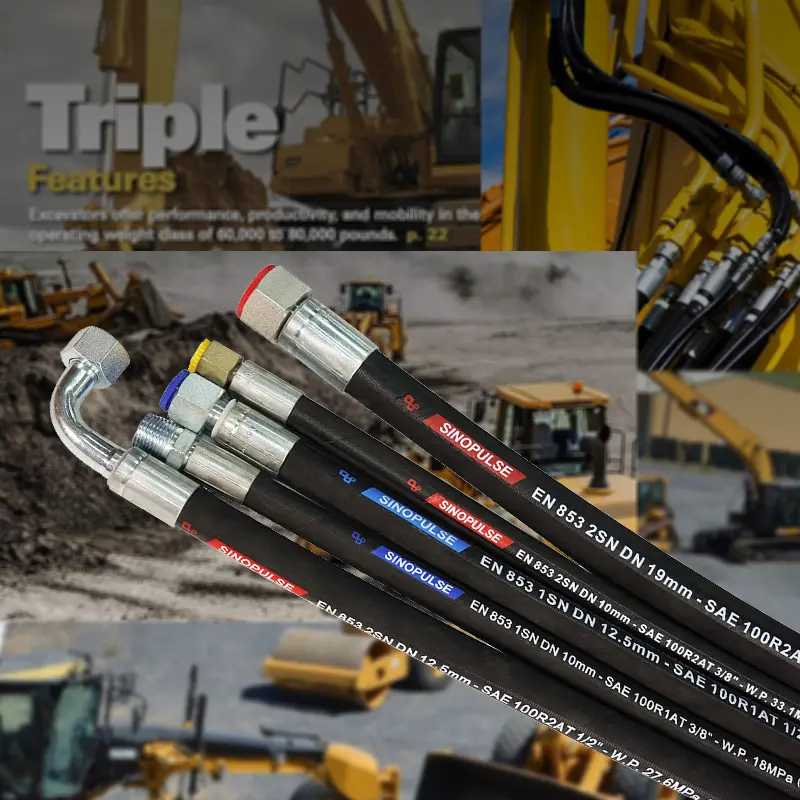
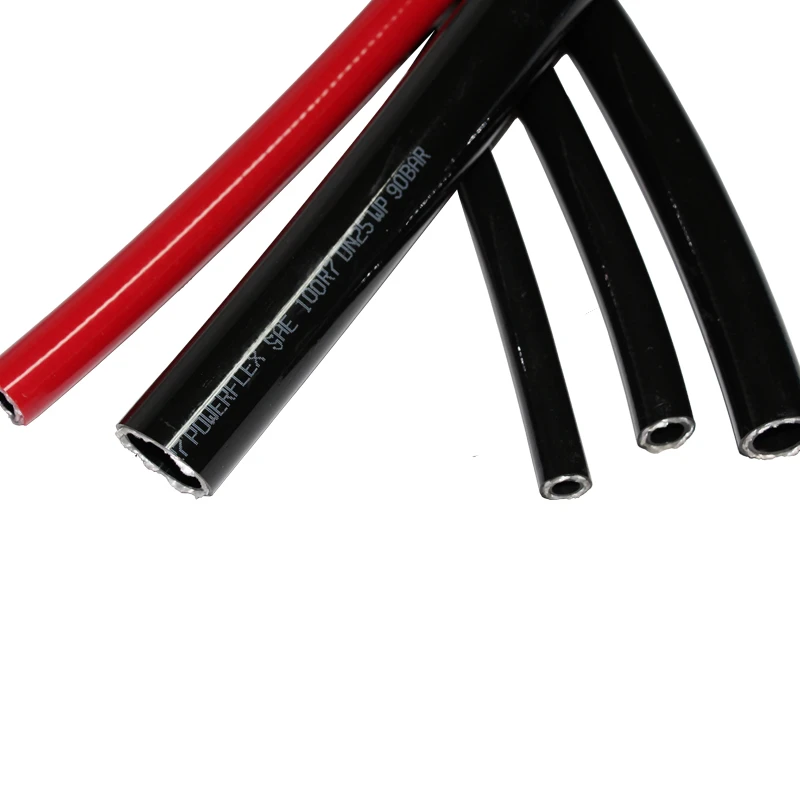
In plain English, a thermoplastic hydraulic hose is a flexible tube designed to transfer hydraulic fluid under pressure, made primarily from thermoplastics rather than traditional rubber. Think of it as the equivalent of plumbing in a hydraulic system. The “thermoplastic” bit means that these hoses can be reshaped with heat and generally have superior corrosion resistance and lighter weight compared to their rubber counterparts.
From a humanitarian standpoint, these hoses facilitate the operation of pumps and machinery delivering clean water or powering rescue equipment. In industries, they're used for precise control in manufacturing plants, agricultural machinery, and off-shore energy rigs. So yes, they’re quite the unheralded workhorses.
What Makes a Thermoplastic Hydraulic Hose Tick? Key Components You Should Know
1. Durability and Chemical Resistance
Thermoplastic hoses resist chemicals, ozone, and extreme temperatures better than many rubber hoses. So, when they say ‘durability’ here, it’s not just about toughness — it’s about lasting without degrading even when pumping oils, acids, or fuels.
2. Flexibility & Weight
This hose’s flexibility cuts down installation effort and space congestion. It’s also lighter, meaning easier handling and less strain on machinery. Many engineers say this is a game-changer when working on complex or mobile machinery.
3. Pressure Ratings
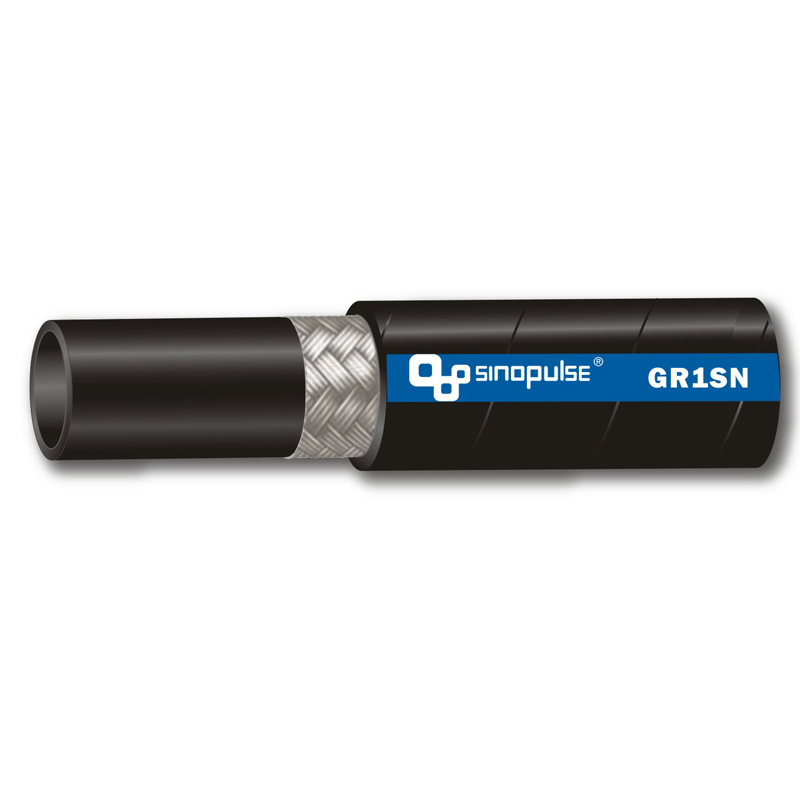
Despite their lightweight, thermoplastic hoses often handle high hydraulic pressures — anywhere from a few hundred to several thousand PSI. Depending on the braid reinforcement or multilayer design, they can adapt to demanding environments.
4. Environmental Friendliness
Many versions are recyclable and free from harmful substances like lead or phthalates. In a world suddenly hyper-aware of materials’ end-of-life footprints, this is the sort of subtle but crucial factor that contributes to greener operations.
5. Customization & Scalability
Thermoplastic hoses typically can be tailored in length, diameter, and fittings, making them versatile across industries. Whether it’s a compact farming tractor or massive industrial presses, they fit.
In the Wild: Global Applications and Real-Life Use Cases
Okay, so where are these hoses actually making a difference? Let’s take a small tour:
- Disaster Relief Operations: NGOs deploying water pumps post-flood or earthquake depend on reliable hoses that won’t crack or leak — thermoplastic hoses fit that bill.
- Renewable Energy Projects: Wind turbines and solar trackers in Europe and North America use hydraulic systems that benefit from the lightweight and corrosion resistance.
- Agricultural Machinery: In South America’s vast farms, these hoses resist dirt, mud, and chemical fertilizers, reducing downtime.
- Industrial Automation: Factories from the automotive sector in Asia to chemical plants in the Middle East choose these hoses for precision fluid control.
For instance, a large mining company in Australia retrofitted their hydraulic machinery with thermoplastic hoses and noticed a 35% drop in maintenance frequency within just six months, mainly due to the hoses’ resistance to dust and heat.
Product Specifications: What to Expect from Thermoplastic Hydraulic Hose
| Specification | Details |
|---|---|
| Material | Polyamide (PA), Polyurethane (PU), Thermoplastic Elastomers |
| Temperature Range | -40°C to +100°C (some up to 120°C) |
| Pressure Range | 150 to 4500 PSI (depending on reinforcement) |
| Inner Diameter | 3 mm to 50 mm (customizable) |
| Reinforcement | Single or double steel wire braid, synthetic fiber braid |
| Weight | Lightweight, approx. 30% less than rubber hoses |
Vendor Comparison: Finding the Right Partner for Your Hydraulic Hose Needs
| Vendor | Product Range | Customization | Global Reach | Eco-Friendly Options |
|---|---|---|---|---|
| HydroFlex Inc. | Wide range including PU and PA hoses | Custom lengths, fittings on demand | Global, strong in Europe & Asia | Yes, bio-based materials available |
| PipeWorks Ltd. | Focus on high-pressure thermoplastics | Standard fittings, limited custom | Strong in North America | Limited |
| EcoHose Solutions | Specializes in recyclable thermoplastics | Highly customizable | Europe and emerging markets | Extensive green product lines |
The Hidden Benefits: Why Go Thermoplastic?
Looking beyond specs, switching to thermoplastic hydraulic hoses means:
- Cost savings: Less downtime, fewer replacements, and sometimes lower shipping costs due to lighter weight.
- Sustainability: Many hoses comply with environmental regulations increasingly enforced worldwide.
- Safety: Resistance to cracking means fewer leaks or bursts, which can cause accidents or contamination.
- Innovation and trust: Engineers and maintenance teams often find these hoses simplify system designs.
What’s Around the Corner? Future Trends in Thermoplastic Hydraulic Hose Technology
The industry isn’t standing still, as you might expect. Here’s what some forward-looking companies and researchers are focusing on:
- Advanced bio-based polymers: Moving from fossil fuel-based to green materials is in full swing.
- Smart hoses: Embedded sensors to monitor pressure, temperature, and wear in real time.
- Improved recycling techniques: Making recovery and reuse of materials easier and more efficient.
- Integration with automated hydraulic systems: The hoses will become components of larger digitally controlled setups.
Addressing the Roadblocks: Challenges and How to Overcome Them
Sure, thermoplastic hydraulic hoses aren’t perfect. Some common issues include:
- Temperature sensitivity: While good for many applications, extreme heat in some sectors pushes hose limits.
- Cost upfront: Sometimes the initial purchase price is higher than rubber hoses, though total cost of ownership is often lower.
- Compatibility: Not all fittings or fluids suit thermoplastics, requiring thoughtful selection.
Experts recommend thorough testing before large-scale implementation and working with vendors that offer customization and trial support. Honestly, this can prevent headaches down the road, which is worth a little prep time.
FAQ: Your Burning Questions About Thermoplastic Hydraulic Hose
Q1: How does thermoplastic hydraulic hose differ from traditional rubber hoses?
A1: Thermoplastic hoses are lighter, more flexible, and often more resistant to chemicals and abrasions than rubber hoses. They also tend to last longer and offer better recyclability, which can reduce environmental impact and maintenance costs.
Q2: Can thermoplastic hoses handle high pressure?
A2: Yes, depending on the reinforcement layers like steel braiding, thermoplastic hoses can manage pressures from 150 to over 4000 PSI, suitable for most industrial and mobile hydraulic applications.
Q3: Are thermoplastic hydraulic hoses suitable for outdoor use?
A3: Absolutely. They resist UV rays, ozone, and many chemicals, making them excellent for outdoor equipment. However, extreme temperature exposure should still be considered.
Q4: What maintenance is required for thermoplastic hydraulic hoses?
A4: Regular inspections for wear, leaks, and fittings tightness are recommended, just like any hydraulic hose. Thanks to their durability, maintenance intervals can often be longer than rubber hoses.
Q5: How do I choose the right thermoplastic hose for my project?
A5: Consider operating pressure, temperature range, fluid type, and environmental factors. It’s also wise to consult manufacturers or trusted suppliers who can tailor solutions and provide compliance documentation.
Wrapping Up: Why Thermoplastic Hydraulic Hose Should Be on Your Radar
Honestly, thermoplastic hydraulic hoses are quietly transforming how industries and humanitarian organizations approach fluid transfer under tough conditions. Their combination of durability, flexibility, and eco-conscious design feels like the right fit for a future demanding smarter, safer, and cleaner solutions.
If you want to explore quality options or need expert advice, I highly recommend checking out thermoplastic hydraulic hose suppliers with a strong reputation for innovation and support. Because in the end, those small hoses play a big role in keeping systems running, projects moving, and people safe.
1. International Organization for Standardization (ISO), ISO 18752 Hydraulics hoses standards.
2. World Bank Infrastructure Report, Global Infrastructure Investment Forecast.
3. Wikipedia, Hydraulic hose article.
Product Application