

Understanding Suction and Delivery Hose: Essential Tools for Industry and Beyond
When you think about how materials — from water and chemicals to oil and slurry — get from A to B safely and efficiently, suction and delivery hoses are often the unsung heroes. These flexible yet robust conduits play a vital global role, spanning from industrial plants to humanitarian relief efforts. Understanding the scope and benefits of suction and delivery hose systems isn’t just for engineers; anyone involved in industries like agriculture, petrochemicals, or disaster relief can appreciate their impact. They keep operations flowing, literally and figuratively.
The Global Importance of Suction and Delivery Hose
Across continents, the demand for fluid handling solutions is increasing. According to the International Organization for Standardization (ISO), the suction and delivery hose market is growing by roughly 5% annually due to expanding infrastructure and environmental control efforts (1). In a world grappling with climate change and increased industrialization, efficient and safe fluid transfer matters more than ever. Whether it’s pumping potable water to drought-hit regions or transporting chemicals in factories, suction and delivery hoses solve complex logistical challenges with flexibility and reliability.
Yet the challenge remains: how do you maintain durability and safety in harsh environments, from sandy deserts to freezing tundra, without breaking the bank? That’s the design puzzle manufacturers puzzle over daily.
Mini takeaway: Suction and delivery hoses are crucial in enabling global industries and aid organizations to transfer liquids safely and efficiently, meeting environmental and operational challenges worldwide.
What Are Suction and Delivery Hoses Exactly?
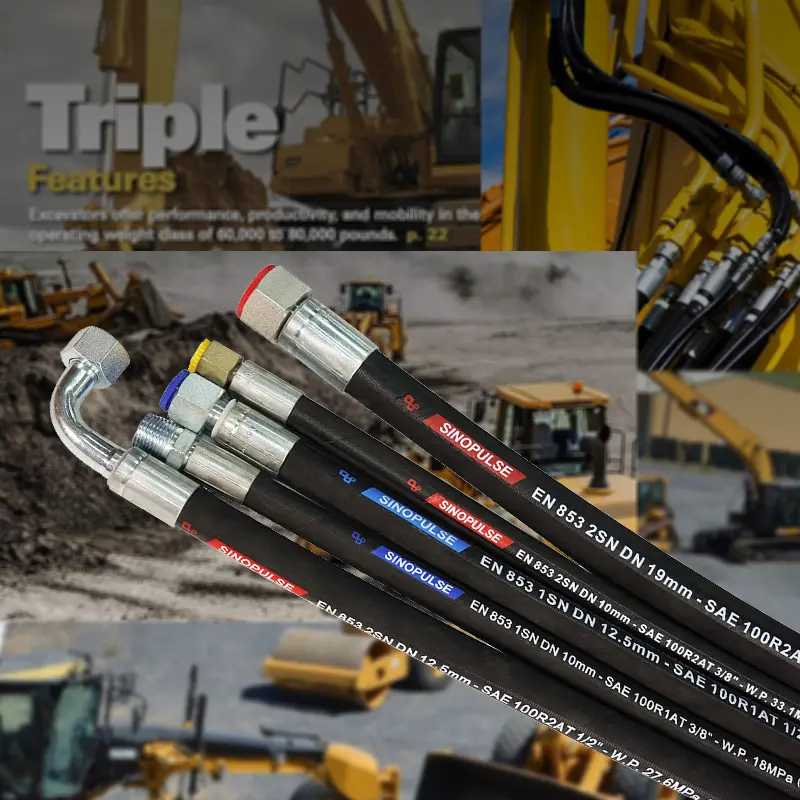
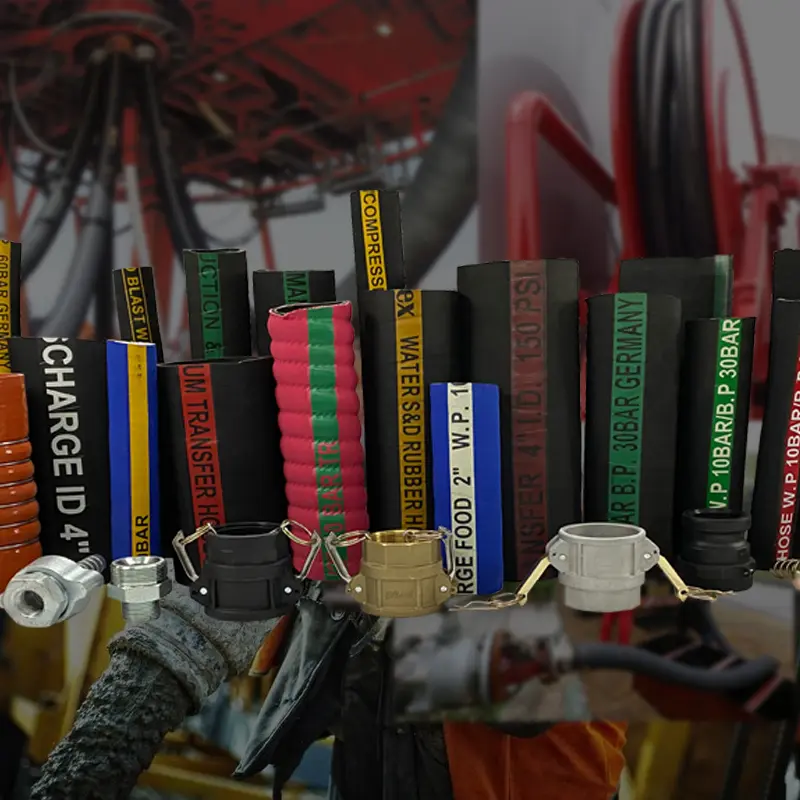
At its core, a suction and delivery hose is a specialized flexible tube designed to move fluids under pressure (delivery) or by vacuum (suction). While that sounds simple, the devil’s in the details: these hoses must resist collapsing under vacuum, withstand pressure surges, and often handle abrasive or corrosive materials without failing.
Modern industry depends on them for everything from irrigating fields, conveying fuel in ports, to transferring sewage and slurry in processing plants. Humanitarian operations, too, rely on these hoses extensively — for example, rapidly deploying water pipelines during flood relief in Asia or Africa.
Key Components at a Glance:
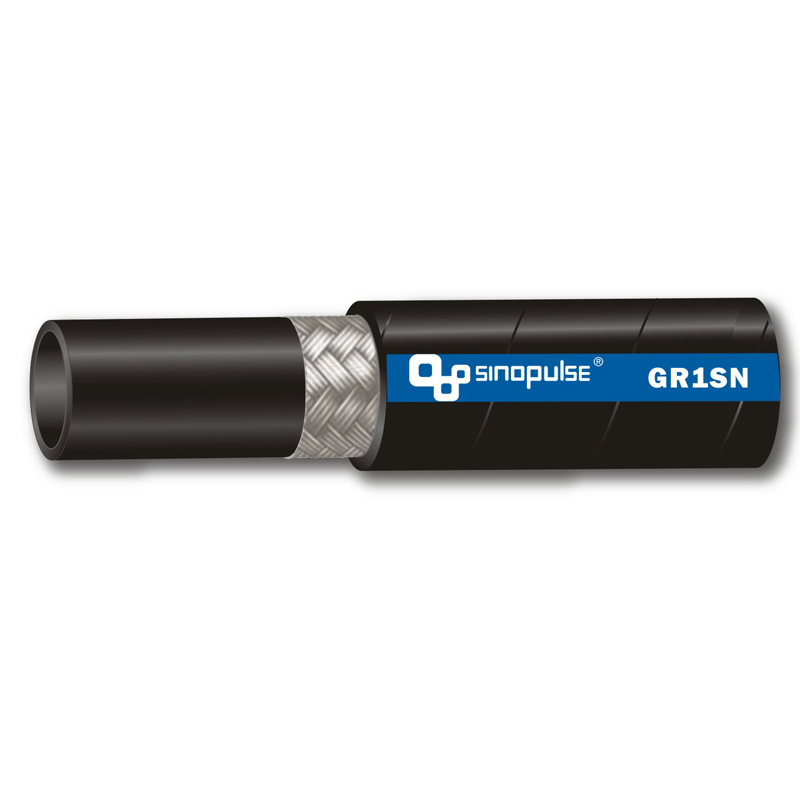
- Inner Tube: Material that resists the conveyed fluid.
- Reinforcement Layer: Usually fabric or steel wire to keep hose integrity under pressure/vacuum.
- Cover: Durable protective outer layer against abrasion, sunlight, or chemicals.
Each element plays a decisive role in making suction and delivery hoses reliable for their demanding jobs.
Key Factors Behind High-Performance Suction and Delivery Hose
Durability in Tough Conditions
One of the main challenges suction and delivery hoses face is balancing flexibility with ruggedness. Many hoses feature synthetic rubbers or specialized polymers that resist UV degradation and chemical exposure. Many engineers I’ve spoken to in the petrochemical industry emphasize how crucial this durability is — a hose failing at a critical moment can halt entire operations.
Pressure and Vacuum Resistance
Suction hoses must resist collapsing under negative pressure, while delivery hoses handle positive pressure surges. Reinforcement via high-tensile textile or steel helix spirals ensures this — a design choice that saves both time and money by avoiding frequent replacements.
Flow Efficiency and Low Weight
Oddly enough, the weight of a hose can dramatically impact handling and installation time. Lightweight hoses are preferred for quick setups during emergency response, while smooth inner liners reduce friction loss, enhancing flow rates.
Cost Efficiency and Lifecycle
Of course, all these factors must come together in a product that won’t blow budgets at installation or through maintenance. Advanced materials often offer longer lifespans, justifying a higher upfront cost. The key is the balance — and many customers find that investing a bit more upfront pays off in less downtime and fewer replacements.
Mini takeaway: Suction and delivery hoses succeed by combining durability, pressure resistance, flow efficiency, and cost-conscious design — qualities vital in both industrial and humanitarian settings.
Real-World Applications Across the Globe
Whether it’s a giant oil refinery in the Middle East, agricultural irrigation in Brazil, or disaster relief efforts in the Philippines, suction and delivery hoses underpin critical fluid transfer tasks worldwide.
- Oil & Gas: High-pressure hoses transfer crude oil and refined products safely at terminals and refineries.
- Agriculture: Conveying water and fertilizers through irrigation systems in dry regions.
- Construction & Mining: Pumping slurry, water, and chemicals across rough terrain.
- Humanitarian Relief: Rapid deployment of potable water pipelines in flood or drought areas.
- Food & Beverage Industry: Specialized hoses prevent contamination while moving liquids.
For example, during the 2019 Mozambique Cyclone Idai, suction and delivery hoses rapidly connected water pumps bringing clean water to thousands of displaced people, highlighting their humanitarian significance (2).
Product Specification Table: Typical Suction and Delivery Hose
| Specification | Details |
|---|---|
| Inner Tube Material | Nitrile rubber (oil resistance) / EPDM (water resistance) |
| Reinforcement | Multiple polyester plies + steel helix |
| Maximum Working Pressure | Up to 150 psi (10 bar) |
| Temperature Range | -40°C to +80°C (-40°F to 176°F) |
| Hose Diameter Options | 1" to 12" |
| Standard Length | 20 meters (custom lengths available) |
| Cover Material | Abrasion-resistant synthetic rubber |
Vendor Comparison: Top Suction and Delivery Hose Manufacturers
| Vendor | Key Strengths | Typical Applications | Global Reach |
|---|---|---|---|
| HydroFlex Industries | Custom abrasion-resistant compounds, fast lead times | Mining, Petrochemical | North America, South America |
| Global Hose Solutions | Wide diameter range, global certifications | Food & Beverage, Agriculture | Europe, Asia, Africa |
| PulseTech Hoses | Innovative lightweight design, digital monitoring integration | Disaster Relief, Chemical Transfer | Global, including remote regions |
Advantages and Long-Term Value of Using Quality Suction and Delivery Hoses
Investing in high-quality suction and delivery hoses provides benefits beyond simple fluid transfer. For one, you reduce downtime — fewer bursts or leaks mean fewer emergency fixes. This reliability sustains production and boosts worker safety. Plus, sustainable materials in hoses contribute to a reduced environmental footprint, which is increasingly a customer demand.
On the social front, reliable hose infrastructure means better clean water access in vulnerable regions, preserving human dignity and health. Frankly, it’s one of those quiet innovations that underpin modern comfort and industrial advancement alike.
Emerging Trends & Innovations in Suction and Delivery Hose Technology
The next generation of hoses features exciting innovations. Smart hoses with digital sensors monitor pressure and temperature in real time, enabling predictive maintenance and reducing failures. Materials science is moving toward bio-based rubbers and coatings that degrade less and can even self-heal minor cuts.
Additionally, automation in deployment — think robotic hose reels on offshore platforms — is gaining momentum, minimizing human exposure to hazards and speeding up operation times. Sustainability-focused policies from governments worldwide also push manufacturers to innovate around recyclability and lifecycle emissions.
Facing Challenges and Finding Solutions
Despite advances, challenges persist. Abrasion, chemical compatibility, and UV exposure continue to shorten hose lifespans if materials aren’t carefully chosen. Plus, logistics around installing heavy hoses in remote or disaster-hit areas can be complex.
Experts suggest thorough site assessments and adopting modular hose systems that allow quick repairs or replacements. There’s also growing interest in training field teams in hose maintenance — a small but effective step toward extending hose longevity on-site.
FAQ: Common Questions About Suction and Delivery Hose
Q1: What types of fluids can suction and delivery hoses handle safely?
A1: Depending on their construction, suction and delivery hoses can handle water, sewage, oils, chemicals, slurry, and even food products. Selecting the right inner lining material is critical to avoid corrosion or contamination.
Q2: How do I know if a suction hose is suitable for vacuum applications?
A2: A hose designed for suction needs reinforcement like a steel helix or textile braiding to resist collapsing under vacuum pressure. Check product specs for vacuum rating (negative pressure tolerance).
Q3: Can suction and delivery hoses be used interchangeably?
A3: Not always. Delivery hoses handle positive pressure pushing fluids, while suction hoses must avoid collapse under negative pressure. Some hoses are dual-rated, but verify specifications before use.
Q4: What maintenance is needed to maximize hose life?
A4: Regular inspections for wear, cleaning to prevent buildup, and storing hoses out of direct sunlight when idle are standard practices to extend hose lifespan.
Q5: Where can I find trusted suppliers for custom hose solutions?
A5: Vendors like HydraulicHosePlus offer tailored solutions with quality certifications and global support, essential for critical projects.
Conclusion: Why Suction and Delivery Hose Matter for the Long Haul
All told, suction and delivery hoses remain indispensable in countless industries and humanitarian efforts worldwide. Their evolving designs and material improvements reflect the fluidity of the needs they serve — resilient, adaptable, and efficient. If you’re involved in any sector relying on fluid transport, exploring the latest options in suction and delivery hose technology isn’t mere curiosity; it’s a smart investment.
For those looking to upgrade or tailor solutions, don’t hesitate to visit our trusted partner destination: https://www.hydraulichoseplus.com. You might just find the hose that keeps your operation flowing smoothly.
References:
1. ISO - International Standards on Hose Performance: iso.org
2. UN Disaster Response Case Studies: reliefweb.int
3. Wikipedia - Hose (Fluid Conveyance): wikipedia.org
Product Application