

Understanding the Role of Steering Fluid Pipe in Modern Industry
At first glance, the term steering fluid pipe might not spark immediate recognition outside mechanical circles, but its importance is surprisingly broad and impactful globally. This key component — found in everything from passenger cars to heavy-duty industrial vehicles — plays a crucial role in how hydraulic steering systems function smoothly and reliably. Understanding steering fluid pipes is more than just an engineering curiosity; it brings insights into vehicle safety, industrial efficiency, and even environmental considerations.
But why focus on steering fluid pipes? Globally, as transportation infrastructures expand and industries turn increasingly automated, ensuring precision in hydraulic steering has become essential. The pipes channel pressurized fluid effectively, enabling drivers or machines to steer effortlessly and accurately. Neglect or failure of these pipes can lead to safety hazards, inefficient operations, and costly repairs.
Simply put, steering fluid pipes are small but mighty components that keep hydraulic steering systems working flawlessly—underpinning safety and productivity worldwide.
Global Context: Why Steering Fluid Pipes Matter Today
Hydraulic steering, reliant on these fluid conduits, accounts for a significant portion of modern vehicle control systems. According to ISO standards on hydraulic fluid power systems, ensuring the integrity and reliability of all components—including pipes—is essential for safety compliance. In fact, billions of vehicles and industrial machines rely on these underappreciated parts worldwide.
Data from organizations like the World Bank highlight the escalated growth in vehicle ownership and the rise of heavy machinery in emerging economies, particularly in Asia and Africa. This trend naturally elevates the demand for robust hydraulic components—the steering fluid pipes included. Yet, challenges persist: steering fluid pipe failure rates still identify weak points in vehicle maintenance, especially where poor-quality materials or improper installation prevail.
What Is a Steering Fluid Pipe?
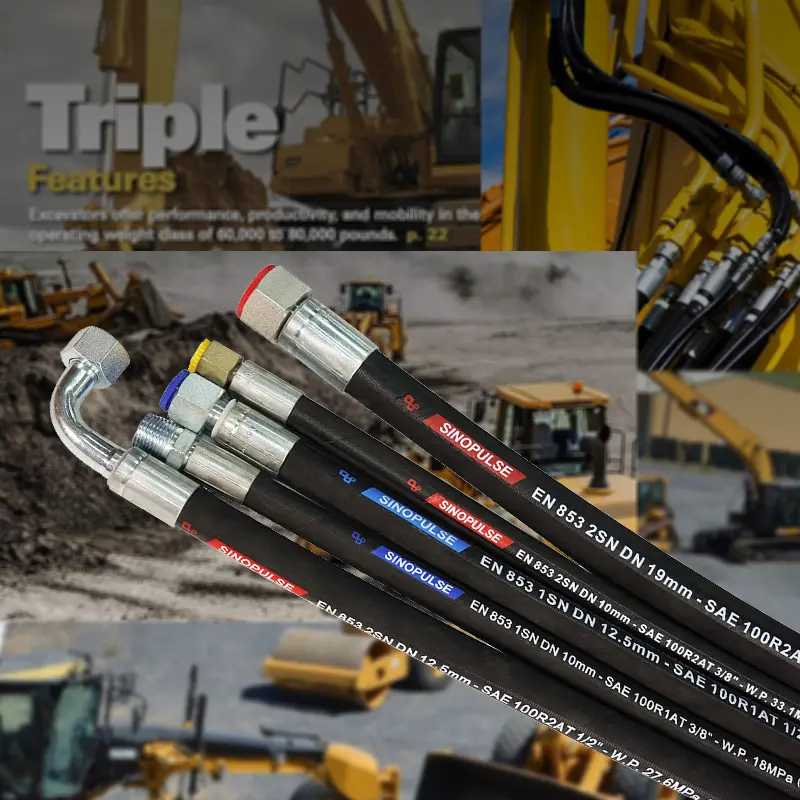
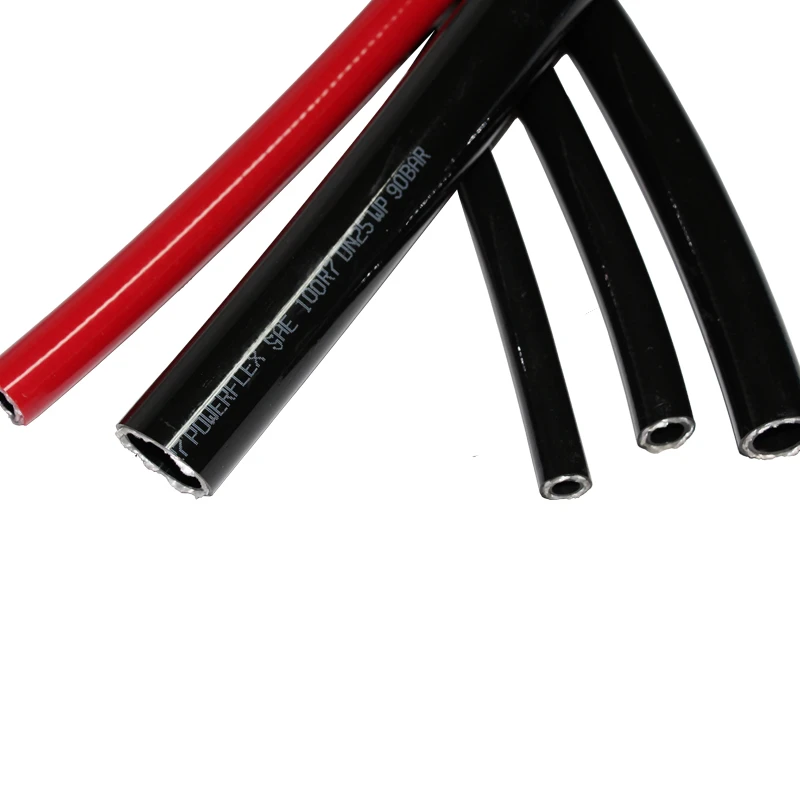
Simply put, a steering fluid pipe is a conduit designed to carry pressurized hydraulic fluid from the power steering pump to the steering gear. It’s a flexible, durable hose or sometimes a rigid pipe engineered to resist high pressures, temperature fluctuations, and mechanical stress.
This component is indispensable for power steering systems, which use hydraulics to reduce driver effort on the steering wheel. As vehicles have grown more complex and machines more powerful, the quality and specification of steering fluid pipes have advanced too. You could think of it as the bloodstream of your steering system—it keeps everything moving seamlessly.
Core Aspects of Steering Fluid Pipes
1. Material Durability
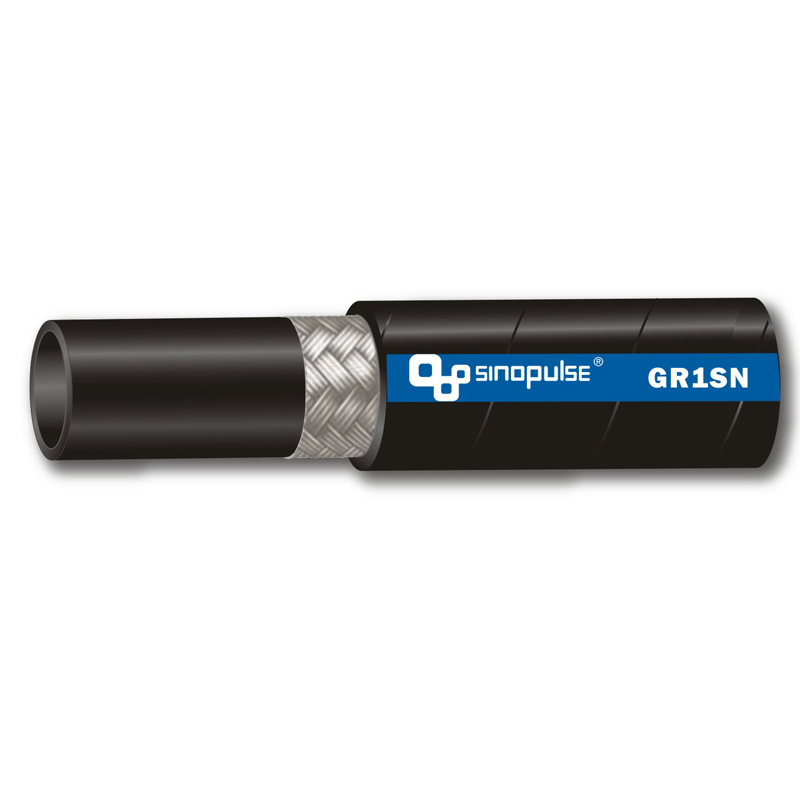
Typically made with layered rubber, synthetic polymers, and reinforced steel braiding, the pipe must withstand pressures up to 3000 psi or more. Resistance to abrasion, corrosion, and ozone exposure is crucial for long service life.
2. Flexibility & Scalability
A good steering fluid pipe balances flexibility—for routing alongside moving mechanical parts—with structural integrity to prevent kinking or bursting. Manufacturers often customize lengths and fittings per vehicle model or industrial application.
3. Cost Efficiency
While high-grade hoses can be pricier, investing in quality parts reduces downtime and repairs. Bulk manufacturing for OEMs versus aftermarket sales introduces different pricing dynamics.
4. Chemical Compatibility
The fluid pipe’s inner lining must be compatible with various types of hydraulic fluids—mineral oils, synthetic fluids, or environmentally-friendly alternatives—without degrading or leaking.
5. Safety Certification
International certifications such as SAE J517 or ISO 1436 signify that the product meets stringent safety and performance tests.
| Specification | Standard Values | Remarks |
|---|---|---|
| Operating Pressure | Up to 3000 psi (20.7 MPa) | Depends on application |
| Temperature Range | -40°C to 125°C | Standard for power steering hoses |
| Inner Tube Material | Nitrile rubber or PTFE | Chemical resistance rated |
| Outer Cover | Neoprene or EPDM | Weather and abrasion resistant |
| Reinforcement | High tensile steel wire braid | Prevents bursting under pressure |
Each of these factors works together to make steering fluid pipes reliable components worth investing in for safety and longevity.
Global Applications & Use Cases
Steering fluid pipes aren't just automotive staples in developed markets; they’re crucial across many sectors worldwide.
- Automotive Industries: Virtually every modern car, truck, and bus uses hydraulic steering systems where these pipes operate quietly behind the scenes.
- Construction & Heavy Machinery: Large excavators, forklifts, and cranes rely heavily on hydraulic steering pipe assemblies to navigate rough terrain safely.
- Shipping & Agriculture: Tractors and marine vessels equally depend on these components to maintain maneuverability under demanding conditions.
- Humanitarian Efforts: In post-disaster reconstruction scenarios, reliable hydraulic equipment – and by extension, high-quality fluid pipes – enable faster mobilization of rescue and rebuilding machinery.
You might have guessed that in harsh climates or remote industrial zones, the durability and performance of steering fluid pipes can make the difference between costly downtime and smooth operations.
Advantages & Long-Term Value
What’s the payoff? Well, beyond safety and operational reliability, these pipes contribute to:
- Cost Savings: Reduced maintenance frequency and longer service life cut budget headaches down the line.
- Sustainability: High-quality materials mean fewer replacements and less waste.
- Safety & Trust: For drivers and operators alike, the confidence that steering will respond accurately feels almost intangible but is absolutely vital.
The blend of the emotional — peace of mind — and the practical is, frankly, what drives ongoing innovation in this field.
Emerging Trends & Innovations
Looking ahead, what’s shaping the evolution of steering fluid pipes?
- Eco-Friendly Materials: Biodegradable and recyclable materials are slowly making their way into manufacture.
- Digital Integration: Sensors embedded into hoses for real-time pressure monitoring are gaining traction.
- Automation & Robotics: Custom hoses designed for robotic steering systems in modern manufacturing plants are becoming more common.
- Regulations & Standards: New ISO guidelines push manufacturers towards safer, greener, and smarter products.
It feels like the humble steering fluid pipe is quietly stepping into the age of smart tech without much fanfare.
Common Challenges & Solutions
Despite the advances, some hurdles remain:
- Leakages and Hose Failures: Poor quality materials or improper installation can cause leaks, leading to steering failure risks. Solution? Rigorous quality control and specialist training.
- Harsh Environments: Extreme temperatures and abrasive conditions wear pipes down faster. Solution: developing tougher synthetic compounds and protective covers.
- Compatibility Issues: Mismatching hydraulic fluids and hoses undermines performance. Solution: clearer labeling and standardization protocols.
Steering Fluid Pipe Vendor Comparison
| Vendor | Product Range | Quality Certifications | Price Level | Special Features |
|---|---|---|---|---|
| HydraFlex Co. | OEM & Aftermarket pipes | ISO 9001, SAE certified | Mid-Range | Custom fittings & pressure sensors |
| SteerLine Inc. | Heavy machinery focus | ISO 1436, SAE J517 | Premium | High temp and abrasion resistant covers |
| EcoPipe Solutions | Environmentally sustainable lines | ISO 14001, RoHS compliant | Economy | Biodegradable outer layers |
Frequently Asked Questions About Steering Fluid Pipes
- How do I know if my steering fluid pipe is failing?
- Common signs include difficulty steering, noticeable leaks under the vehicle, or unusual noises when turning. Regular inspection and pressure testing help catch early issues before they become dangerous.
- Can I replace a steering fluid pipe myself?
- While possible for experienced mechanics, improper installation can cause leaks or safety hazards. It's generally best to have replacements done by certified technicians to ensure proper fittings and pressure ratings.
- What types of hydraulic fluid are compatible with steering fluid pipes?
- Most pipes are compatible with mineral-based and synthetic hydraulic fluids, but always check manufacturer specs. Using improper fluids can degrade inner linings and lead to pipe failure.
- How often should steering fluid pipes be inspected or replaced?
- Inspection intervals vary with use, but every 30,000 to 50,000 miles is a common recommendation. Replacement depends on signs of wear, damage, or leaks, not just mileage alone.
Conclusion
To wrap it up, the humble steering fluid pipe might not be glamorous but is an unquestionable pillar in the chain that keeps vehicles and machinery steering safely and efficiently around the world. From urban roads to remote industrial zones, the pipe ensures trusted hydraulic pressure delivery, promoting safety, sustainability, and performance.
If you want to ensure your equipment runs smoothly, checking or upgrading your steering fluid pipe is a wise, long-term investment. For more detailed product options and expert advice, visiting our site is a good next step.
In real terms, understanding and investing in quality steering fluid pipes pays dividends in safety and peace of mind—on every turn.
References:
1. ISO 1436: Hydraulic Fluid Power - Hose Assemblies
2. SAE International Standards: J517
3. World Bank Vehicle and Transportation Data Reports
Product Application