

Understanding Pump Suction Hose: A Vital Link in Fluid Transfer
Globally, the pump suction hose plays a surprisingly crucial role often overlooked outside industry circles. From delivering clean water in disaster zones to streamlining industrial workflows, the humble suction hose stands as a linchpin in many large-scale operations. Understanding what it is and why it matters isn’t just useful—it’s essential for engineers, disaster-relief planners, and procurement teams worldwide.
Why Pump Suction Hose Matters Globally
Did you know that the global market for industrial hoses is expected to grow by over 6% annually, driven largely by demand in resource extraction, manufacturing, and emergency response? According to the International Organization for Standardization (ISO), reliable suction hoses are vital for maintaining efficient fluid movement under harsh conditions. Yet, many sectors still face challenges like hose failure, contamination, and environmental damage when unsuitable hoses are used.
Consider humanitarian crises: when clean water must reach isolated villages after floods, pump suction hoses become lifelines. Their durability and reliability can literally save lives. On a broader scale, industries rely on these hoses to maintain uptime and minimize environmental risks.
Mini takeaway:
Globally, pump suction hoses help move fluids safely and efficiently—supporting everything from water relief to heavy industry.
What Is a Pump Suction Hose, Exactly?
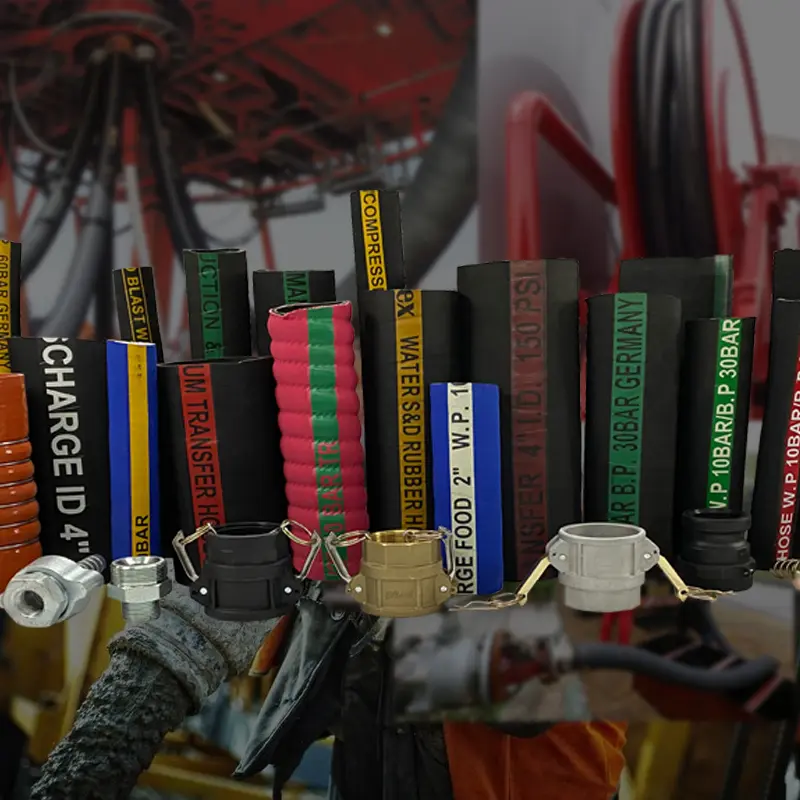
Simply put, a pump suction hose is a flexible tube designed specifically to connect pumps to fluid sources, allowing suction without collapsing under pressure. Its design typically includes reinforced layers to handle vacuum pressure and resist abrasions or chemical exposure. Think of it as the "mouth" that feeds the pump—robust enough to handle rugged tasks but flexible enough to bend around equipment or obstacles.
In modern industry, these hoses help extract groundwater, transfer fuels, or remove sludge. In humanitarian contexts, they often bring potable water to displaced populations or assist in flood cleanup. Their connection to global needs is as direct as it gets.
Mini takeaway:
At its core, the pump suction hose is an engineered conduit that balances flexibility with strength—crucial for suction tasks worldwide.
Key Features that Make Pump Suction Hose Essential
Durability
Many engineers swear by hoses built with synthetic rubbers like nitrile or PVC blends. These materials resist wear from abrasion, chemicals, and temperature changes, which is crucial when suctioning harsh fluids.
Vacuum Resistance
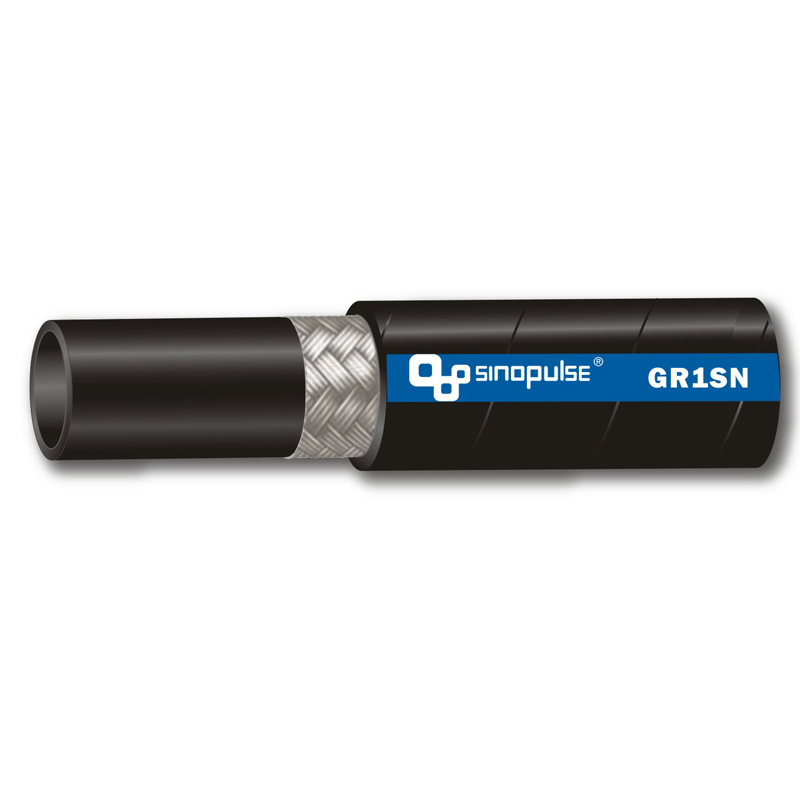
The hose must resist collapsing under suction pressure. Reinforcement layers made from braided polyester or steel wire ensure structural integrity, especially for heavy-duty or long-distance applications.
Flexibility
Flexibility allows easier handling and installation, important when operating in tight spaces or rugged terrain. Although stiffer hoses might last longer, too much rigidity gets in the way during fieldwork.
Compatibility
The hose material and construction need to be compatible with the fluids being transported—be it fuel, water, sludge, or chemicals—to avoid degradation or contamination.
Size & Length Options
Providers offer a range of diameters and lengths to suit specific pumps and operational needs. Custom sizes can often be fabricated for unusual requirements.
Mini takeaway:
Durability, vacuum resistance, flexibility, compatibility, and sizing all come together to make a pump suction hose fit for purpose in diverse settings.
Where Does the Pump Suction Hose Get Used?
Globally, applications vary widely—from the muddy mines of South Africa to flood-stricken South Asian villages, to large refineries in the Gulf. Here are some examples:
- Disaster Relief: NGOs use suction hoses during floods to pump out water or deliver clean supplies, often in hard-to-access areas where pipes just won’t do.
- Industrial Plants: Chemical and oil plants rely on suction hoses for transferring liquids safely, minimizing leaks and downtime.
- Agriculture: Irrigation systems depend on suction hoses to pull groundwater efficiently, especially in drought-prone areas.
- Municipal Services: Sewage and wastewater teams use heavy-duty suction hoses during maintenance or emergency spills.
Mini takeaway:
Practical use cases show how indispensable pump suction hoses are across sectors and continents.
Product Specifications: What To Look For
| Specification | Typical Range / Value | Notes |
|---|---|---|
| Diameter | 1" to 12" (25 mm to 300 mm) | Customized sizes also common |
| Material | Nitrile, PVC, EPDM rubber | Selected based on fluid compatibility |
| Pressure Rating | Up to 150 psi (10 bar) suction | Vacuum resistance critical |
| Temperature Range | -20°C to +80°C | Varies by material |
| Reinforcement | Textile braid, steel wire | Prevents hose collapse |
Comparing Leading Pump Suction Hose Vendors
| Vendor | Material Options | Price Range (per meter) | Customization | Global Reach |
|---|---|---|---|---|
| Hydraulic Hose Plus | PVC, Nitrile, EPDM | $12 - $30 | Wide range, bespoke orders | North America, Europe, Asia |
| Global Hose Co. | Nitrile, Rubber blends | $10 - $28 | Standard sizes mostly | Europe, Africa |
| FlexiHose Ltd. | PVC, Textile reinforced | $14 - $32 | Custom fabrication available | Asia-Pacific |
Advantages and Long-Term Value of Using Pump Suction Hoses
Cost-wise, investing in quality pump suction hoses means less downtime, fewer replacements, and lower labor costs overall. But beyond dollars, there’s something more profound at play:
- Sustainability: Durable hoses reduce waste and environmental contamination, an increasingly important goal aligned with ISO environmental standards.
- Safety: Leak-resistant hoses safeguard workers and communities.
- Reliability: You count on these hoses under stress, in emergencies, and routine industries alike.
- Innovation: Advances in materials mean hoses now last longer and can handle more challenging fluids.
- Social Impact: Better hoses enable NGOs to maintain dignity and health in crisis areas by delivering clean water faster.
Mini takeaway:
Choosing a durable pump suction hose is about more than utility—it's an investment in safety, sustainability, and social good.
Emerging Trends & Innovations in Pump Suction Hose Technology
Looking ahead, the future of pump suction hoses is a blend of green materials, smart sensors, and lightweight composites. For instance, some companies are experimenting with bio-based rubbers that cut down carbon footprints without sacrificing performance. Others are integrating embedded sensors that monitor pressure, wear, and temperature in real-time—helping operators predict failures before they happen.
The digital transformation sweeping across industries naturally reaches hoses, too. Imagine a hose that alerts your phone when it's about to burst or degrade—this isn't sci-fi anymore but emerging reality.
Mini takeaway:
Smart, sustainable, and sensor-enabled hoses are on the horizon, promising safer and greener fluid handling.
Challenges & How Experts Overcome Them
Of course, no product is perfect. Pump suction hoses can suffer from premature wear due to chemical incompatibility or extreme temperatures. Improper storage, kinking, and abrasion also cut hose life short. Moreover, matching hose specs to pump and fluid requirements remains a knowledge hurdle for many end-users.
Experts recommend rigorous testing—some standards from ISO 18238 guide industrial hose use—and professional consultation for each application. Also, innovations in coatings and composite layers help extend life, while thorough user training prevents mishandling.
FAQ: Common Queries on Pump Suction Hose
- What materials are best for chemical suction hoses?
- Nitrile rubber and EPDM are popular because they resist many chemicals, oils, and fuels. Selecting the right material depends on the exact fluid; consulting with manufacturers can ensure compatibility.
- Can pump suction hoses be used in freezing temperatures?
- Some hoses handle down to -20°C, sometimes lower if specially designed. However, stiffening can occur, so checking manufacturer specs is key for cold environments.
- How often should suction hoses be inspected or replaced?
- Industry experts advise periodic visual and pressure testing every six months, with replacement depending on wear signs or after 3-5 years of typical use.
- Is customization available for unusual pump systems?
- Yes. Many vendors like Hydraulic Hose Plus offer bespoke lengths, diameters, and fittings to suit specific pumps and tasks, improving efficiency and safety.
- Are pump suction hoses reusable after cleaning?
- Typically yes, after proper flushing and inspection. However, repeated contamination or damage may require full replacement to maintain performance.
Conclusion: Why Pump Suction Hoses Are a Smart Long-Term Choice
All in all, a pump suction hose is more than just equipment; it's a backbone of fluid transfer systems that support modern life and emergency response alike. Investing in the right hose means reliability, safety, and even social impact over time. If you want to explore a wide range of options tailored for your needs, do visit our website to learn more.
Because frankly, in fluid dynamics and life support operations, you don’t want to cut corners on the conduit itself...
References
Product Application