การเปลี่ยนท่อยางเบรก (Brake Hose Replacement)
การดูแลรักษารถยนต์เป็นสิ่งที่สำคัญอย่างยิ่งสำหรับความปลอดภัยของผู้ขับขี่และผู้โดยสาร หนึ่งในส่วนประกอบที่สำคัญในระบบเบรกของรถยนต์คือท่อยางเบรก โดยท่อยางเบรกจะทำหน้าที่ส่งน้ำมันเบรกจากปั๊มไปยังคาลิปเปอร์เบรก เพื่อให้สามารถทำงานได้อย่างมีประสิทธิภาพ การเปลี่ยนท่อยางเบรกจึงเป็นงานที่ไม่ควรมองข้าม
สัญญาณที่บ่งบอกว่าต้องเปลี่ยนท่อยางเบรก
มีหลายสัญญาณที่บ่งบอกว่าท่อยางเบรกของรถยนต์อาจต้องการการเปลี่ยนแปลง ได้แก่
1. รอยแตกร้าวหรือเสียหาย หากท่อยางเบรกมีรอยแตกหรือสัญญาณของการเสื่อมสภาพ เช่น สึกกร่อนหรือมีรอยด่าง มีโอกาสสูงที่น้ำมันเบรกจะรั่วไหล
2. น้ำมันเบรกรั่ว หากคุณพบว่ามีน้ำมันเบรกซึมออกมาจากท่อยางเบรก แสดงว่าท่อยางนั้นอาจเสียหาย และควรเปลี่ยนทันที
3. ประสิทธิภาพเบรกไม่ดี หากรถของคุณเบรกได้ไม่ดีเหมือนเดิม หรือมีเสียงที่แปลกออกมาเมื่อเบรก อาจเป็นไปได้ว่าท่อยางเบรกมีปัญหา
4. อายุการใช้งาน โดยทั่วไปแล้ว ท่อยางเบรกควรเปลี่ยนทุกๆ 4-6 ปี หรือขึ้นอยู่กับสภาพของรถและการใช้งาน
การเปลี่ยนท่อยางเบรก (Brake Hose Replacement)
การเปลี่ยนท่อยางเบรกอาจดูเหมือนเป็นงานที่ยุ่งยาก แต่หากคุณมีเครื่องมือที่เหมาะสมและทำตามขั้นตอนที่ถูกต้อง ก็สามารถทำได้เองดังนี้
brake hose replacement

1. เตรียมเครื่องมือ คุณจะต้องมีประแจ หลอดยางเบรกใหม่ เครื่องมือป้องกันที่สวมใส่ได้ และภาชนะสำหรับรับน้ำมันเก่าที่จะถูกถ่ายออก
2. ยกรถขึ้น ใช้แจ็คเพื่อยกรถจากพื้น จากนั้นใช้ขาตั้งเพื่อความปลอดภัย
3. ถอดท่อยางเบรกเก่า โดยปกติแล้ว ท่อยางเบรกจะเชื่อมต่อกับคาลิปเปอร์และถังน้ำมันเบรก ใช้ประแจในการคลายเกลียวและถอดท่อยางเบรกเก่าออก
4. ติดตั้งท่อยางเบรกใหม่ นำท่อยางเบรกใหม่มาติดตั้งแทนที่ท่อยางเก่า โดยต้องแน่ใจว่าติดตั้งเข้าไปในตำแหน่งที่ถูกต้องและแน่นหนา
5. เติมน้ำมันเบรก หลังจากติดตั้งท่อยางใหม่เสร็จเรียบร้อย ให้เติมน้ำมันเบรกใหม่เข้าไป และตรวจสอบให้แน่ใจว่าไม่มีการรั่วซึม
6. ตรวจสอบระบบเบรก ก่อนที่จะทำการทดสอบรถ ให้กดเบรกเพื่อตรวจสอบการตอบสนอง และดูว่าน้ำมันเบรกมีการรั่วไหลหรือไม่
การบำรุงรักษาท่อยางเบรก
การบำรุงรักษาท่อยางเบรกเป็นสิ่งสำคัญไม่แพ้การเปลี่ยนท่อยางใหม่ ควรตรวจสอบสภาพของท่อยางเบรกเป็นประจำ และดูแลไม่ให้ท่อยางมีการสัมผัสกับสารเคมีหรือความร้อนที่อาจทำให้เสื่อมสภาพได้
โดยสรุป การเปลี่ยนท่อยางเบรกเป็นขั้นตอนที่สำคัญในการดูแลรถยนต์ ซึ่งอาจมีผลต่อความปลอดภัยของผู้ขับขี่และผู้โดยสาร หากพบสัญญาณที่บ่งบอกว่าท่อยางเบรกมีปัญหา ควรดำเนินการเปลี่ยนทันที เพื่อให้ระบบเบรกทำงานได้อย่างมีประสิทธิภาพและปลอดภัย
OUR LATEST NEWS
Strict quality control strict production team to ensure stable products quality. Scientific personnel management, efficient production arrangements to ensure our timely delivery.
02-242026
Comprehensive Guide to Safe and Effective Brake Hose Replacement Procedures
Maintaining your vehicle’s braking system is crucial for safety, and a key component of this system is the brake hose. Over time, brake hoses can deteriorate due to age, exposure to the elements, and constant pressure. This guide provides a comprehensive overview of brake hose replacement, covering everything from identifying when replacement is necessary to the process itself. Ignoring worn brake hoses can lead to brake failure, so understanding the signs and knowing how to address them is vital. Hydraulic Hose Plus offers a wide selection of high-quality brake hoses to ensure your vehicle’s safety. Brake hoses are responsible for carrying brake fluid under high pressure to the brake calipers at each wheel. As they age, the rubber can become brittle, crack, or swell. This compromises their structural integrity and can lead to leaks, reduced braking efficiency, or even complete brake failure. Regular inspection and timely replacement of brake hoses are essential safety measures. Signs of deterioration include visible cracks, blisters, bulges, or leaks, as well as a spongy brake pedal feel. Delaying brake hose replacement can significantly increase stopping distances and put you and others at risk.
02-112026
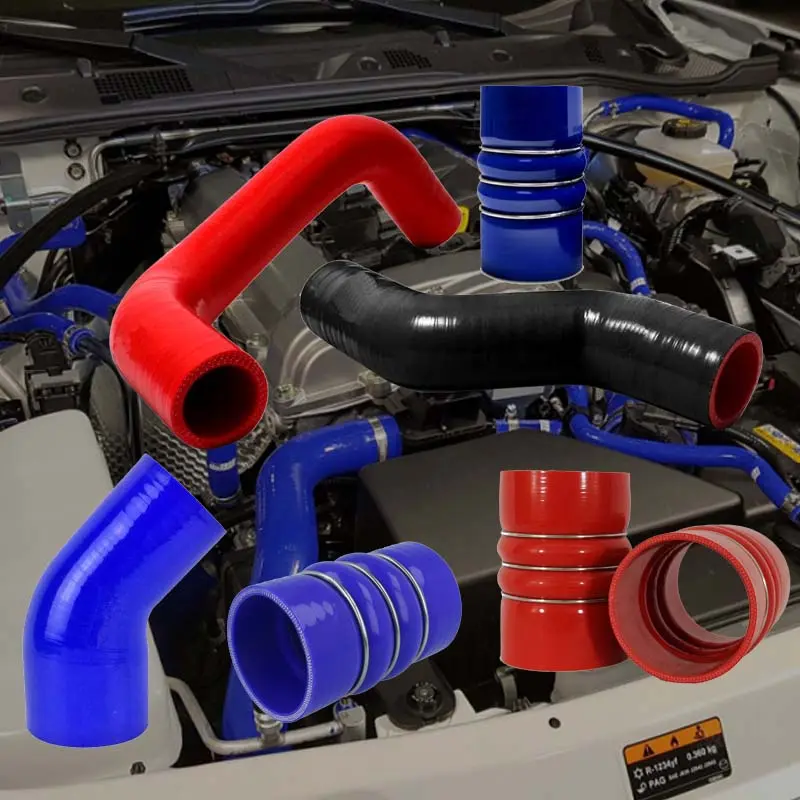
Comprehensive Guide to Silicone Auto Hoses for Enhanced Vehicle Performance
In the world of automotive performance and reliability, the often-overlooked component of the engine cooling and intake systems – the auto hose – plays a critical role. Traditional rubber hoses are prone to degradation from heat, oil, and pressure. This is where silicone auto hoses come into play, offering a superior alternative. This article delves into the benefits, applications, and considerations for choosing silicone hoses, providing a detailed overview for automotive enthusiasts, mechanics, and anyone looking to enhance their vehicle's performance. Ensuring your cooling and intake systems are equipped with quality hoses is crucial for preventing costly engine damage and maintaining optimal vehicle operation. Compared to traditional rubber hoses, silicone auto hoses offer a multitude of benefits. They exhibit exceptional resistance to high temperatures, often withstanding temperatures up to 500°F (260°C) without degradation. This is particularly important in modern engines that generate significant heat. Silicone also doesn’t swell or crack when exposed to oil, coolant, or other automotive fluids. This durability translates to a longer lifespan, reducing the frequency of replacements and saving you money in the long run.