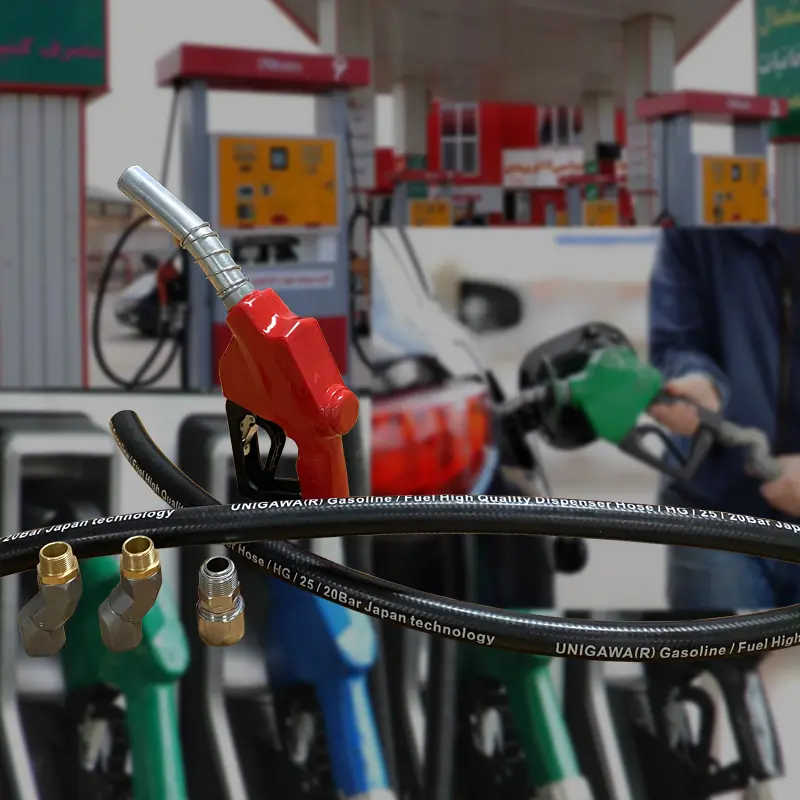



When discussing trustworthiness, selecting high-quality, OEM (Original Equipment Manufacturer) parts for replacement or upgrade of the fuel suction pipe is advisable. Although aftermarket options may be less costly, they might not meet the exacting standards set by the vehicle manufacturer, possibly introducing risks of premature failure or suboptimal performance. A trusted automotive service provider can assist consumers in making informed decisions to ensure safety and performance are not compromised. Practical experience suggests that warning signs such as unusual fuel odors, visible leaks, or noticeable drops in fuel efficiency should prompt an immediate inspection of the fuel suction pipe. Ignoring these signs could lead to more severe engine issues, including extensive fuel system contamination. Integrating cutting-edge technology such as advanced composites or enhanced design features into the manufacturing of fuel suction pipes is an ongoing trend. Companies are investing in research and development to create components that outperform older technologies in terms of both resilience and environmental impact. Future prospects look towards even more durable, sustainable materials that minimize environmental footprint while maximizing efficiency. In conclusion, the fuel suction pipe, though often overlooked, is a vital component in the fuel system. Professionals equipped with both technical expertise and practical experience can navigate the complexities surrounding its maintenance and replacement, ensuring vehicles run efficiently and safely. Through informed choices and routine checks, one can maintain a well-functioning fuel system, which is the backbone of vehicle dependability.
OUR LATEST NEWS
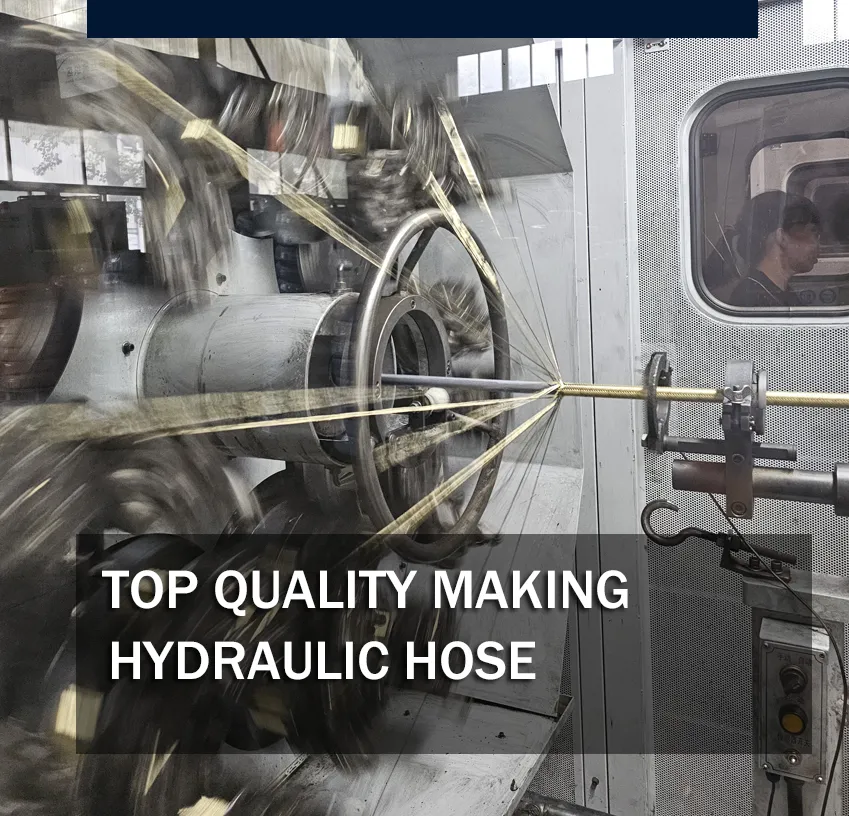
Strict quality control strict production team to ensure stable products quality. Scientific personnel management, efficient production arrangements to ensure our timely delivery.
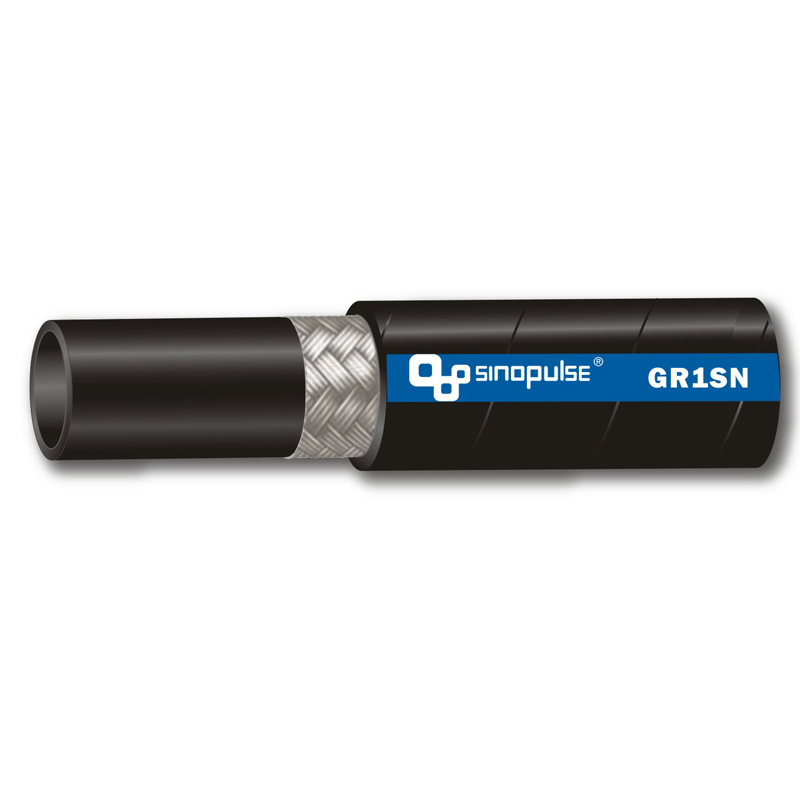
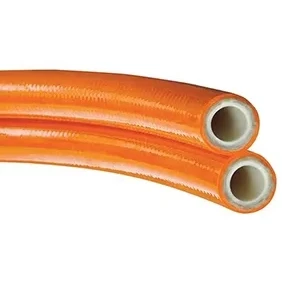
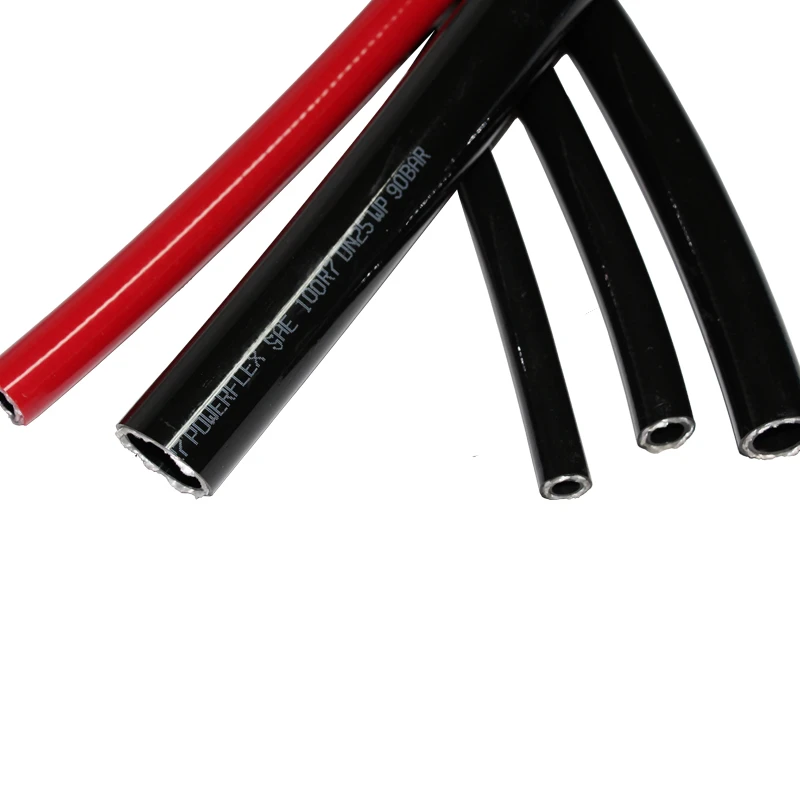
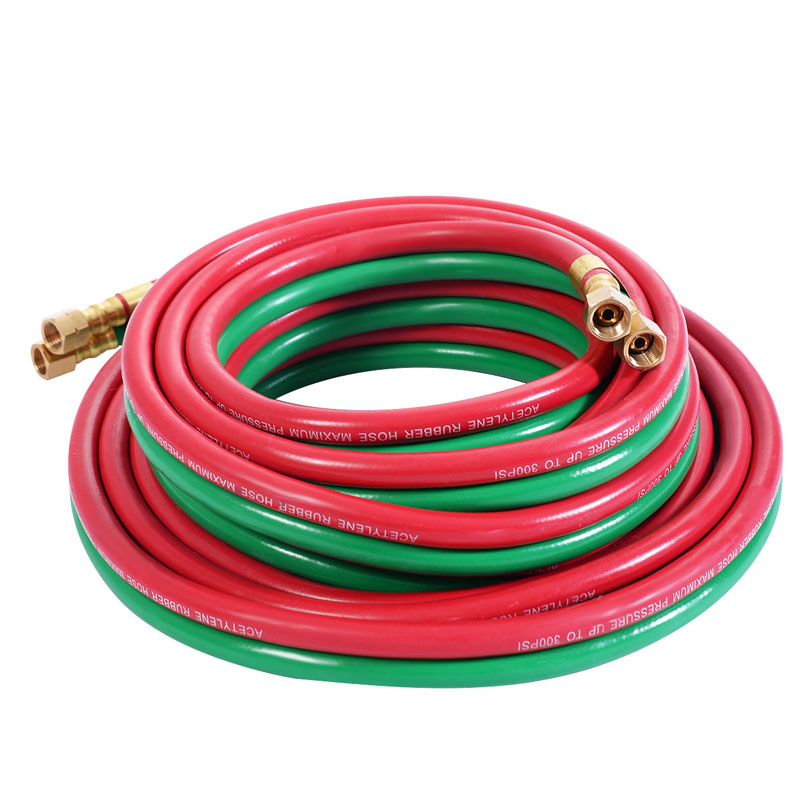
Product Application