

Material Handling Hose: Durable Workhorses in Industrial Settings
After working in the industrial equipment sector for over a decade, I can say that material handling hose is one of those unsung heroes you rarely give much thought to until it stares you down with a leak or failure in the middle of a hectic jobsite. It’s often easy to overlook, but these hoses literally move the backbone of many operations — from mining to construction, and beyond.
Oddly enough, when I first got into the field, I thought all hoses were basically the same. Quick to realize, I wasn’t even close. Material handling hoses have to endure some heavy abuse: abrasive materials, constant flexing, and sometimes extreme temps. They are purpose-built differently from your garden-variety water hose and even differ from typical hydraulic hoses, despite the overlap in environments.
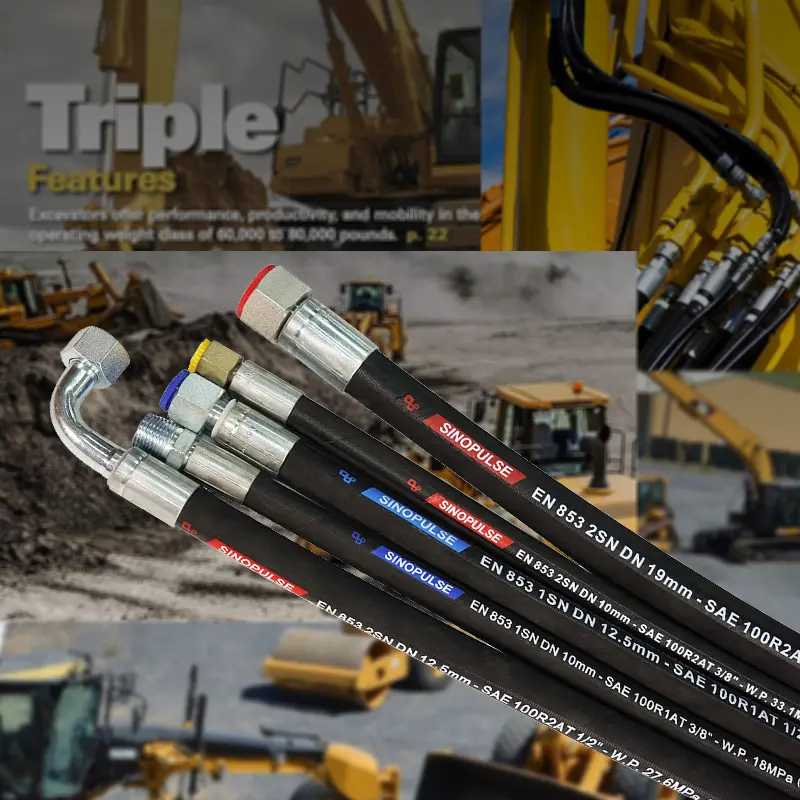
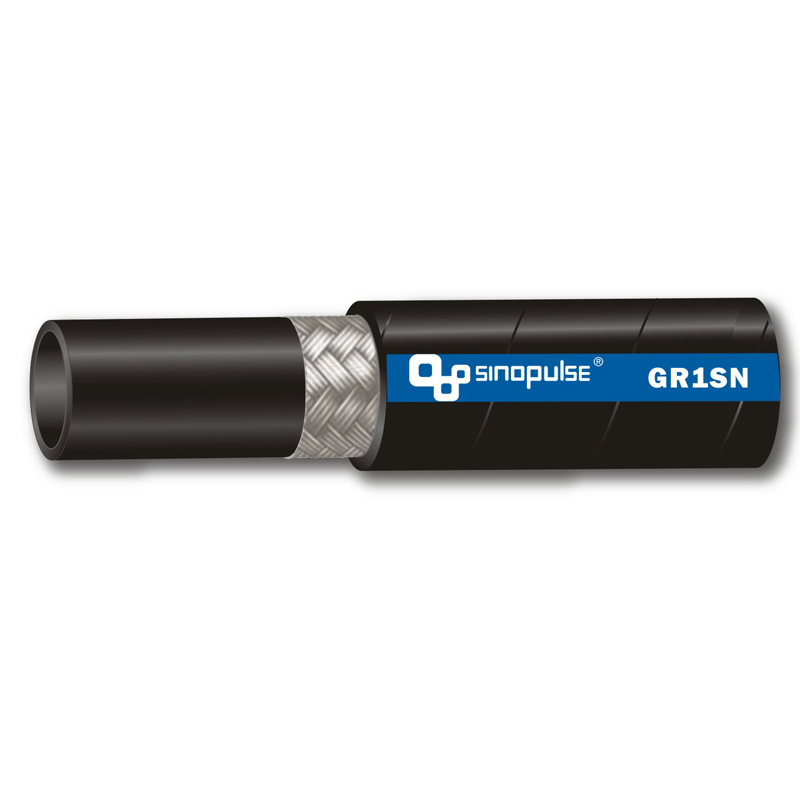
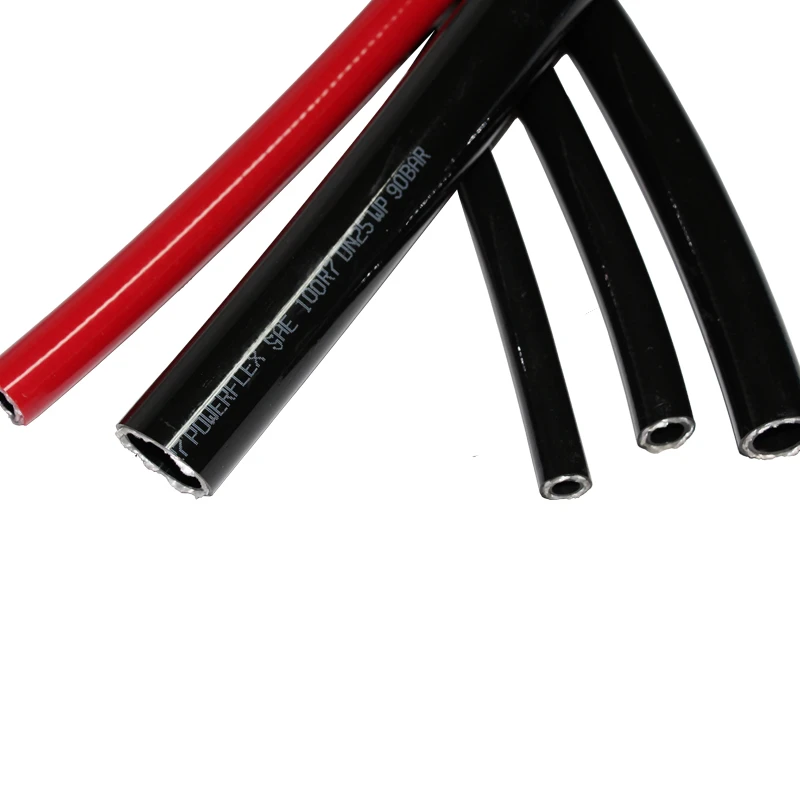
In real terms, the construction of these hoses matters immensely. Generally, they’re made with a rugged synthetic rubber tube interior to resist abrasion, reinforced with steel wire helixes or textile braids that support pressure and prevent crushing. The outer cover is usually designed to withstand environmental risks: dirt, ozone, oils, chemicals, you name it.
Many engineers I talk to swear by hoses that pass rigorous burst and impulse testing — it’s a sort of insurance that they won’t fail unexpectedly. Honestly, I’ve seen cheaper hoses fail catastrophically in the field, causing downtime, cleanups, even safety hazards. It’s tempting to cut costs, but in many cases, quality pays off.
| Parameter | Typical Value | Units |
|---|---|---|
| Inside Diameter | 1/2 to 6 | inches |
| Maximum Working Pressure | 250-350 | psi |
| Bend Radius (Min) | 8-12 | inches |
| Temperature Range | -40 to +212 | °F |
| Material | Synthetic Rubber with Steel Wire Reinforcement | – |
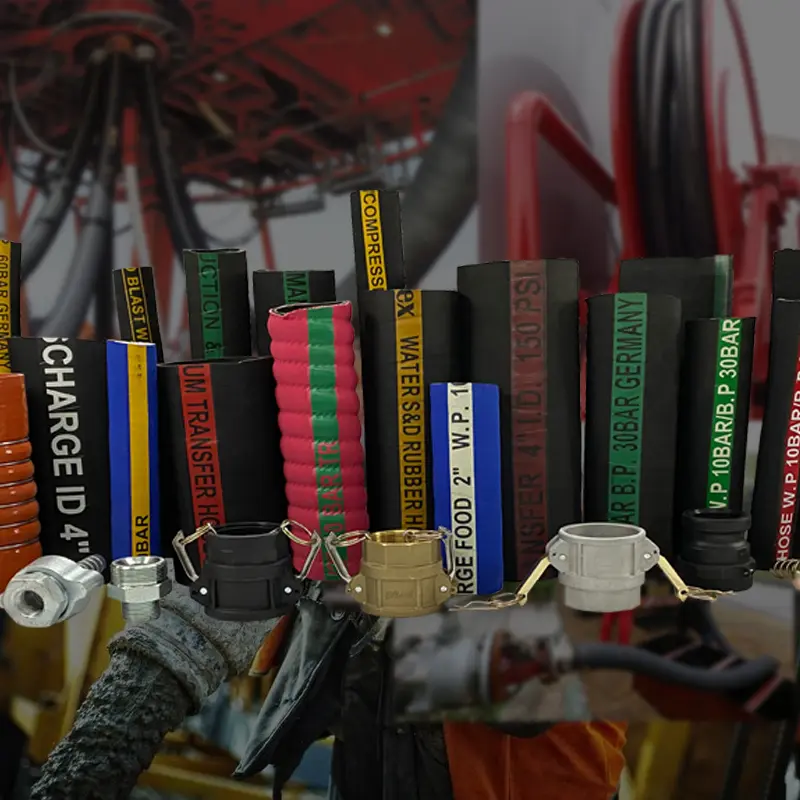
Customization also plays a key role in the realm of material handling hoses. You can generally get hoses made to order for certain lengths, with specific fittings, and even covers designed for unique applications — like food-grade hoses or ones resistant to chemicals. One project I recall demanded a hose that could handle a somewhat caustic slurry in a mining operation, and a standard option just wouldn’t cut it.
Frankly, knowing the vendor’s quality assurance steps can save you headaches later. Here’s a quick comparison of some leading suppliers I’ve worked with or vetted closely over the years:
| Vendor | Testing Standards | Product Range | Customization | Customer Service |
|---|---|---|---|---|
| Hydraulic Hose Plus | Full burst & impulse tests | Extensive (various sizes and specs) | Highly flexible | Responsive, technical support |
| Industrial Hose Co. | Standard burst tests | Moderate | Limited | Average |
| Heavy Duty Hoses LLC | Enhanced abrasion & burst | Niche focus (heavy mining) | Moderate | Good, but slow |
One of my favorite stories involves a client who used to replace hose assemblies every few months due to abrasion damage on a dust collection system. After switching to a higher-quality, properly reinforced material handling hose from material handling hose specialists, their replacement intervals stretched out to well over a year. From a cost and downtime perspective, that was a game-changer.
So, if you’re in the thick of choosing the right hose for an industrial or construction environment, take a minute to consider quality and specifications carefully. It's not just rubber and wire; it's a foundation for safe, efficient, and reliable material movement. I suppose that’s what keeps me coming back to the subject again and again...
References:
1. “Industrial Hose Selection,” IndustrialSupplyGuide.com
2. “Testing Procedures for Material Handling Hoses,” HoseTech Journal, 2022
3. Personal experience with multiple industrial projects, 2011-2023
Product Application