

Concrete Pump Tube: A Lifeline in Modern Construction
Having spent years knee-deep in the industrial equipment sector, I can tell you one thing for sure: the right concrete pump tube makes all the difference on a job site. Seriously, it’s one of those unsung heroes—often overlooked, but without it, the whole operation could grind to a frustrating halt.
So what exactly makes these tubes so vital? Well, concrete pumping depends heavily on a toughness that can’t be faked. Frankly, it’s no place for cheap materials or subpar manufacturing. Most tubes have to withstand the relentless wear and tear caused by abrasive concrete mixtures, plus endure high pressure and sudden impacts. Over the years, I’ve seen tubes that perform exceptionally well—and others that, let’s just say, didn’t last a week.
Oddly enough, the industry has evolved a lot. Early concrete pump tubes were made mostly from rubber layers reinforced with fabric, but nowadays the integration of synthetic compounds and steel wire wraps has really improved durability. It’s sort of a balancing act between flexibility and strength—too rigid, and the tube cracks; too soft, it wears out too fast. Finding that sweet spot saves time, money, and stress.
Key Specifications of a Quality Concrete Pump Tube
| Specification | Details |
|---|---|
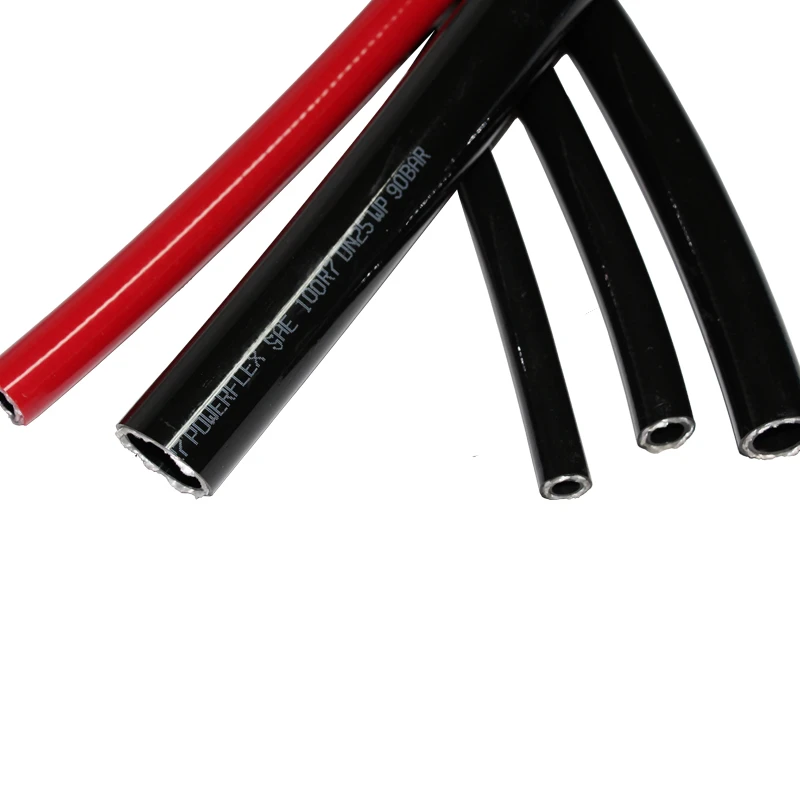
| Material | Multi-layered synthetic rubber with heavy-duty steel wire reinforcement |
| Inner Diameter Range | 3" to 8" (75mm to 200mm) |
| Working Pressure | Up to 30 MPa (4350 psi) |
| Temperature Range | -40°C to +80°C (-40°F to +176°F) |
| Abrasion Resistance | High (ASTM D3702 standard compliant) |
| Length Options | Custom cut to order, typically 10-20 meters |
By the way, I recall a project a few years back in Colorado where the crew switched to a premium concrete pump tube that featured enhanced anti-abrasion layers. We expected some minor delays due to tough mountainous terrain, but the tubes held up admirably—no unexpected stoppages and less wasting of concrete. That alone saved the general contractor a few thousand dollars. Seems small, but in real terms, those efficiencies add up quickly.
Comparing Leading Concrete Pump Tube Vendors
| Vendor | Material Quality | Pressure Rating | Customization Options | Average Lifespan | Price Range |
|---|---|---|---|---|---|
| Hydraulic Hose Plus | Premium Synthetic Rubber with Steel Wire | Up to 30 MPa | Custom lengths, diameter & fittings | 12–18 months (heavy use) | $$$ (mid to high) |
| Vendor B | Standard Rubber Composite | Up to 25 MPa | Limited customization | 9–12 months | $$ (budget) |
| Vendor C | High-Grade Rubber, No Steel Reinforcement | Up to 18 MPa | Standard lengths only | 6–9 months | $ (low) |
In my experience, when you’re choosing your concrete pump tube, it’s about more than price. It’s about reliability under pressure (literally), smooth delivery, and resistance to abrasion—because anything less means downtime. And frankly, downtime costs a lot more than a few extra dollars on parts.
So yes, while it sometimes feels like just another hose, this piece of equipment quietly supports the whole concrete delivery process. Many engineers I’ve worked alongside would nod in agreement—it’s worth investing in quality from vendors who back their products with proven specs and solid support.
To wrap it all up: a robust, well-made concrete pump tube isn’t glamorous, but it’s indispensable. Next time you’re reviewing equipment specs, I suppose give that tube some thought. It might just save your project.
References:
1. ASTM D3702 Standard Test Method for Rubber Abrasion Resistance,
2. Industry case studies from various U.S. construction sites, 2018–2023,
3. Personal communications with Hydraulic Hose Plus technical team, 2023.
Product Application