

What Exactly is a Thermoplastic Rubber Hose and Why Should We Care?
At first glance, a thermoplastic rubber hose might sound like a mouthful of industrial jargon, but it’s really a fascinating piece of engineering with some surprisingly wide-reaching impacts. Put simply, this hose is a flexible tubing made by combining thermoplastic materials with rubber-like elasticity, designed to withstand demanding environments — from high pressure to harsh chemicals. In a world where industries and humanitarian efforts rely on fast, reliable fluid transfer, learning about these hoses isn’t just technical curiosity; it’s about embracing tools that can shape solutions to some global challenges.
Why does this matter on a global scale? Whether it’s delivering clean water in remote areas or safely transferring fuels in sprawling industrial complexes, the durability and versatility of thermoplastic rubber hoses prove essential. Understanding them means better safety protocols, longer-lasting infrastructure, and sometimes even lives saved.
Mini takeaway: Thermoplastic rubber hoses blend flexibility and toughness to become indispensable in global industries and emergency responses alike.
Global Context: Why Thermoplastic Rubber Hoses Are More Relevant Than Ever
Across continents, industries are evolving rapidly. According to ISO standards and World Bank reports, infrastructure projects involving fluid transport are expected to grow by over 5% annually worldwide — that’s huge when you consider everything from oil & gas pipelines to agricultural irrigation systems. At the same time, humanitarian organizations face increasing pressures to deploy equipment fast during crises, where unreliable hoses can lead to catastrophic water shortages or chemical spills.
Oddly enough, while technology often means “cutting-edge gadgets,” sometimes it’s about perfecting humble, rugged components like hoses that quietly underpin huge systems. The challenge? Traditional rubber hoses can degrade quickly under UV exposure or certain chemicals, and metal alternatives often lack flexibility. Thermoplastic rubber hoses partly solve these problems with lighter weight, greater chemical resistance, and easier maintenance.
Mini takeaway: The global demand for versatile, reliable hoses is driven by expanding infrastructure needs and vulnerable communities requiring rapid, durable solutions.
Defining the Thermoplastic Rubber Hose
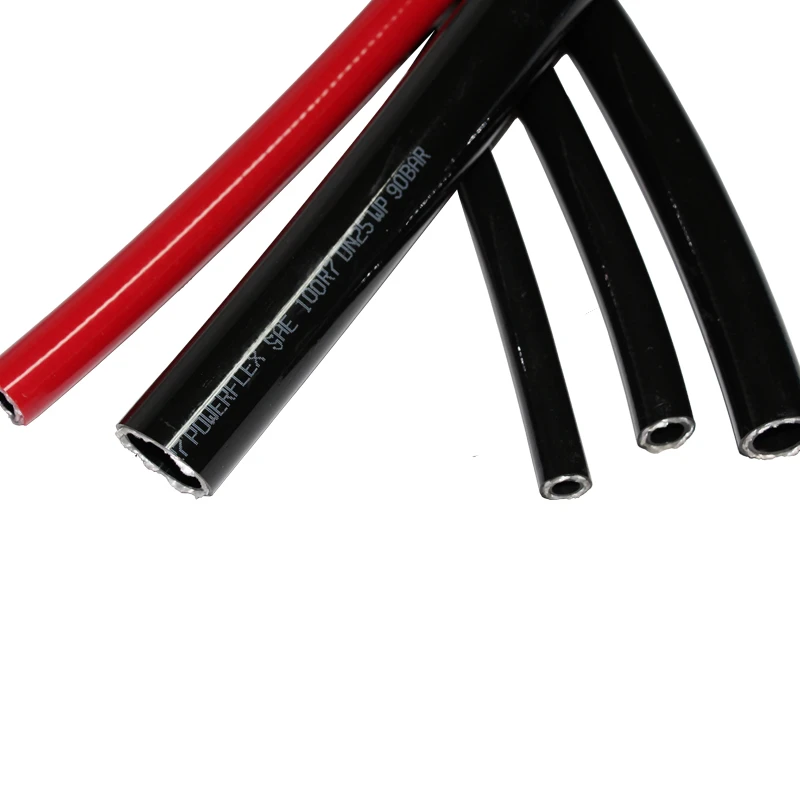
So, what exactly is a thermoplastic rubber hose? Think of it as a hose built by combining thermoplastics—plastics that become pliable on heating—with elastomeric (rubber-like) materials that give it stretch and bounce. This hybrid construction makes the hose extremely flexible without compromising strength.
This isn’t just a fancy pipe for your garden. Industries like chemical processing, automotive manufacturing, agriculture, and disaster relief rely on these hoses to move liquids and gases safely. For example, when NGOs need to rapidly set up water distribution in flood-affected areas, the quick deployment and reliability of these hoses can mean the difference between chaos and order.
Mini takeaway: Thermoplastic rubber hoses offer an elegant engineering mix: thermoplastic rigidity with rubber elasticity, perfect for demanding industrial and humanitarian applications.
Core Features that Make Thermoplastic Rubber Hoses Stand Out
Durability and Chemical Resistance
Many engineers say durability is key—and here, thermoplastic rubber hoses shine. They resist cracking from UV rays, chemicals, and abrasion better than many traditional hoses. This means longer service life, especially in harsh industrial or outdoor environments. Imagine pumping fertilizers or corrosive liquids without the usual wear and tear.
Flexibility and Lightweight Design
Strictly speaking, these hoses are light but tough. The thermoplastic layer keeps weight down (making them easier to handle in the field), while the rubber component grants much-needed flexibility — bend without kinks or restriction. This is vital for installations in tight spaces or for mobile applications.
Temperature Tolerance
Operational environments can swing widely in temperature. Thermoplastic rubber hoses typically endure anywhere from -40°C up to +120°C (some specialized models reach even further). This broad range ensures that cold climate operations or high-heat industrial processes are covered.
Cost Efficiency Over Time
At first, these hoses may appear pricier than some older rubber hoses. But factor in their longevity, reduced maintenance, and less downtime, and the cost-benefit ratio swings in their favor. Less frequent replacements also mean fewer disruptions.
Easy Customization
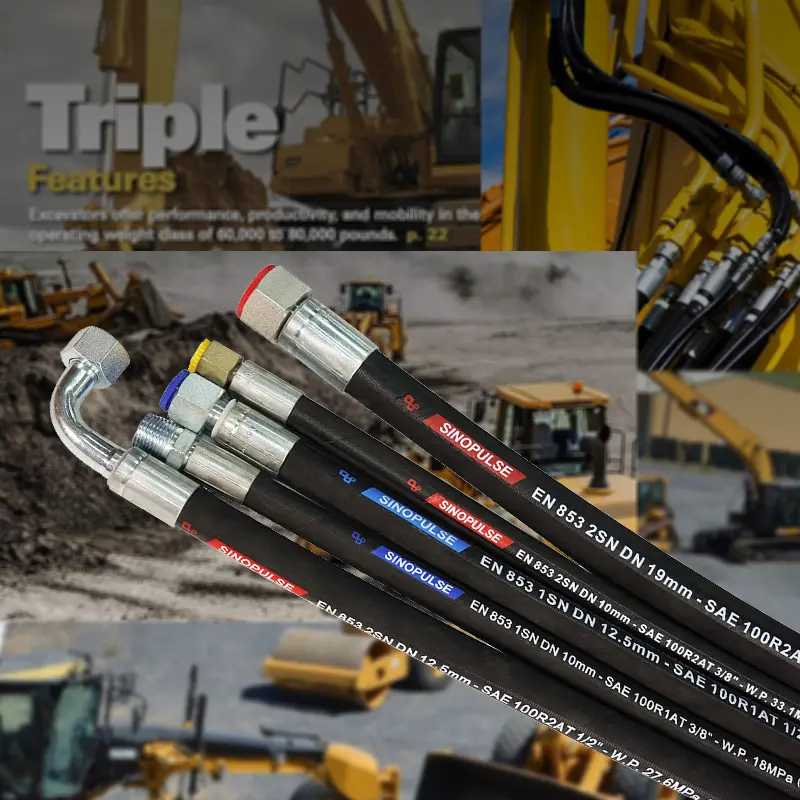
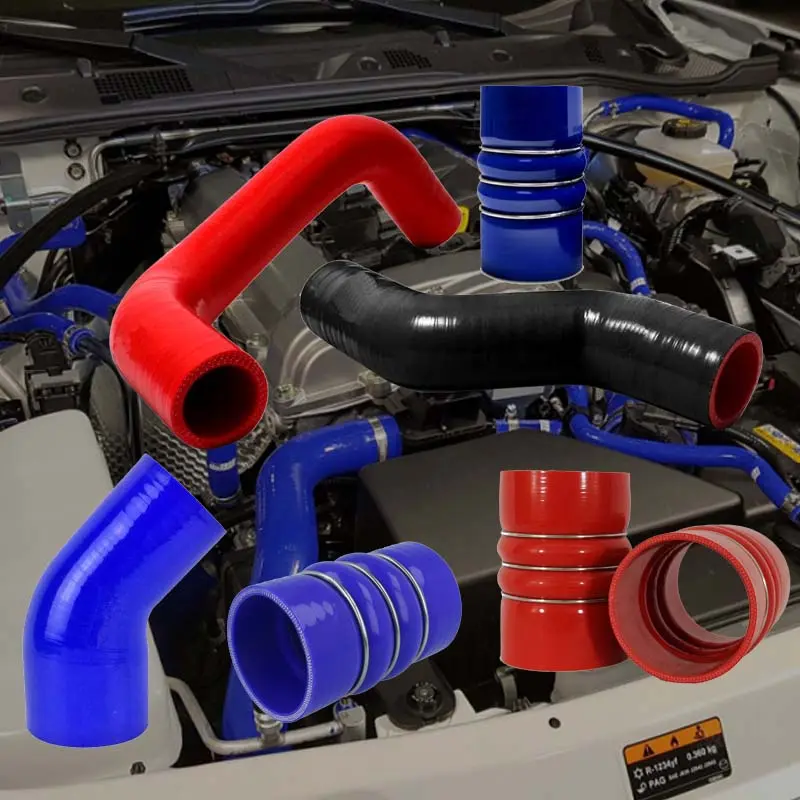
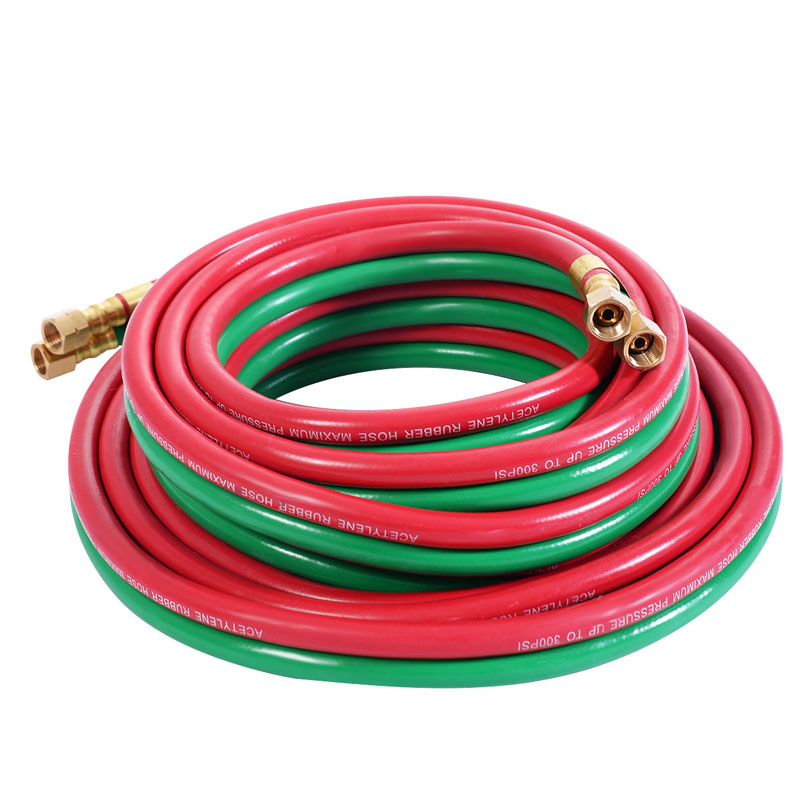
Manufacturers can tailor hose diameters, wall thicknesses, and connector fittings to meet precise application needs. This versatility means solutions are ready for everything from subtle automotive fluid transfer to heavy-duty construction equipment hydraulic lines.
Mini takeaway: Durability, flexibility, temperature resilience, cost benefits, and customization collectively make thermoplastic rubber hoses a smart choice for complex workflows.
How Are Thermoplastic Rubber Hoses Used Around the World?
From sprawling industrial petrochemical plants in the Middle East to agricultural irrigation networks in Latin America, these hoses play a vital role. In disaster-prone regions, such as Southeast Asia or the Philippines, emergency teams deploy thermoplastic rubber hoses for quick water distribution after floods or typhoons.
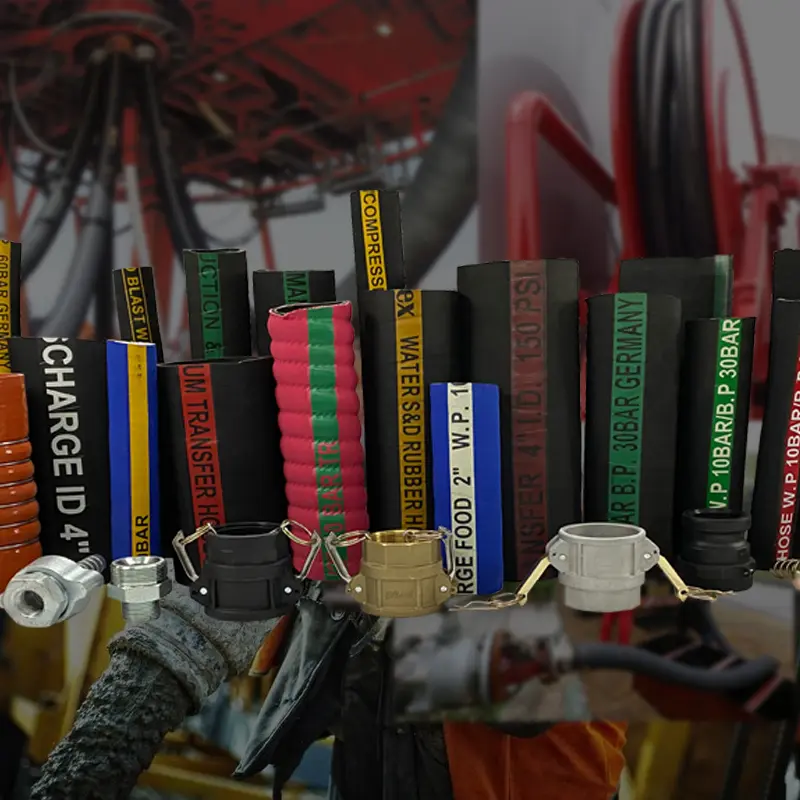
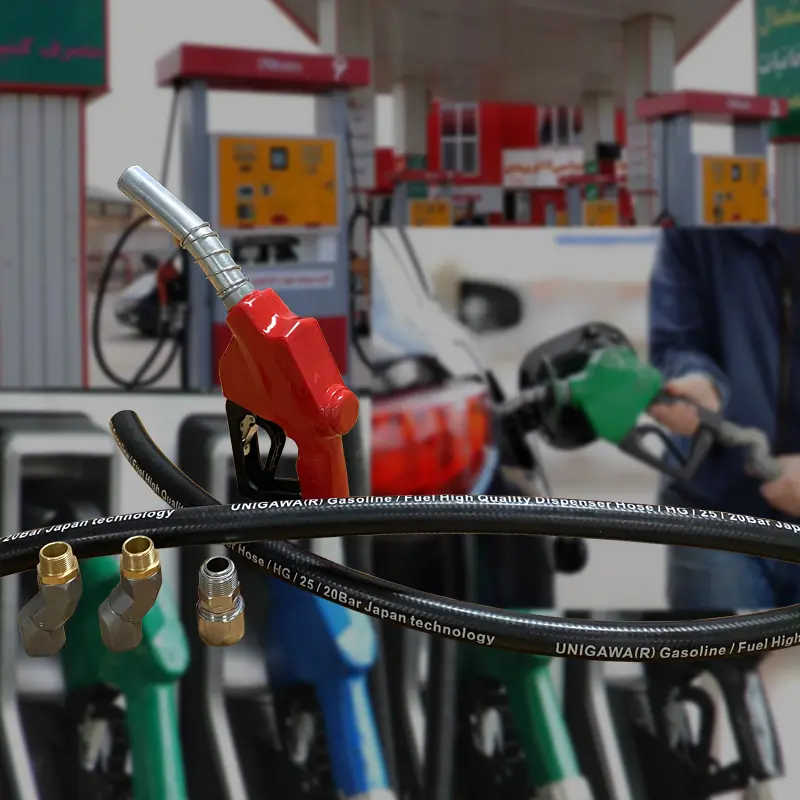
- Oil & Gas: They safely transfer fuels and lubricants, resisting corrosive chemicals and temperature extremes.
- Agriculture: Farmers use these hoses for chemical spraying, irrigation, and machinery fluid transfer.
- Construction & Mining: Durable enough to handle abrasive materials and rough handling on site.
- Humanitarian Aid: Organizations like the UN and Red Cross select these hoses for rapid water relief kits.
For example, in a recent UN water project in East Africa, thermoplastic rubber hoses enabled rapid deployment of clean water delivery systems in refugee camps—cutting setup time nearly in half compared to conventional options.
Mini takeaway: Their adaptability makes thermoplastic rubber hoses a critical asset in diverse environments, from heavy industry to life-saving disaster relief.
Advantages & Long-Term Value
The benefits go beyond mere specs. Operators trust these hoses to perform consistently, reducing the risk of failures that can cause environmental harm or endanger workers. The lightweight nature reduces fatigue for field workers handling heavy gear all day.
Environmentally, longer hose lifespan means less rubber waste. Some manufacturers also now incorporate recyclable thermoplastics, aligning with corporate sustainability goals.
There’s also a human side that shouldn’t be overlooked: reliable hoses mean safer working conditions, preventing dangerous leaks or ruptures. This, combined with cost-effective maintenance, encourages adoption across both developed and emerging markets.
Mini takeaway: Thermoplastic rubber hoses bring safety, sustainability, performance reliability, and even social responsibility into one package.
Looking Ahead: Trends and Innovations in Hose Technology
Innovation keeps heating up in this field. Some interesting directions include:
- Eco-friendly materials: New bio-based thermoplastics and rubber composites reduce carbon footprint.
- Smart hose technology: Embedded sensors to monitor pressure, temperature, and wear in real time.
- Enhanced chemical resistance: For handling ever more aggressive industrial fluids.
- Digital manufacturing techniques: 3D printing to create custom hose fittings or flexible connectors.
Such innovations could make these hoses even more indispensable in a future driven by sustainability and digital transformation.
Mini takeaway: Smart, green, and tech-savvy hose solutions are set to redefine how industries and aid agencies deploy fluid transfer systems.
Challenges and Possible Solutions
Of course, no technology is perfect! Thermoplastic rubber hoses can struggle with extremely high pressures beyond 300 psi, limiting some heavy industrial applications. Resistance to certain solvents remains a work-in-progress.
Quality control during manufacturing is critical; subpar components lead to premature failures. Many experts recommend rigorous ISO-certified production and periodic testing—including burst and fatigue tests—to guarantee reliability.
Finally, educating users on proper installation and maintenance makes a huge difference. Even the best hose won’t last if bent sharply against edges or exposed to incompatible chemicals over time.
Mini takeaway: Rigorous standards, quality materials, and user training are keys to overcoming current hose limitations.
Frequently Asked Questions About Thermoplastic Rubber Hose
- Q1: What makes thermoplastic rubber hoses better than traditional rubber hoses?
- A1: They combine the flexibility of rubber with the strength and chemical resistance of thermoplastics. This results in lighter, more durable hoses suited for wider environmental conditions and longer lifespan.
- Q2: Can these hoses handle extreme temperatures?
- A2: Yes, typically from -40°C to +120°C; special models may extend this range. This makes them highly adaptable for cold climates and hot industrial processes.
- Q3: Are thermoplastic rubber hoses recyclable or eco-friendly?
- A3: Increasingly so. Many manufacturers use recyclable thermoplastic compounds. Still, recycling infrastructure varies regionally, so check manufacturer specs for eco-certifications.
- Q4: How do I maintain and extend the life of these hoses?
- A4: Avoid sharp bends, exposure to incompatible chemicals, and prolonged UV exposure without protection. Regular inspection and cleaning will also help prevent premature wear.
- Q5: Can I customize these hoses for specific applications?
- A5: Absolutely. Vendors typically offer a range of diameters, wall thicknesses, and connector types to tailor solutions for various industrial and humanitarian needs.
Product Specifications Table
| Specification | Typical Range | Notes |
|---|---|---|
| Diameter | 6 mm – 50 mm | Varies by model, custom sizes available |
| Operating Pressure | Up to 300 psi (≈20 bar) | Higher pressure models exist |
| Temperature Range | -40°C to 120°C | Some variants up to 150°C |
| Material Composition | Thermoplastic + Elastomeric compound | Varies by application |
| Weight | 0.2 – 0.7 kg/m | Significantly lighter than all-rubber hoses |
Vendor Comparison Table
| Vendor | Max Pressure | Customization Options | Eco-friendly Materials | Typical Lead Time |
|---|---|---|---|---|
| AlphaHoses Co. | 300 psi | Diameter, fittings, color | Partial (30% recycled content) | 4–6 weeks |
| FlexPipe Solutions | 350 psi | Full custom design | Yes (bio-based polymers) | 6–8 weeks |
| GlobalHose Ltd. | 280 psi | Standard sizes & fittings | No | 2–4 weeks |
Wrapping Up: Why Thermoplastic Rubber Hoses Matter Long-Term
So, what’s the takeaway here? These hoses fit right in where complexity meets practicality — supplying robust, adaptable solutions for industries and aid organizations worldwide. The blend of durability, flexibility, and emerging green materials signals a bright future. Honestly, knowing a little about them can make a real difference when spec’ing parts for infrastructure projects or coordinating disaster relief kits.
If you want to explore or source high-quality thermoplastic rubber hoses tailored for your needs, check out thermoplastic rubber hose offerings from trusted vendors. Innovation in fluid transfer devices like these quietly powers the wheels of modern industry and humanitarian aid, and that’s pretty cool up close.
References
Product Application