

Understanding DIN EN 853 2SN: The Backbone of Hydraulic Hose Standards
When we talk about industrial hydraulic systems, most of us don’t think twice about what keeps those powerful machines operating smoothly — but there’s a quiet hero behind the scenes: DIN EN 853 2SN. This seemingly cryptic standard is a fundamental specification that ensures hydraulic hoses perform reliably, safely, and efficiently in a variety of applications worldwide. Why does it matter globally? Because from construction sites in Europe to oil fields in the Middle East, adherence to this standard underpins productivity and safety — literally holding things together.
Quick takeaway: DIN EN 853 2SN creates uniformity in hydraulic hose manufacture, helping industries worldwide achieve consistent quality and durability.
Global Context: Why DIN EN 853 2SN Is Essential
The hydraulic hose market is projected to grow significantly, driven by industries like agriculture, mining, and manufacturing. According to recent ISO and industry reports, hydraulic systems face increasing demand for higher pressures, temperatures, and durability. However, this growth brings challenges: inconsistent hose quality can cause failures, downtime, and even safety risks.
This is where DIN EN 853 2SN comes in. Standardized under the European Norm (EN) and originally from the Deutsches Institut für Normung (DIN), the 2SN classification specifies hose constructions that meet stringent criteria for pressure ratings and performance consistency — a lifesaver in high-stakes industrial environments.
Mini takeaway: With global industrialization accelerating, the standard combats risks related to hose failure by promoting uniform engineering benchmarks.
What Is DIN EN 853 2SN?
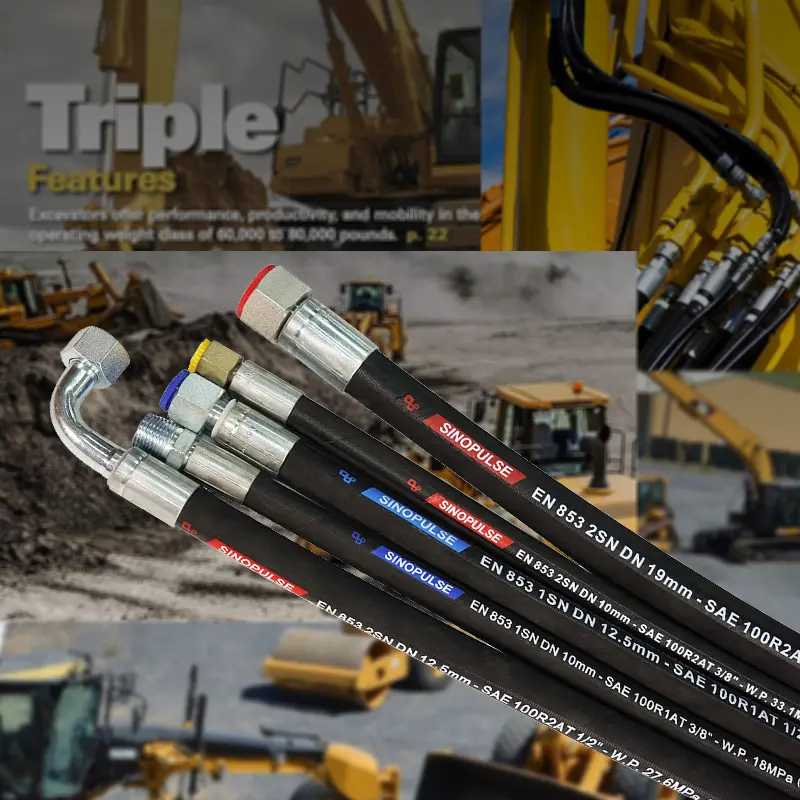
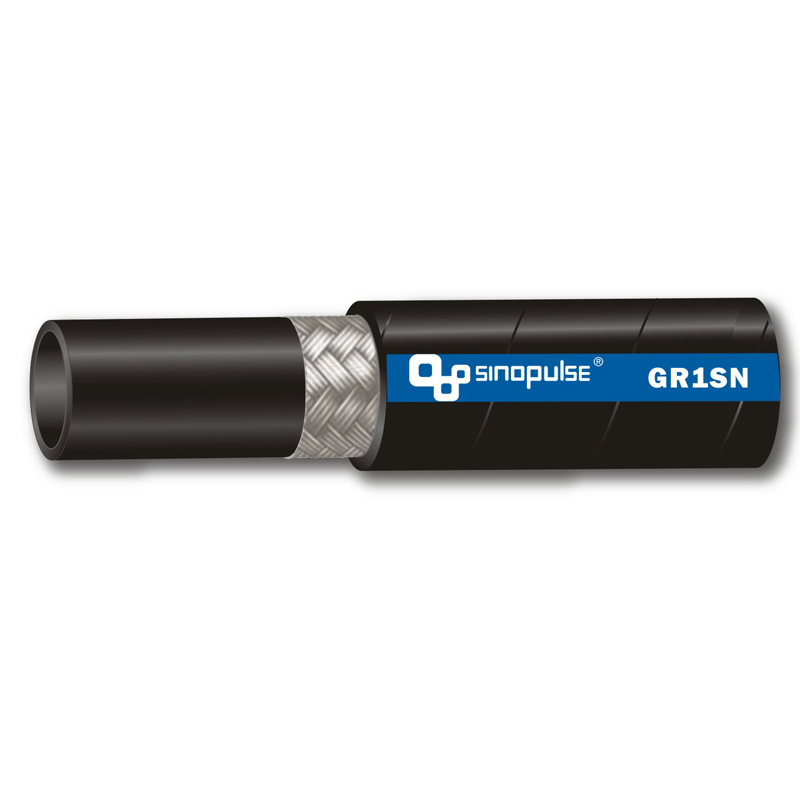
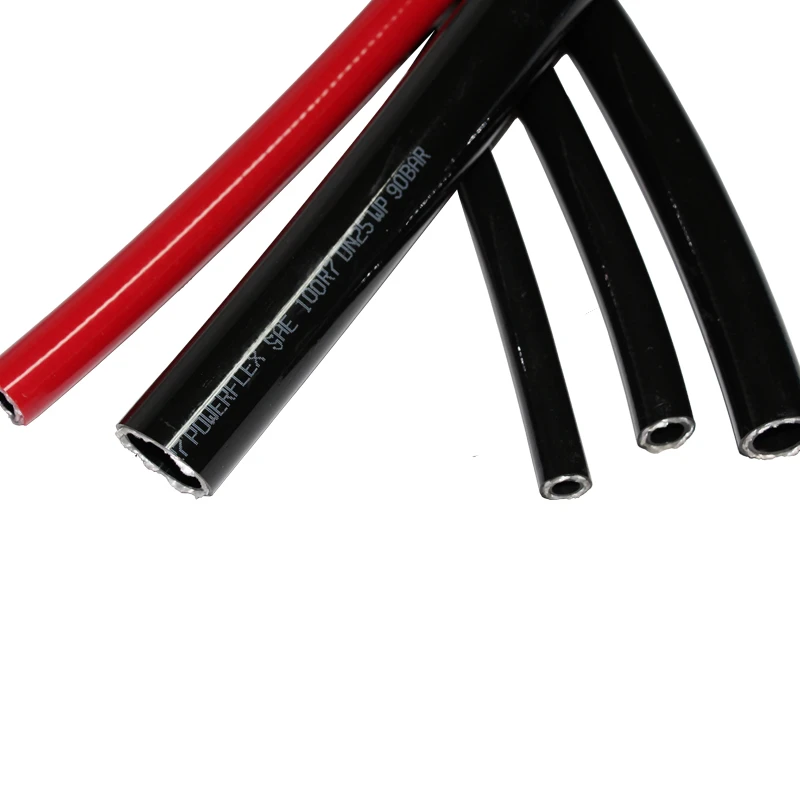
Let’s keep it simple. DIN EN 853 2SN describes a specific type of hydraulic hose construction defined by two layers of steel wire reinforcement (that’s roughly what the ‘2’ and ‘SN’ stand for). This reinforcement allows the hose to withstand higher pressures and mechanical stresses than one-wire or textile-reinforced hoses.
Think of the hose like a tough, flexible artery carrying hydraulic fluid that powers machinery. The 2SN hoses must comply with set metrics for inner diameter, material types, burst pressure, and flexibility. These are not random specs; they tie directly into how industries safely move fluids and operate complex equipment everywhere.
Key Components and Characteristics
- Durability: The dual steel wire braid ensures longer lifespan under harsh pressures and temperature fluctuations.
- Pressure Rating: DIN EN 853 2SN hoses usually handle pressures from 210 to 350 bar — critical when you need reliability without surprises.
- Temperature Range: Able to operate in environments from -40°C to +120°C, good for everything from Arctic rigs to desert machinery.
- Material Quality: High-grade rubber inner tubes resist oil, abrasion, and aging, maintaining fluid purity and hose integrity.
- Flexibility: Even with wire braiding, these hoses maintain reasonable flexibility for installation in tight spaces.
- Safety: Tested to meet European safety standards, lowering workplace injury risks caused by hose bursts.
In essence: The 2SN hose is a sturdy, well-tested solution balancing toughness and usability — a real all-rounder.
Product Specification Table: Typical DIN EN 853 2SN Hose
| Parameter | Specification |
|---|---|
| Inner Diameter Range | 6 mm to 51 mm |
| Working Pressure | 210 - 350 bar (varies by size) |
| Burst Pressure | 4:1 safety factor over working pressure |
| Temperature Range | -40°C to +120°C |
| Reinforcement | Two layers of steel wire braid |
| Cover Material | Abrasion & weather-resistant synthetic rubber |
Where Is DIN EN 853 2SN Used Worldwide?
This hose standard isn’t a niche item. You’ll find it powering hydraulic lifts in European construction, driving excavators in Canadian mining, assisting irrigation systems in Australia, and even supporting heavy-duty vehicles in the Gulf’s oil fields.
Industries relying on high-pressure hydraulics regularly choose 2SN hoses for:
- Heavy machinery like bulldozers and cranes
- Hydraulic presses in manufacturing plants
- Mobile hydraulic equipment used in logging and agriculture
- Aerospace ground support equipment
- Emergency and firefighting vehicles
Oddly enough, the consistent adoption of DIN EN 853 2SN hoses across such diverse fields boils down to one thing: trust. When the hose bursts, everything stops, so knowing the standard is met can save time, money, and even lives.
Vendor Comparison of DIN EN 853 2SN Hydraulic Hoses
| Vendor | Pressure Range (bar) | Material Quality | Compliance | Warranty |
|---|---|---|---|---|
| HosePro | 210-315 | Premium rubber & high-tensile steel braid | DIN EN 853 2SN, ISO 1436 | 2 years |
| FlexSeal | 210-350 | Resistant synthetic rubber & 2-wire braid | DIN EN 853 2SN | 1.5 years |
| EuroHose | 240-320 | Oil-resistant rubber, corrosion-proof steel braid | DIN EN 853 2SN, EN 857 | 3 years |
Advantages & Long-Term Value of DIN EN 853 2SN Hoses
Frankly, using these hoses is about more than just ticking a standards box. The long-term benefits speak volumes:
- Cost Efficiency: Fewer replacements and breakdowns mean less operational disruption and expense.
- Sustainability: Durable construction reduces waste, plus many manufacturers now offer recyclable or eco-friendly materials.
- Safety: Less chance of catastrophic failure protects workers and equipment.
- Reliability: Predictable performance means equipment can be designed with confidence.
- Innovation Friendly: As technology advances, these hoses support integration into automated and digitally monitored hydraulic systems.
You can almost sense the trust that hydraulics engineers have in their DIN EN 853 2SN hoses. It’s kind of like a reliable teammate on an industrial project — never flashy, but absolutely crucial.
Future Trends & Innovations
Looking ahead, innovations around DIN EN 853 2SN focus on higher pressures, lighter weight materials, and environmental compliance. Nanotechnology-infused rubber compounds and corrosion-resistant alloys will likely appear soon. Plus, embedded sensors for real-time pressure and condition monitoring are quietly making their way into hydraulic hoses.
And with the planet in mind, manufacturers are pushing for more sustainable materials and recycling programs that align with global environmental standards. So not only will your hose perform under pressure — it might just play a part in the green revolution, oddly enough.
Challenges & Solutions in the Field
No standard is perfect, right? One issue engineers face is premature hose failure caused by improper installation or operating conditions outside those prescribed by DIN EN 853 2SN. Sometimes hoses are exposed to abrasion or chemical attack beyond their cover’s capability. These problems can often be solved by:
- Proper training on hose handling and installation
- Using hose guards or protective sleeves in tight or abrasive environments
- Regular inspection and maintenance schedules
- Tailoring hose selection to specific environments (considering temperature, media, and pressure)
Addressing these challenges head-on increases lifespan and safety dramatically.
FAQs About DIN EN 853 2SN
- Q: How do I know if my hydraulic hose is truly DIN EN 853 2SN certified?
- A: Always request official documentation or certification from your supplier. Reputable vendors provide test reports verifying compliance with DIN EN 853 2SN and related ISO standards.
- Q: Can DIN EN 853 2SN hoses be used with all hydraulic fluids?
- A: Generally yes, but it depends on the inner tube material. Most 2SN hoses resist mineral oils and some synthetic fluids. For specialty fluids, verify compatibility with the manufacturer.
- Q: What is the expected service life of a 2SN hose?
- A: Life expectancy varies by use conditions but typically ranges from 3 to 7 years with proper maintenance and suitable operating environment.
- Q: Are there alternatives to DIN EN 853 2SN hoses for higher pressure needs?
- A: Yes. EN 856 4SP hoses offer four layers of steel wire reinforcement and support even higher pressures for demanding applications.
Conclusion: Why You Should Care About DIN EN 853 2SN
At the end of the day, DIN EN 853 2SN is more than just a technical specification. It’s a global benchmark that ties together quality, safety, and efficiency across industries that truly matter to modern infrastructure. Investing in compliant hydraulic hoses is investing in peace of mind, reduced downtime, and better operational performance.
If you want to explore quality options or verify your current hose system, visit our website: https://www.hydraulichoseplus.com — we’re happy to help you get it right the first time.
Final thought: Hydraulic hoses may seem humble, but standards like DIN EN 853 2SN are what keep the industrial world flowing — literally.
References:
1. Wikipedia - Hose
2. ISO 1436: Hydraulic hoses - Specification
3. European Commission - European Standards
Product Application