

Understanding din en 853 1sn: The Backbone of Reliable Hydraulic Hose Systems
If you work around hydraulic systems, or even if you’re just curious about how industrial machinery keeps running smoothly, you’ve likely come across din en 853 1sn. But what is this standard, really? Why does it hold such global importance? In simple terms, din en 853 1sn is a specific classification of hydraulic hoses designed to ensure durability, safety, and performance in demanding conditions — think industries like construction, manufacturing, and even humanitarian relief operations.
Understanding it isn’t just for engineers or technicians; it’s critical for anyone invested in sustainable, efficient industrial design. The benefits? Better safety margins, longer equipment lifespan, and ultimately, reduced downtime and costs. Let’s break this down a little more...
Introduction: The Global Context of DIN EN 853 1SN
Hydraulic hose standards might sound niche, but they actually ripple across global industries worth billions. According to the ISO reports, standardized hydraulic components help reduce accidents by 20-30% and optimize performance worldwide. This is crucial because faulty hoses can cause leaks or failures leading to environmental hazards or costly shutdowns.
Oddly enough, even in rapidly developing economies where industrial expansion fuels growth, many operators overlook hose conformity, risking efficiency and safety. The DIN EN 853 1sn standard specifically addresses challenges of durability under high pressure and abrasion — and that makes all the difference.
What is din en 853 1sn?
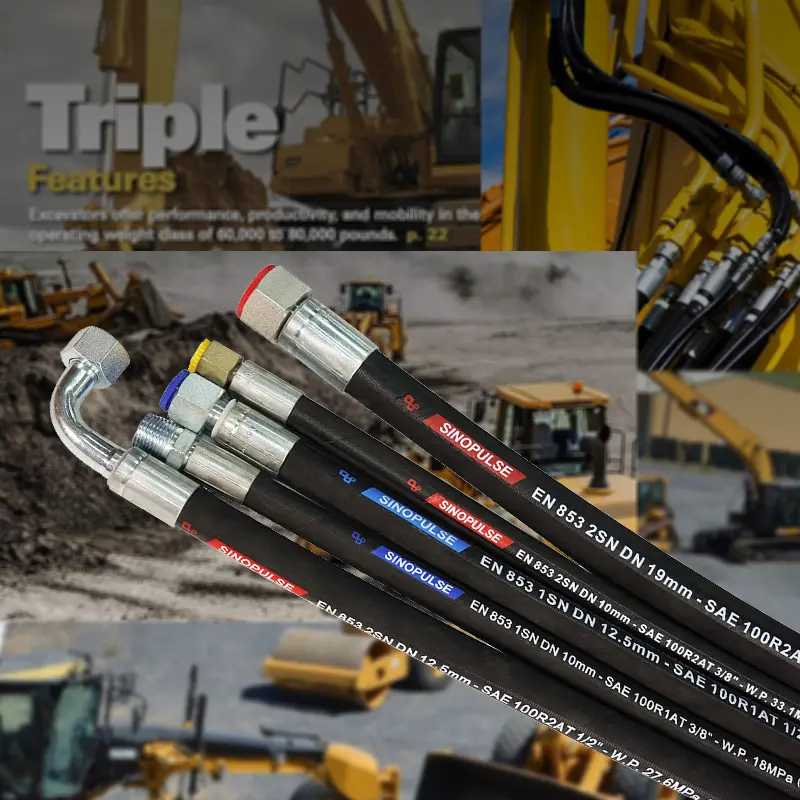
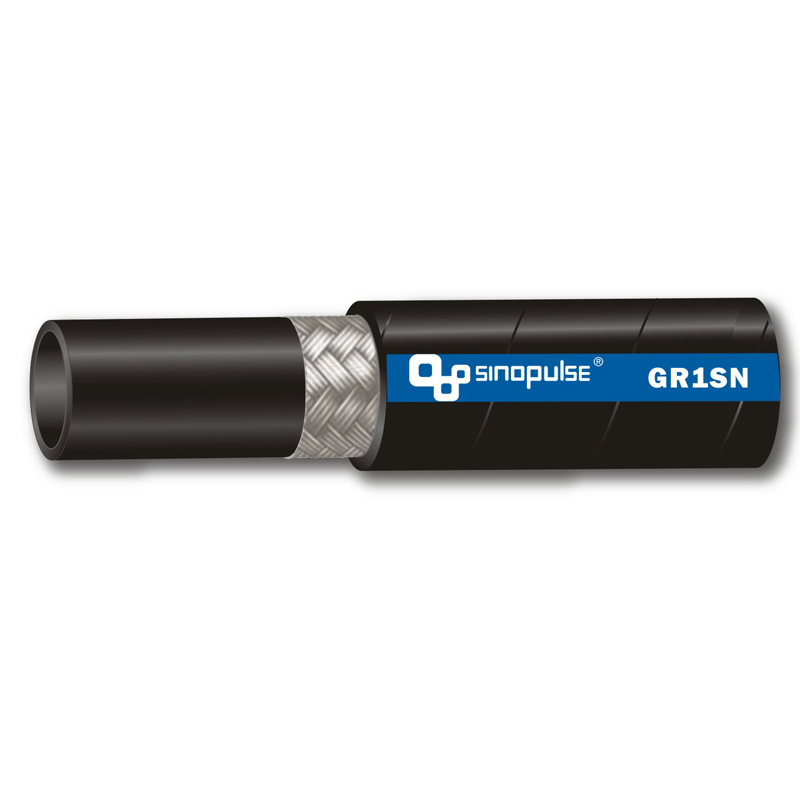
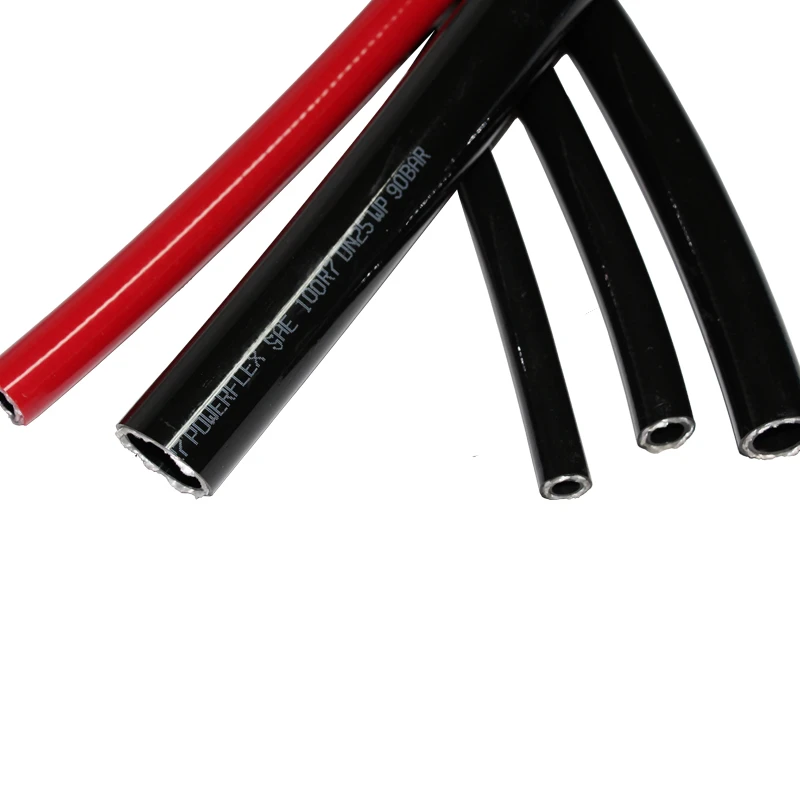
At its core, DIN EN 853 1sn defines a single wire braid hydraulic hose construction, tested and certified under European norms (DIN being the German Institute for Standardization, EN for European Norm). This hose is designed to handle medium pressure hydraulic fluids, usually in petroleum-based oils or water-glycol mixtures.
Simply put: it’s a resilient pipe made of rubber with a steel wire braid reinforcement, meant to transmit hydraulic fluid without leaks or bursts, even in harsh working environments. This robustness makes it integral for modern machinery — whether it’s a bulldozer, a farming tractor, or emergency pumps in disaster zones.
Core Components & Why They Matter
- Durability: The wire braid reinforcement prevents hose rupture and manages the pressure exerted by hydraulic fluids. This extends operational life, reducing replacements.
- Flexibility: Engineers design these hoses to bend easily around complex machinery layouts without kinking — vital in tight production lines or vehicles.
- Compatibility: The inner tube’s chemical resistance ensures fluid purity and prevents hose degradation, important for systems requiring precision.
- Pressure Rating: Based on size and construction, these hoses manage pressures typically from 160 to 400 bar, covering many industrial applications.
- Temperature Range: Usually operational between -40°C and +100°C, ensuring function in cold outdoor climates or heated environments.
In real terms, these factors combine to give operational reliability that’s frankly hard to overstate. You get fewer leaks, safer workers, and overall smoother workflows.
Global Applications & Use Cases
The reach of din en 853 1sn is truly worldwide — you’ll find it running through:
- Heavy machinery on construction sites across North America and Europe
- Agricultural equipment in South America’s vast farms
- Marine hydraulic systems maintaining stability and control
- Post-disaster relief setups where portable hydraulic pumps handle debris removal and water pumping
For example, in the aftermath of floods or hurricanes, humanitarian teams rely on hydraulic systems fitted with hoses meeting strict standards to keep operations safe and reliable. The same standard appears in remote industrial zones like offshore oil rigs, where hose failure can spell disaster.
Material Specifications: An Overview
| Specification | Values / Range | Notes |
|---|---|---|
| Hose Type | Single wire braid (1SN) | Standard under DIN EN 853 |
| Operating Pressure | 160 - 400 bar | Depends on hose diameter |
| Temperature Range | -40°C to +100°C | Varies with fluid type |
| Reinforcement | Steel wire braid | Ensures mechanical strength |
| Inner Tube | Synthetic rubber | Oil and fluid resistant |
Vendor Comparison: Leading Suppliers of DIN EN 853 1SN Hoses
| Supplier | Product Range | Price Level | Certifications |
|---|---|---|---|
| Parker Hannifin | Wide, including custom sizes | High | ISO 9001, DIN EN, UL |
| ContiTech | Standard and special hoses | Medium | DIN EN, ISO 14001 |
| Eaton | Wide range, focus on durability | Medium to High | ISO 9001, DIN EN |
Advantages & Long-Term Value
Using hoses compliant with din en 853 1sn means you are investing in:
- Safety: Reduced risk of hose rupture protects workers and equipment.
- Cost Efficiency: Longevity and fewer replacements shrink maintenance budgets.
- Sustainability: Longer hose lifespans mean less waste — important in today’s green-conscious industries.
- Trust: Using certified parts builds confidence among operational teams and clients.
There’s an emotional aspect, too — knowing a machine won’t fail unexpectedly offers peace of mind during critical operations.
Emerging Trends & Innovations
Manufacturers are exploring new materials like advanced thermoplastics and fiber-reinforced composites to increase hose life and reduce weight. The push for sustainability fuels innovation, with bio-based inner tubes and recyclable components entering the market.
Digitization is quietly changing hose management. Sensors embedded in hoses can monitor pressure fluctuations or wear in real time, alerting maintenance teams before failures happen — a gamechanger for predictive maintenance.
Challenges & How to Overcome Them
Despite their strengths, din en 853 1sn hoses can face issues like wear from abrasion, chemical incompatibility in certain fluids, and incorrect installation leading to premature failure. The key is thorough training and selecting the right hose specifications for each application.
Experts recommend routine inspections and embracing new tech tools for better lifecycle management. It’s a reminder that even the best standards depend on good human practices...
FAQ: Practical Questions About DIN EN 853 1SN
- What makes DIN EN 853 1SN hoses preferred over other types?
- These hoses balance strength and flexibility via single wire braiding, making them suitable for many medium-pressure applications. Their standardized testing ensures reliability across industries worldwide.
- Can I use DIN EN 853 1SN hoses with water-based hydraulic fluids?
- Yes, as long as the hose’s inner tube is compatible with water-glycol fluids. Check the manufacturer’s chemical compatibility charts to be sure.
- How often should these hoses be inspected or replaced?
- Inspection frequency varies by use but generally every 6-12 months for heavy-duty applications. Replace hoses showing cracks, leaks, or excessive wear immediately to prevent accidents.
- Are there size variations within the DIN EN 853 1SN classification?
- Absolutely. Sizes typically range from 6mm to 38mm inner diameter, so you can find hoses that fit small industrial robots as well as large excavators.
- Can suppliers customize DIN EN 853 1SN hoses to specific needs?
- Many do, offering options on lengths, fittings, and pressure ratings to suit unique machinery requirements.
Conclusion: Why DIN EN 853 1SN Still Matters
From improving industrial safety to reducing downtime and fostering sustainability, din en 853 1sn hoses are more than just rubber tubes — they’re a fundamental part of modern hydraulic system design. They keep equipment moving, workers safe, and projects on track all over the world.
If you’re looking to upgrade your hydraulic systems or require expert advice on standards compliance, visit our website. We offer tailored solutions and deep expertise to help you get the most from your hydraulic assets.
In the end, it’s about trust in the smallest components that drive the biggest machines.
Quick takeaway: DIN EN 853 1SN hoses might seem small, but their standardized strength and versatility have global implications — from giant construction projects to delicate humanitarian relief efforts.
Product Application