

Understanding Braided Automotive Hoses: A Comprehensive Guide
Braided automotive hoses are a critical component in many vehicle systems, offering superior performance and durability compared to standard rubber hoses. From coolant and fuel lines to turbocharger and power steering applications, these hoses are engineered to withstand high pressures, extreme temperatures, and corrosive fluids. This article provides an in-depth look at braided automotive hoses, their benefits, applications, and factors to consider when choosing the right hose for your needs. We’ll explore why choosing a quality hose, like those offered at Hydraulic Hose Plus, is essential for vehicle reliability and performance.
What are Braided Automotive Hoses?
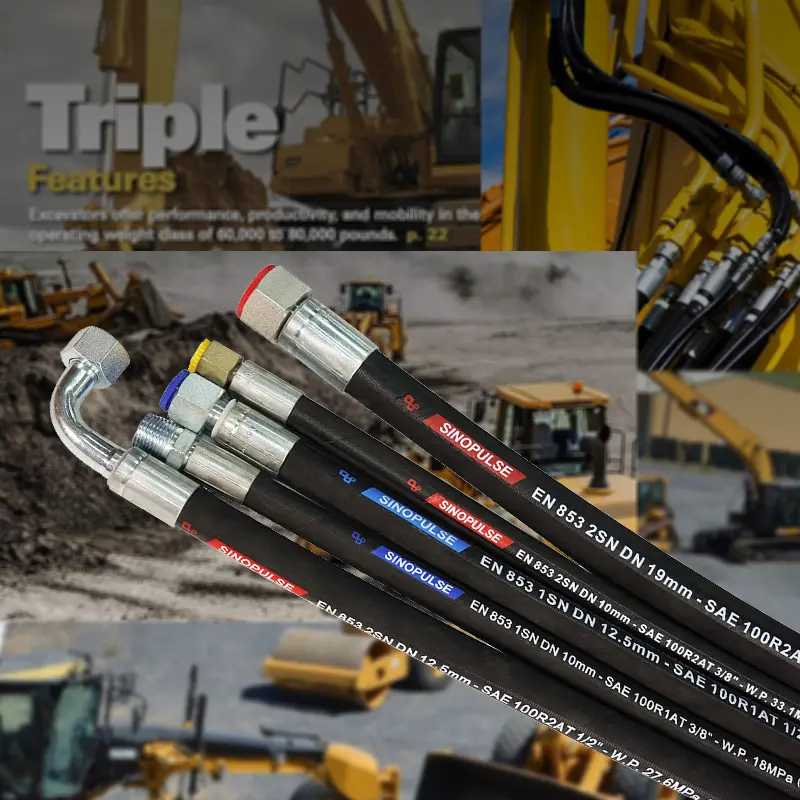
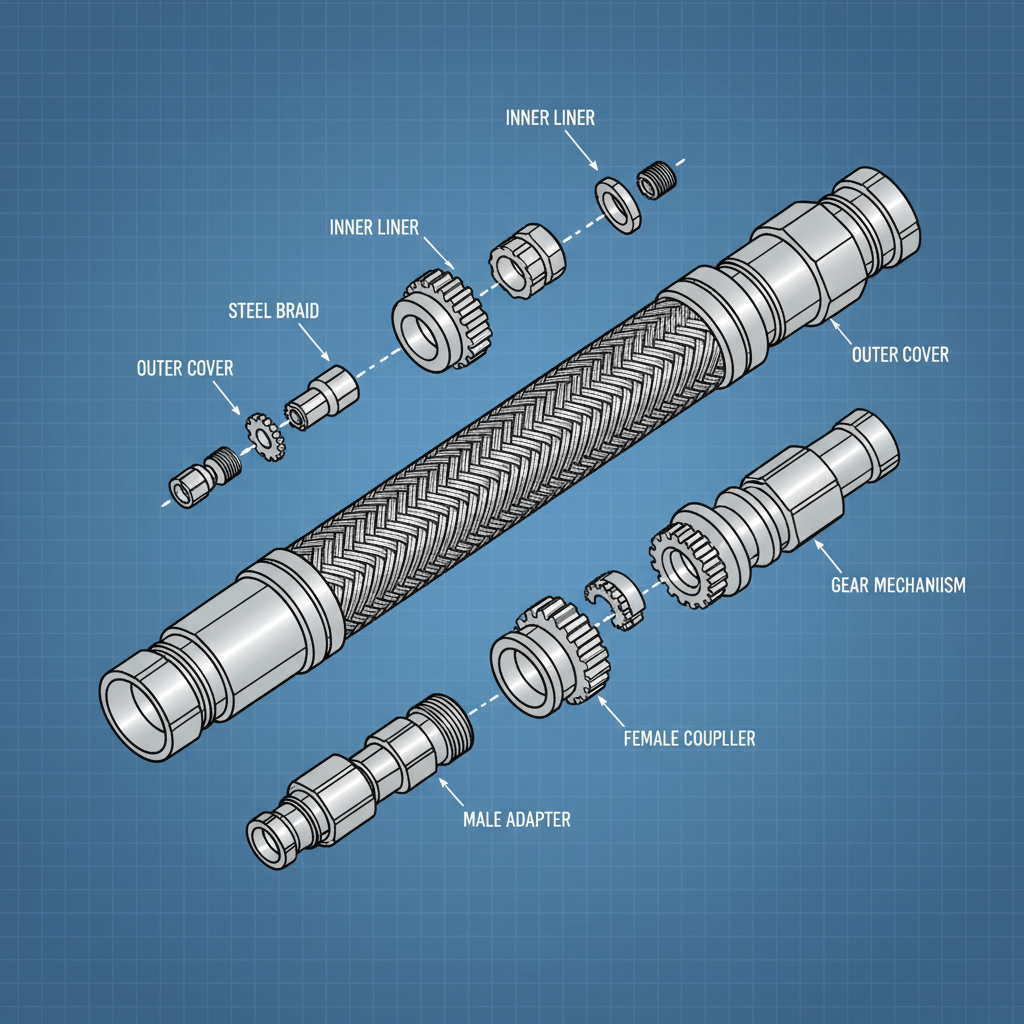
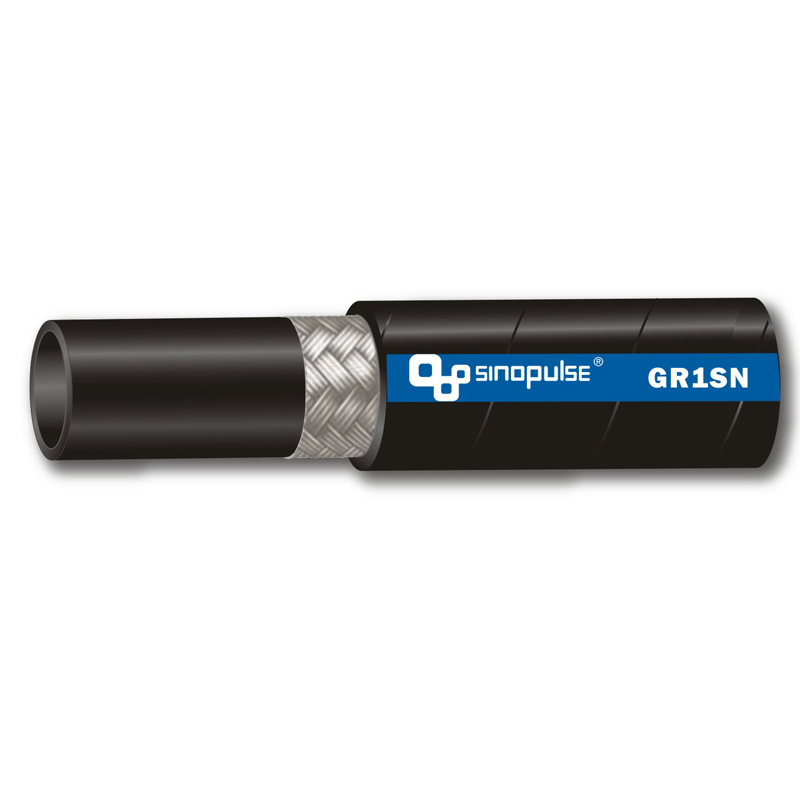
Braided automotive hoses are constructed with multiple layers. The inner core, typically made of synthetic rubber compatible with the fluid being conveyed (e.g., fuel, coolant, oil), provides a fluid-resistant barrier. Surrounding this core are layers of high-strength braided reinforcement, usually stainless steel or nylon. This braiding significantly increases the hose’s burst strength and resistance to pressure, pulsation, and abrasion. An outer cover provides protection against environmental factors like heat, oil, and ozone. The construction is key to their longevity and consistent performance, offering a significant upgrade over traditional rubber hoses.
Key Highlights: Multiple layers of reinforcement provide superior strength and durability, making them ideal for high-pressure and high-temperature applications.
Applications of Braided Automotive Hoses
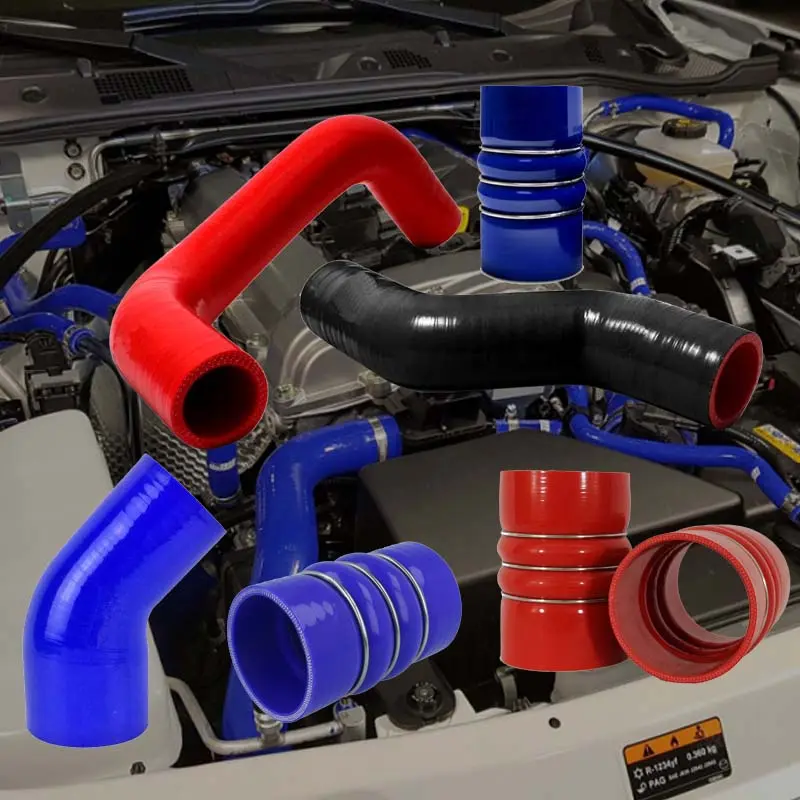
Braided hoses are used in a diverse range of automotive applications where reliability and performance are paramount. Common uses include: turbocharger oil feed and return lines, power steering hoses, fuel lines (including high-pressure fuel injection systems), coolant hoses, and transmission oil cooler lines. Their ability to withstand extreme conditions makes them a preferred choice for performance vehicles, modified engines, and racing applications. Choosing the correct hose for each application is crucial, considering fluid compatibility, pressure ratings, and temperature ranges.
Application Benefits:
• Increased durability and resistance to failure
• Ability to handle higher pressures and temperatures
• Improved fluid compatibility
• Enhanced performance in demanding conditions
Braided vs. Standard Rubber Automotive Hoses
While standard rubber hoses are less expensive, they lack the strength and durability of braided hoses. Rubber hoses are susceptible to swelling, cracking, and degradation from exposure to heat, oil, and chemicals. This can lead to leaks and hose failure, potentially causing engine damage. Braided hoses, with their reinforced construction, offer significantly increased resistance to these factors, extending their lifespan and providing a more reliable performance. The initial investment in braided hoses often proves worthwhile due to reduced maintenance and replacement costs.
Selecting the Right Braided Hose: Factors to Consider
Choosing the correct braided hose requires careful consideration. First, identify the fluid type the hose will be conveying. Different hose materials are compatible with different fluids (e.g., gasoline, diesel, coolant, oil). Next, determine the operating pressure and temperature. Select a hose with a pressure and temperature rating that exceeds these parameters for a safety margin. Finally, consider the hose’s bend radius and length to ensure it fits properly within the engine bay. Hydraulic Hose Plus offers expert advice and a wide selection of hoses to meet your specific needs.
Maintaining and Inspecting Braided Automotive Hoses
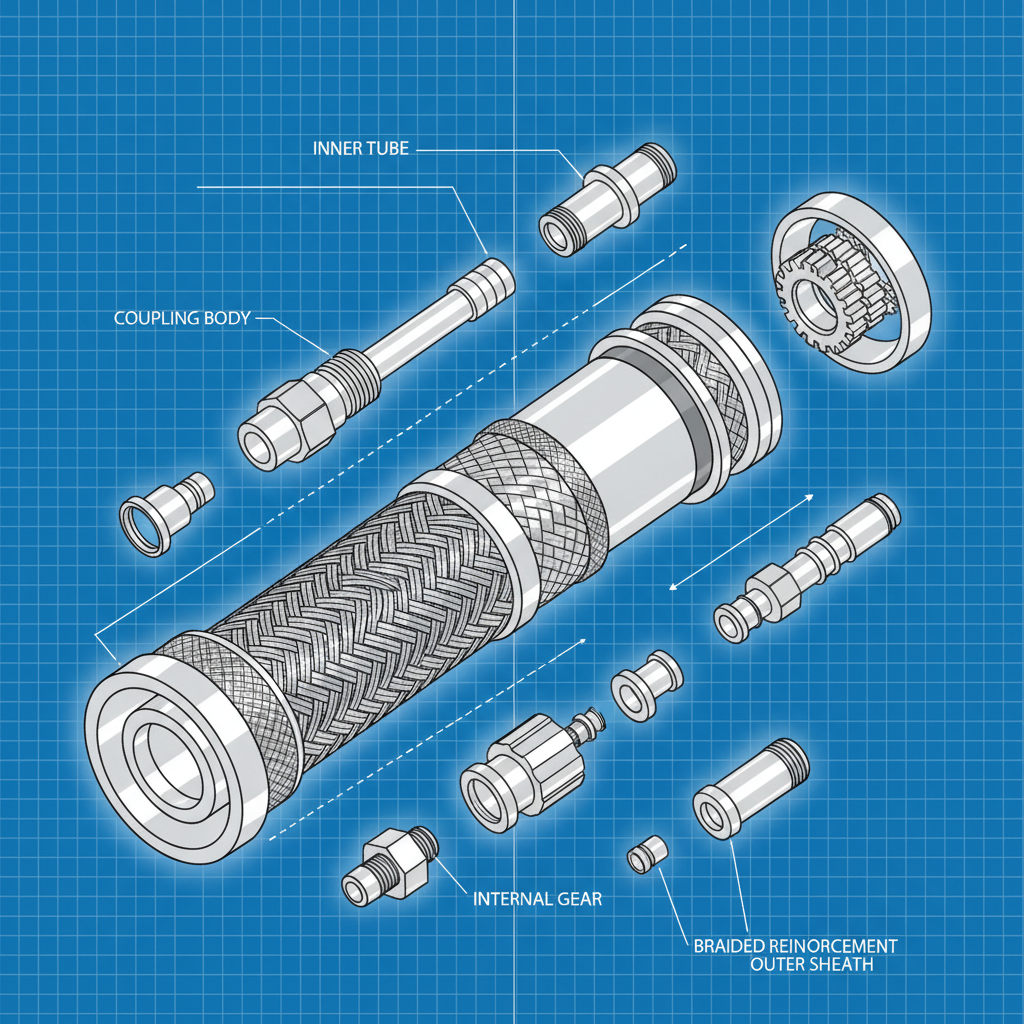
Regular inspection of braided hoses is crucial for maintaining vehicle safety and performance. Check for signs of cracking, abrasion, swelling, or leaks. Pay close attention to the hose ends where fittings are attached. If any damage is detected, replace the hose immediately. Avoid sharp bends or kinks that can compromise the hose’s integrity. Properly securing the hose with clamps and supports will also help extend its lifespan. Preventative maintenance will save you from costly repairs and potential engine damage.
Conclusion: Investing in Quality Braided Hoses
Investing in high-quality braided automotive hoses is a smart decision for any vehicle owner or enthusiast. Their superior durability, pressure resistance, and temperature tolerance provide a significant advantage over standard rubber hoses. By choosing the right hose for your application and performing regular inspections, you can ensure long-lasting performance and peace of mind.
Frequently Asked Questions (FAQs)
What is the typical lifespan of a braided automotive hose?
The lifespan of a braided automotive hose varies depending on operating conditions and maintenance. Generally, they can last 5-10 years, significantly longer than rubber hoses. However, regular inspection for wear and tear, fluid compatibility, and proper installation are crucial for maximizing their lifespan. Exposure to extreme temperatures, harsh chemicals, and excessive pressure can shorten their lifespan. If any signs of damage are observed, immediate replacement is recommended.
Can braided hoses be used with all types of automotive fluids?
No, not all braided hoses are compatible with all fluids. It’s essential to verify the hose material’s compatibility with the specific fluid being conveyed (e.g., gasoline, diesel, coolant, power steering fluid). Different materials (e.g., nitrile rubber, PTFE) offer varying levels of resistance to different chemicals. Using an incompatible hose can lead to swelling, degradation, and ultimately, hose failure. Always consult the manufacturer's specifications or contact a specialist like Hydraulic Hose Plus for guidance.
Are braided hoses difficult to install?
Installation of braided hoses is generally similar to standard rubber hoses, but requires careful attention to detail. Ensure the hose is properly sized for the application and that the fittings are compatible. Properly tightening the fittings is crucial to prevent leaks. Avoid over-tightening, which can damage the fittings or hose ends. If you are not comfortable performing the installation yourself, it is best to consult a qualified mechanic.
What are the benefits of stainless steel braiding over nylon braiding?
Stainless steel braiding offers superior strength, temperature resistance, and abrasion resistance compared to nylon braiding. Stainless steel hoses are generally preferred for high-pressure applications and extreme operating conditions. Nylon braiding is a more cost-effective option for lower-pressure applications where temperature resistance and abrasion resistance are less critical.
Product Application