

Chemical Hose
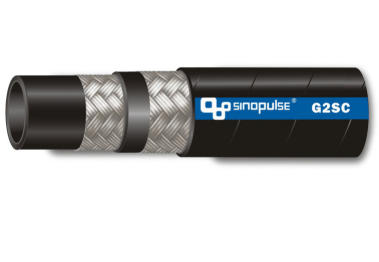
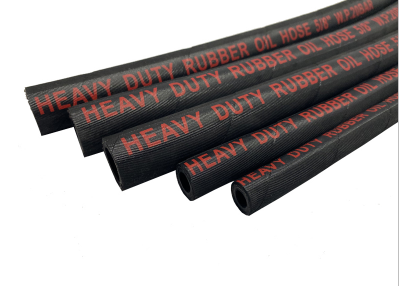
A chemical hose is a type of hose specifically designed to safely transport a wide range of chemicals, including acids, alkalis, solvents, oils, and other hazardous or aggressive liquids. These hoses are made from materials that are resistant to corrosion, chemical attack, and abrasion to ensure safe and effective operation. The inner lining of a chemical hose is typically made from synthetic rubber, PTFE (Teflon), or other specialized compounds that provide a high level of resistance to a variety of chemicals. The outer cover is often reinforced with braided steel wire or textile layers to increase strength and provide protection from mechanical damage. Chemical hoses are used in numerous industries, including chemical manufacturing, pharmaceuticals, agriculture, oil and gas, and food production, where the transfer of hazardous or highly reactive materials is required. For example, in the chemical industry, these hoses are used to transfer industrial chemicals between tanks and processing equipment, while in agriculture, they are used for spraying pesticides and fertilizers. Chemical hoses are also used for transporting fuel and lubricants in the oil and gas industry. Their ability to resist chemical degradation, pressure, and high temperatures makes them indispensable in applications where safety and reliability are paramount.
What Factors Should Be Considered When Selecting a Chemical Hose?
When selecting a chemical hose, it is essential to consider several key factors to ensure this chemical hose is suitable for the specific application. The first factor to evaluate is the compatibility of the hose material with the chemicals being transported. Different chemicals can cause varying levels of degradation to hose materials, so it is crucial to choose a chemical-resistant hose made from materials resistant to the specific chemical types involved. Common materials for chemical hoses, like chemical rubber hoses, include synthetic rubbers (like EPDM and Nitrile), PTFE, and polyethylene, which offer excellent chemical resistance.
The chemical hose’s pressure rating is another important factor. For systems with high-pressure requirements, a high-pressure chemical hose must be selected as it has to handle the system pressure without failing. Additionally, the temperature range is critical, as certain chemicals may need to be transferred at high or low temperatures through the chemical hose.
Flexibility is another important consideration, especially for flexible chemical hoses used in systems that require frequent movement or bending. The length and diameter of the hose should also be selected to match the system’s requirements to ensure proper flow and avoid unnecessary pressure loss. Reinforcements such as braided steel wire or spiral steel wire are added to increase the chemical hose’s strength and prevent kinking or collapsing.
Finally, ensure that the chemical hose meets relevant industry standards and certifications, such as those set by the FDA, ISO, or EN standards, to ensure that it is safe for use in specific applications. By considering these factors, you can select a chemical hose that provides safe and reliable service over time.
What Materials Are Commonly Used to Construct Chemical Hoses, And Why Are They Suitable?
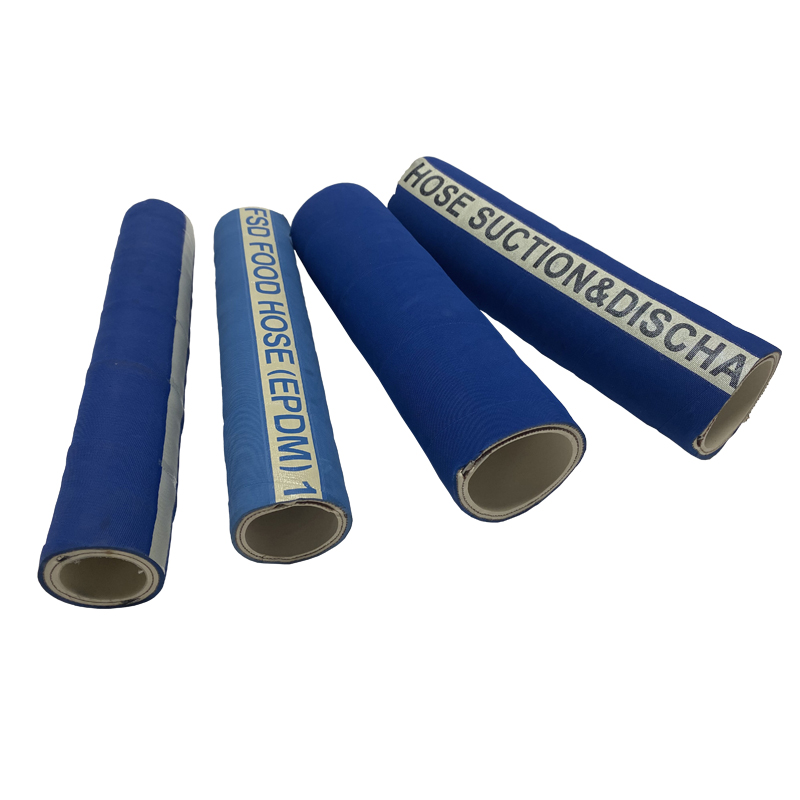
Chemical hoses are constructed from materials chosen for their resistance to the wide range of chemicals and harsh conditions they may encounter in industrial and commercial applications. One of the most commonly used materials for chemical hoses is synthetic rubber, such as EPDM (ethylene propylene diene monomer), which offers excellent resistance to acids, alkalis, and weathering. Nitrile rubber is also commonly used because of its resistance to oils, fuels, and solvents, making it ideal for transporting petroleum products or hazardous chemicals. PTFE (Teflon) is another popular material for chemical hoses due to its non-reactive nature and its resistance to a wide variety of aggressive chemicals and high temperatures. PTFE hoses are particularly suitable for transferring strong acids, caustics, and solvents that can break down other materials. Additionally, polyethylene is used in certain applications for its chemical resistance and flexibility, particularly in agricultural and food-grade chemical hoses. To increase durability and strength, chemical hoses are often reinforced with layers of steel wire or textile braiding. These reinforcements prevent the hose from collapsing under pressure, ensure flexibility, and provide protection against external mechanical damage. The combination of these materials ensures that chemical hoses can safely and reliably handle the aggressive substances they are designed for, while maintaining flexibility and durability in challenging environments.
Decoding the Corrosion-Resistant Core of Chemical Hoses: Material Science and Engineering Design
SINOPULSE combines advanced material science with precision engineering to create flexible chemical hoses that excel in transporting aggressive fluids. The ability to resist corrosion hinges on carefully selected inner tube materials, reinforced structures, and protective layers—each element designed to withstand specific chemical challenges. Let’s explore the technical foundations that make SINOPULSE chemical-resistant hoses the trusted choice for demanding industrial applications.
1. Fluoropolymer Liners: The First Line of Defense
At the heart of SINOPULSE chemical transfer hoses lies a fluoropolymer inner tube, typically PTFE (Polytetrafluoroethylene) or FEP (Fluorinated Ethylene Propylene). These materials owe their exceptional corrosion resistance to a unique molecular structure: a tightly packed carbon-fluorine bond (C-F) that is one of the strongest in polymer chemistry. This bond resists breakage from strong acid (e.g., sulfuric acid), strong base (e.g., sodium hydroxide), and solvents (e.g., acetone), making PTFE-lined hoses compatible with over 98% of industrial chemicals. For example, in pharmaceutical manufacturing, PTFE-lined hoses safely transport concentrated hydrochloric acid without swelling or degradation, maintaining fluid purity and hose integrity over years of use.
2. Elastomeric Compounds for Specialized Chemistries
When applications demand flexibility at lower temperatures or resistance to specific chemical families, SINOPULSE employs high-performance elastomers like fluoroelastomer (FKM) or ethylene-propylene-diene monomer (EPDM). FKM, with its cross-linked fluorocarbon structure, excels in resisting petroleum-based solvents and high-temperature oxidizers, making it ideal for aerospace hydraulic fluids. EPDM, conversely, thrives in aqueous environments, providing superior resistance to ketones and steam—critical for wastewater treatment systems where dilute acids and alkalis are common. These materials undergo rigorous swelling tests (e.g., ≤0.5% volume change in ASTM D471) to ensure long-term reliability.
3. Reinforcement Layers: Structural Integrity Under Pressure
Even the most corrosion-resistant liners require robust support to handle high-pressure applications. SINOPULSE high-pressure chemical hoses integrate braided or spiral-wound reinforcement layers, such as stainless steel wire or aramid fibers, to distribute internal pressure evenly. A 304 stainless steel braid, for instance, adds mechanical strength capable of withstanding 500 bar (7250 PSI) burst pressure while remaining non-reactive to most chemicals. This design prevents liner collapse or delamination, ensuring safe fluid transfer in refinery pipelines or chemical reactor feed systems.
4. Protective Outer Covers: Shielding Against External Threats
The outer layer of SINOPULSE chemical hoses is engineered to protect against external hazards like abrasion, UV radiation, and physical impact. Polyurethane (PU) or chloroprene rubber covers offer excellent resistance to cutting and weathering, vital for outdoor chemical transfer in mining or offshore platforms. For static-sensitive environments, anti-static additives in the outer layer dissipate electrical charges, eliminating ignition risks when handling flammable solvents like methanol.
Engineered for Synergy: How Layers Work Together
The true power of SINOPULSE chemical-resistant hoses lies in the synergy between layers: the fluoropolymer liner repels chemical attack, the reinforcement layer maintains structural stability, and the outer cover shields against environmental damage. This tri-layer system undergoes rigorous testing, including permeation resistance (ASTM F739) to ensure minimal chemical leakage and thermal cycling to validate performance across extreme temperatures.
In industries where chemical compatibility and safety are non-negotiable—from petrochemical processing to semiconductor manufacturing—SINOPULSE’s material expertise and engineering precision deliver chemical hoses that redefine corrosion resistance. Trust our solutions to protect your processes, people, and profits, no matter how aggressive the fluid.
Precision Fluid Transfer: The Stringent Demands of High-Purity Chemical Hoses in Semiconductor and Pharmaceutical Industries
In the semiconductor and pharmaceutical sectors, where precision and purity are non-negotiable, SINOPULSE, a leading chemical hose manufacturer, rises to the challenge with specialized high-purity chemical hoses. These industries demand hoses that not only resist corrosion but also maintain the integrity of ultra-sensitive fluids, and SINOPULSE’s engineered solutions meet these exacting standards.
Purity as the Cornerstone
Semiconductor manufacturing, particularly in wafer fabrication, relies on highly corrosive etching agents and ultra-pure water. SINOPULSE’s flexible chemical hoses feature smooth-bore EPDM liners. In pharmaceutical production, where drug safety is paramount, our hoses comply with FDA and USP Class VI standards, guaranteeing that no chemical residues leach into medications during transfer. For instance, when transporting sterile solutions for injectable drugs, SINOPULSE chemical transfer hoses maintain the fluid’s sterility throughout the process.
Controlled Environment Compatibility
Both industries operate in tightly controlled environments. Semiconductor facilities require hoses that can withstand rapid temperature fluctuations during plasma etching and annealing processes. SINOPULSE’s high-purity chemical hoses, reinforced with inert materials like stainless steel braids, retain their structural integrity under extreme conditions without reacting with aggressive chemicals. In pharmaceutical cleanrooms, where particulate matter is strictly monitored, our hoses are designed to prevent outgassing, ensuring that volatile compounds do not compromise air quality or product purity.
High-Pressure Performance with Precision
Semiconductor wet processing and pharmaceutical synthesis often involve high-pressure fluid delivery. SINOPULSE high-pressure chemical hoses are engineered to handle pressures up to 500 bar (7250 PSI) while maintaining precision flow control. The multi-layer construction, combining a corrosion-resistant fluoropolymer inner tube with a robust reinforcement layer, ensures consistent performance without leaks or pressure drops. This reliability is crucial in semiconductor lithography, where even a minor fluid deviation can render an entire wafer batch defective.
Compliance Beyond Standards
SINOPULSE understands that these industries operate under strict regulatory frameworks. Our chemical-resistant hoses undergo rigorous testing, including biocompatibility evaluations and permeation resistance assessments, to meet international guidelines. Whether it’s safeguarding the purity of semiconductor-grade chemicals or ensuring the safety of pharmaceutical formulations, SINOPULSE’s high-purity hoses are the trusted choice for precision fluid transfer in these high-stakes industries.