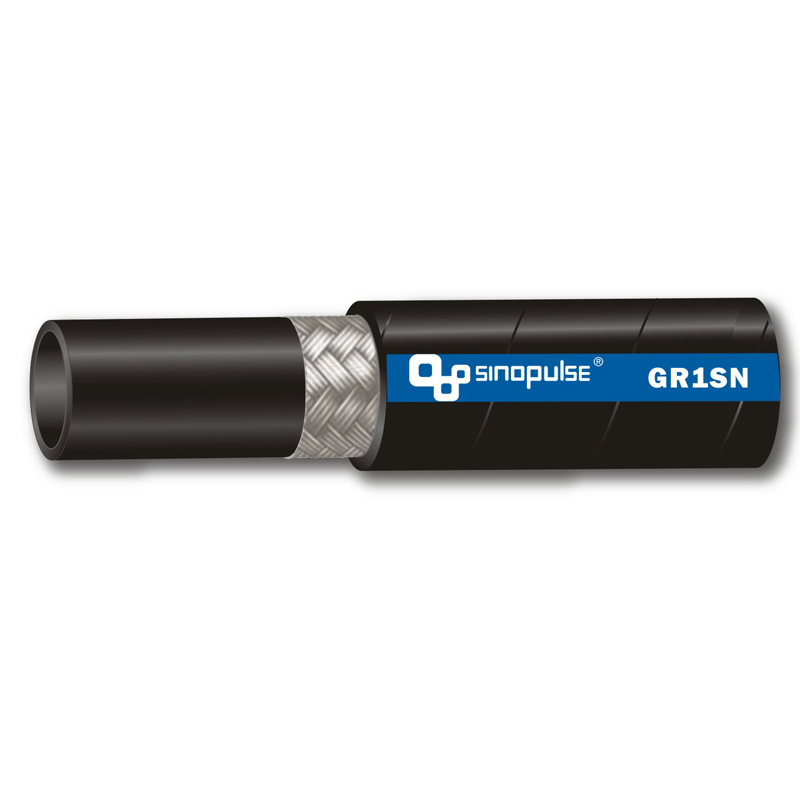
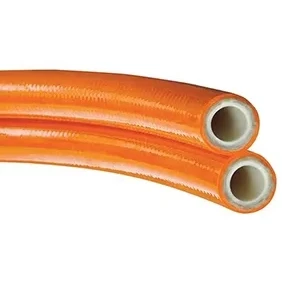
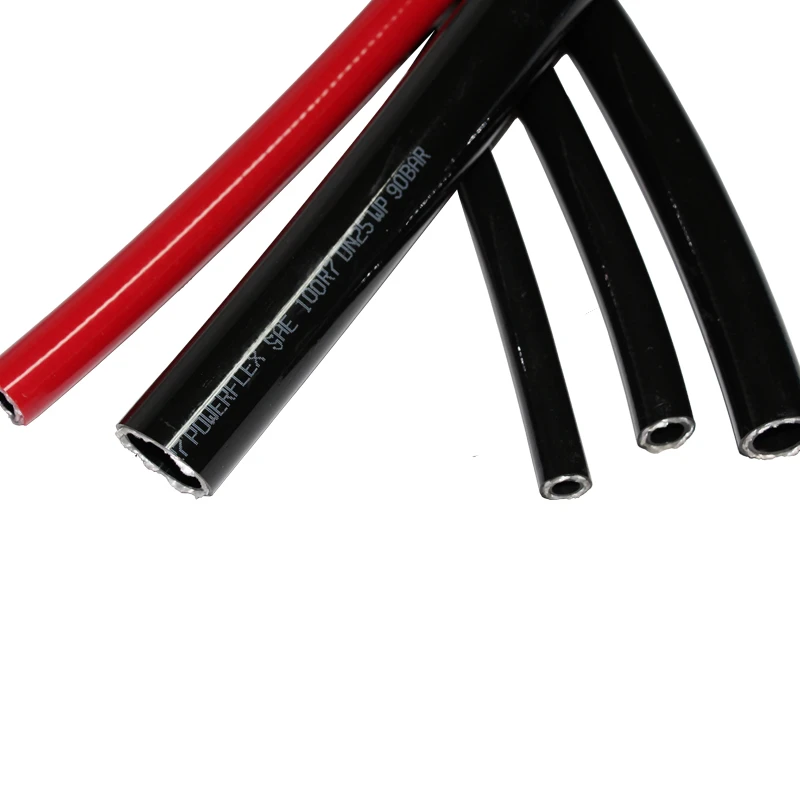
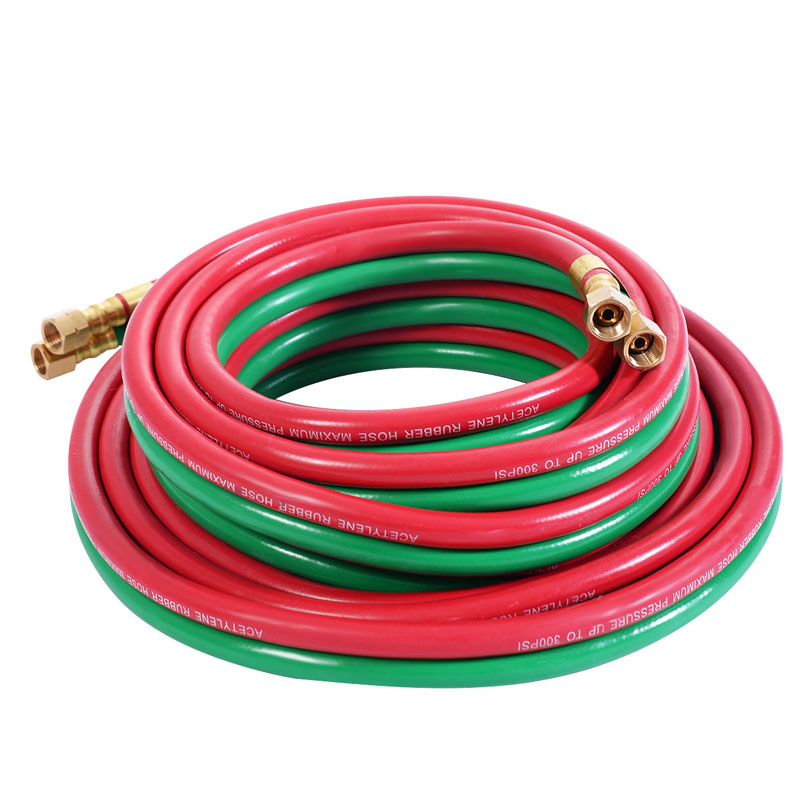
The health of the fuel system is crucial in modern automotive maintenance. As an important component of the fuel system, the performance of rubber fuel line hose directly affects the transmission of fuel and the safety of vehicles. Therefore, understanding when and how to replace rubber fuel hoses is a fundamental skill that every car owner and mechanic must master.

Identifying when to replace the rubber fuel line hose is the first step in ensuring the normal operation of the vehicle
Generally speaking, the service life of Rubber Heater Hose is five to ten years, depending on the quality of its material and the usage environment. However, car owners should regularly check the hoses and pay attention to the following signs: first, cracks or wear on the surface of the hoses; Secondly, there is an odor or signs of fuel leakage in the hose; Thirdly, the flexibility of the hose decreases, becoming harder or brittle; The fourth issue is insufficient fuel supply during vehicle operation. These situations indicate that the rubber fuel hose may have aged or been damaged and needs to be replaced in a timely manner.
The process of replacing rubber fuel line hose requires certain professional knowledge and tools to ensure safety and replacement effectiveness
The following is a summary of the steps for replacing the rubber fuel line: Step one, prepare tools and materials, including new hoses, fuel clamps, wrenches, screwdrivers, and cleaning cloths with cleaning agents; Step 2: Ensure that the vehicle is parked on a flat surface and turn off the fuel pump to prevent accidents during the replacement process; Step three, find the hoses that need to be replaced, loosen the clips one by one, and remove the old hoses; Step four, carefully clean the interface to remove any contaminants; Step five, install the new fuel hose rubber in place and secure it with clips, ensuring that all connections are tight and leak free.
During the process of replacing the rubber fuel line hose, safety always comes first
Protective gloves and goggles should be worn to prevent fuel splashing from causing harm to the skin and eyes. In addition, selecting high-quality hardware and automotive tubing that comply with automotive manufacturer specifications is key to ensuring the long-term operation of the fuel system.
In short, regular inspection and timely replacement of rubber fuel hoses are important measures to ensure the normal operation of the car's fuel system. By understanding when hoses need to be replaced and mastering the basic replacement steps, car owners can not only extend the service life of their vehicles, but also improve driving comfort and stability while ensuring safety.
OUR LATEST NEWS
Strict quality control strict production team to ensure stable products quality. Scientific personnel management, efficient production arrangements to ensure our timely delivery.
02-242026
Comprehensive Guide to Safe and Effective Brake Hose Replacement Procedures
Maintaining your vehicle’s braking system is crucial for safety, and a key component of this system is the brake hose. Over time, brake hoses can deteriorate due to age, exposure to the elements, and constant pressure. This guide provides a comprehensive overview of brake hose replacement, covering everything from identifying when replacement is necessary to the process itself. Ignoring worn brake hoses can lead to brake failure, so understanding the signs and knowing how to address them is vital. Hydraulic Hose Plus offers a wide selection of high-quality brake hoses to ensure your vehicle’s safety. Brake hoses are responsible for carrying brake fluid under high pressure to the brake calipers at each wheel. As they age, the rubber can become brittle, crack, or swell. This compromises their structural integrity and can lead to leaks, reduced braking efficiency, or even complete brake failure. Regular inspection and timely replacement of brake hoses are essential safety measures. Signs of deterioration include visible cracks, blisters, bulges, or leaks, as well as a spongy brake pedal feel. Delaying brake hose replacement can significantly increase stopping distances and put you and others at risk.
02-112026
Comprehensive Guide to Silicone Auto Hoses for Enhanced Vehicle Performance
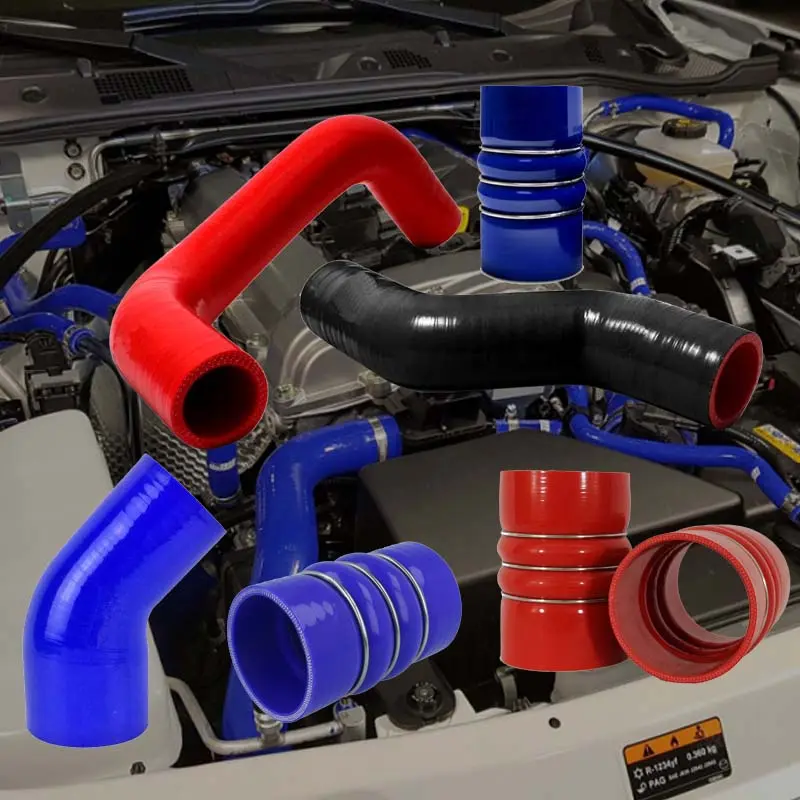
In the world of automotive performance and reliability, the often-overlooked component of the engine cooling and intake systems – the auto hose – plays a critical role. Traditional rubber hoses are prone to degradation from heat, oil, and pressure. This is where silicone auto hoses come into play, offering a superior alternative. This article delves into the benefits, applications, and considerations for choosing silicone hoses, providing a detailed overview for automotive enthusiasts, mechanics, and anyone looking to enhance their vehicle's performance. Ensuring your cooling and intake systems are equipped with quality hoses is crucial for preventing costly engine damage and maintaining optimal vehicle operation. Compared to traditional rubber hoses, silicone auto hoses offer a multitude of benefits. They exhibit exceptional resistance to high temperatures, often withstanding temperatures up to 500°F (260°C) without degradation. This is particularly important in modern engines that generate significant heat. Silicone also doesn’t swell or crack when exposed to oil, coolant, or other automotive fluids. This durability translates to a longer lifespan, reducing the frequency of replacements and saving you money in the long run.