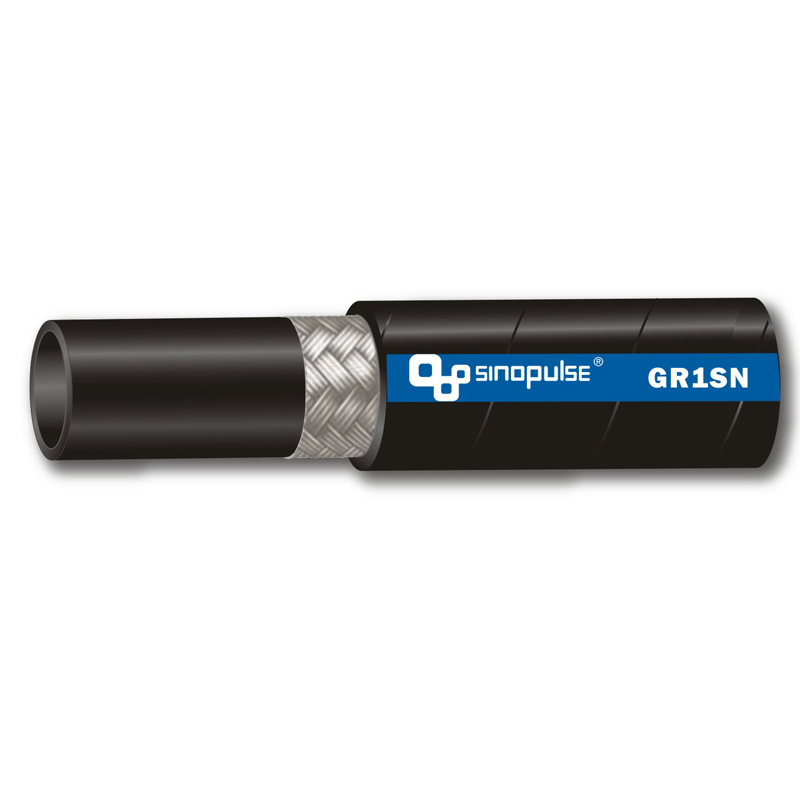
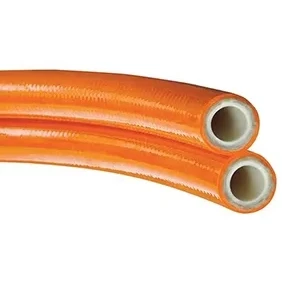
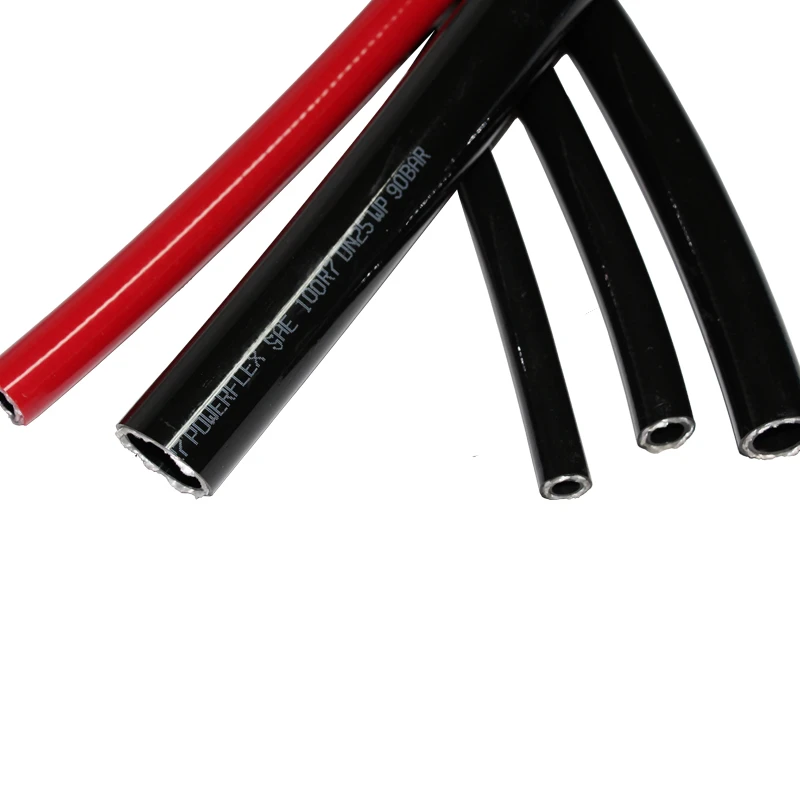
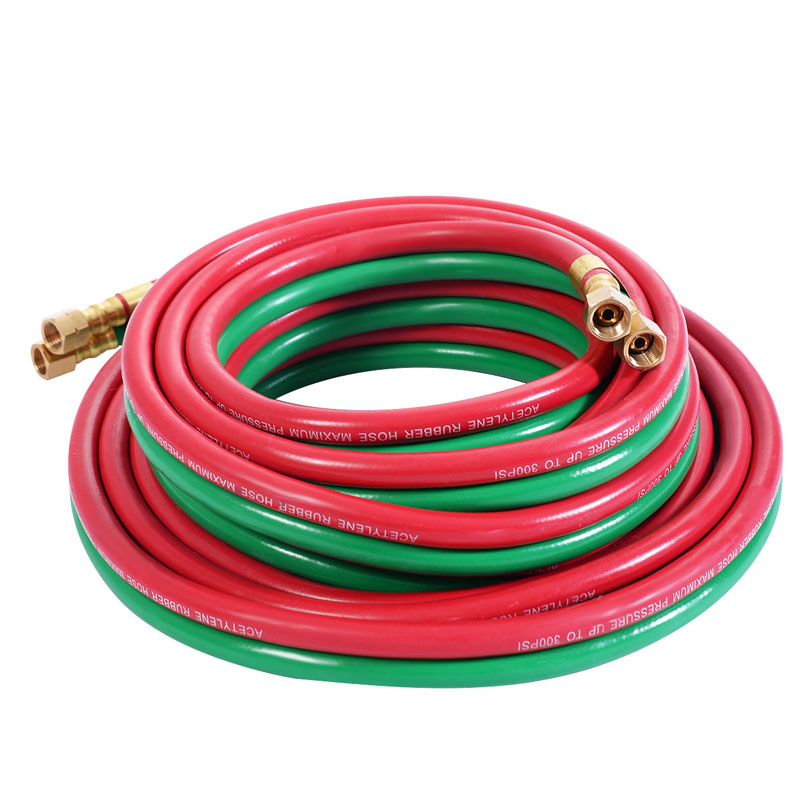
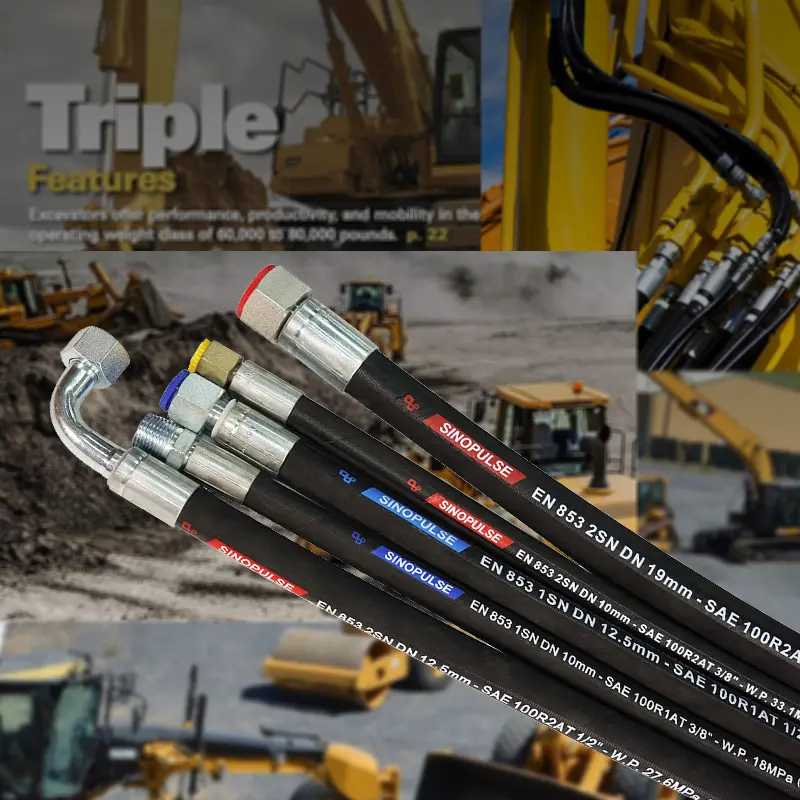
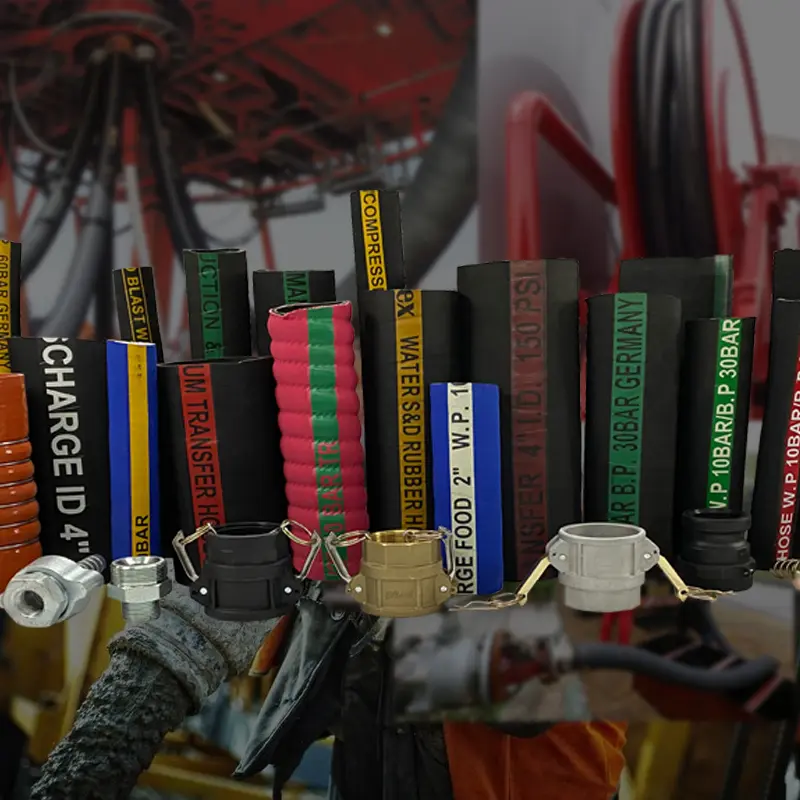
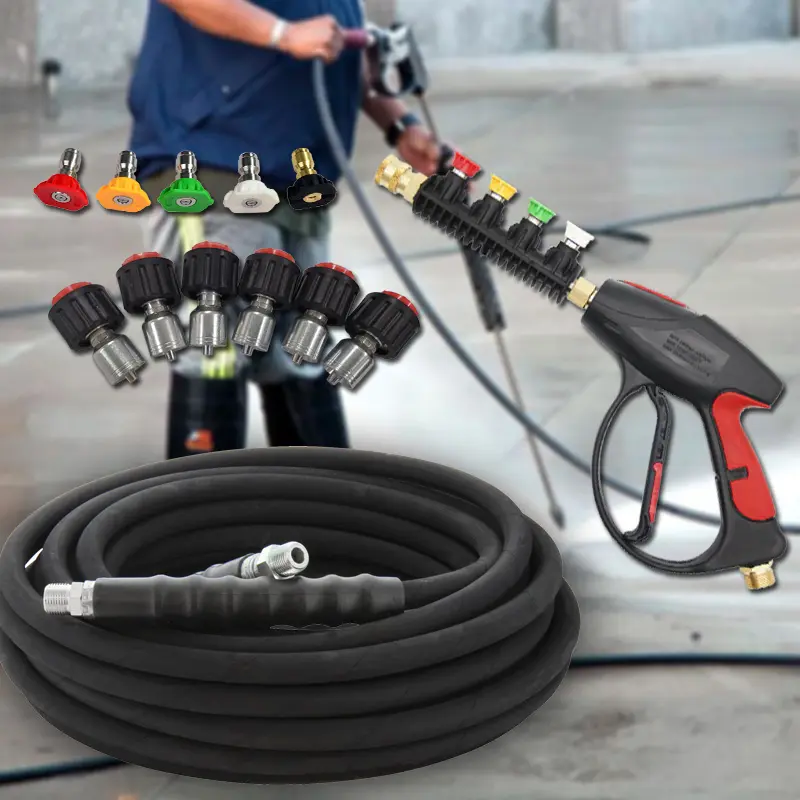
हाइड्रोलिक होज़ विभिन्न यांत्रिक उपकरणों का एक अनिवार्य घटक है, जिसका व्यापक रूप से हाइड्रोलिक सिस्टम में तरल पदार्थों के उच्च दबाव संचरण को ले जाने के लिए उपयोग किया जाता है। दो सामान्य हाइड्रोलिक नली मॉडल के रूप में, एसएई 100 आर1एटी और sae100r2at समान कार्य हैं, लेकिन डिज़ाइन मानकों और लागू परिदृश्यों में महत्वपूर्ण अंतर हैं। यह लेख R1 और R1 के बीच के अंतरों का विस्तार से पता लगाएगा sae 100r2at हाइड्रोलिक नली.
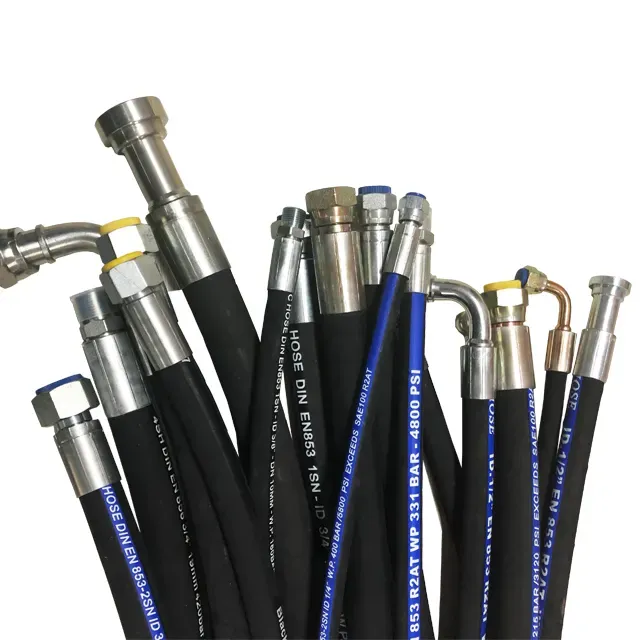
sae 100 r1at और sae 100 r2at के लिए डिज़ाइन मानक अलग-अलग हैं
अंतर्राष्ट्रीय मानकीकरण संगठन (आईएसओ) के प्रासंगिक विनिर्देशों के अनुसार, एसएई 100 आर1एटी अपेक्षाकृत सरल संरचना वाली एकल तार वाली ब्रेडेड नली से संबंधित है, जो मुख्य रूप से वायर ब्रेडेड परत की एक परत और अंदर और बाहर रबर की दो परतों से बनी होती है। यह डिज़ाइन R1 नली को बेहतरीन दबाव प्रतिरोध देता है और मध्यम दबाव वाले हाइड्रोलिक सिस्टम के लिए उपयुक्त है। दूसरी ओर, R2 हाइड्रोलिक नली एक अधिक जटिल संरचना वाली डबल वायर ब्रेडेड नली है। रबर और वायर ब्रेडेड परतों के अलावा, इसमें अंदर स्टील वायर की दूसरी परत भी जोड़ी गई है। यह डिज़ाइन R2 नली को उच्च दबाव प्रतिरोध करने और अधिक कठिन कार्य स्थितियों का सामना करने में सक्षम बनाता है।
sae 100 r1at और sae 100 r2at के कार्य दबाव और अनुप्रयोग परिदृश्य भी भिन्न हैं
अपने उच्च संपीड़न प्रदर्शन के कारण, R2 होज़ उच्च दबाव वाले हाइड्रोलिक सिस्टम के लिए उपयुक्त हैं और अधिक कठोर वातावरण में काम कर सकते हैं, विशेष रूप से भारी मशीनरी, औद्योगिक कार्यशालाओं और अन्य क्षेत्रों में। सिस्टम की सुरक्षा और स्थिरता सुनिश्चित करने के लिए अक्सर R2 होज़ की आवश्यकता होती है। हाइड्रोलिक नली r1 मध्यम और निम्न दबाव वाले हाइड्रोलिक सिस्टम के लिए अधिक उपयुक्त है, जैसे कृषि मशीनरी, हल्के उपकरण, आदि। इसकी हल्की संरचना और कम लागत के कारण, यह कई सामान्य अनुप्रयोग परिदृश्यों के लिए पहली पसंद बन गया है।
Sae100r1at और sae100r2at पहनने के प्रतिरोध और उम्र बढ़ने के प्रतिरोध में भी भिन्न हैं
डबल लाइन डिज़ाइन वाली R2 हाइड्रोलिक नली में लंबे समय तक उच्च दबाव वाले अनुप्रयोग में बेहतर पहनने का प्रतिरोध और उम्र बढ़ने का प्रतिरोध होता है। यह R2 नली को उपयोग के दौरान बाहरी पर्यावरणीय प्रभावों से बेहतर ढंग से निपटने में सक्षम बनाता है, जिससे उनकी सेवा जीवन में सुधार होता है। R1 नली पहनने के प्रतिरोध और उम्र बढ़ने के प्रतिरोध में अपेक्षाकृत कम है, और मध्यम दबाव के तहत अल्पकालिक उपयोग के लिए उपयुक्त है।
संक्षेप में, दोनों के बीच महत्वपूर्ण अंतर हैं sae100r1at हाइड्रोलिक नली और R2 हाइड्रोलिक नली डिजाइन संरचना, दबाव प्रतिरोध, अनुप्रयोग परिदृश्यों और स्थायित्व के संदर्भ में। उपयुक्त हाइड्रोलिक नली का चयन न केवल उपकरण के प्रदर्शन और सुरक्षा से संबंधित है, बल्कि समग्र प्रणाली की दक्षता और स्थिरता से भी संबंधित है। इसलिए, चुनते समय, हाइड्रोलिक सिस्टम के दीर्घकालिक विश्वसनीय संचालन को सुनिश्चित करने के लिए वास्तविक कार्य स्थितियों, दबाव आवश्यकताओं और उपयोग के वातावरण जैसे कारकों पर सावधानीपूर्वक विचार किया जाना चाहिए।
हमारी ताज़ा खबरें
स्थिर उत्पाद गुणवत्ता सुनिश्चित करने के लिए सख्त गुणवत्ता नियंत्रण सख्त उत्पादन टीम। वैज्ञानिक कार्मिक प्रबंधन, कुशल उत्पादन व्यवस्था हमारे समय पर वितरण सुनिश्चित करने के लिए।
02-242026
Comprehensive Guide to Safe and Effective Brake Hose Replacement Procedures
Maintaining your vehicle’s braking system is crucial for safety, and a key component of this system is the brake hose. Over time, brake hoses can deteriorate due to age, exposure to the elements, and constant pressure. This guide provides a comprehensive overview of brake hose replacement, covering everything from identifying when replacement is necessary to the process itself. Ignoring worn brake hoses can lead to brake failure, so understanding the signs and knowing how to address them is vital. Hydraulic Hose Plus offers a wide selection of high-quality brake hoses to ensure your vehicle’s safety. Brake hoses are responsible for carrying brake fluid under high pressure to the brake calipers at each wheel. As they age, the rubber can become brittle, crack, or swell. This compromises their structural integrity and can lead to leaks, reduced braking efficiency, or even complete brake failure. Regular inspection and timely replacement of brake hoses are essential safety measures. Signs of deterioration include visible cracks, blisters, bulges, or leaks, as well as a spongy brake pedal feel. Delaying brake hose replacement can significantly increase stopping distances and put you and others at risk.
02-112026
Comprehensive Guide to Silicone Auto Hoses for Enhanced Vehicle Performance
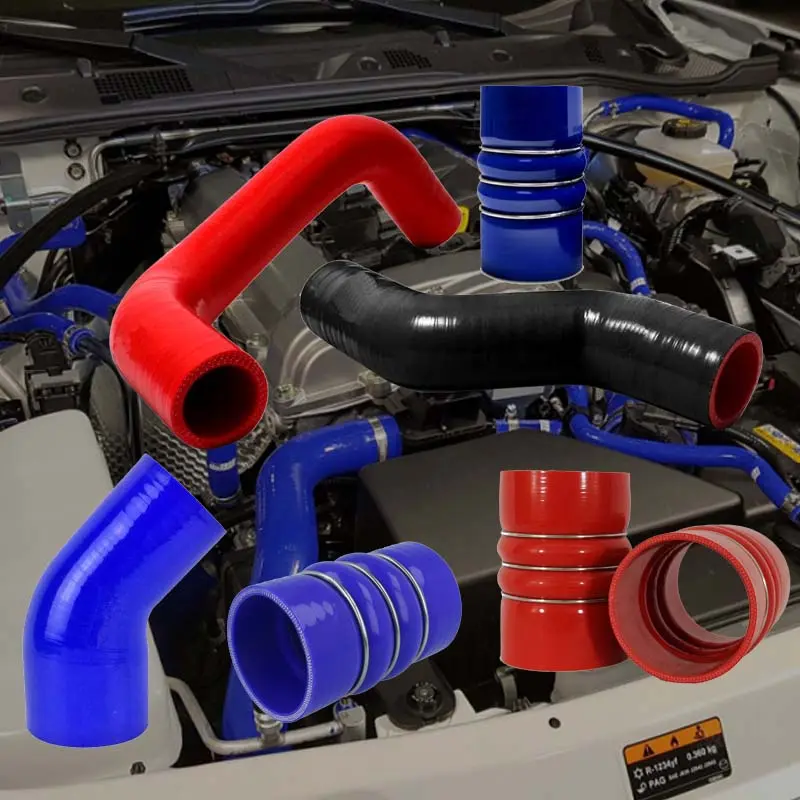
In the world of automotive performance and reliability, the often-overlooked component of the engine cooling and intake systems – the auto hose – plays a critical role. Traditional rubber hoses are prone to degradation from heat, oil, and pressure. This is where silicone auto hoses come into play, offering a superior alternative. This article delves into the benefits, applications, and considerations for choosing silicone hoses, providing a detailed overview for automotive enthusiasts, mechanics, and anyone looking to enhance their vehicle's performance. Ensuring your cooling and intake systems are equipped with quality hoses is crucial for preventing costly engine damage and maintaining optimal vehicle operation. Compared to traditional rubber hoses, silicone auto hoses offer a multitude of benefits. They exhibit exceptional resistance to high temperatures, often withstanding temperatures up to 500°F (260°C) without degradation. This is particularly important in modern engines that generate significant heat. Silicone also doesn’t swell or crack when exposed to oil, coolant, or other automotive fluids. This durability translates to a longer lifespan, reducing the frequency of replacements and saving you money in the long run.