

Rubber Fuel Line Hose: The Unsung Hero in Industrial Fluid Transfer
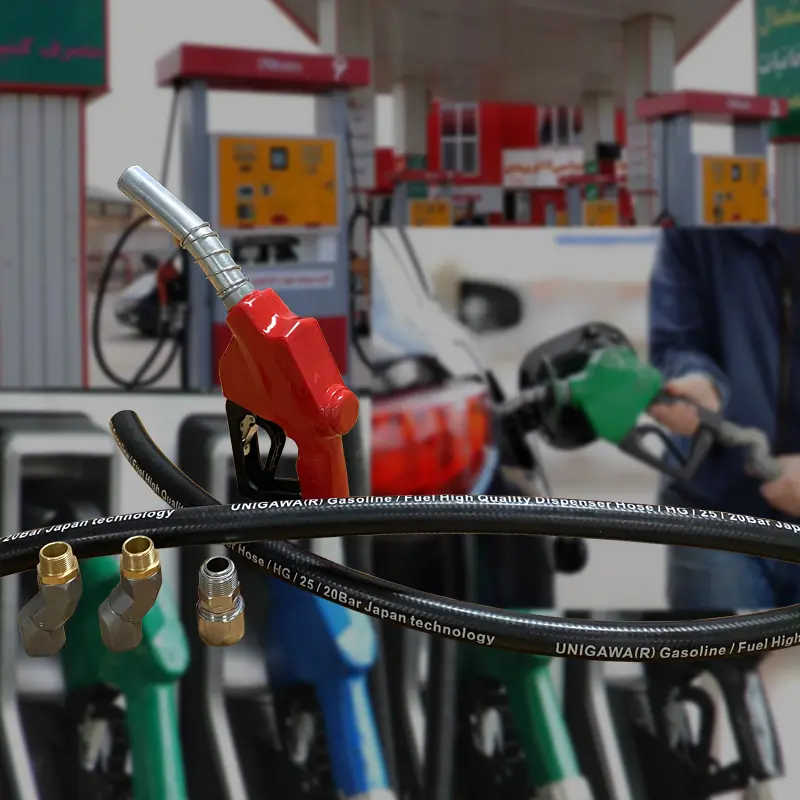
After spending more than a decade tinkering with and specifying industrial hoses – well, mostly hydraulic but occasionally fuel lines too – I’ve come to appreciate just how critical the right rubber fuel line hose really is. It’s easy to overlook, frankly, especially since it’s tucked away under hoods or machinery frames, but this unassuming component quietly keeps engines humming and fluid flowing.
Now, why rubber? Oddly enough, when you dig into the specs and industry chatter, rubber remains the go-to for fuel line hoses, primarily for its resilience and chemical compatibility. Manufacturers typically combine synthetic rubbers like nitrile (NBR) or fluorocarbon (FKM) to handle varying fuel types — gasoline, diesel, even biofuels — and the occasional spike in temperature or pressure. I remember one project where a customer switched to biofuel blends; the standard hoses started degrading quickly. We upgraded to a fluorocarbon-based rubber hose, and performance improved instantly, no leaks, no downtime.
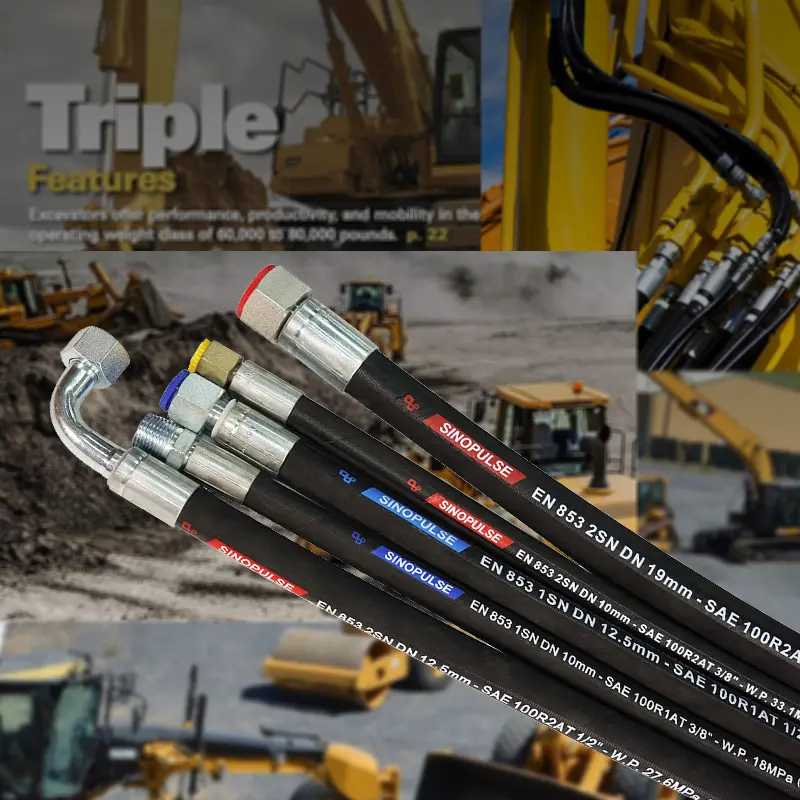
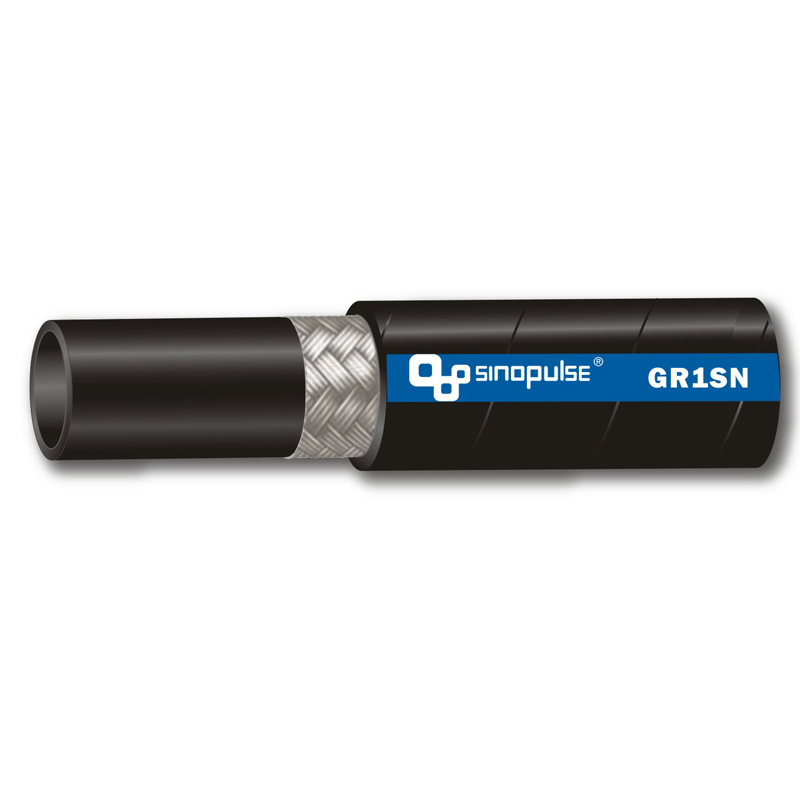
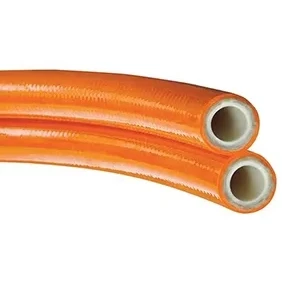
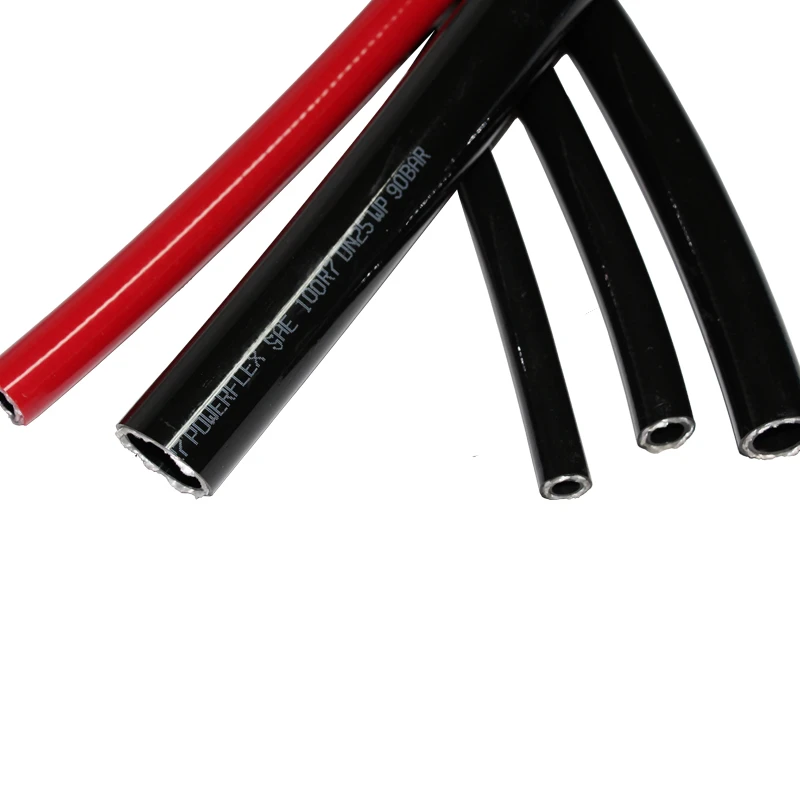
From a design standpoint, you’ll see these hoses reinforced internally with braided fibers or spiraled wires, depending on pressure ratings. It’s sort of like a tire — the rubber preserves flexibility while the reinforcements prevent it from bursting under high pressures. Most industrial users I know look for hoses rated for at least 50 psi for fuel lines, though some heavy machinery demands more.
Before a batch hits the shelves, the hoses undergo rigorous testing — pressure cycling, abrasion resistance, chemical exposure, you name it. Frankly, it’s a relief to see these tests ensuring long service life because nobody wants a hose failure mid-shift. An ounce of prevention is worth a pound of repair, as they say.
| Feature | Specification |
|---|---|
| Material | Nitrile (NBR) or Fluorocarbon (FKM) Rubber |
| Inner Diameter | 1/4” to 1 1/2” (custom sizes available) |
| Operating Pressure | Up to 150 psi (varies by hose construction) |
| Temperature Range | -40°F to +225°F (-40°C to +107°C) |
| Reinforcement | Textile or Steel Wire Braiding |
| Fuel Compatibility | Gasoline, Diesel, Ethanol, Biofuels |
Having worked with multiple suppliers, I can tell you that not all rubber fuel line hoses are created equal. Here’s a quick vendor snapshot I put together after comparing features, pricing, and service levels:
| Vendor | Price Range (per ft) | Typical Lead Time | Customization Options | Warranty |
|---|---|---|---|---|
| HydraulicHosePlus | $3.50 - $5.00 | 2-3 days | Custom lengths, fittings | 1 year |
| Industrial Hose Co. | $4.00 - $6.00 | 1 week | Limited custom sizes | 6 months |
| FuelLine Experts | $5.00 - $7.50 | 3-5 days | Full customization | 2 years |
In real terms, the choice often boils down to your project’s urgency, budget, and the exact chemical environment. I recall a team who was on a tight turnaround; HydraulicHosePlus’s rapid shipping and options saved the day. Plus, their warranties feel like they genuinely stand behind their products, which – trust me – means a lot in this industry.
If you’re specifying rubber fuel line hoses for the first time, remember that durability isn’t just about the hose material itself, but also ends, fittings, and installation. I always recommend discussing your operational environment in detail with your vendor because, oddly enough, the “best” hose in the catalog might not be the best fit in practice. Don’t underestimate the value of real-world feedback — it’s something few datasheets can convey.
All things considered, rubber fuel line hoses remain a reliable, flexible backbone to modern fuel systems. They combine flexibility with chemical resistance in a way few other materials can quite match. And that, frankly, is why they’ve stuck around and why I continue to specify and recommend them despite the "fancy" alternatives floating around.
It’s the kind of product that quietly keeps serious industrial machines running — no drama, just steady performance.
References:
- Industry Standard Hose Testing Procedures, ASTM F1234-2022
- Fuel Compatibility and Hose Materials, National Fluid Equipment Association
- Customer Case Study – Biofuel Hose Upgrade, Internal Project Files, 2021
Product Application